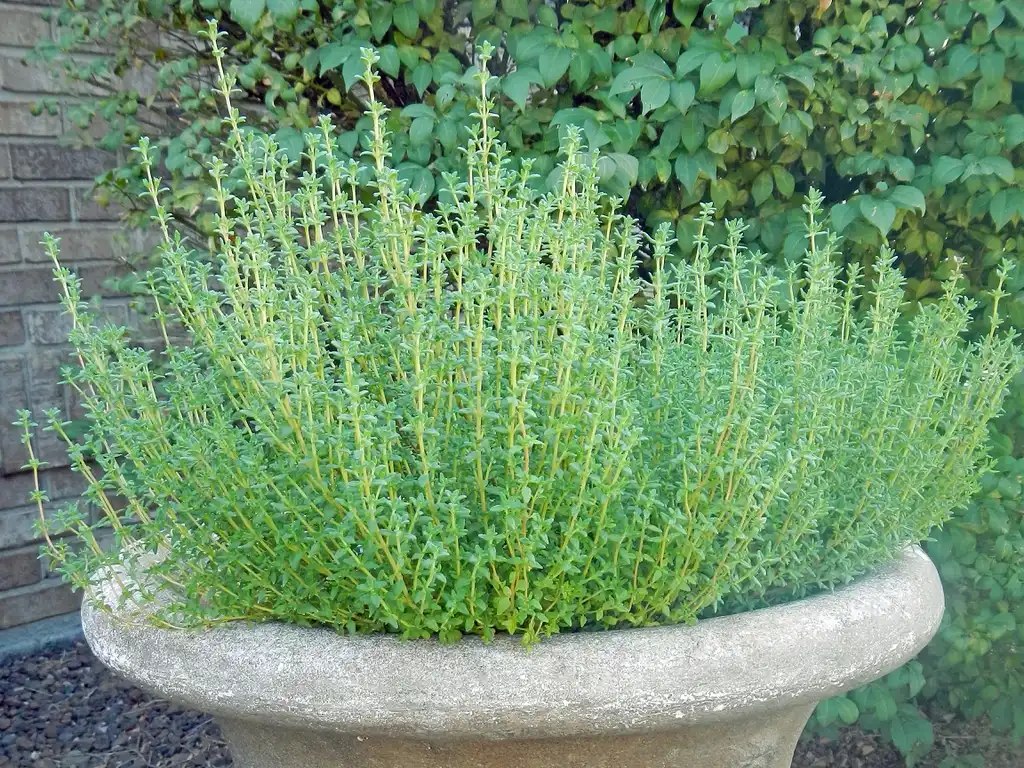
The genus Thymus belongs to the Lamiaceae family, commonly known as the mint family, and comprises approximately 350 species of perennial herbs and evergreen shrubs. These species exhibit a range of sizes and growth forms. Thyme has been cultivated for ornamental purposes and culinary applications for centuries, with its origins traced back to Greenland, as well as temperate and subtropical regions of Eurasia and Northeast Tropical Africa.
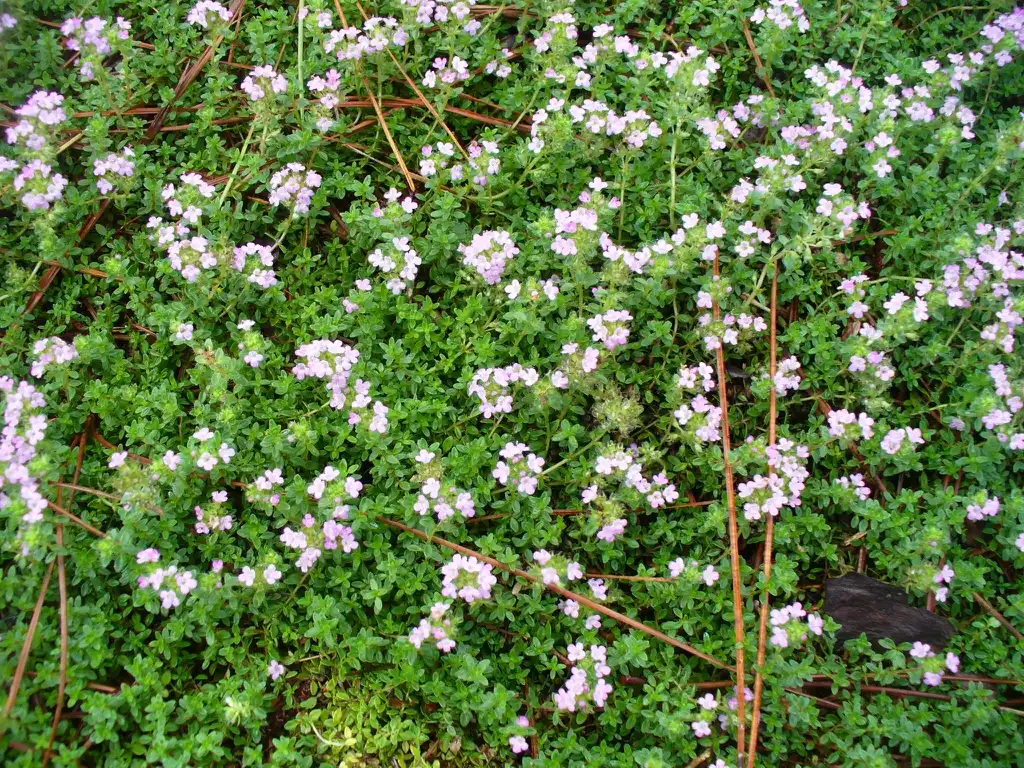
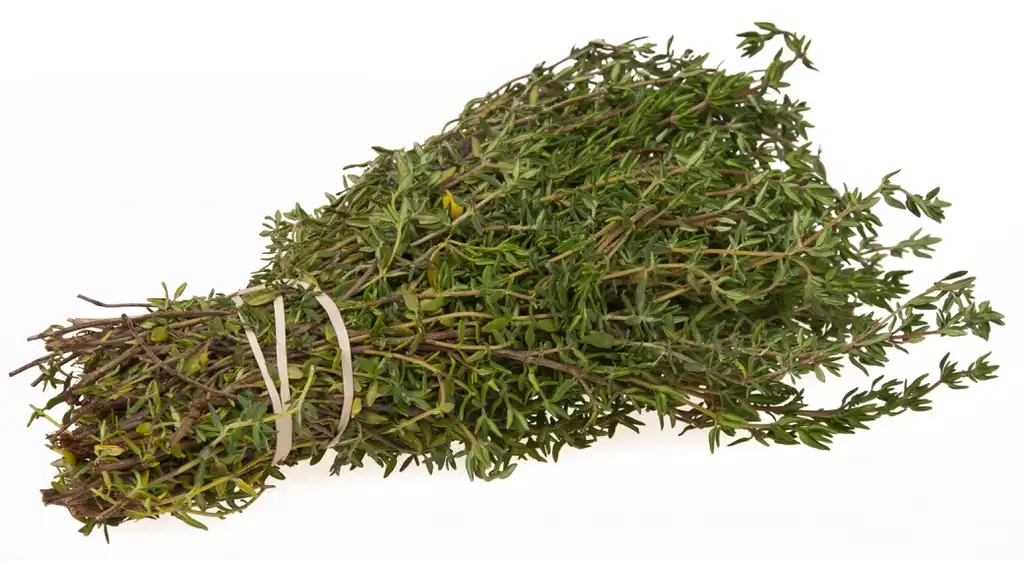
Common Thyme (Thymus vulgaris) is frequently utilized in cooking to enhance the flavors of soups, stews, sauces, and meats. Various thyme species offer a diverse array of flavors and aromas, including notes of caraway, lemon, nutmeg, orange, and oregano. Some varieties, like Creeping Thyme (Thymus serpyllum), serve primarily as ground covers, while others, such as Wooly Thyme (Thymus praecox), can function as substitutes for traditional lawns. The essential oils extracted from thyme leaves are also employed in the production of perfumes, antiseptics, expectorants, and deodorants.
The term "thyme" is derived from the Greek word "thumos," which translates to "courage." In medieval times, thyme symbolized bravery and strength. It may also have roots in the Greek word "thymos," meaning "perfume."
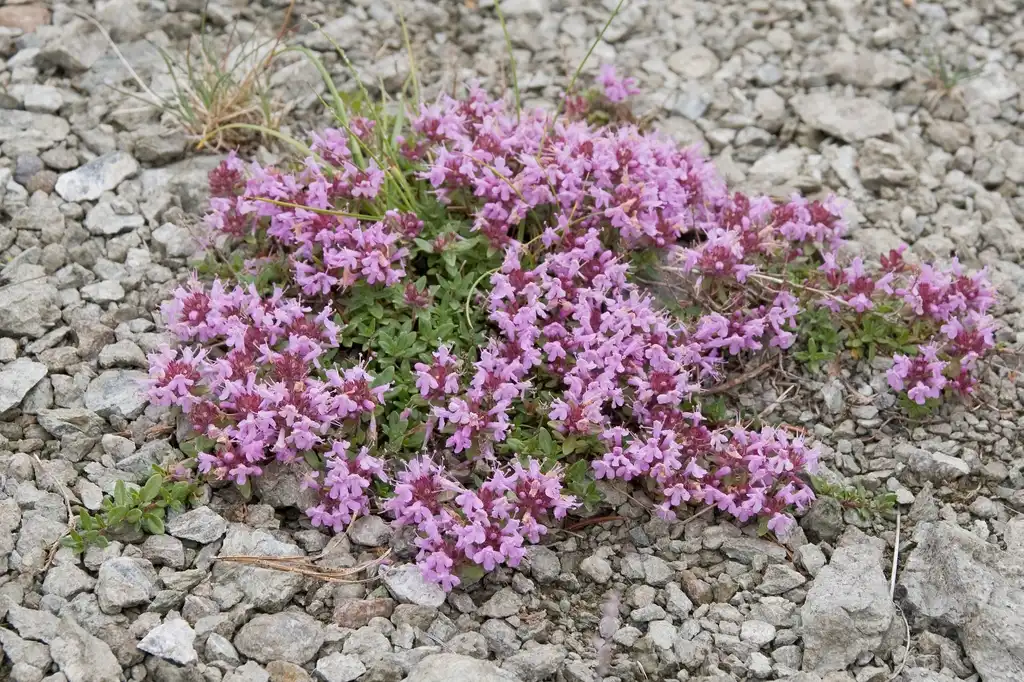
Thyme thrives in full sunlight and prefers dry, sandy, or rocky soils, demonstrating tolerance for highly alkaline conditions. It favors well-drained environments and can withstand drought once established, but it does not fare well in overly wet soils or areas with poor drainage.
This plant requires minimal maintenance, though it benefits from trimming when it becomes leggy. For culinary use, the optimal time to harvest thyme leaves is just before flowering, as this is when the essential oils are most concentrated.
Propagation is commonly achieved through stem cuttings, division, or seeds; however, some thyme species can be challenging to grow from seeds due to inconsistent germination rates.
Thyme plants feature slender, woody stems and small, aromatic leaves that range in color from green to silver, depending on the species. Their flowers are tiny and tubular, appearing in shades of white, pink, or purple, while the fruits are small schizocarps.
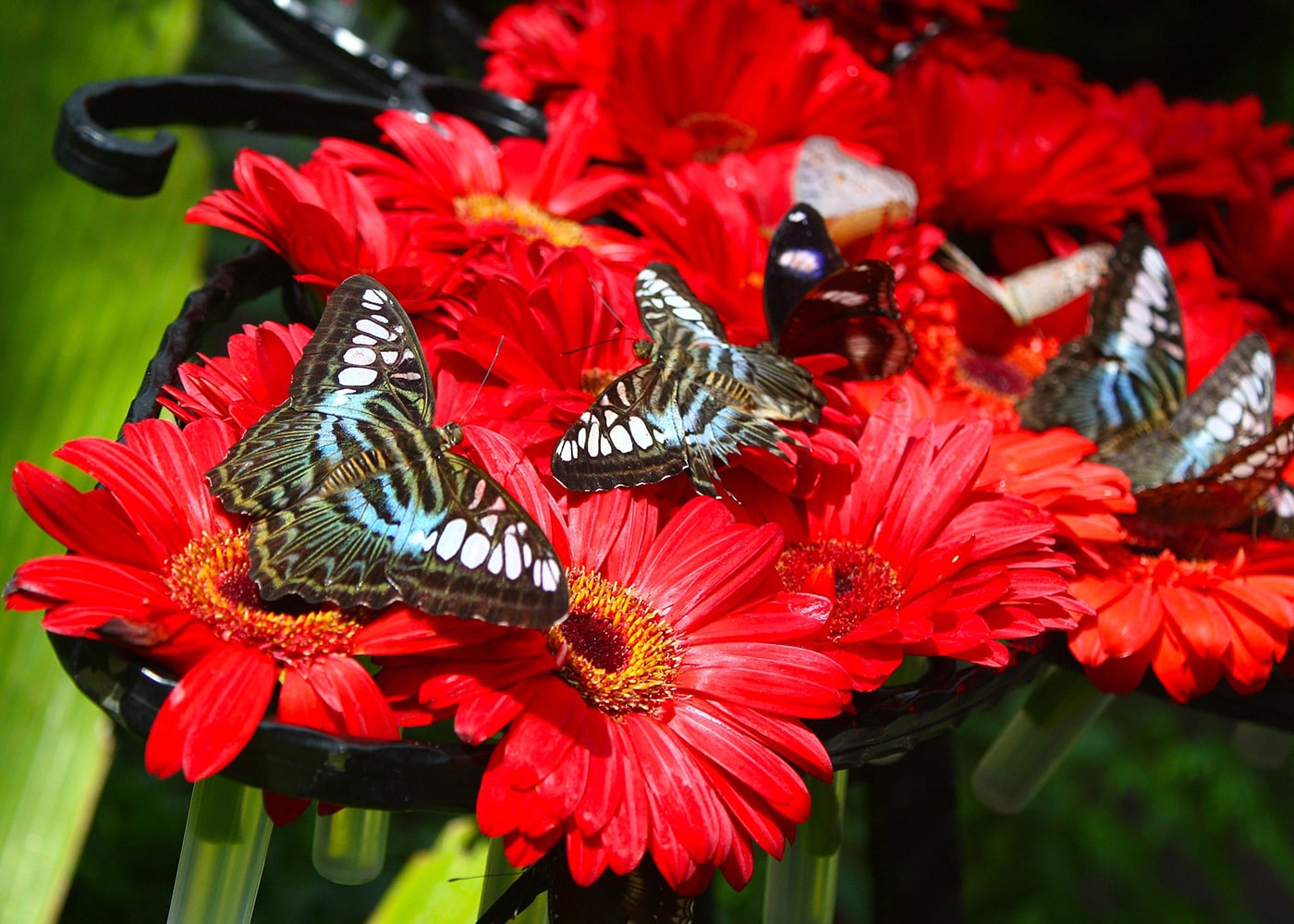
The flowers of thyme are rich in nectar, making them appealing to bees and butterflies, which makes thyme an excellent choice for pollinator gardens, rock gardens, or herb gardens. Certain species are primarily ornamental and can be effectively used between stepping stones, rocks, ledges, or walls, as well as serving as border plants. Additionally, thyme is generally resistant to deer and rabbits.
With numerous species and cultivars available, thyme can add both color and fragrance to your landscape.
In terms of pests and diseases, this genus does not face significant issues. However, it may be vulnerable to root rot if planted in wet or poorly drained soils.