Brassica napus: Uses (Ethnobotany)
root vegetable, vegetable oil, animal feed
Phonetic Spelling:
Genus:Brassica
Species:napus
Family:Brassicaceae
Brassica napus, commonly known as Rutabaga, is a biennial herbaceous plant primarily cultivated as a substantial annual root vegetable, valued for both its edible roots and greens. It is thought to be a hybrid between the turnip (Brassica rapa) and cabbage (Brassica oleracea), with its origins traced back to Scandinavia and Russia. The term "Brassica" is derived from Latin, meaning cabbage. In comparison to turnips, Rutabagas are larger, rounder, and denser, possessing a slightly bitter flavor. The plant's taproot forms a nearly spherical, bulbous tuber that can be purple, white, or yellow, with a yellow interior. Rutabagas are resilient to cold and can be planted in early spring for a summer harvest or in summer for a fall harvest, thriving best in soil with a pH level between 6 and 6.5.
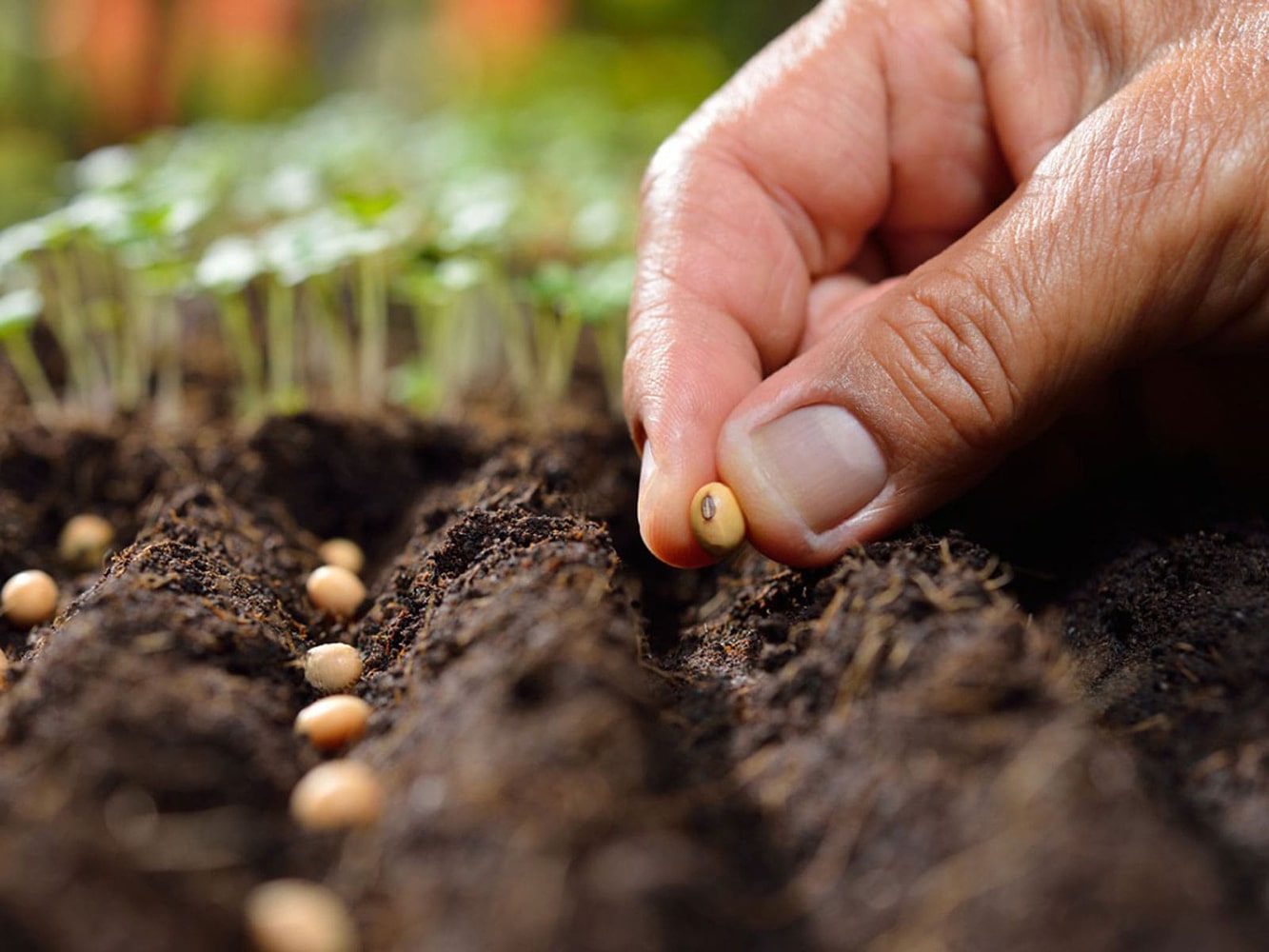
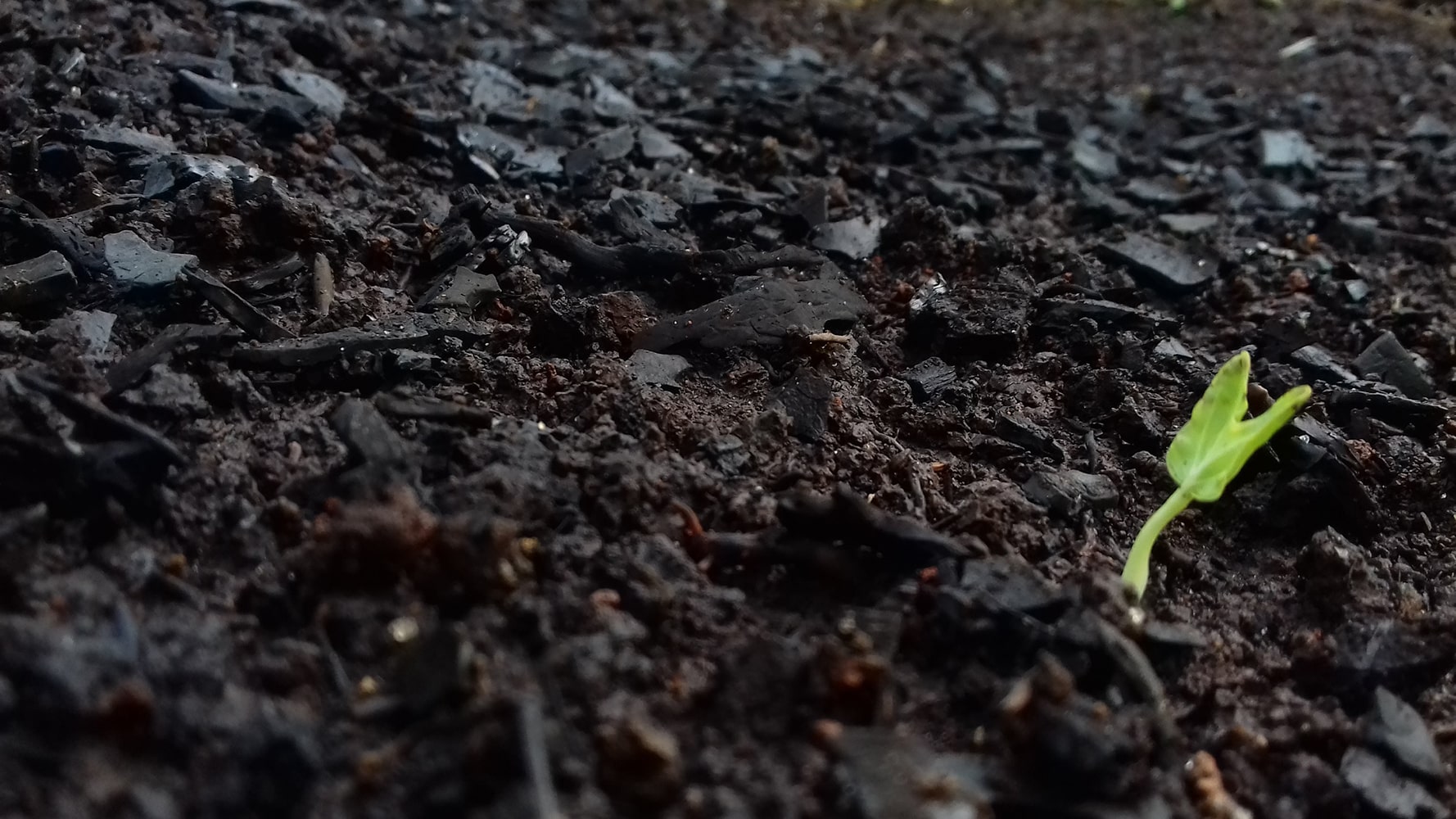
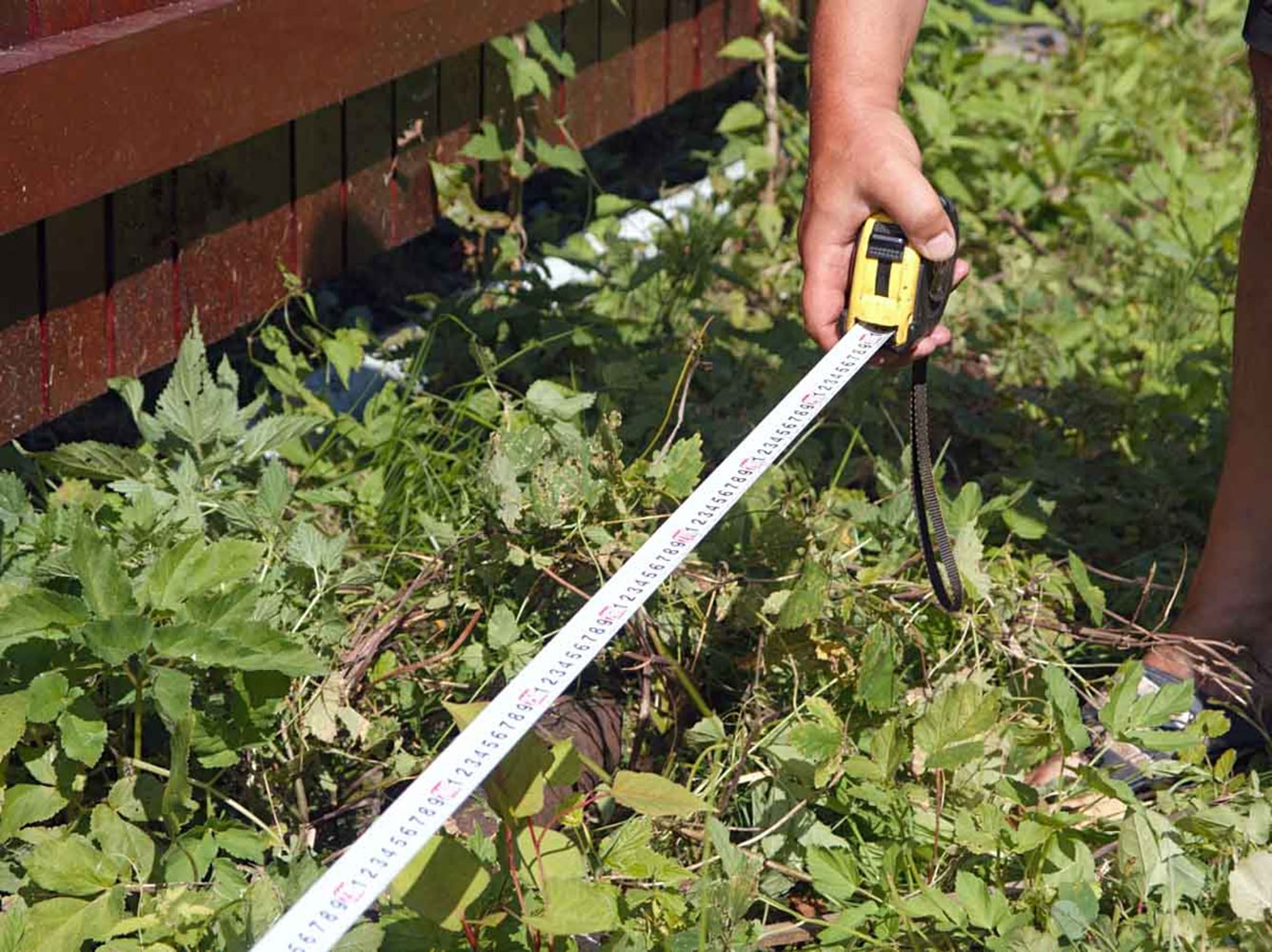
Typically, Rutabagas are cultivated for a fall harvest, as the tuberous roots require cooler temperatures to develop optimally and take longer to mature. For a successful fall harvest, seeds should be sown approximately 100 days before the first expected frost, in rows spaced 18 to 24 inches apart. Seedlings should be thinned to about 6 inches apart. Harvesting should occur in the fall after a light frost, ideally when the roots reach a diameter of 3 to 5 inches. Interestingly, frost can enhance the sweetness of the maturing Rutabagas. While they can remain in the ground until needed, prolonged exposure may lead to a woody texture.
**Diseases, Insects, and Other Plant Issues:**
Clubroot poses a significant threat, capable of not only ruining the crop but also leaving spores in the soil for up to 20 years. Other potential problems include powdery mildew, alternaria, root knot, anthracnose, and leaf spot. In terms of insect pests, growers may encounter aphids, loopers, root maggots, cutworms, flea beetles, and wireworms.
Brassica napus Feature Summary