
Hosta: Country Or Region Of Origin
Japan, China, hybrid origin

Phonetic Spelling:HOS-tah
Genus:Hosta
Species:
Family:Liliaceae
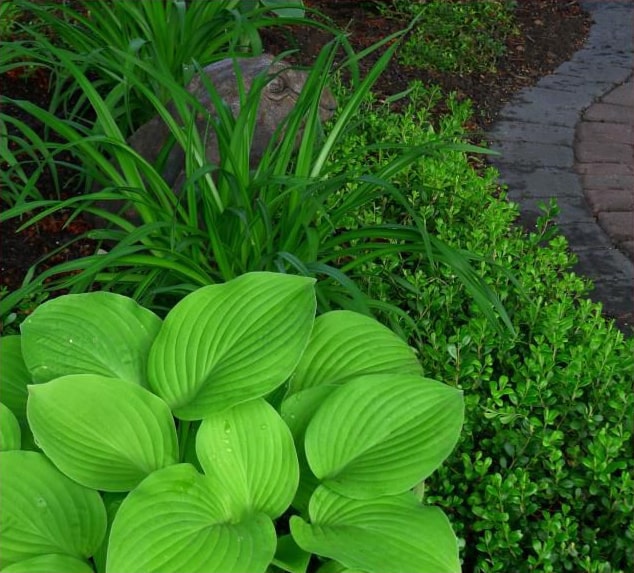
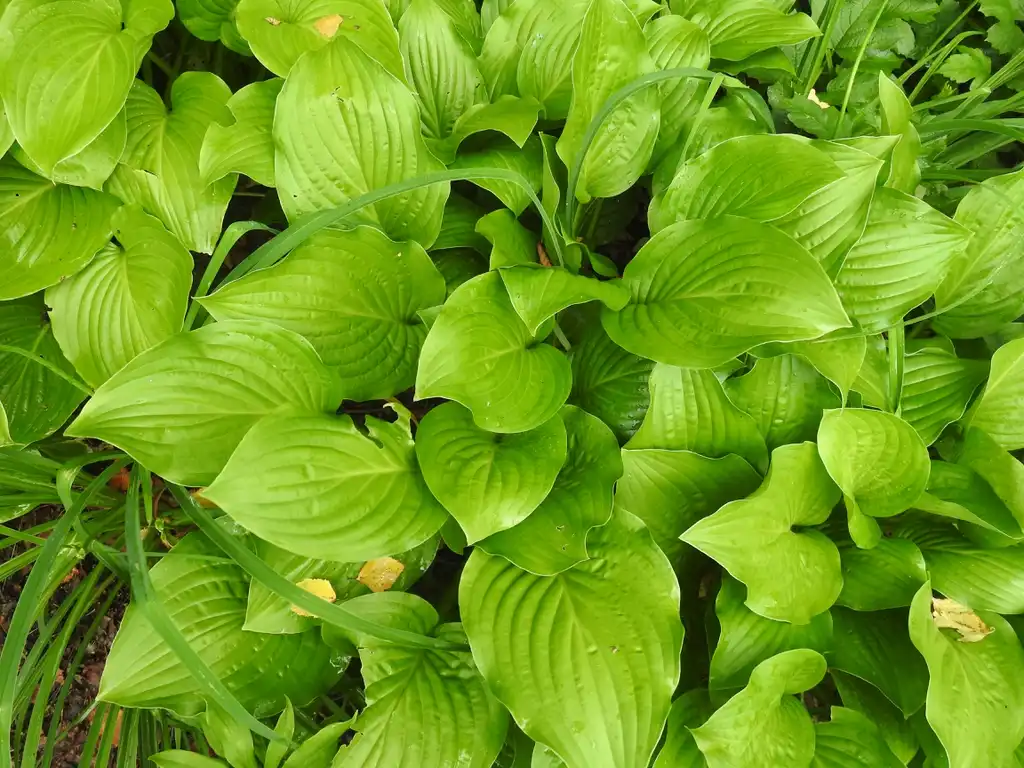
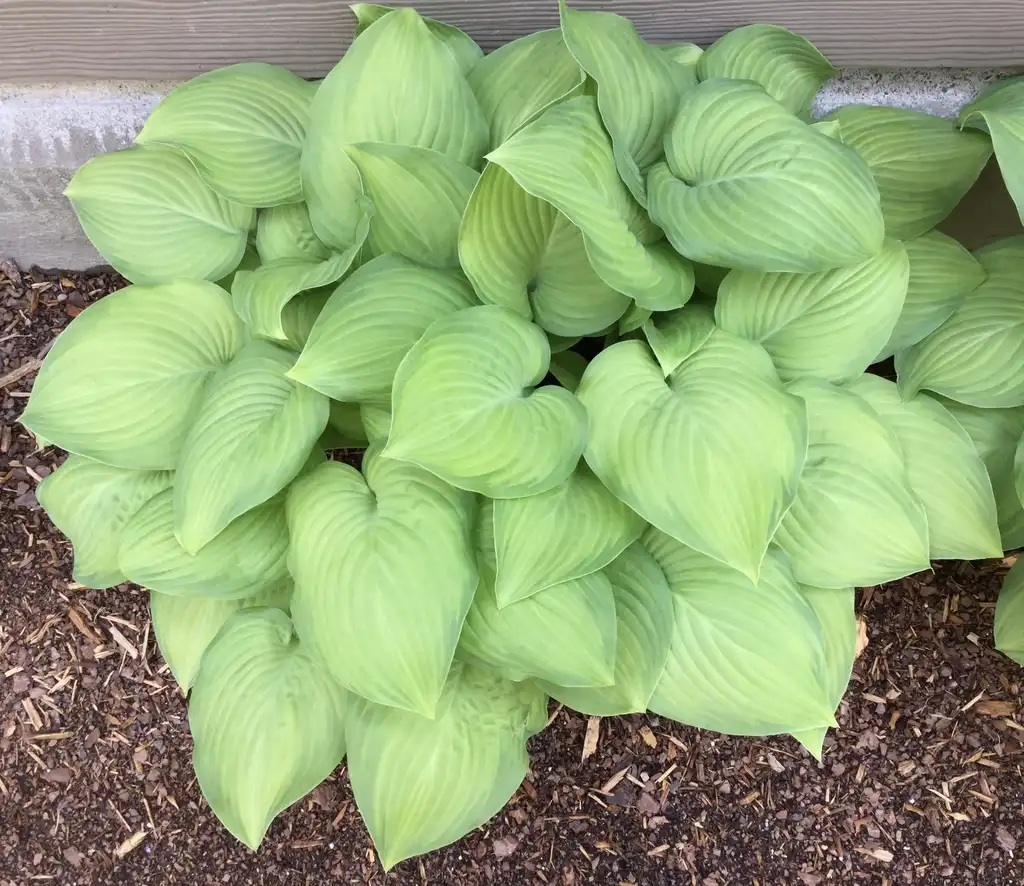
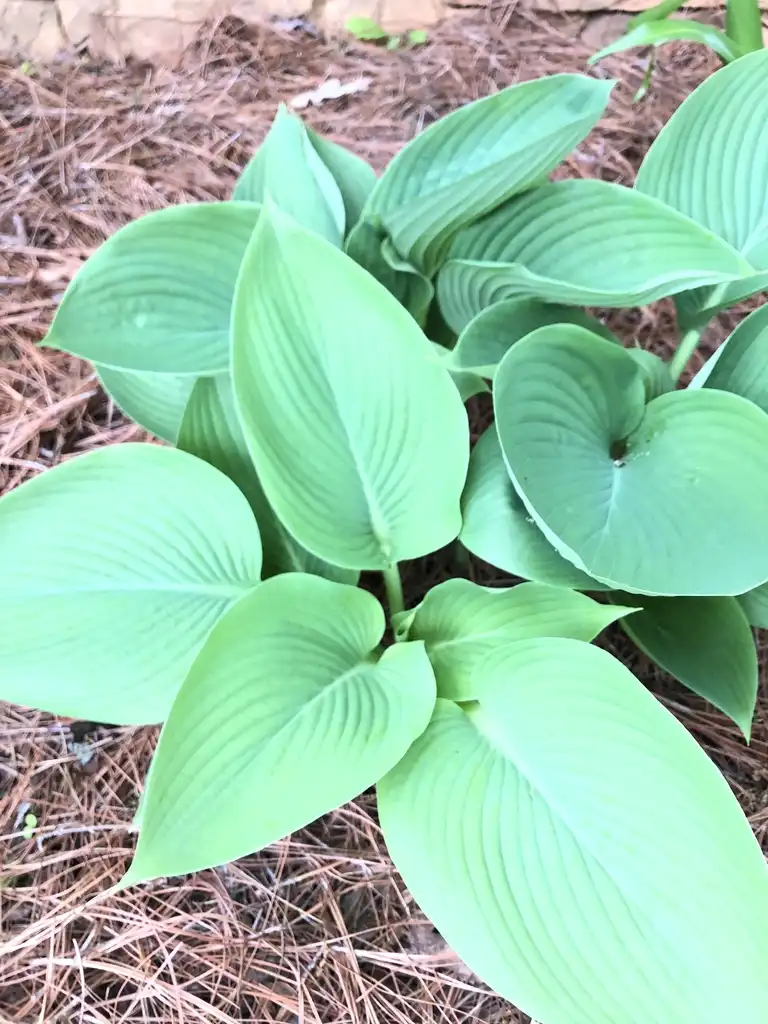
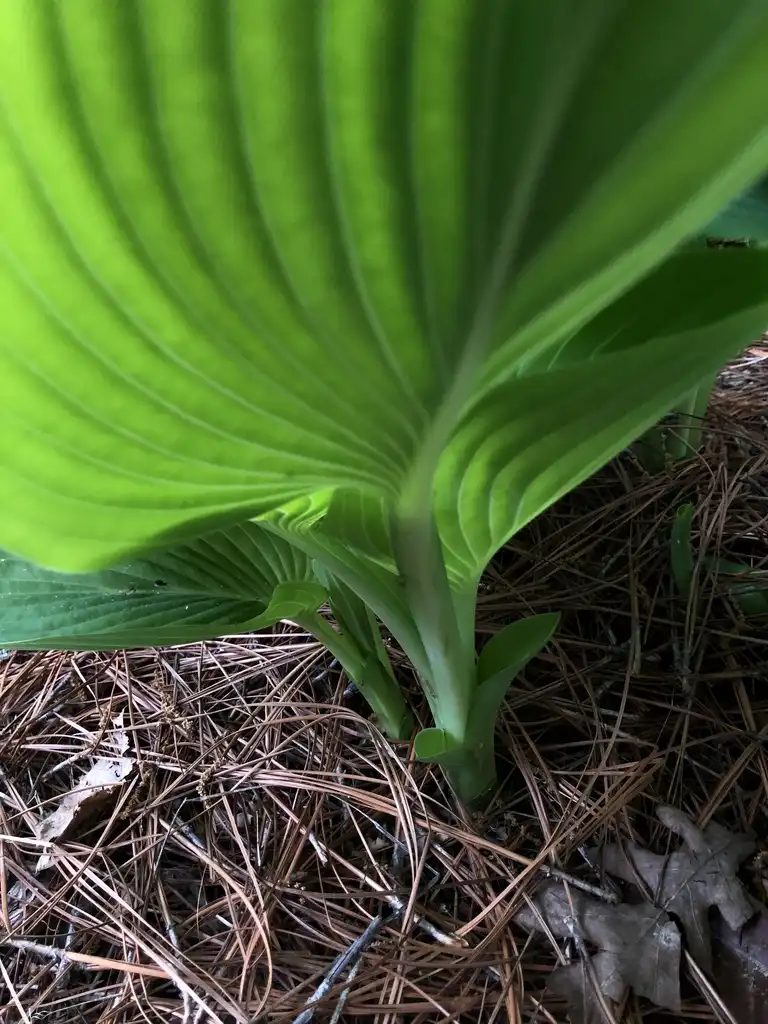
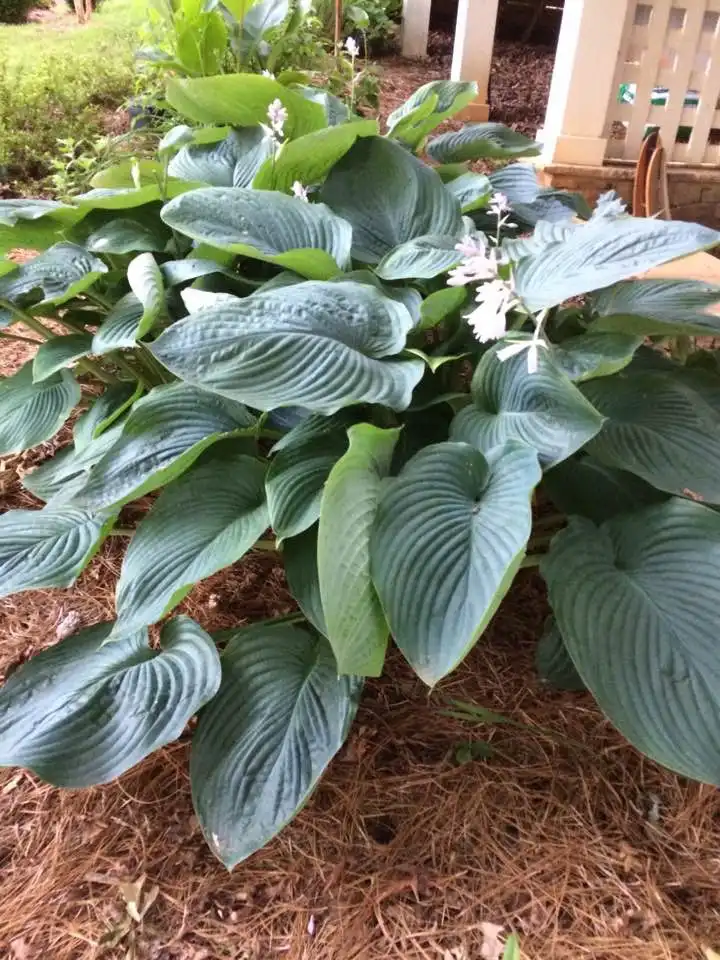
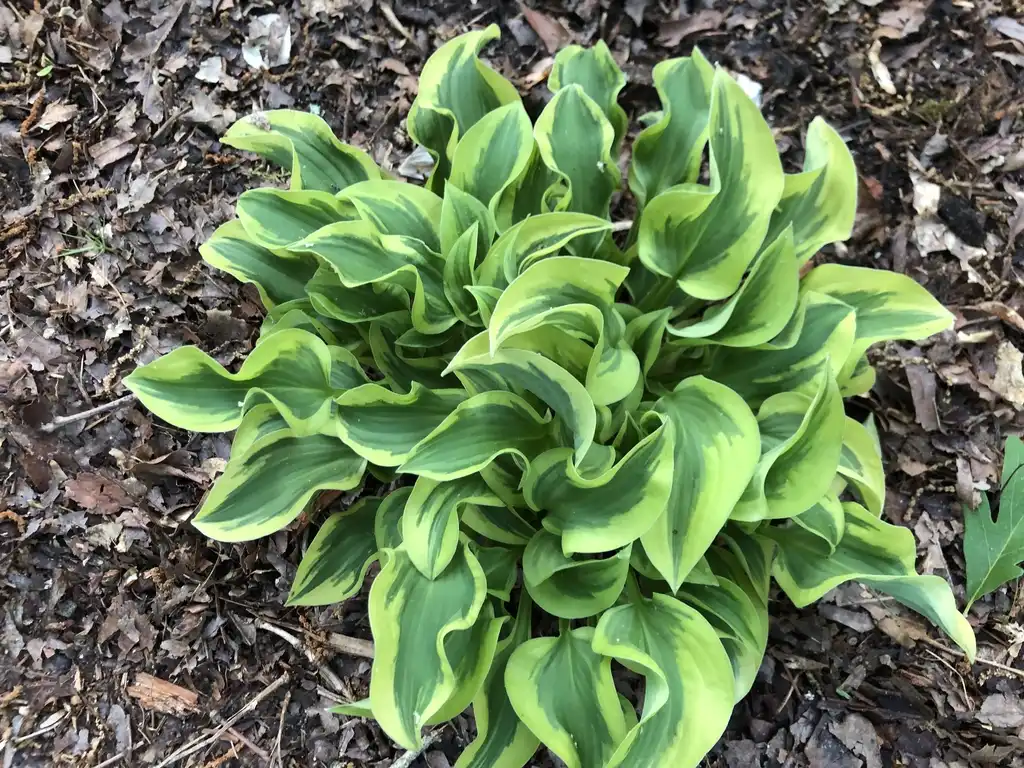
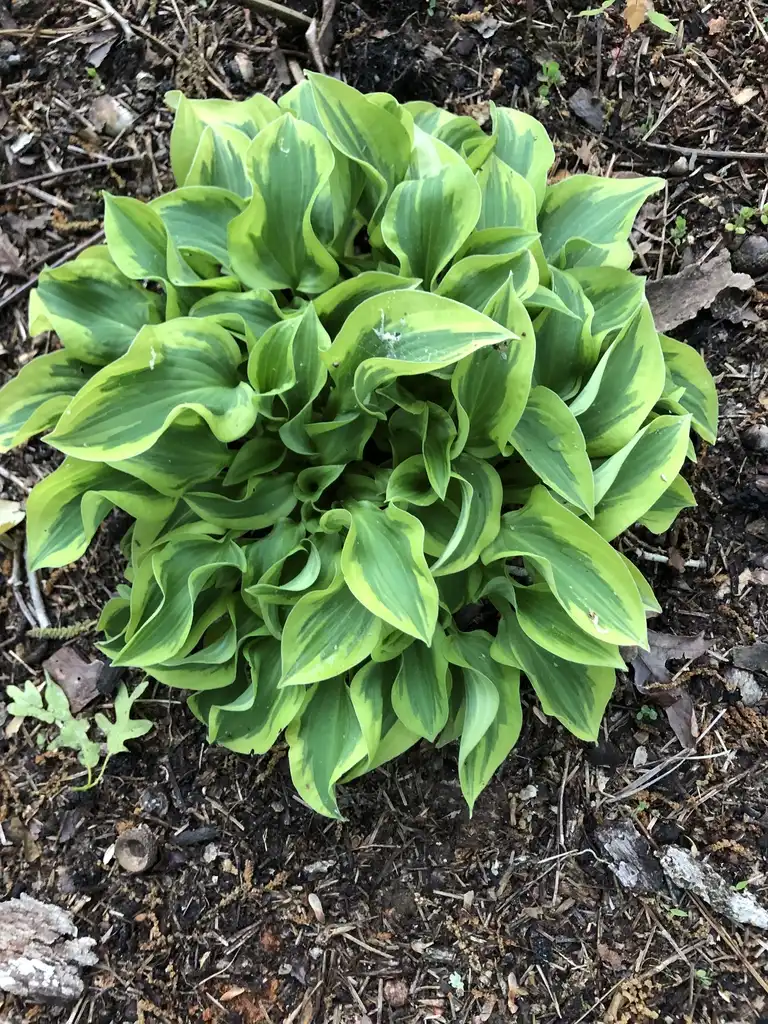
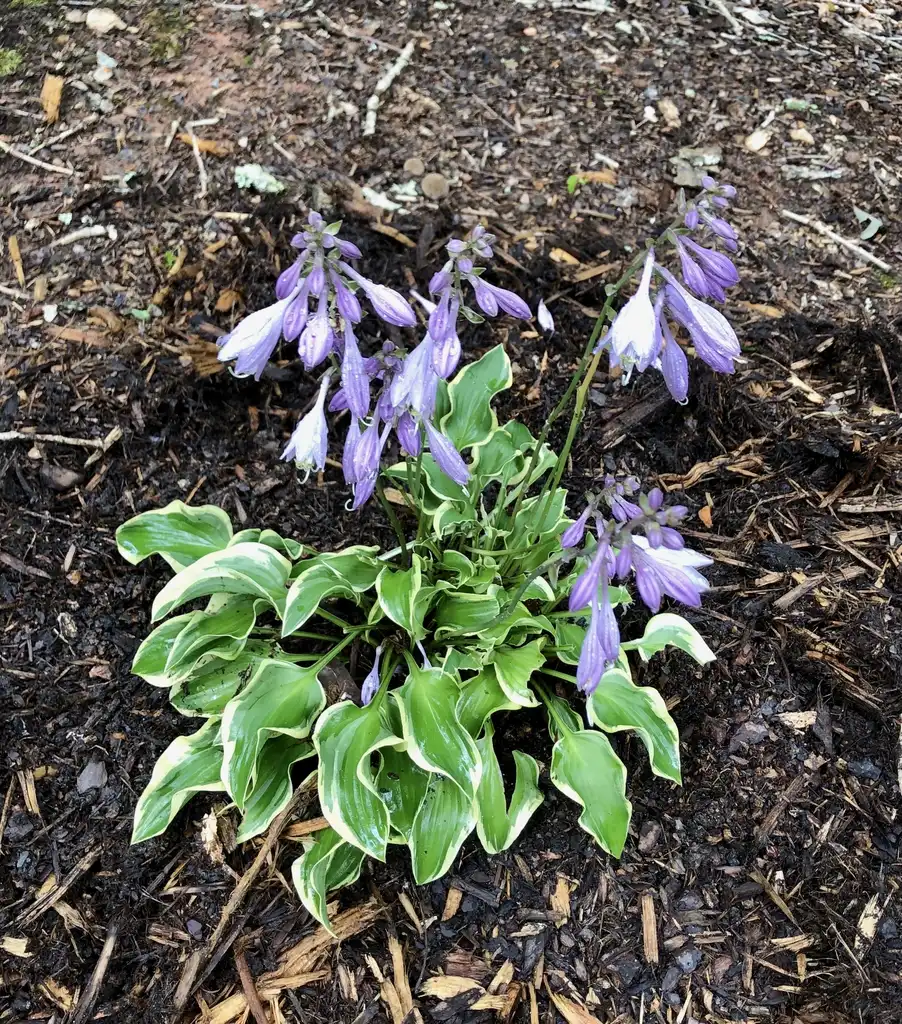
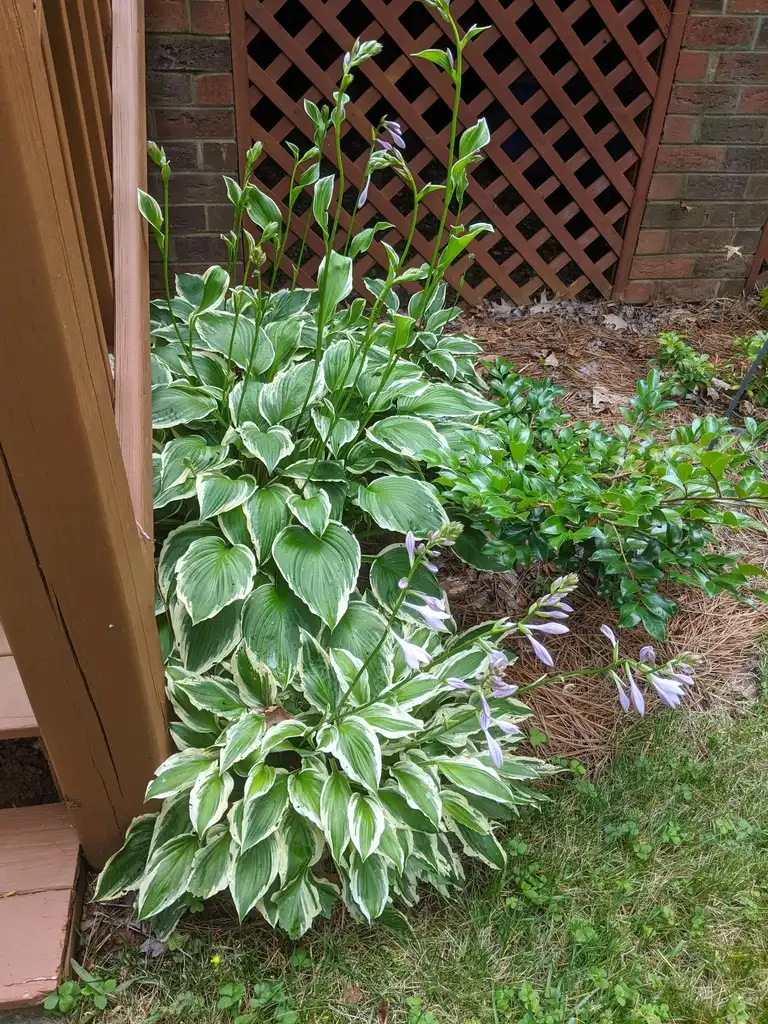
Hostas are perennial herbaceous plants belonging to the Lily family, which was formerly known as Agavaceae. Originating from Asia, these plants typically reach heights between 1.5 and 2.5 feet. They exhibit a clumping or mound-like growth habit, supported by short, sometimes stoloniferous rhizomes. For optimal growth, Hostas should be planted in areas that receive partial to full shade, preferably in soil enriched with organic matter.
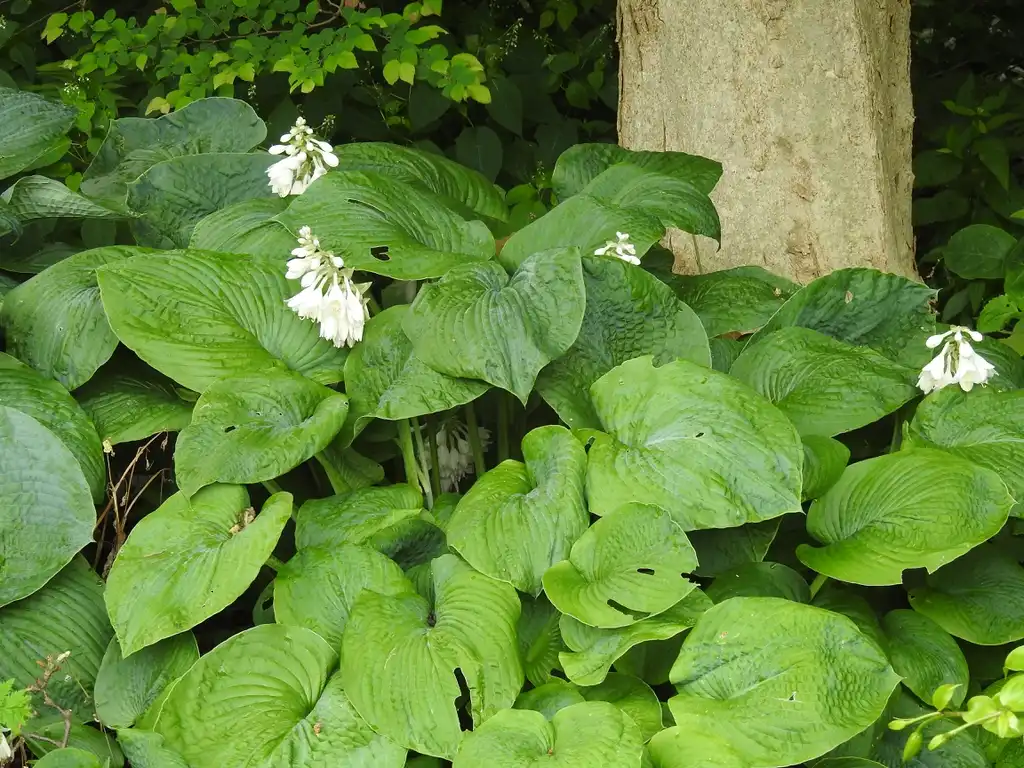
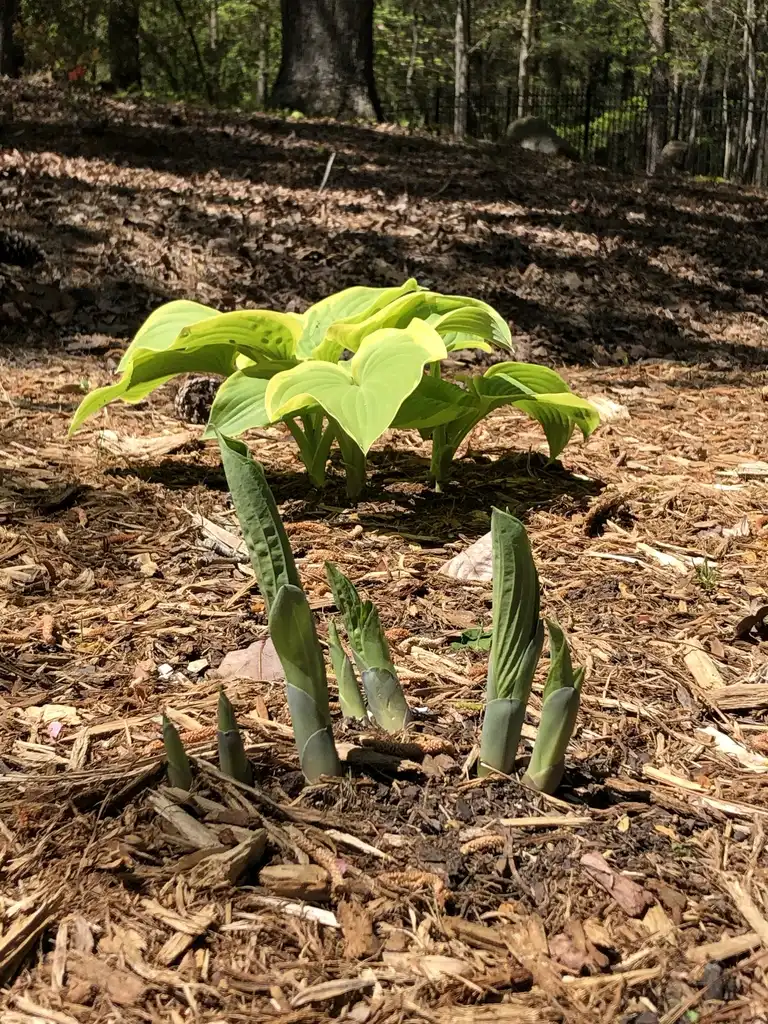
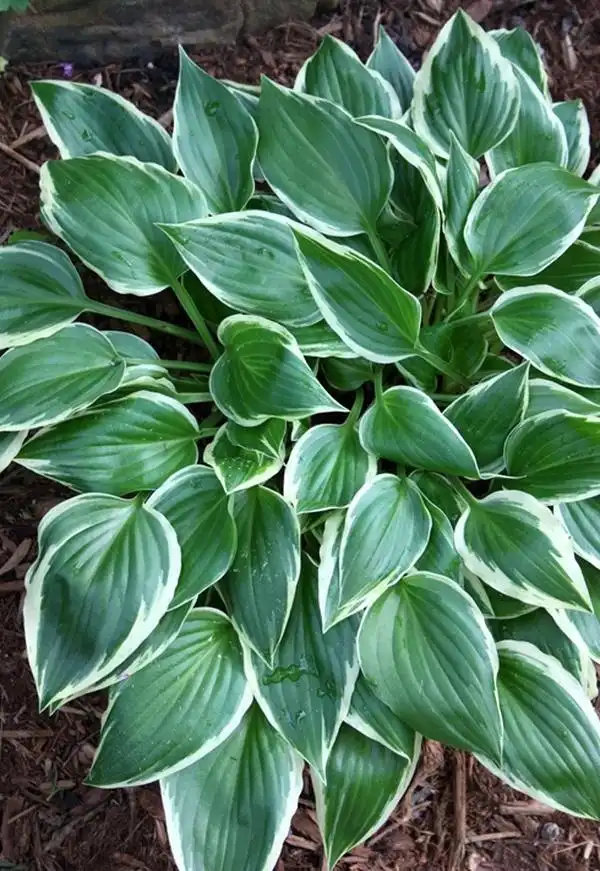
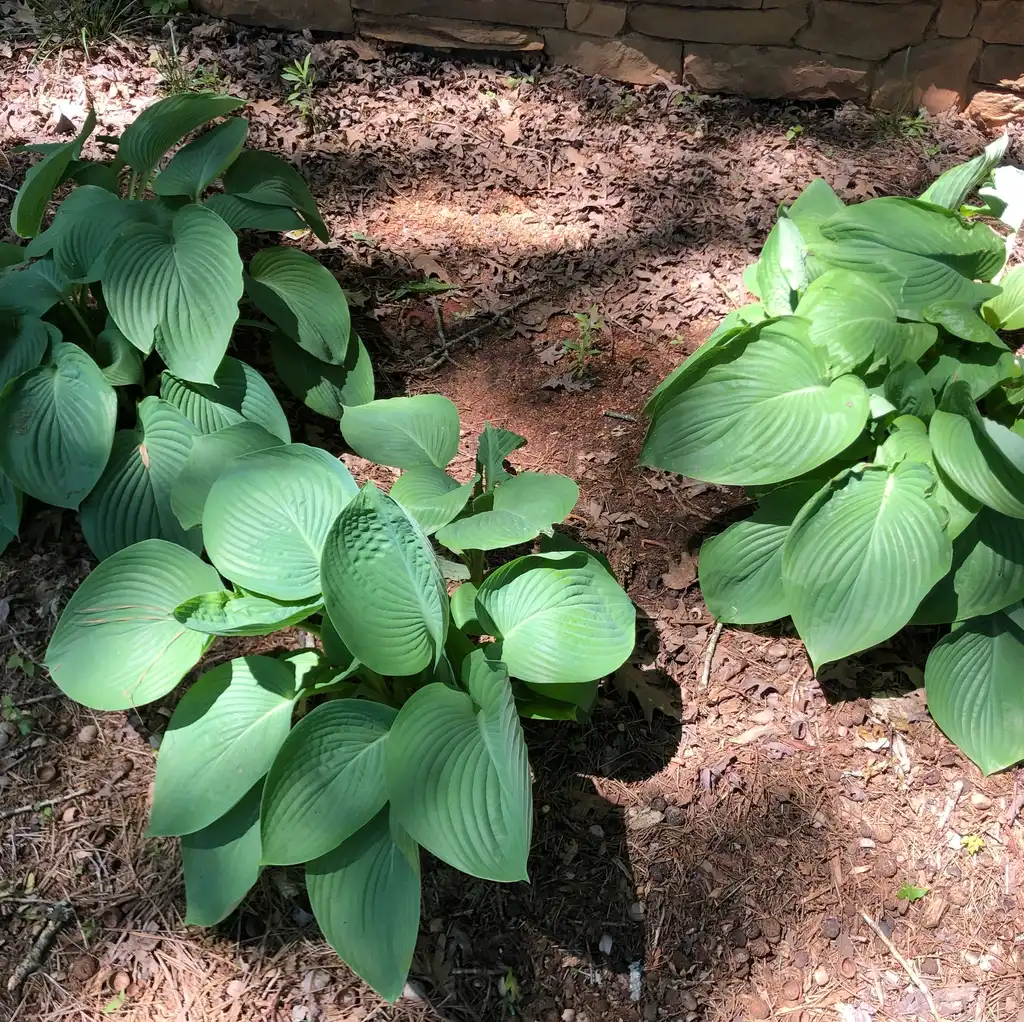
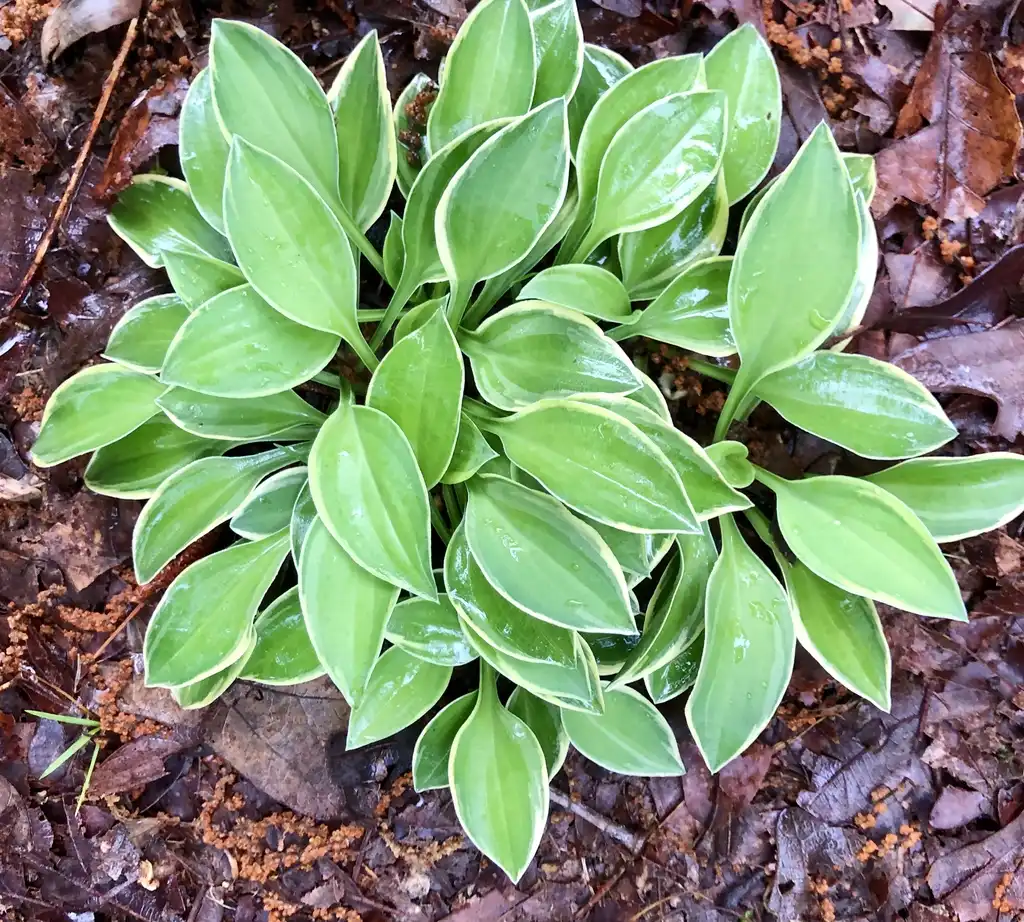
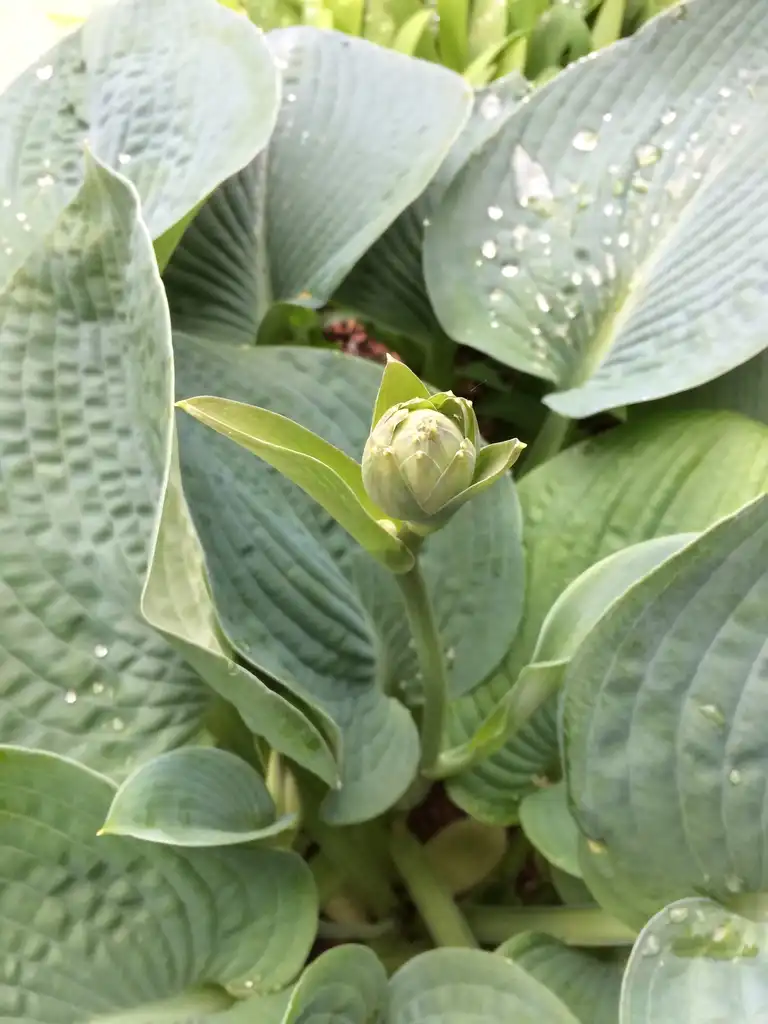
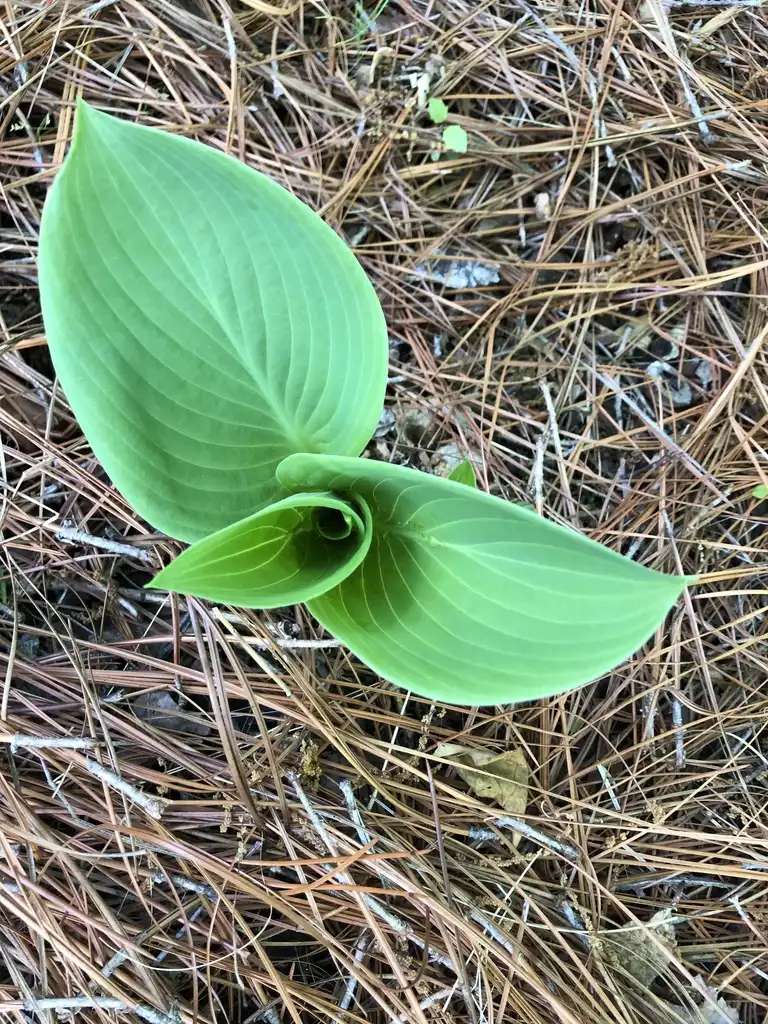
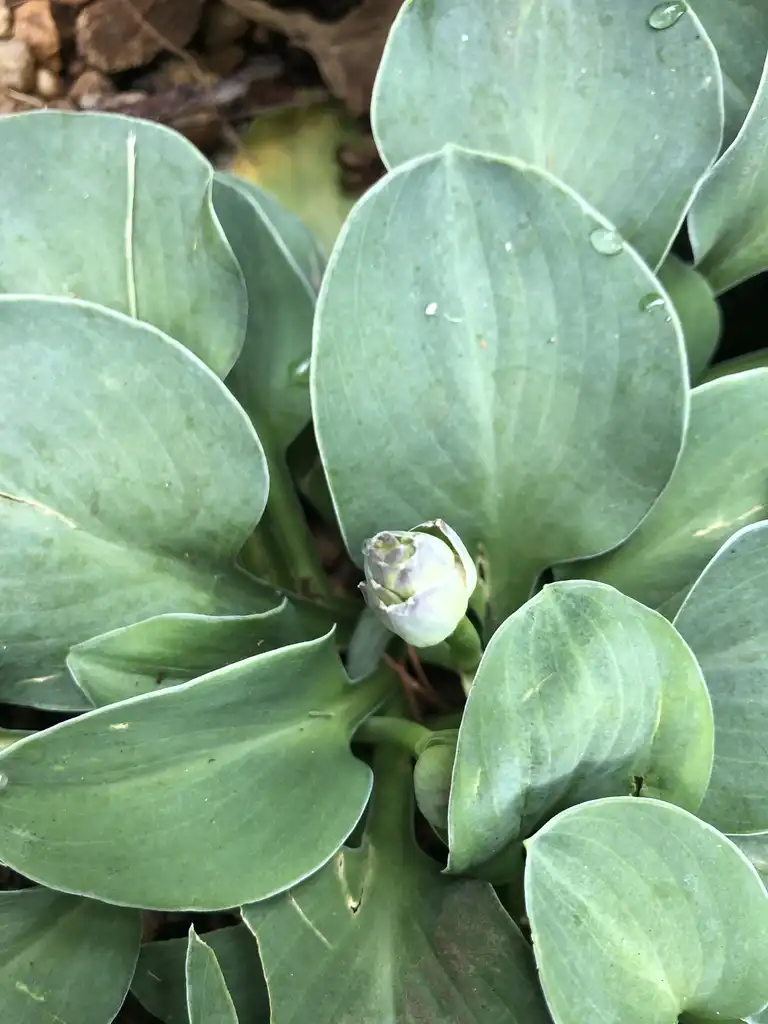
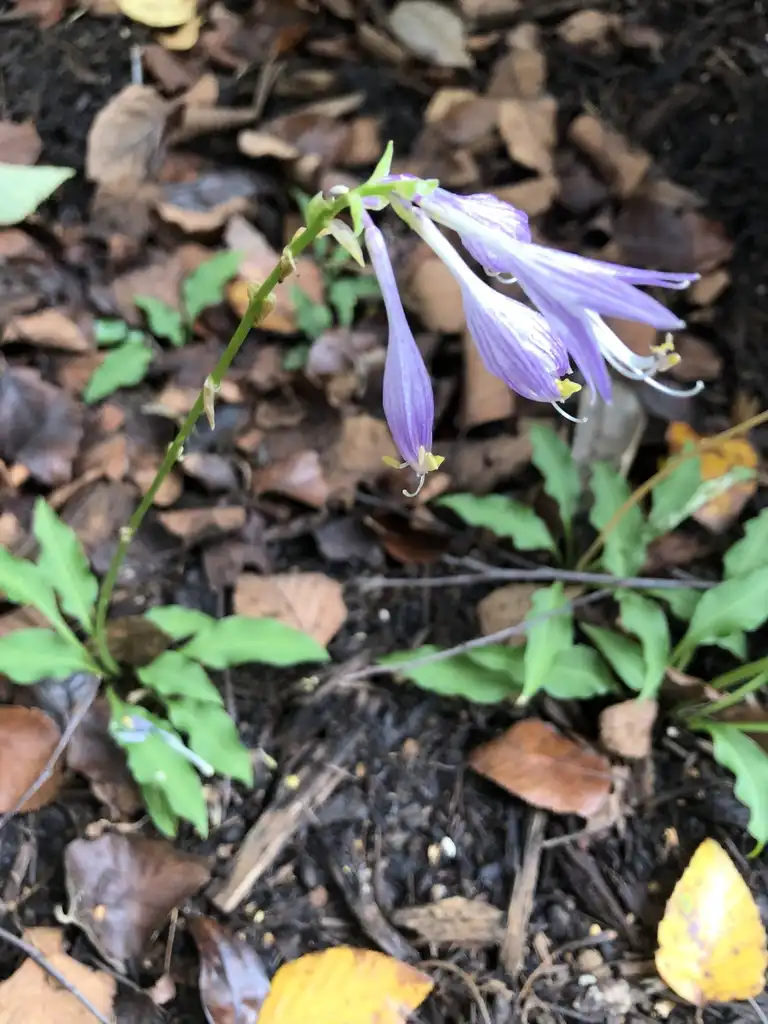
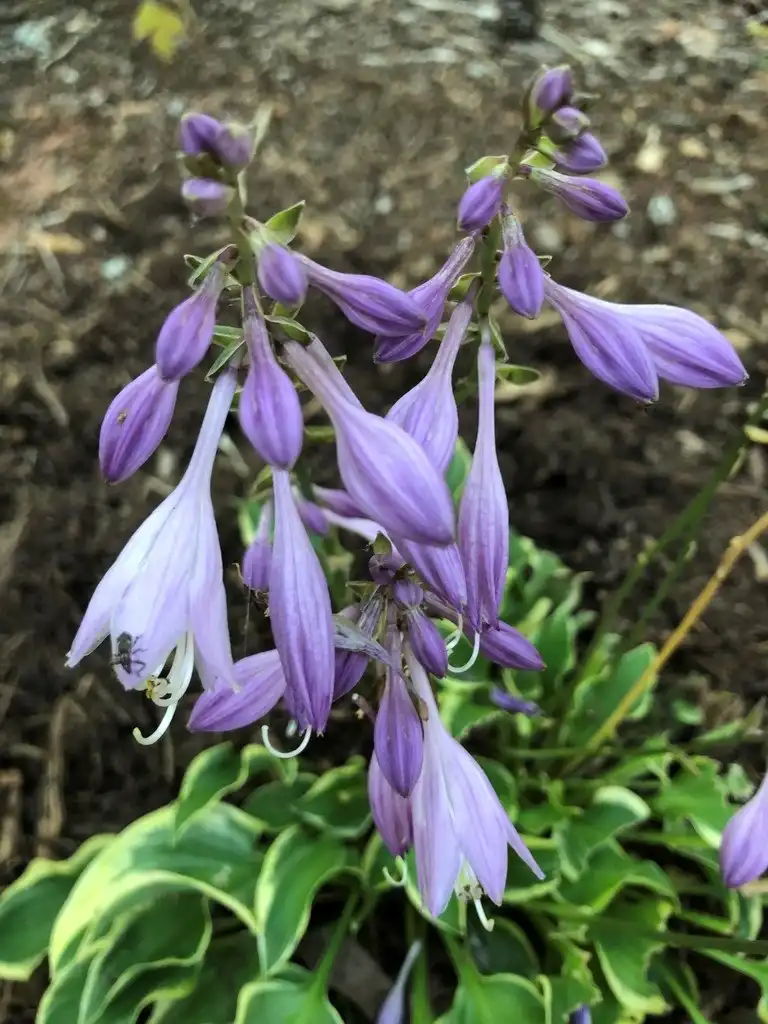
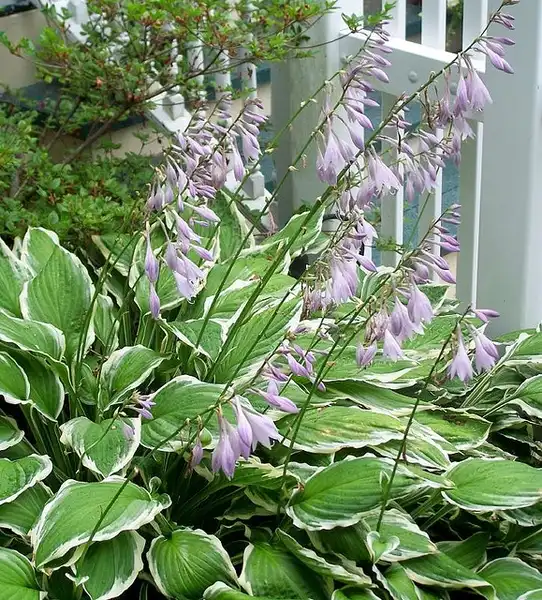
Most Hosta varieties are cultivated primarily for their impressive foliage rather than their flowers. Blue-leaved varieties thrive in shaded conditions, while those with green leaves can tolerate more sunlight. They produce blooms from late summer to early fall, featuring tubular flowers that range in color from white to lilac. It is advisable to divide Hostas in early spring as new leaves begin to emerge.
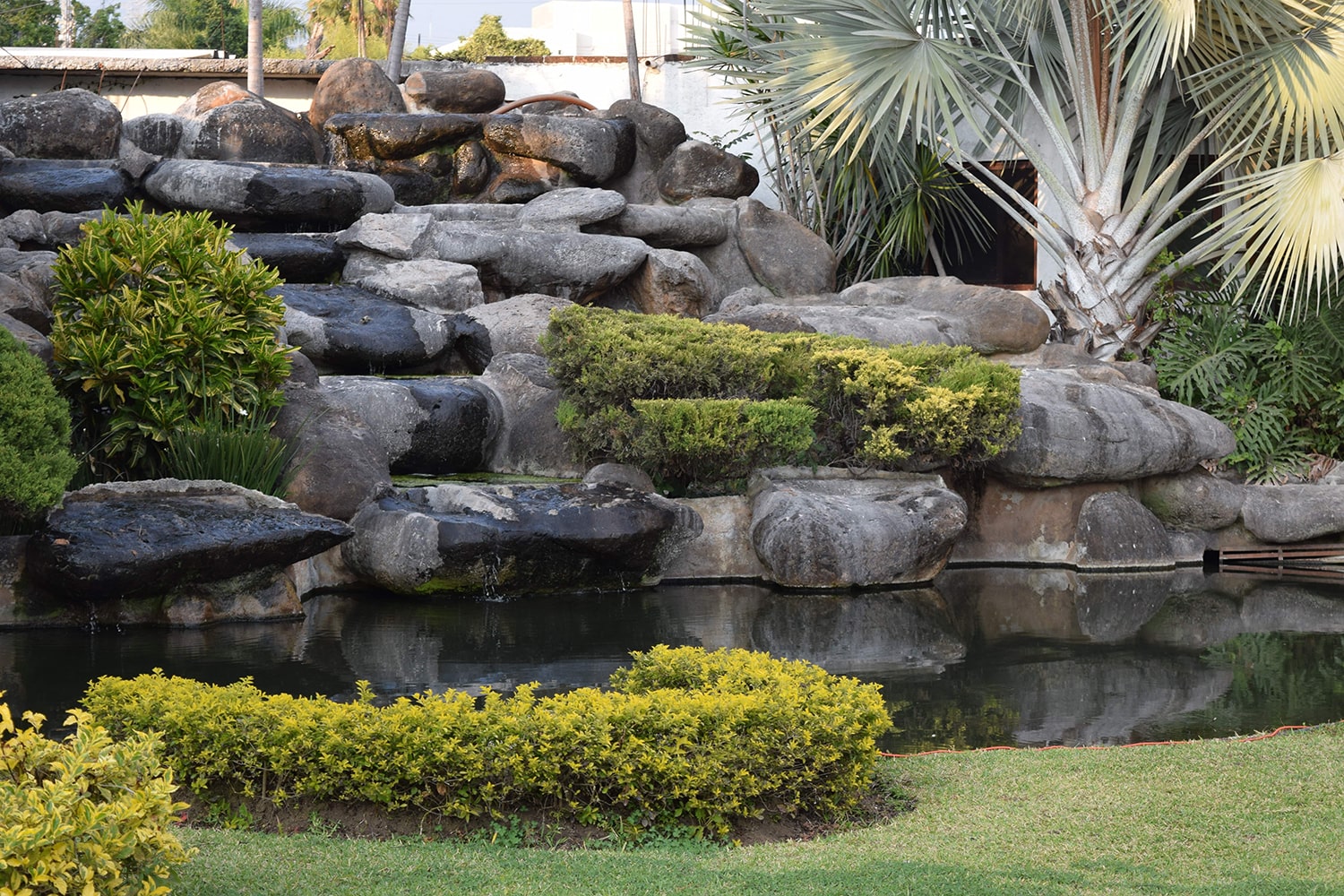
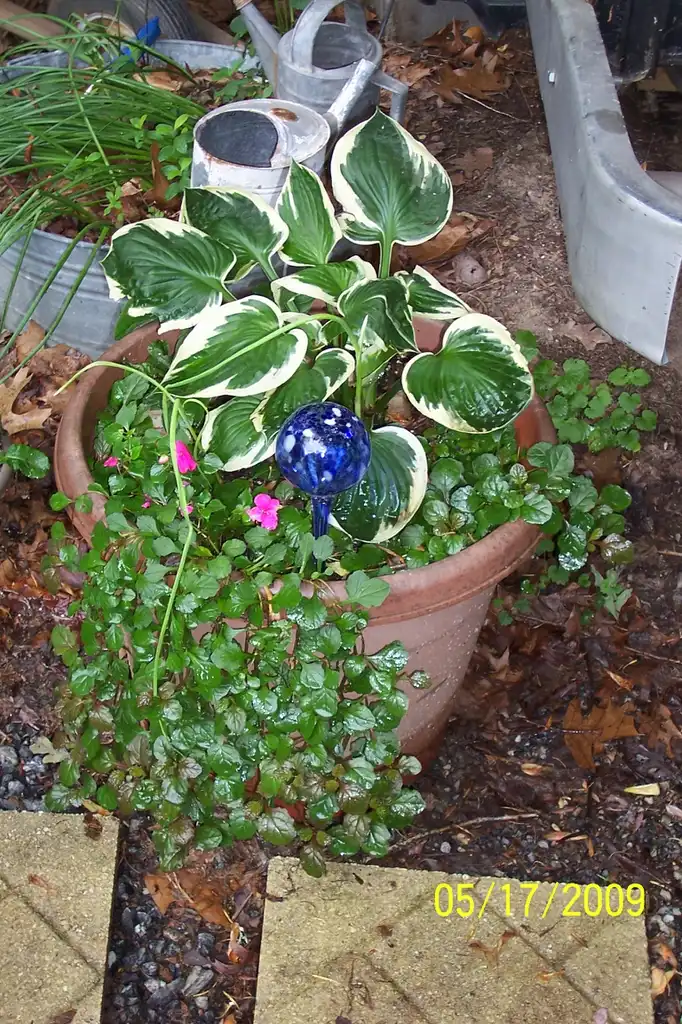
These plants are ideal for mass planting in perennial beds, beneath tall trees, around pools, in rock gardens, within planters, as edging, or in naturalized settings. They also exhibit a slight tolerance to salt.
**Quick Identification Tips:**
**Pests, Diseases, and Other Issues:** Hostas may occasionally face challenges from slugs and chewing insects. They can also suffer from leaf spots and rot. Additionally, these plants are often favored by deer, leading to frequent damage.