Spinacia oleracea: Country Or Region Of Origin
Central Asia to SW. Siberia
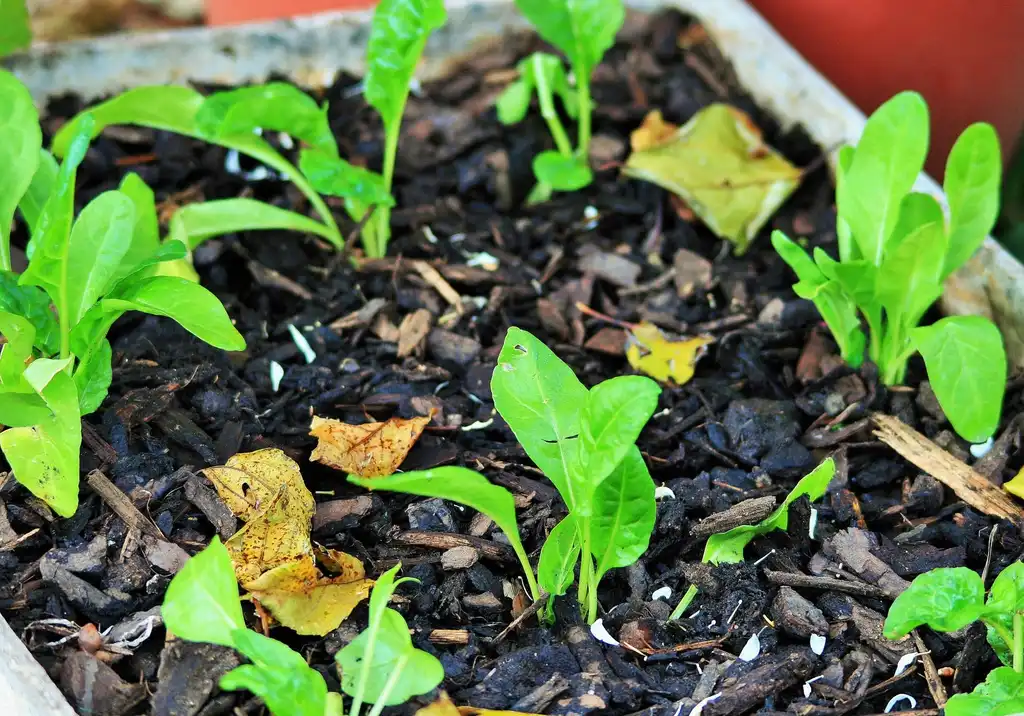
Phonetic Spelling:spin-AH-see-ah awl-lur-RAY-see-ah
Genus:Spinacia
Species:oleracea
Family:Amaranthaceae
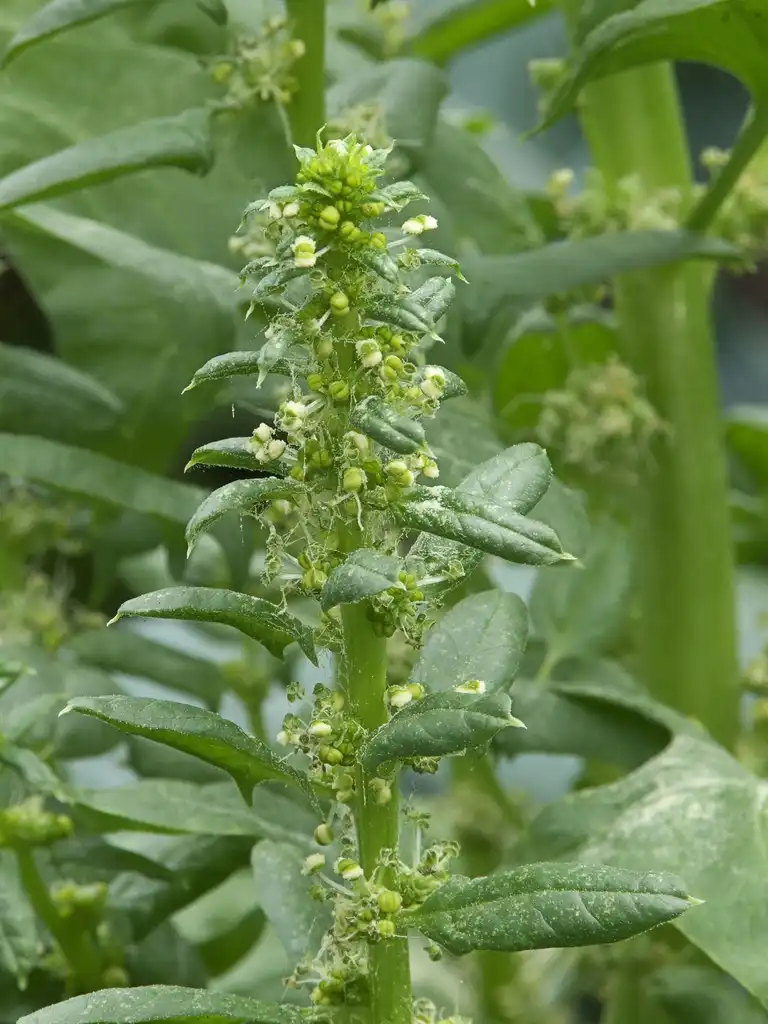
Spinach, a member of the Amaranth family, is a popular annual vegetable cultivated primarily for its nutritious leafy greens, which are commonly used in salads and various cooked dishes. This versatile plant can be easily grown at home, whether in containers or garden beds, and it thrives in areas that may be too shady for many other vegetables.
For optimal growth, spinach prefers moist, nutrient-rich, well-drained soil and can flourish in full sun to light shade, tolerating around 3 to 4 hours of sunlight daily. Some shade can be advantageous during hot weather. When planting, seeds should be sown 1/4 to 1/2 inches deep and thinned to a spacing of 2 to 3 inches apart. For spring harvests, seeds can be directly sown in early spring or started indoors about 8 weeks before the last frost for later transplanting. For fall crops, seeds can be sown indoors early or directly in the ground once the summer heat has subsided. To ensure a prolonged harvest, it’s beneficial to plant seeds every one to two weeks. Spinach is somewhat frost-resistant and can endure temperatures as low as 20°F. It can also be cultivated in containers as small as 1 gallon and as shallow as 4 to 6 inches.
Leaves can be harvested at any size, and the plants will continue to produce new foliage after picking, particularly when leaves are harvested while still small, allowing for ongoing harvests throughout the growing season. Spinach thrives in the cooler temperatures of spring and fall but is sensitive to the longer days and heat of summer, which can cause the plants to "bolt" and produce flowering stalks. This bolting process halts leaf growth and can lead to a bitter taste, so it is advisable to choose bolt-resistant varieties if growing spinach in warmer climates during spring.
While raw spinach leaves are safe to consume, they contain oxalates that may hinder the absorption of iron and calcium. Cooking spinach in multiple changes of water can help reduce these oxalate levels.
Spinacia oleracea Feature Summary
Spinacia oleracea Image Gallery