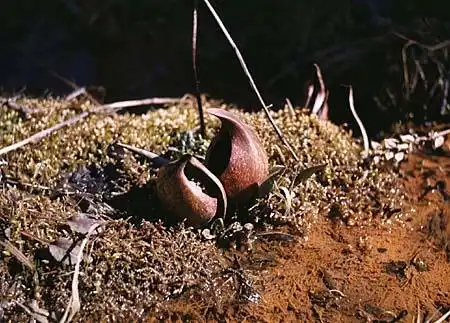
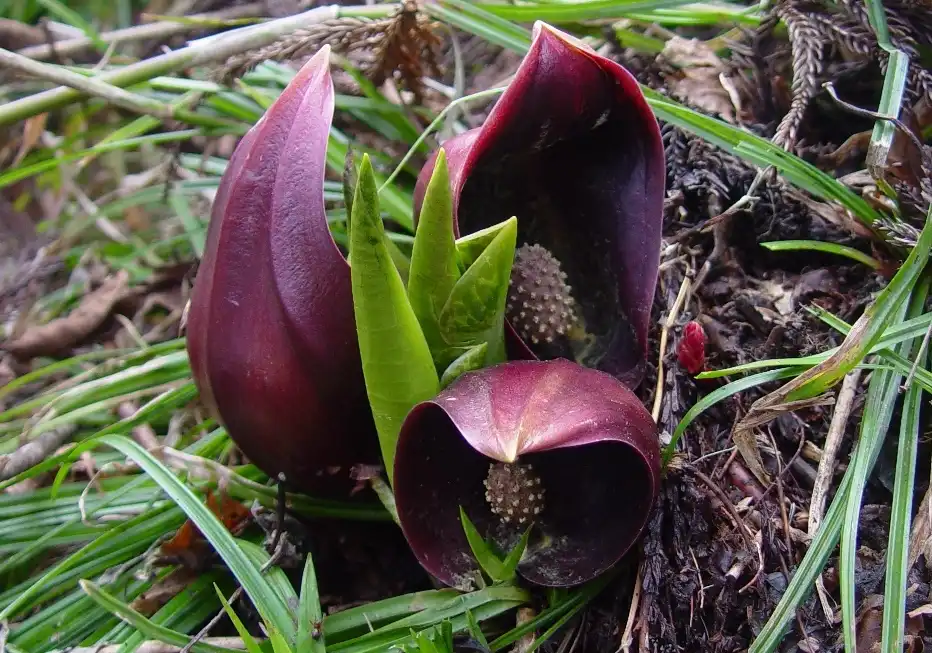
• Photo of Symplocarpus foetidus (Symplocarpus foetiduss)

Plant Profile: Symplocarpus foetidus

Taxonomy: Symplocarpus foetidus

Names

Meadow Cabbage, Polecat Weed, Skunk Cabbage, Skunk Weed, Swamp Cabbage

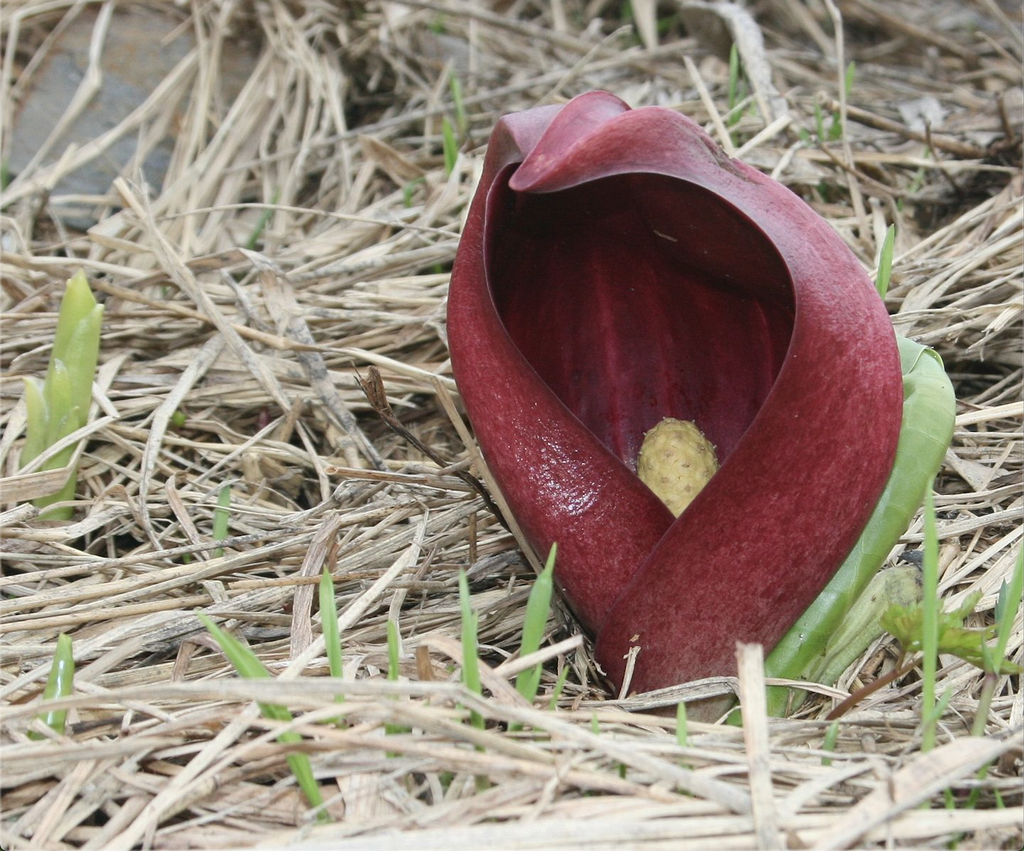
  • Photo of Symplocarpus foetidus (Symplocarpus foetiduss)

Phonetic Spelling:sim-plo-KAR-pus FET-uh-dus

Genus:Symplocarpus

Species:foetidus

Family:Araceae

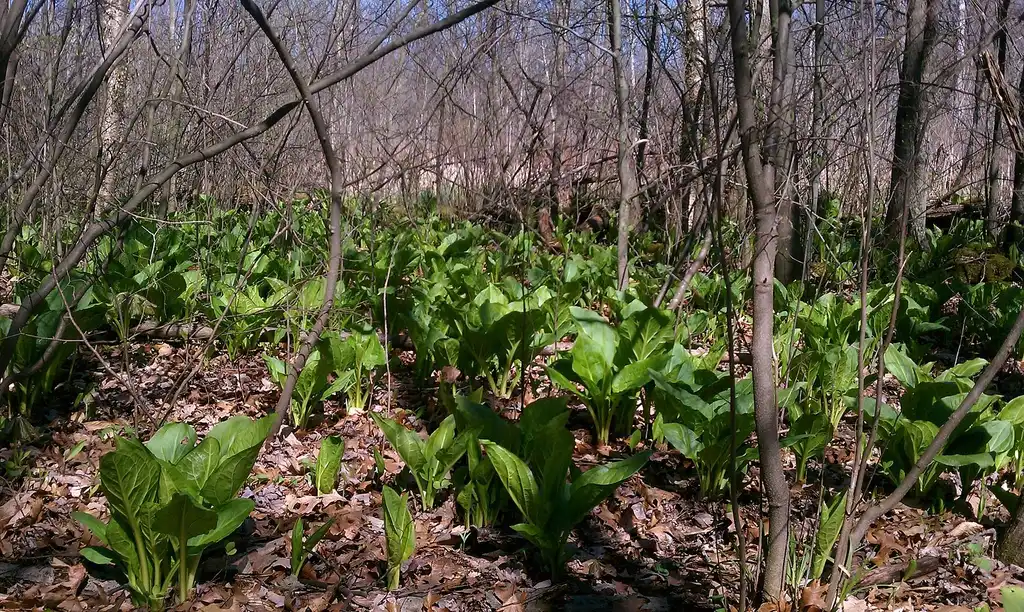
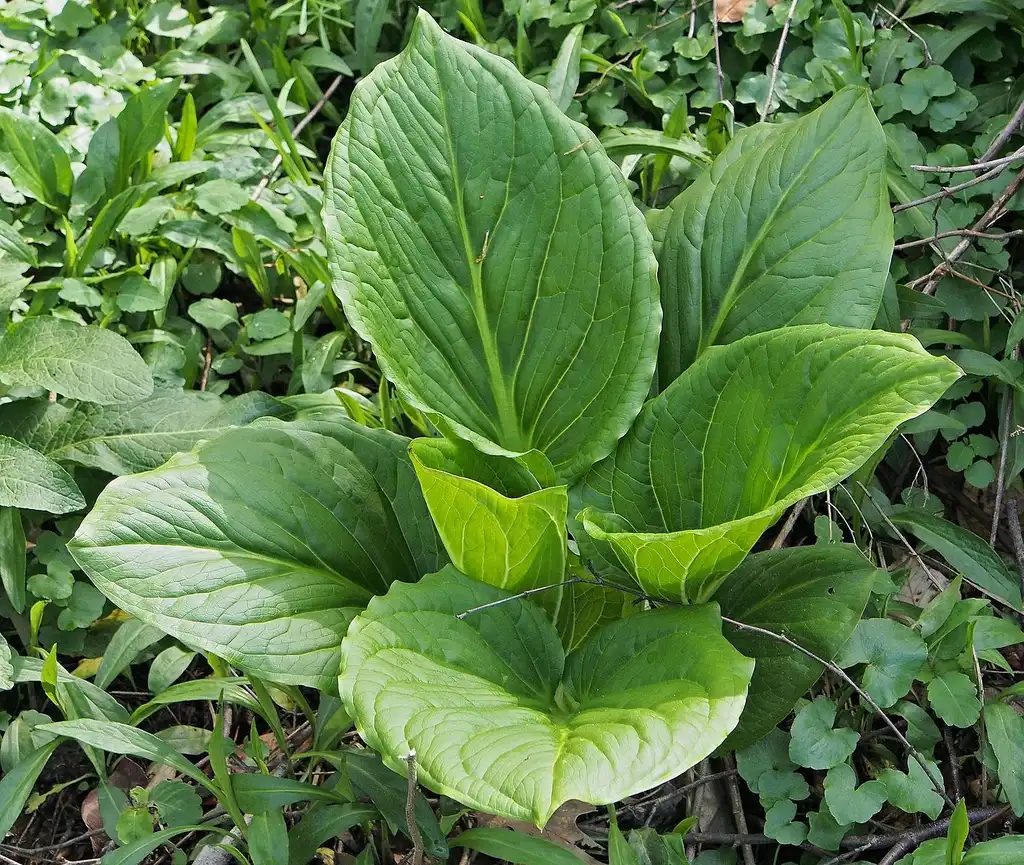
This is a perennial herb characterized by its large, heart-shaped leaves and small flowers, which are nestled in a dark spadix and encased in a purple-brown spathe, emitting a foul odor.

You can typically find this plant thriving in bogs, swamps, wet meadows, and extremely damp woodlands.

While it is deemed toxic, the young, unfurled leaves and roots are edible. It is crucial to gather these parts only from locations that have not been treated with pesticides. In early spring, collect the vibrant green, unfurled leaves. To clean the young shoots and roots, soak them in warm water to eliminate dirt and debris, avoiding the use of dish soap or sanitizers, as these can leave harmful residues.

Handle the leaves with care after harvesting, as bruised leaves will emit an unpleasant odor, which dissipates upon cooking. Boil the leaves for 20 minutes, changing the water at least twice with fresh, boiling salted water, and serve them like any other greens. The roots, however, are quite bitter and can cause a burning sensation when raw. To prepare them, peel and chop into small pieces, roast in an oven for at least an hour, and then grind them in a flour or coffee grinder until finely processed. This powder can be incorporated into bread dough or muffin batter.

Symplocarpus foetidus Feature Summary

Symplocarpus foetidus Image Gallery

Tags

#poisonous
#perennial
#NC native
#spadix
#native garden
#native wildflower
#wildflower garden
#problem for cats
#problem for dogs
#problem for horses

Similar Plants

Symplocarpus foetidus Feature Summary

Attributes
Eastern Canada to North Central & Eastern U.S.A
Perennial
Flowers
Fleshy purple to reddish-brown spathe wraps around a heavy round spadix. Tiny flowers grow on the spadix. Foul, skunk-like odor.
Purple/Lavender
Brown/Copper
Leaves
Large ovate to cordate (heart-shaped), ribbed leaves. Broad at the base. They are produced after flowering.
Poisonous to Humans
Burning and swelling of the lips, tongue, and throat. Nausea, excessive drooling, vomiting (not horses), difficulty swallowing, and diarrhea may also occur.
Calcium oxalate crystals plus unknown toxins
Seeds
Leaves
Stems
Sap/Juice
Flowers
Bark
Fruits
Roots
Whole Plant Traits
Perennial
Native Plant
Poisonous
Wildflower
Herb
Cultural Conditions
Mountains
Piedmont
Landscape
Native Garden
Problem for Cats
Problem for Dogs
Problem for Horses

Symplocarpus foetidus Attributes

Symplocarpus foetidus: Country Or Region Of Origin

Eastern Canada to North Central & Eastern U.S.A
Symplocarpus foetidus: Life Cycle

Annual
Biennial
Bulb
Perennial
Woody

Symplocarpus foetidus Flowers

Symplocarpus foetidus: Flower Description

Fleshy purple to reddish-brown spathe wraps around a heavy round spadix. Tiny flowers grow on the spadix. Foul, skunk-like odor.

Symplocarpus foetidus: Flower Color

filter_vintage
Brown/Copper
filter_vintage
Purple/Lavender

Symplocarpus foetidus: Flower Inflorescence

Catkin
Corymb
Cyme
Head
Insignificant
Panicle
Raceme
Solitary
Spadix
Spike
Umbel

Symplocarpus foetidus: Flower Bloom Time

Winter
Spring
Summer
Fall

Symplocarpus foetidus Leaves

Symplocarpus foetidus: Leaf Description

Large ovate to cordate (heart-shaped), ribbed leaves. Broad at the base. They are produced after flowering.

Symplocarpus foetidus: Leaf Shape

Acicular
Auriculate
Cordate
Cuneate
Deltoid
Elliptical
Filiform
Lanceolate
Linear
Oblanceolate
Oblong
Obovate
Obtuse
Orbicular
Ovate
Palmasect
Palmatifid
Peltate
Pinnatifid
Pinnatisect
Reniform
Rhomboidal
Spatulate
Subcordate
Subulate

Symplocarpus foetidus: Hairs Present

No
Yes

Symplocarpus foetidus Poisonous to Humans

Symplocarpus foetidus: Poison Symptoms

Burning and swelling of the lips, tongue, and throat. Nausea, excessive drooling, vomiting (not horses), difficulty swallowing, and diarrhea may also occur.

Symplocarpus foetidus: Poison Toxic Principle

Calcium oxalate crystals plus unknown toxins

Symplocarpus foetidus: Poison Severity

High
Low
Medium

Symplocarpus foetidus: Causes Contact Dermatitis

No
Yes

Symplocarpus foetidus: Poison Part

Bark
Flowers
Fruits
Leaves
Roots
Sap/Juice
Seeds
Stems

Symplocarpus foetidus Whole Plant Traits

Symplocarpus foetidus: Plant Type

Annual
Bulb
Carnivorous
Edible
Epiphyte
Fern
Ground Cover
Herb
Herbaceous Perennial
Houseplant
Mushroom
Native Plant
Ornamental Grasses and Sedges
Perennial
Poisonous
Rose
Shrub
Succulent
Tree
Turfgrass
Vegetable
Vine
Water Plant
Weed
Wildflower

Symplocarpus foetidus Cultural Conditions

Symplocarpus foetidus: NC Region

Coastal
Mountains
Piedmont

Symplocarpus foetidus Stem

Symplocarpus foetidus: Stem Is Aromatic

No
Yes

Symplocarpus foetidus Landscape

Symplocarpus foetidus: Landscape Theme

Asian Garden
Butterfly Garden
Children's Garden
Cottage Garden
Cutting Garden
Drought Tolerant Garden
Edible Garden
English Garden
Fairy Garden
Garden for the Blind
Native Garden
Nighttime Garden
Pollinator Garden
Rain Garden
Rock Garden
Shade Garden
Water Garden
Winter Garden

Symplocarpus foetidus: Problems

Allelopathic
Contact Dermatitis
Frequent Disease Problems
Frequent Insect Problems
Invasive Species
Malodorous
Messy
Poisonous to Humans
Problem for Cats
Problem for Children
Problem for Dogs
Problem for Horses
Short-lived
Spines/Thorns
Weak Wood
Weedy