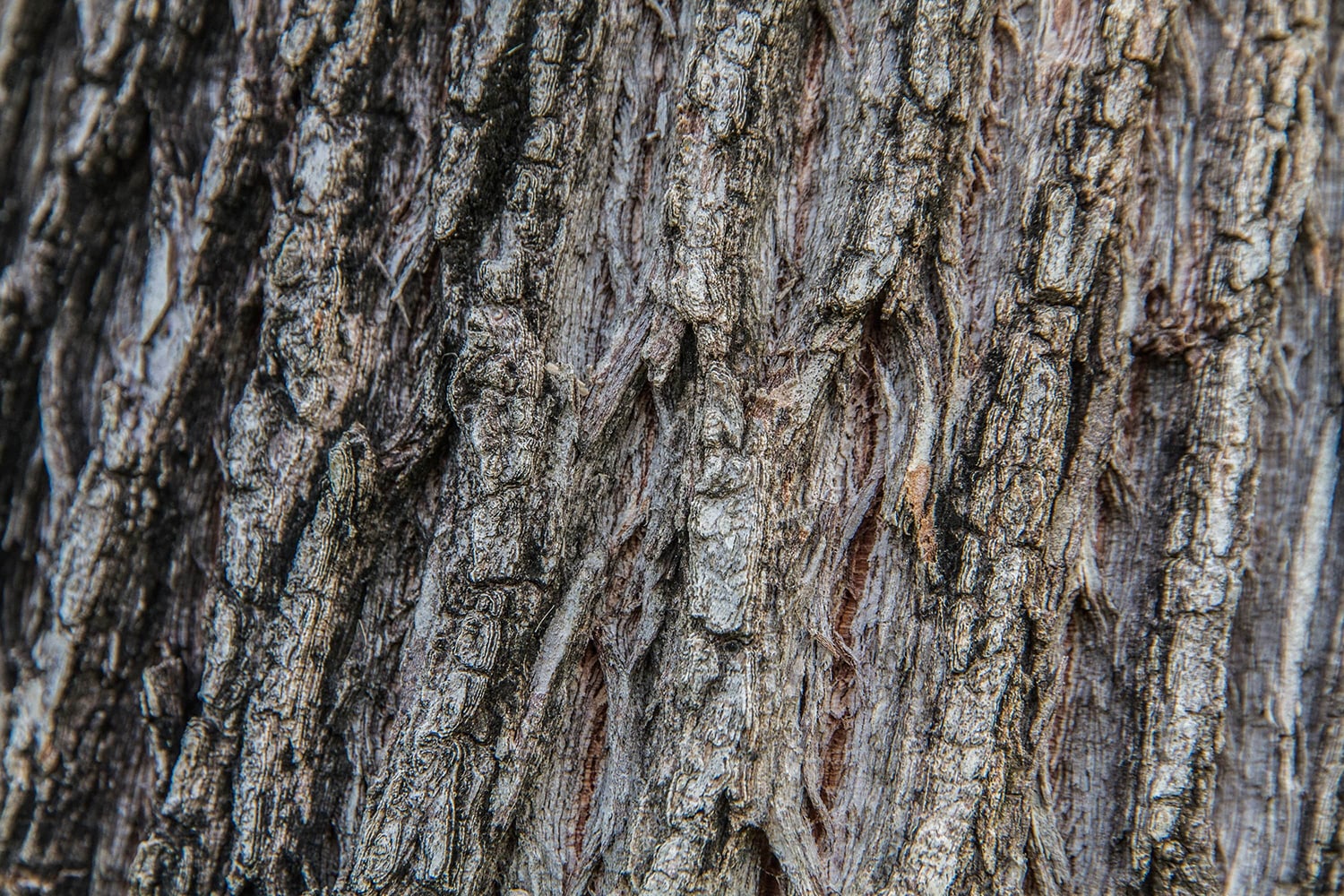
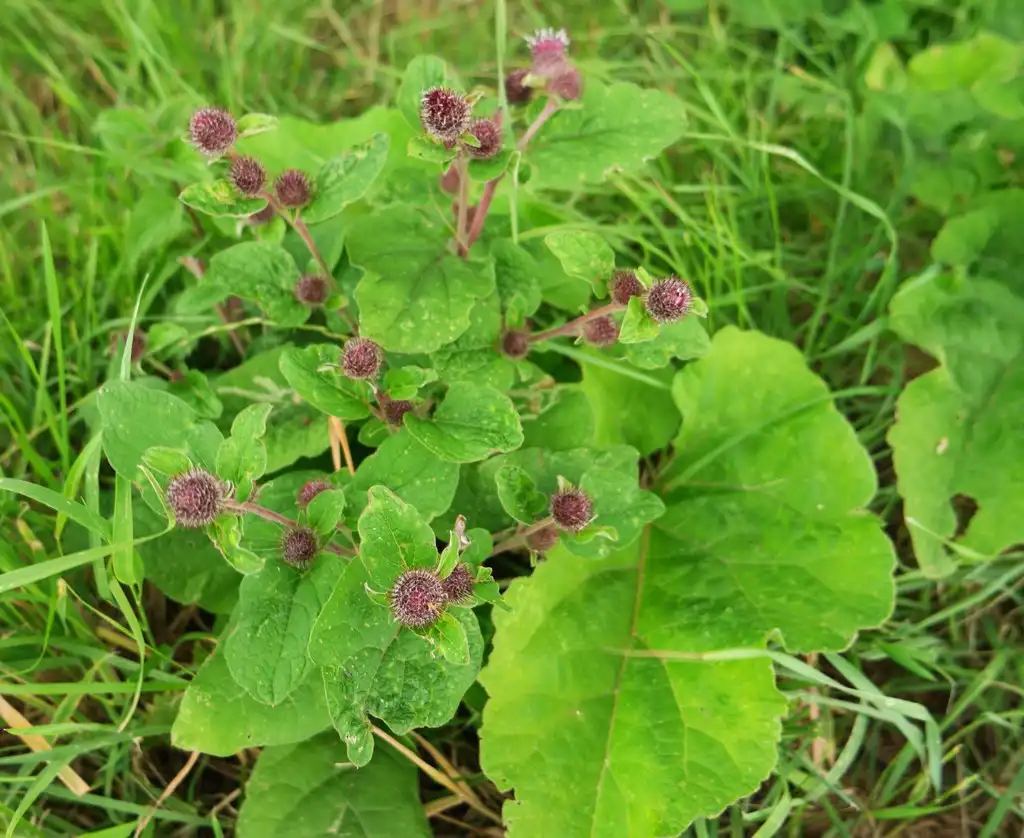
• Photo of Arctium minus (Arctium minuss)

Plant Profile: Arctium minus

Taxonomy: Arctium minus

Names

Bardane, Common Burdock, Lesser Burdock

  • Photo of Arctium minus (Arctium minuss)

Phonetic Spelling:ARK-tee-um MY-nus

Genus:Arctium

Species:minus

Family:Asteraceae

Common Burdock is a biennial wildflower from the Aster family, often regarded as a weed. Originally from Europe, it has spread extensively across various regions worldwide. Accidentally introduced to the United States, this resilient plant aggressively colonizes disturbed environments such as vacant lots, parks, roadsides, prairies, fields, and pastures. It is listed by the USDA as an introduced, invasive, and noxious species, prevalent throughout much of North America. While some states classify it as invasive, North Carolina has not yet done so. Once it takes root, Common Burdock is notoriously difficult to eliminate due to its deep taproots and the vast number of seeds it produces, which can remain viable for extended periods even after the plant is removed. A single plant can generate up to 15,000 seeds, allowing it to outcompete beneficial native flora.

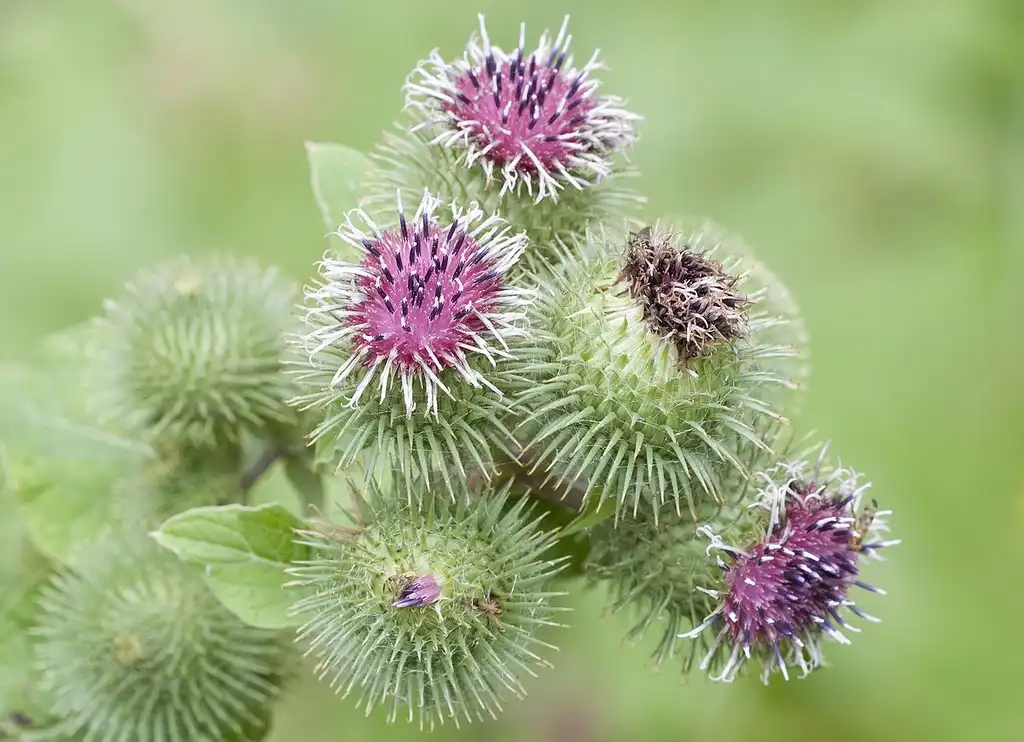
In its first year, Common Burdock develops a compact rosette of leaves. By its second year, it can grow to heights of 3 to 6 feet, featuring large, heart-shaped leaves and clusters of pink to purple thistle-like flowers on branched stems. The slender taproots can reach depths of up to one foot. The flowerheads, which are found at the top of the stems, consist of numerous disk florets surrounded by globular bracts that end in fine, sharp hooks, forming prickly burs. These burs facilitate seed dispersal by attaching to animals, birds, or hay bales, and they are notoriously difficult to remove. There have been reports of small birds and bats becoming entangled in these burs, leading to fatalities. The fruits, or achenes, within the burs contain tiny bristles (pappus hairs) that can easily become airborne, posing risks of severe irritation or infection to the eyes, skin, and respiratory systems of humans and animals alike, including dogs, horses, and livestock. In dairy animals, significant consumption of Common Burdock can taint milk. Bumblebees, honeybees, miner bees, and leaf-cutting bees collect pollen from its flowers and enjoy its nectar, while the foliage serves as a food source for the caterpillars of the Painted Lady butterfly. This plant thrives in full sun and prefers moist, well-drained soil rich in organic matter and nitrogen. However, it can also be susceptible to root rot and powdery mildew, which may adversely affect agricultural crops.

In various parts of Asia and beyond, Common Burdock is cultivated for its edible roots and stems, as well as for medicinal purposes. Cultivated varieties are typically sown from seed in the summer, with the first-year roots harvested by late autumn before they become too fibrous. The young stems can be peeled to reveal a pith that is edible as a vegetable.

**Insects, Diseases, and Other Plant Problems:** This plant is invasive and challenging to eradicate once established. It is prone to powdery mildew and root rot, which can negatively impact agricultural crops. The burs and bristles can cause serious eye, skin, or respiratory issues in humans, dogs, horses, and other livestock, and they are notoriously difficult to remove from animals and clothing.

Arctium minus Feature Summary

Arctium minus Image Gallery

Tags

#purple
#fall flowers
#lavender
#biennial
#weed
#edible weed
#purple flowers
#pink flowers
#weedy
#aggressive
#herbaceous
#summer flowers
#bracts
#fields
#globular
#old fields
#lavender flowers

Similar Plants

Arctium minus is often confused with:

Arctium minus Feature Summary

Attributes
This plant has been used in Europe and Asia as a food source (roots and leaves) as well as for medicinal purposes.
Native to Europe, Middle East, Baltic States and North Africa
Europe, Asia, North Africa, Canada and South America. In the U.S. it is found in the lower 48 states except Florida.
Bees, butterflies and skippers are attracted.
Primarily the roots are edible. Young leaves and immature flower stalks are also edible before flowers appear.
Biennial
Wildlife Food Source
Attracts Pollinators
Fruit
Achenes are oblong and have fine, minute bristles (pappas hairs) on one end that soon fall off and easily become airborne. These can be seriously irritating to humans or other mammals (particularly dogs, horses, or livestock) if exposed to eyes, skin, or the respiratory tract.
Brown/Copper
< 1 inch
Flowers
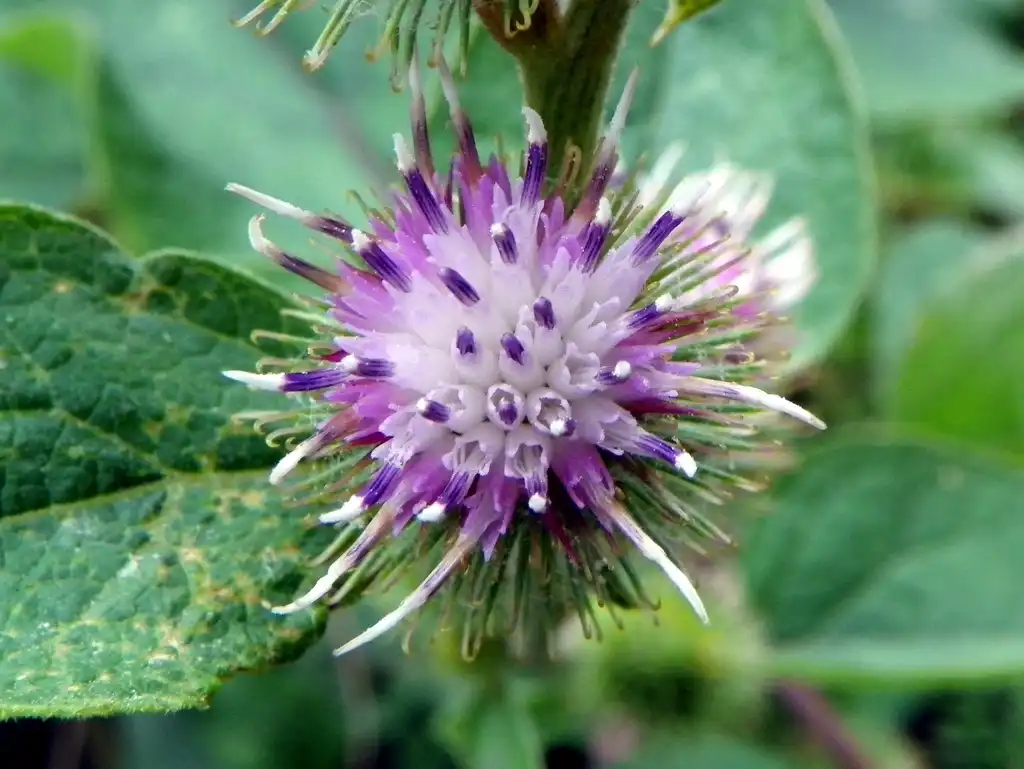
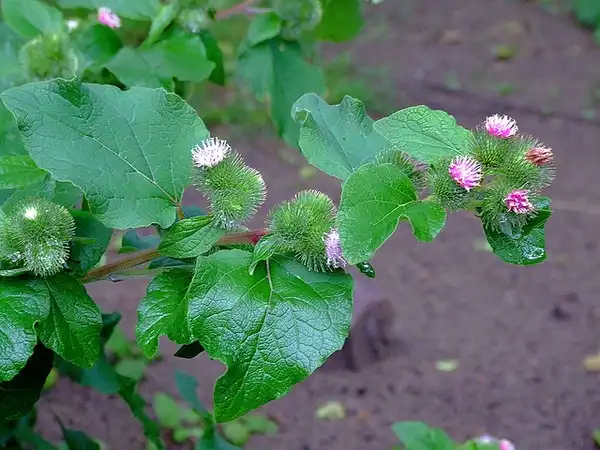
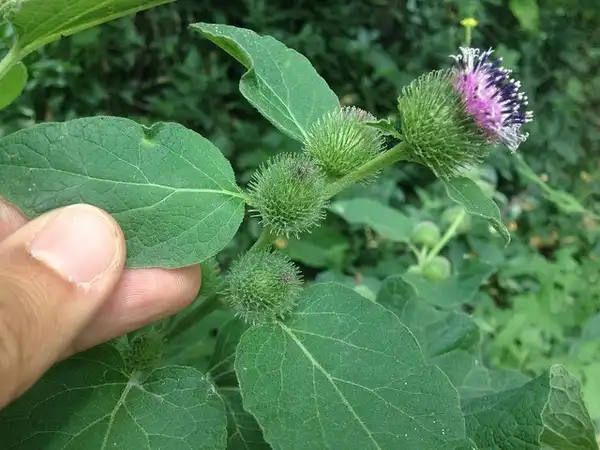
Pink to purple flowerheads are approximately 3/4-1 inch in size and arranged on stalks. Flowerheads are comprised of many disk florets and needle-thin bracts that terminate in a sharp, hooked tip. There are no ray florets on the flowerhead. After flowers whither, the globular bracts turn brown and enclose the flowers, forming a spiked bur covered with looped ends. This design is highly effective in clinging to animals, birds or clothing and aids in dispersal of seed. Burs may be very difficult to remove.
Pink
Purple/Lavender
< 1 inch
Leaves
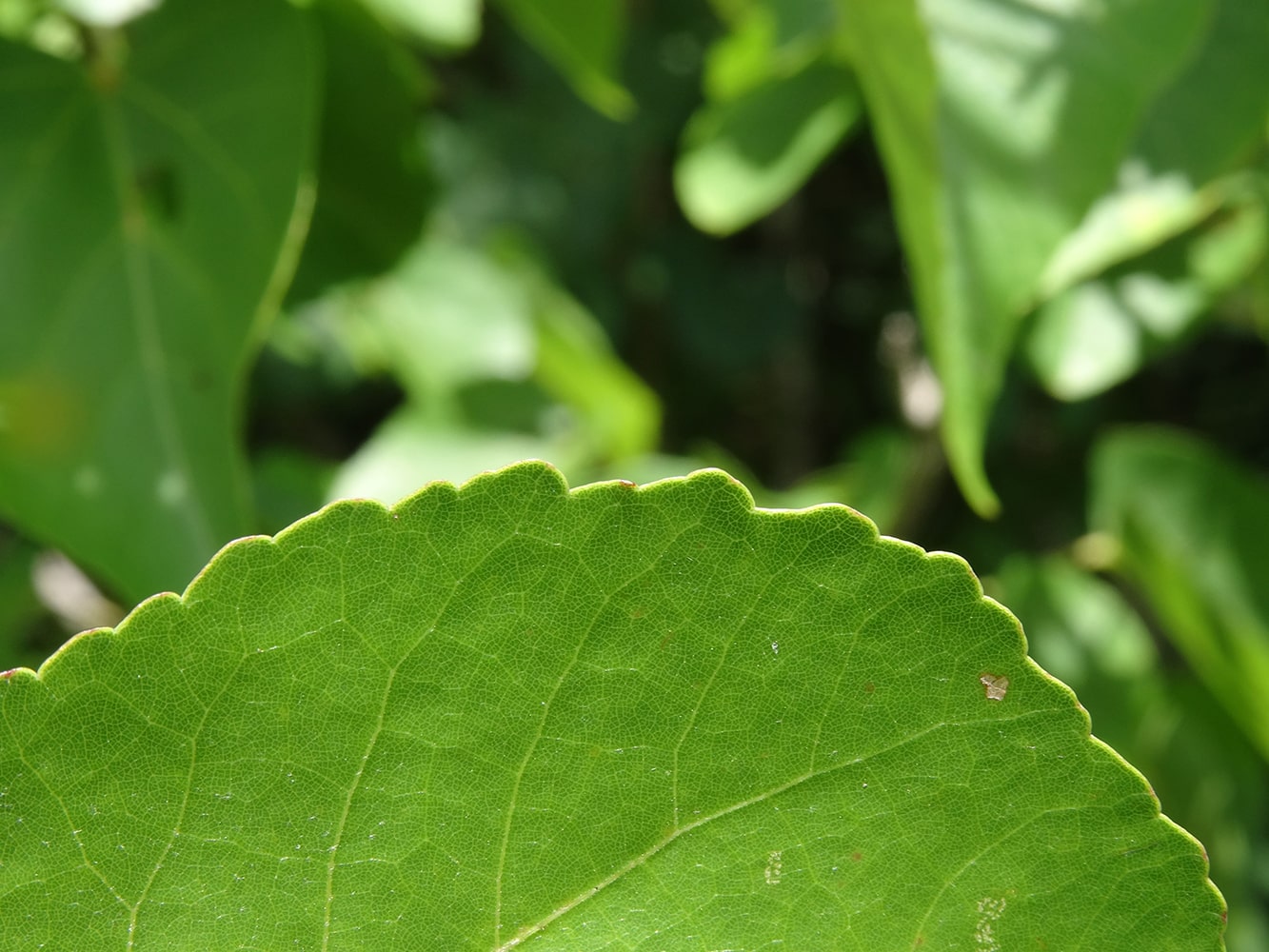
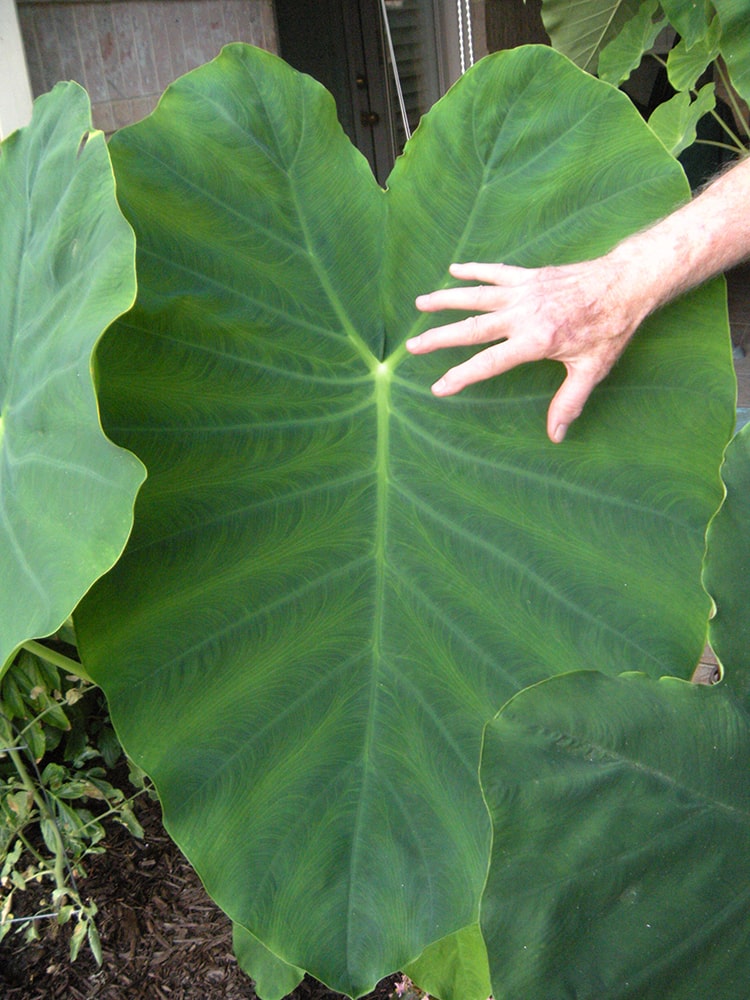
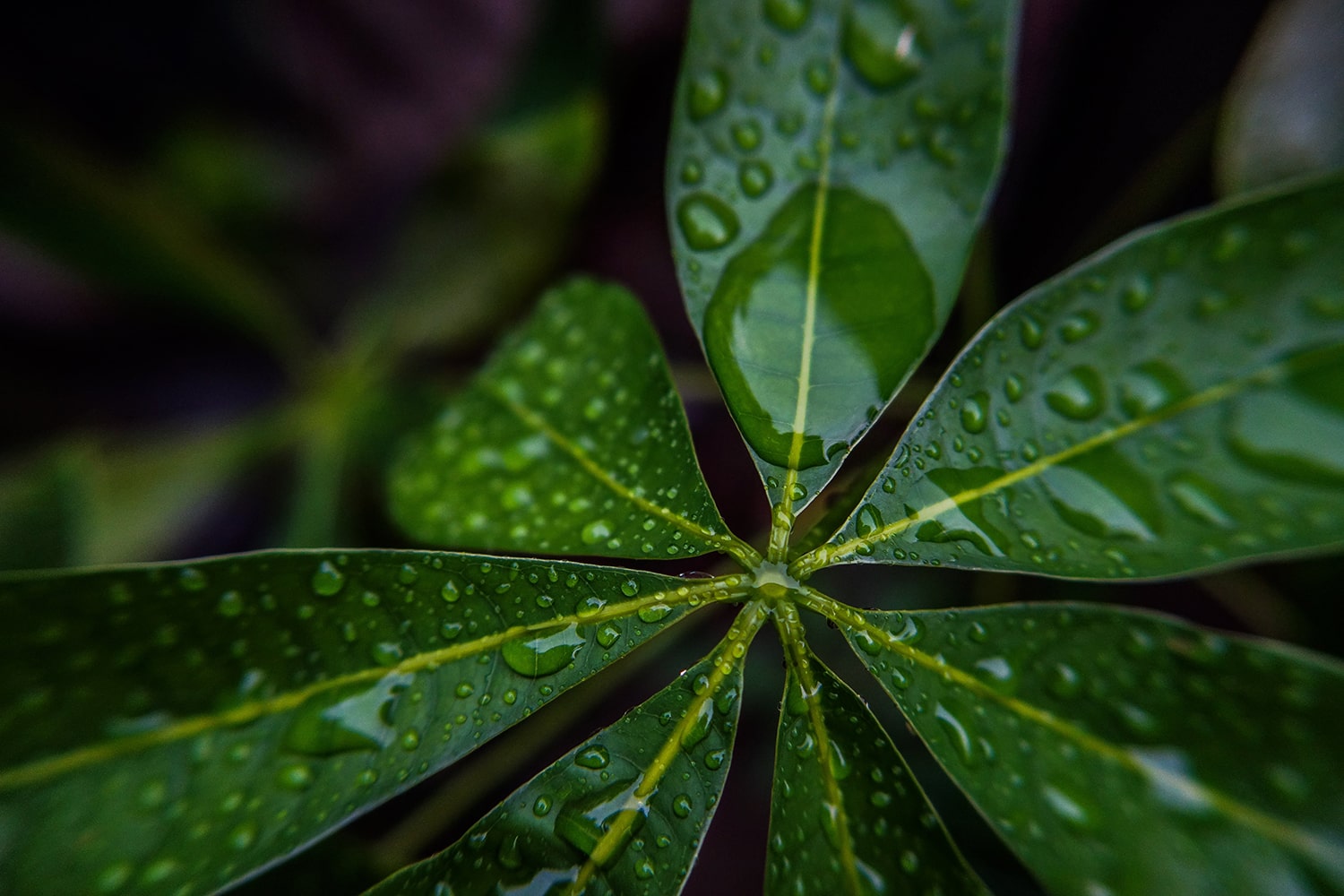
Leaves are very large, up to 2 feet long by 1.5 feet wide, and heart-shaped (like "elephant ears") with wooly hairs on the underside. The largest leaves are at the base of the plant and decrease in size progressing upward along the stem. Lower leaves have hollow stalks (petioles) with a groove on the upper surface.
Ovate
Cordate
Dentate
Undulate
> 6 inches
> 6 inches
Stem
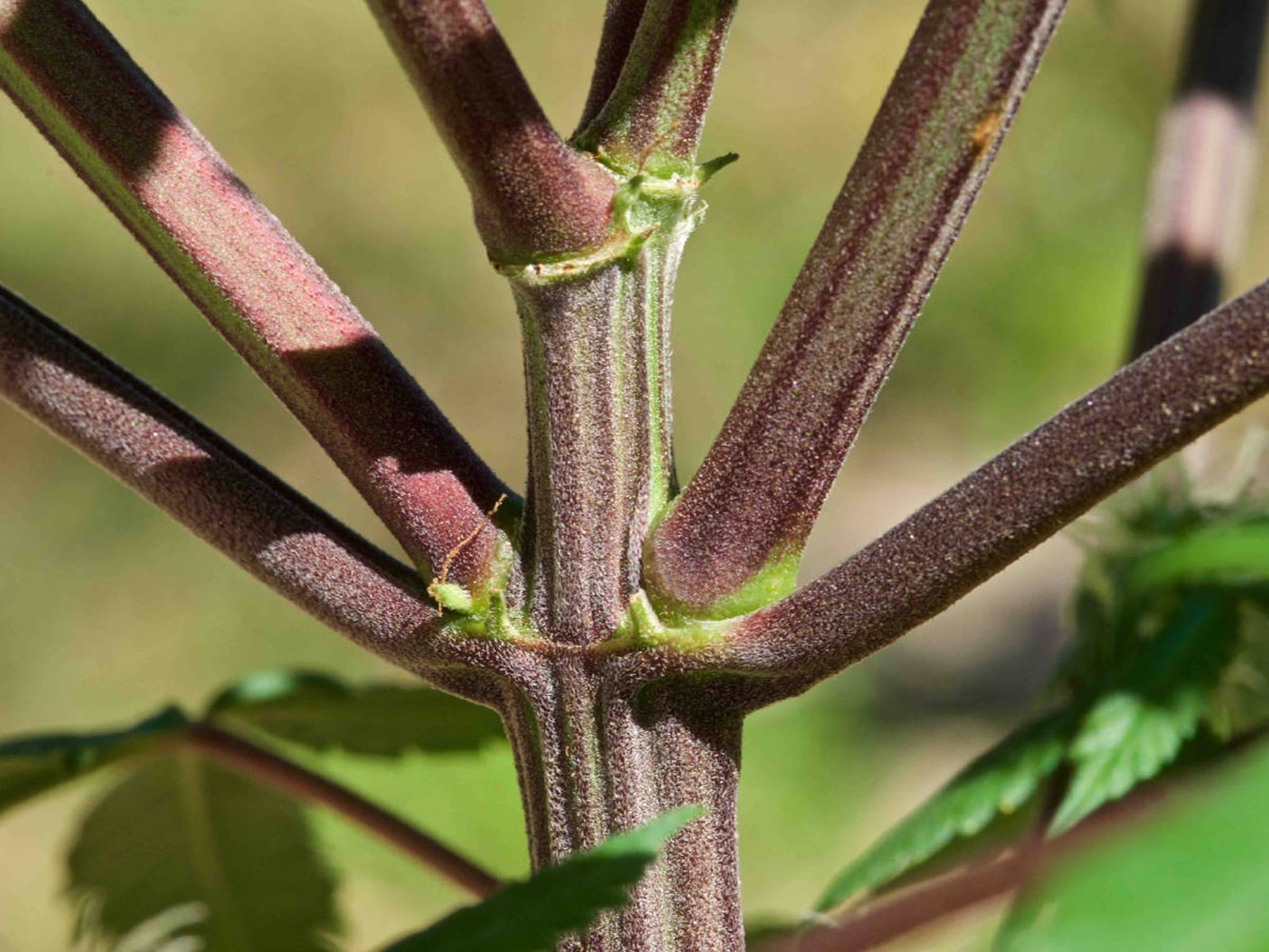
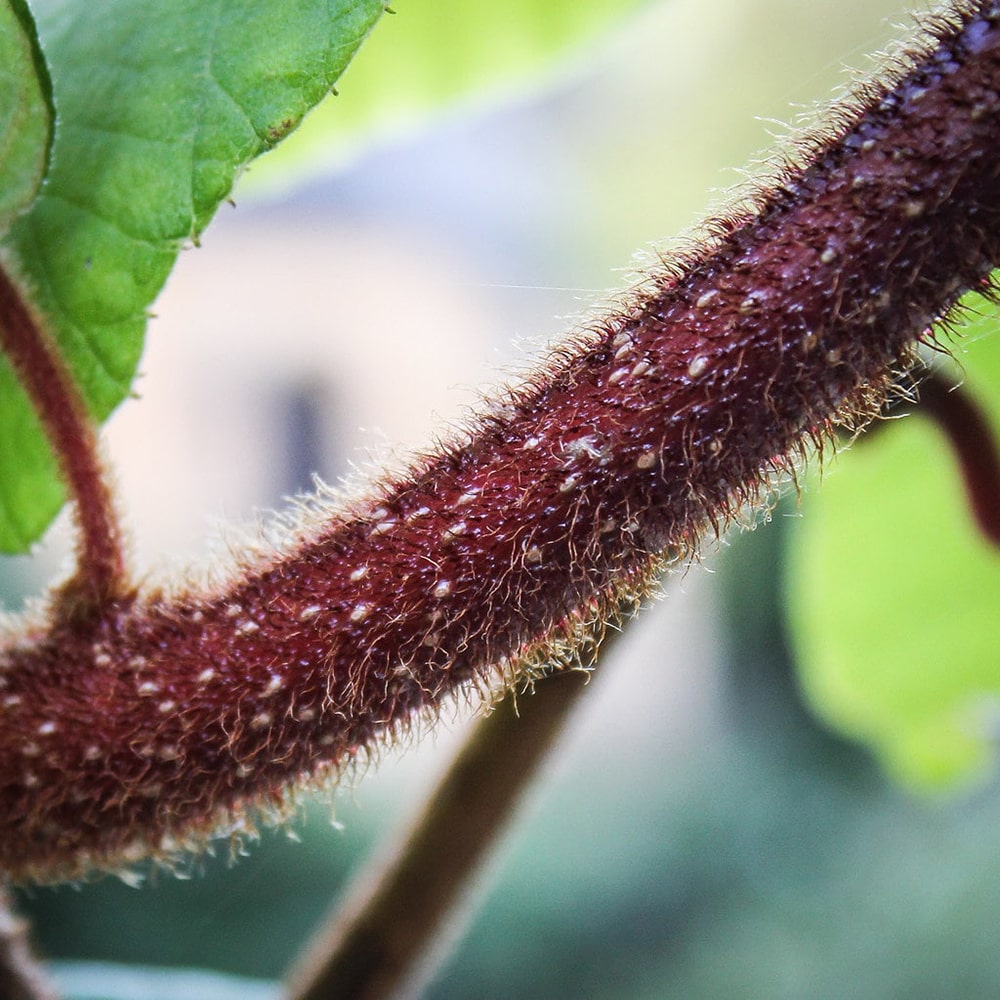
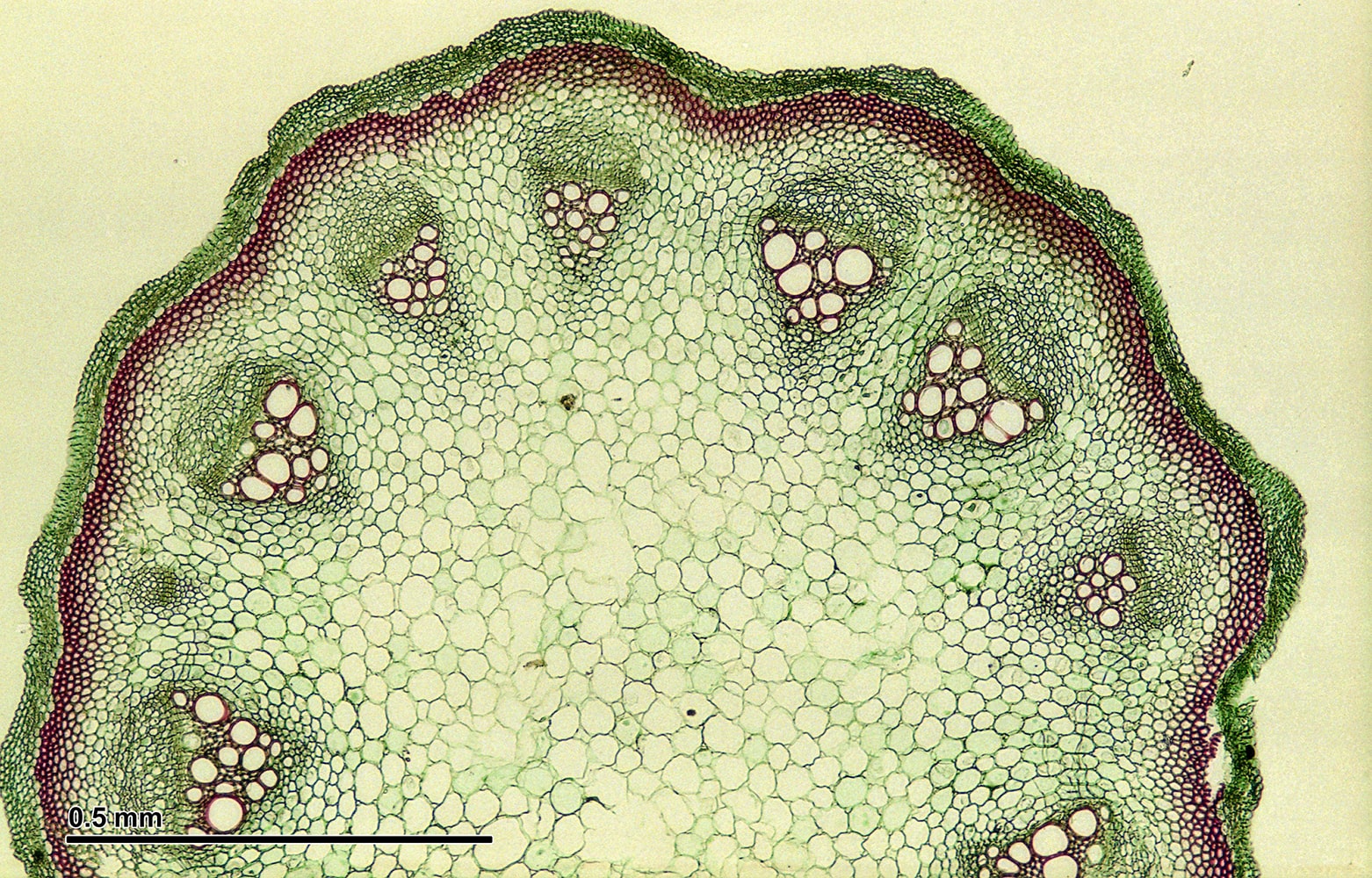
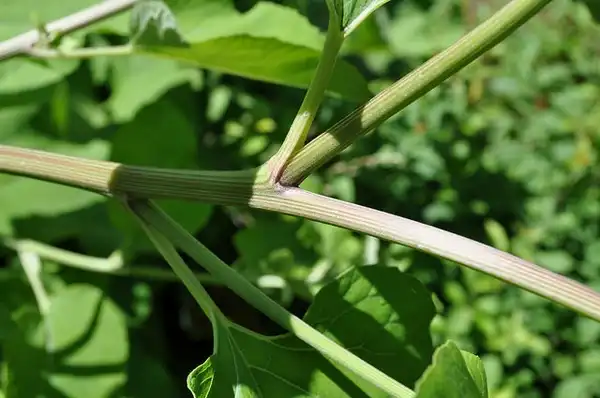
Young stems have white hairs, resembling cobwebs. Second year stems are green or reddish green, stout, smooth with longitudinal veins, and round or slightly ridged in cross section.
Green
Red/Burgundy
Smooth (glabrous)
Straight
Whole Plant Traits
Perennial
Edible
Herbaceous Perennial
Weed
Wildflower
Coarse
Prickles
Cultural Conditions
Full sun (6 or more hours of direct sunlight a day)
Partial Shade (Direct sunlight only part of the day, 2-6 hours)
Acid (<6.0)
Neutral (6.0-8.0)
Good Drainage
Coastal
Mountains
Piedmont
4a
4b
5b
5a
6a
6b
7a
7b
8b
8a
3a
3b
9a
9b
10a
10b
High Organic Matter
Loam (Silt)
Landscape
Butterflies
Pollinators
Bees
Problem for Dogs
Problem for Horses
Weedy
Contact Dermatitis
Spines/Thorns

Arctium minus Attributes

Arctium minus: Uses (Ethnobotany)

This plant has been used in Europe and Asia as a food source (roots and leaves) as well as for medicinal purposes.

Arctium minus: Country Or Region Of Origin

Native to Europe, Middle East, Baltic States and North Africa

Arctium minus: Distribution

Europe, Asia, North Africa, Canada and South America. In the U.S. it is found in the lower 48 states except Florida.

Arctium minus: Wildlife Value

Bees, butterflies and skippers are attracted.

Arctium minus: Edibility

Primarily the roots are edible. Young leaves and immature flower stalks are also edible before flowers appear.

Arctium minus: Life Cycle

Annual
Biennial
Bulb
Perennial
Woody

Arctium minus: Recommended Propagation Strategy

Division
Grafting
Layering
Leaf Cutting
Root Cutting
Seed
Stem Cutting

Arctium minus: Play Value

Attractive Flowers
Attracts Pollinators
Buffer
Colorful
Defines Paths
Easy to Grow
Edible fruit
Fragrance
Pieces Used in Games
Screening
Shade
Sound
Textural
Wildlife Cover/Habitat
Wildlife Food Source
Wildlife Larval Host
Wildlife Nesting
Wind Break
Wind Shimmer

Arctium minus Fruit

Arctium minus: Fruit Description

Achenes are oblong and have fine, minute bristles (pappas hairs) on one end that soon fall off and easily become airborne. These can be seriously irritating to humans or other mammals (particularly dogs, horses, or livestock) if exposed to eyes, skin, or the respiratory tract.

Arctium minus: Fruit Type

Achene
Aggregate
Berry
Capsule
Caryopsis
Drupe
Follicle
Legume
Nut
Pome
Samara
Schizocarp
Siliqua

Arctium minus: Fruit Color

grass
Brown/Copper

Arctium minus: Display/Harvest Time

Fall
Spring
Summer
Winter

Arctium minus: Fruit Length

< 1 inch
1-3 inches
> 3 inches

Arctium minus: Fruit Width

< 1 inch
1-3 inches
> 3 inches

Arctium minus Flowers

Arctium minus: Flower Description

Pink to purple flowerheads are approximately 3/4-1 inch in size and arranged on stalks. Flowerheads are comprised of many disk florets and needle-thin bracts that terminate in a sharp, hooked tip. There are no ray florets on the flowerhead. After flowers whither, the globular bracts turn brown and enclose the flowers, forming a spiked bur covered with looped ends. This design is highly effective in clinging to animals, birds or clothing and aids in dispersal of seed. Burs may be very difficult to remove.

Arctium minus: Flower Color

filter_vintage
Pink
filter_vintage
Purple/Lavender

Arctium minus: Flower Inflorescence

Catkin
Corymb
Cyme
Head
Insignificant
Panicle
Raceme
Solitary
Spadix
Spike
Umbel

Arctium minus: Flower Bloom Time

Winter
Spring
Summer
Fall

Arctium minus: Flower Shape

Bell
Cross
Crown
Cup
Dome
Funnel
Irregular
Lipped
Radial
Saucer
Star
Trumpet
Tubular
Urn
Wheel

Arctium minus: Flower Size

1-3 inches
3-6 inches
< 1 inch
> 6 inches

Arctium minus Leaves

Arctium minus: Leaf Description

Leaves are very large, up to 2 feet long by 1.5 feet wide, and heart-shaped (like "elephant ears") with wooly hairs on the underside. The largest leaves are at the base of the plant and decrease in size progressing upward along the stem. Lower leaves have hollow stalks (petioles) with a groove on the upper surface.

Arctium minus: Leaf Color

spa
Green

Arctium minus: Leaf Type

Compound (Pinnately , Bipinnately, Palmately)
Fronds
Needles
Sheath
Simple

Arctium minus: Leaf Arrangement

Alternate
Opposite
Other/more complex
Rosulate
Whorled

Arctium minus: Leaf Shape

Acicular
Auriculate
Cordate
Cuneate
Deltoid
Elliptical
Filiform
Lanceolate
Linear
Oblanceolate
Oblong
Obovate
Obtuse
Orbicular
Ovate
Palmasect
Palmatifid
Peltate
Pinnatifid
Pinnatisect
Reniform
Rhomboidal
Spatulate
Subcordate
Subulate

Arctium minus: Leaf Margin

Crenate
Crenulate
Dentate
Denticulate
Doubly Crenate
Doubly Dentate
Doubly Serrate
Entire
Lobed
Serrate
Sinuate
Undulate

Arctium minus: Hairs Present

No
Yes

Arctium minus: Leaf Length

< 1 inch
1-3 inches
3-6 inches
> 6 inches

Arctium minus: Leaf Feel

Fleshy
Glossy
Leathery
Papery
Prickly
Rough
Rubbery
Slippery
Smooth
Soft
Velvety
Waxy

Arctium minus: Leaf Width

< 1 inch
1-3 inches
3-6 inches
> 6 inches

Arctium minus Stem

Arctium minus: Stem Description

Young stems have white hairs, resembling cobwebs. Second year stems are green or reddish green, stout, smooth with longitudinal veins, and round or slightly ridged in cross section.

Arctium minus: Stem Color

grass
Green
grass
Red/Burgundy

Arctium minus: Stem Is Aromatic

No
Yes

Arctium minus: Stem Cross Section

Angular
Oval
Round
Square

Arctium minus: Stem Surface

Corky Ridges
Covered with a powdery bloom (glaucous)
Dull
Hairy (pubescent)
Polished
Smooth (glabrous)

Arctium minus: Stem Form

Straight
Zig Zags

Arctium minus Whole Plant Traits

Arctium minus: Plant Type

Annual
Bulb
Carnivorous
Edible
Epiphyte
Fern
Ground Cover
Herb
Herbaceous Perennial
Houseplant
Mushroom
Native Plant
Ornamental Grasses and Sedges
Perennial
Poisonous
Rose
Shrub
Succulent
Tree
Turfgrass
Vegetable
Vine
Water Plant
Weed
Wildflower

Arctium minus: Habit/Form

Arching
Ascending
Broad
Cascading
Climbing
Clumping
Columnar
Conical
Creeping
Dense
Erect
Horizontal
Irregular
Mounding
Multi-stemmed
Multi-trunked
Open
Oval
Prostrate
Pyramidal
Rounded
Spreading
Vase
Weeping

Arctium minus: Growth Rate

Slow
Medium
Rapid

Arctium minus: Maintenance

Low
Medium
High

Arctium minus: Texture

Fine
Medium
Coarse

Arctium minus: Appendage

Prickles
Spines
Tendrils
Thorns

Arctium minus Cultural Conditions

Arctium minus: Light

Dappled Sunlight (Shade through upper canopy all day)
Deep shade (Less than 2 hours to no direct sunlight)
Full sun (6 or more hours of direct sunlight a day)
Partial Shade (Direct sunlight only part of the day, 2-6 hours)

Arctium minus: Soil pH

Acid (<6.0)
Alkaline (>8.0)
Neutral (6.0-8.0)

Arctium minus: Soil Drainage

Frequent Standing Water
Good Drainage
Moist
Occasional Flooding
Occasionally Dry
Occasionally Wet
Very Dry

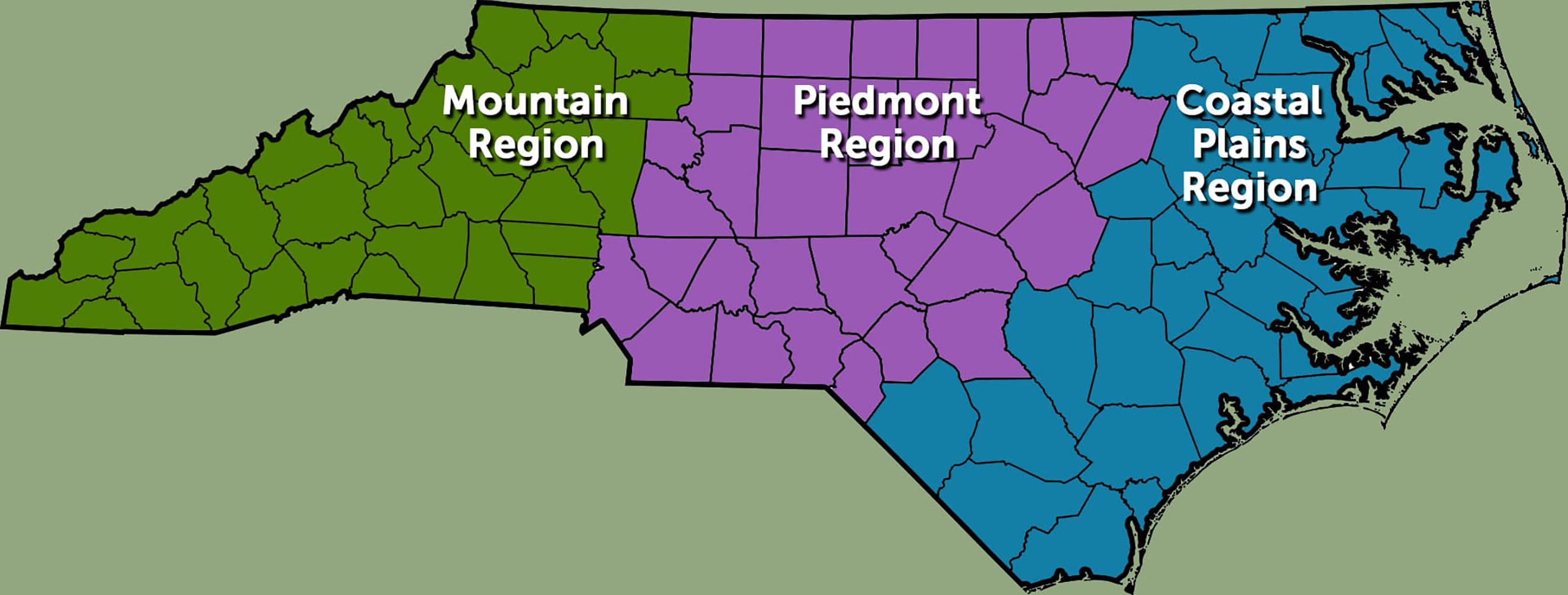
Arctium minus: NC Region

Coastal
Mountains
Piedmont

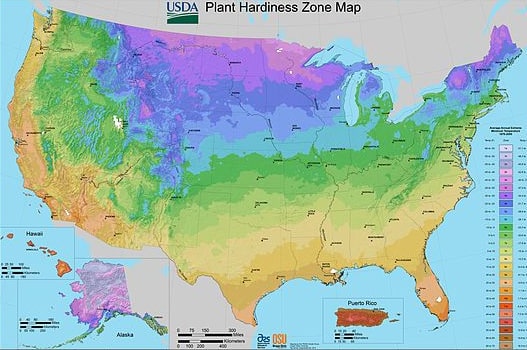
Arctium minus: USDA Plant Hardiness Zone

thermostat
10a
thermostat
10b
thermostat
3a
thermostat
3b
thermostat
4a
thermostat
4b
thermostat
5a
thermostat
5b
thermostat
6a
thermostat
6b
thermostat
7a
thermostat
7b
thermostat
8a
thermostat
8b
thermostat
9a
thermostat
9b

Arctium minus: Soil Texture

Clay
High Organic Matter
Loam (Silt)
Sand
Shallow Rocky

Arctium minus Landscape

Arctium minus: Attracts

Bats
Bees
Butterflies
Frogs
Hummingbirds
Moths
Pollinators
Predatory Insects
Reptiles
Small Mammals
Songbirds
Specialized Bees

Arctium minus: Problems

Allelopathic
Contact Dermatitis
Frequent Disease Problems
Frequent Insect Problems
Invasive Species
Malodorous
Messy
Poisonous to Humans
Problem for Cats
Problem for Children
Problem for Dogs
Problem for Horses
Short-lived
Spines/Thorns
Weak Wood
Weedy