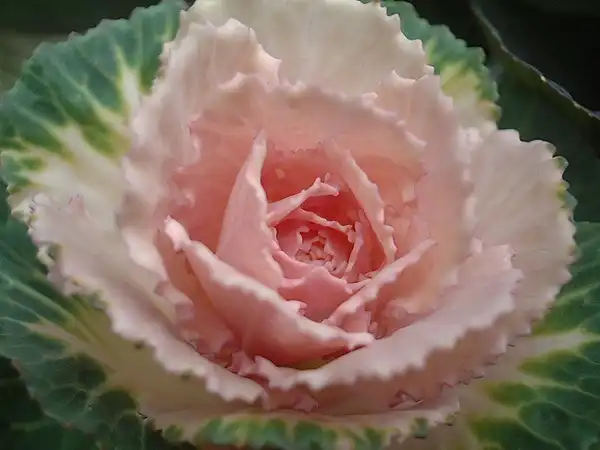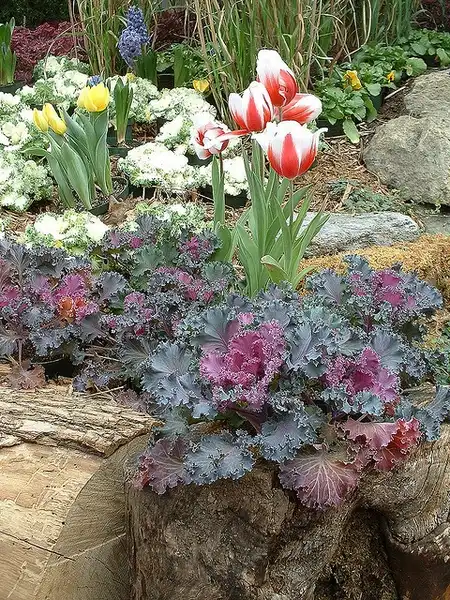
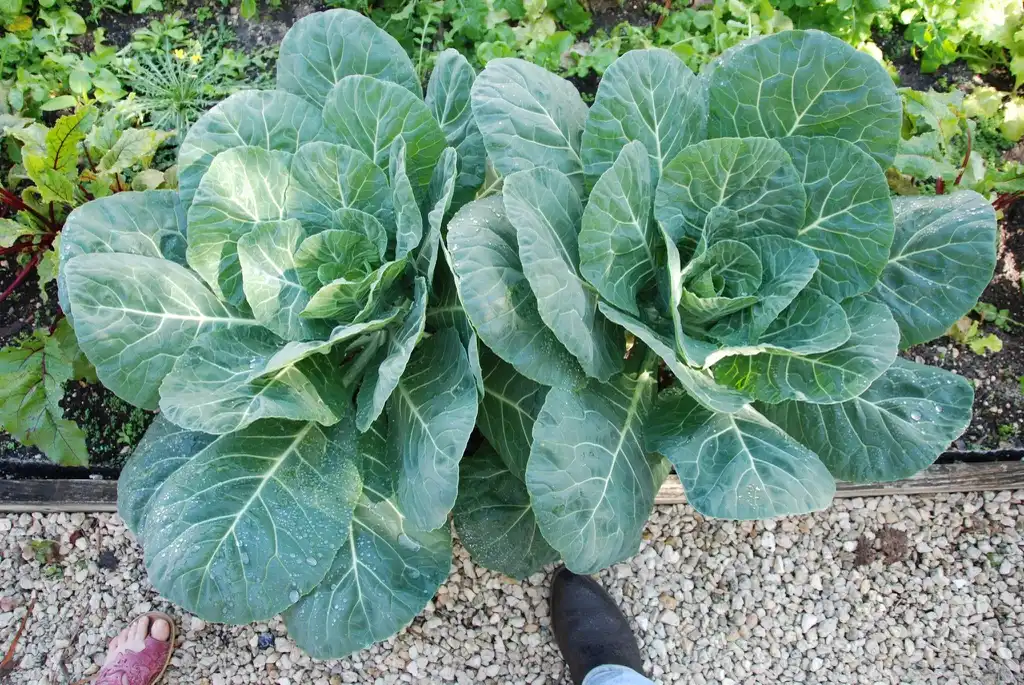
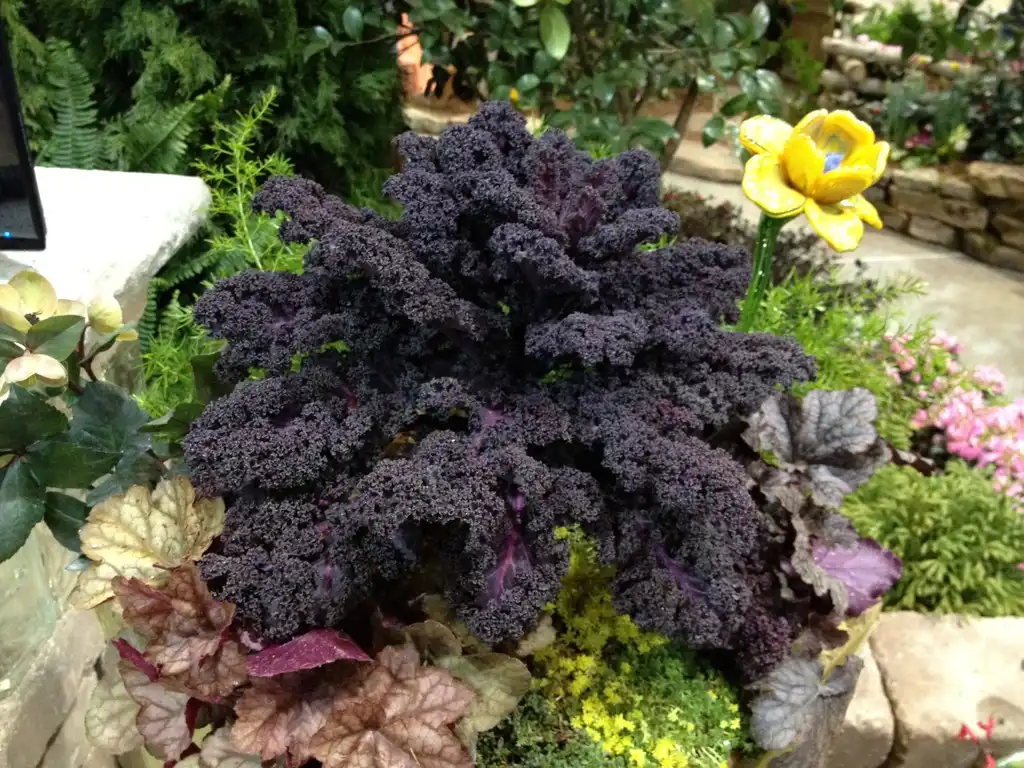
• Photo of Brassica oleracea (Acephala Group) (Brassica oleracea (Acephala Group)s)

Plant Profile: Brassica oleracea (Acephala Group)

Names

Collard, Collards, Decorative Kale, Decorative Kales, Flowering Kale, Flowering Kales, Kale, Kales, Ornamental Cabbage, Ornamental Cabbages, Ornamental Kale

  • Photo of Brassica oleracea (Acephala Group) (Brassica oleracea (Acephala Group)s)

Phonetic Spelling:BRAS-ih-ka ol-ur-RAY-see-uh

Genus:Brassica

Species:oleracea

Family:Brassicaceae

The term "Brassica," derived from Latin, translates to cabbage. Within the Acephala group, you'll find kale, collards, and borecole (a type of kale), all of which thrive in cooler weather and are often referred to as winter greens. These plants closely resemble wild cabbage and are typically sown in the fall to provide visual interest throughout the winter and into spring.

Kale stands out as one of the most nutritious vegetables available, offering a low-calorie option that is rich in essential vitamins and minerals, including an impressive 200% of the daily recommended intake of vitamin C in just one serving. It can be cultivated in home gardens, arranged in rows, grown in containers, or even utilized as a decorative element in landscaping. For optimal growth, kale requires 12 to 18 inches of spacing, although it can be planted as closely as 6 inches apart if harvested while still young. When grown in containers, a minimum pot size of 6 gallons with a depth of at least 8 inches is recommended.

Among the edible varieties in the Acephala group, 'Blue Curled Scotch' is both nutritious and flavorful, making it suitable for salads and stir-fries. Another notable variety is 'Lacinato,' which offers a sweeter and milder flavor compared to other kale types. 'Georgia Southern' is a popular collard cultivar known for its large leaves and minimal bitterness.

These plants thrive in full sunlight and prefer rich, loamy, moist, well-drained soil. They flourish in cooler temperatures and may require some afternoon shade to endure the summer heat.

Once established, these plants face few pest issues after a frost, with flea beetles being a notable exception. These pests survive the winter as adults in plant debris and can become active in early spring. During unseasonably warm winter spells, they may also target kale and other crucifers. For the sweetest leaves, it’s best to harvest after the first frost. To promote ongoing growth, pick the larger leaves while allowing the central leaves to continue developing.

Cultivars with colored foliage are typically regarded as ornamental rather than edible.

In terms of pests and diseases, cabbage worms, cabbage loopers, flea beetles, slugs, aphids, and caterpillars can pose threats to plant health. Additionally, diseases such as leaf spot and black rot may occur.

For quick identification tips and further details on cultivating, purchasing, and preparing kale, refer to the resources available.

Brassica oleracea (Acephala Group) Feature Summary

Brassica oleracea (Acephala Group) Image Gallery

Tags

#purple
#red
#white
#full sun tolerant
#small spaces
#annual
#green
#pink flowers
#purple leaves
#red leaves
#pink leaves
#low maintenance
#winter interest
#fall interest
#interesting leaves
#cpp
#vegetable garden
#ornamentals
#cool temperatures
#cool weather plant
#coastal plants
#rock gardens
#spring interest
#edible garden
#fantz
#edible
#cool season vegetable
#pink
#winter
#problem for horses
#container plants

Similar Plants

Brassica oleracea (Acephala Group) is often confused with:

Brassica oleracea (Acephala Group) Feature Summary

Attributes
Leaves are edible raw or cooked. Cooking can help to tenderize tough leaves.
Annual
Biennial
Fruit
Short-beaked siliqua 5" long and round in cross-section. They dry and split when ripe.
> 3 inches
< 1 inch
Flowers
Rarely flowers, a terminal raceme with 20-40 flowers. 4 petaled yellow to yellow-white, clawed with 6 stamens.
White
Gold/Yellow
4-5 petals/rays
< 1 inch
Leaves
This plant can be green, purplish, pink, red to white, purple, or marbled. Loose rosettes (not solid heads), lyrate or pinnately divided, with undulate and sometimes fringed margins, thick, glaucous.
Green
White
Variegated
Red/Burgundy
Pink
Purple/Lavender
Alternate
Rosulate
Pinnatisect
Oblanceolate
Lobed
Undulate
> 6 inches
Fleshy
Waxy
Edible
Showy
Long-lasting
3-6 inches
Stem
Usually unbranched
Covered with a powdery bloom (glaucous)
Straight
Whole Plant Traits
Annual
Edible
Vegetable
Cultural Conditions
Full sun (6 or more hours of direct sunlight a day)
Neutral (6.0-8.0)
Good Drainage
12 inches-3 feet
Less than 12 inches
Coastal
Mountains
Piedmont
4a
4b
5b
5a
6a
6b
7a
7b
8b
8a
2a
2b
3a
3b
9a
9b
10a
10b
11a
11b
High Organic Matter
Landscape
Edible Garden
Rock Garden
Winter Garden
Border
Mass Planting
Small groups
Container
Patio
Walkways
Naturalized Area
Small Space
Hanging Baskets
Coastal
Problem for Horses

Brassica oleracea (Acephala Group) Attributes

Brassica oleracea (Acephala Group): Country Or Region Of Origin

Mediterranean
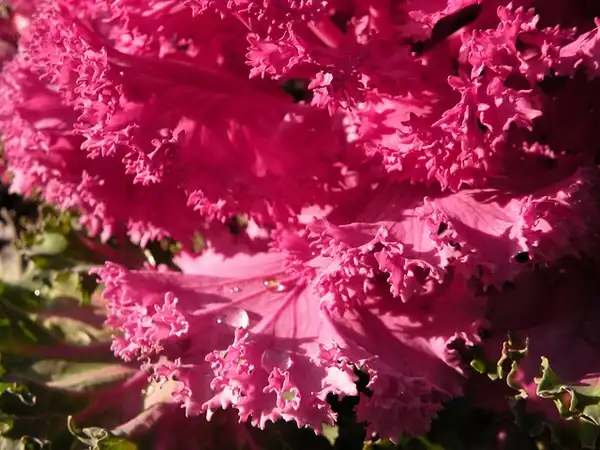
Brassica oleracea (Acephala Group): Edibility

Leaves are edible raw or cooked. Cooking can help to tenderize tough leaves.

Brassica oleracea (Acephala Group): Life Cycle

Annual
Biennial
Bulb
Perennial
Woody

Brassica oleracea (Acephala Group): Recommended Propagation Strategy

Division
Grafting
Layering
Leaf Cutting
Root Cutting
Seed
Stem Cutting

Brassica oleracea (Acephala Group) Fruit

Brassica oleracea (Acephala Group): Fruit Description

Short-beaked siliqua 5" long and round in cross-section. They dry and split when ripe.

Brassica oleracea (Acephala Group): Fruit Type

Achene
Aggregate
Berry
Capsule
Caryopsis
Drupe
Follicle
Legume
Nut
Pome
Samara
Schizocarp
Siliqua

Brassica oleracea (Acephala Group): Fruit Color

grass
Green

Brassica oleracea (Acephala Group): Fruit Value To Gardener

Edible
Fragrant
Good Cut
Good Dried
Long Bloom Season
Long-lasting
Showy

Brassica oleracea (Acephala Group): Fruit Length

< 1 inch
1-3 inches
> 3 inches

Brassica oleracea (Acephala Group): Fruit Width

< 1 inch
1-3 inches
> 3 inches

Brassica oleracea (Acephala Group) Flowers

Brassica oleracea (Acephala Group): Flower Description

Rarely flowers, a terminal raceme with 20-40 flowers. 4 petaled yellow to yellow-white, clawed with 6 stamens.

Brassica oleracea (Acephala Group): Flower Color

filter_vintage
Gold/Yellow
filter_vintage
White

Brassica oleracea (Acephala Group): Flower Inflorescence

Catkin
Corymb
Cyme
Head
Insignificant
Panicle
Raceme
Solitary
Spadix
Spike
Umbel

Brassica oleracea (Acephala Group): Flower Value To Gardener

Edible
Fragrant
Good Cut
Good Dried
Long Bloom Season
Long-lasting
Showy

Brassica oleracea (Acephala Group): Flower Petals

2-3 rays/petals
4-5 petals/rays
6 petals/rays
7 - 20 petals/rays
asymmetrical petals
Bracts
Colored Sepals
fused petals
more than 20 petals/rays
Tepals

Brassica oleracea (Acephala Group): Flower Shape

Bell
Cross
Crown
Cup
Dome
Funnel
Irregular
Lipped
Radial
Saucer
Star
Trumpet
Tubular
Urn
Wheel

Brassica oleracea (Acephala Group): Flower Size

1-3 inches
3-6 inches
< 1 inch
> 6 inches

Brassica oleracea (Acephala Group) Leaves

Brassica oleracea (Acephala Group): Leaf Description

This plant can be green, purplish, pink, red to white, purple, or marbled. Loose rosettes (not solid heads), lyrate or pinnately divided, with undulate and sometimes fringed margins, thick, glaucous.

Brassica oleracea (Acephala Group): Leaf Color

spa
Green
spa
Pink
spa
Purple/Lavender
spa
Red/Burgundy
spa
Variegated
spa
White

Brassica oleracea (Acephala Group): Leaf Type

Compound (Pinnately , Bipinnately, Palmately)
Fronds
Needles
Sheath
Simple

Brassica oleracea (Acephala Group): Leaf Arrangement

Alternate
Opposite
Other/more complex
Rosulate
Whorled

Brassica oleracea (Acephala Group): Leaf Shape

Acicular
Auriculate
Cordate
Cuneate
Deltoid
Elliptical
Filiform
Lanceolate
Linear
Oblanceolate
Oblong
Obovate
Obtuse
Orbicular
Ovate
Palmasect
Palmatifid
Peltate
Pinnatifid
Pinnatisect
Reniform
Rhomboidal
Spatulate
Subcordate
Subulate

Brassica oleracea (Acephala Group): Leaf Margin

Crenate
Crenulate
Dentate
Denticulate
Doubly Crenate
Doubly Dentate
Doubly Serrate
Entire
Lobed
Serrate
Sinuate
Undulate

Brassica oleracea (Acephala Group): Hairs Present

No
Yes

Brassica oleracea (Acephala Group): Leaf Length

< 1 inch
1-3 inches
3-6 inches
> 6 inches

Brassica oleracea (Acephala Group): Leaf Feel

Fleshy
Glossy
Leathery

Papery
Prickly

Rough
Rubbery
Slippery
Smooth
Soft
Velvety
Waxy

Brassica oleracea (Acephala Group): Leaf Value To Gardener

Edible
Fragrant
Good Cut
Good Dried
Long-lasting
Showy

Brassica oleracea (Acephala Group): Leaf Width

< 1 inch
1-3 inches
3-6 inches
> 6 inches

Brassica oleracea (Acephala Group) Stem

Brassica oleracea (Acephala Group): Stem Description

Usually unbranched

Brassica oleracea (Acephala Group): Stem Color

grass
Green

Brassica oleracea (Acephala Group): Stem Is Aromatic

No
Yes

Brassica oleracea (Acephala Group): Stem Surface

Corky Ridges
Covered with a powdery bloom (glaucous)
Dull
Hairy (pubescent)
Polished
Smooth (glabrous)

Brassica oleracea (Acephala Group): Stem Form

Straight
Zig Zags

Brassica oleracea (Acephala Group) Whole Plant Traits

Brassica oleracea (Acephala Group): Plant Type

Annual
Bulb
Carnivorous
Edible
Epiphyte
Fern
Ground Cover
Herb
Herbaceous Perennial
Houseplant
Mushroom
Native Plant
Ornamental Grasses and Sedges
Perennial
Poisonous
Rose
Shrub
Succulent
Tree
Turfgrass
Vegetable
Vine
Water Plant
Weed
Wildflower

Brassica oleracea (Acephala Group): Growth Rate

Slow
Medium
Rapid

Brassica oleracea (Acephala Group): Maintenance

Low
Medium
High

Brassica oleracea (Acephala Group) Cultural Conditions

Brassica oleracea (Acephala Group): Light

Dappled Sunlight (Shade through upper canopy all day)
Deep shade (Less than 2 hours to no direct sunlight)
Full sun (6 or more hours of direct sunlight a day)
Partial Shade (Direct sunlight only part of the day, 2-6 hours)

Brassica oleracea (Acephala Group): Soil pH

Acid (<6.0)
Alkaline (>8.0)
Neutral (6.0-8.0)

Brassica oleracea (Acephala Group): Soil Drainage

Frequent Standing Water
Good Drainage
Moist
Occasional Flooding
Occasionally Dry
Occasionally Wet
Very Dry

Brassica oleracea (Acephala Group): Available Space To Plant

12 inches-3 feet
12-24 feet
24-60 feet
3 feet-6 feet
6-feet-12 feet
Less than 12 inches
more than 60 feet

Brassica oleracea (Acephala Group): NC Region

Coastal
Mountains
Piedmont

Brassica oleracea (Acephala Group): USDA Plant Hardiness Zone

thermostat
10a
thermostat
10b
thermostat
11a
thermostat
11b
thermostat
2a
thermostat
2b
thermostat
3a
thermostat
3b
thermostat
4a
thermostat
4b
thermostat
5a
thermostat
5b
thermostat
6a
thermostat
6b
thermostat
7a
thermostat
7b
thermostat
8a
thermostat
8b
thermostat
9a
thermostat
9b

Brassica oleracea (Acephala Group): Soil Texture

Clay
High Organic Matter
Loam (Silt)
Sand
Shallow Rocky

Brassica oleracea (Acephala Group) Landscape

Brassica oleracea (Acephala Group): Landscape Theme

Asian Garden
Butterfly Garden
Children's Garden
Cottage Garden
Cutting Garden
Drought Tolerant Garden
Edible Garden
English Garden
Fairy Garden
Garden for the Blind
Native Garden
Nighttime Garden
Pollinator Garden
Rain Garden
Rock Garden
Shade Garden
Water Garden
Winter Garden

Brassica oleracea (Acephala Group): Design Feature

Accent
Barrier
Border
Flowering Tree
Foundation Planting
Hedge
Mass Planting
Screen/Privacy
Security
Shade Tree
Small groups
Small Tree
Specimen
Street Tree
Understory Tree

Brassica oleracea (Acephala Group): Landscape Location

Coastal
Container
Hanging Baskets
Houseplants
Lawn
Meadow
Naturalized Area
Near Septic
Patio
Pond
Pool/Hardscape
Recreational Play Area
Riparian
Rock Wall
Slope/Bank
Small Space
Vertical Spaces
Walkways
Woodland

Brassica oleracea (Acephala Group): Problems

Allelopathic
Contact Dermatitis
Frequent Disease Problems
Frequent Insect Problems
Invasive Species
Malodorous
Messy
Poisonous to Humans
Problem for Cats
Problem for Children
Problem for Dogs
Problem for Horses
Short-lived
Spines/Thorns
Weak Wood
Weedy