Magnolia x soulangeana: Wildlife Value
Is the larval food source for saddleback caterpillars. Magnolia soft scale produces honeydew that bees love.
Phonetic Spelling:mag-NO-lee-ah soo-lan-jee-AH-nuh
Genus:Magnolia
Species:
Family:Magnoliaceae
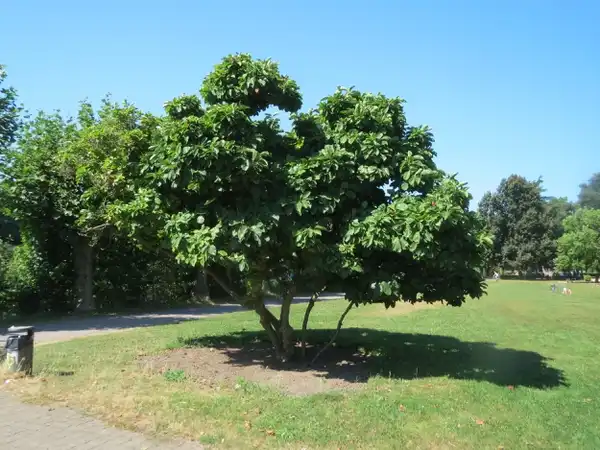
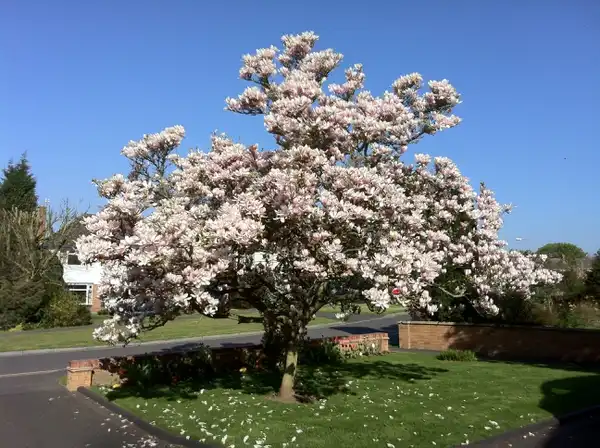
A hybrid of M. denudata and M. liliflora, this plant can be cultivated as a deciduous tree or a sizable shrub, reaching heights of up to 33 feet. Its growth habit is typically erect and pyramidal, transitioning to a rounded form as it matures. This species thrives in consistently moist, well-drained, acidic loamy soils and prefers full sun to partial shade. It is resilient to pollution but should be planted in a sheltered location to protect it from late frosts.
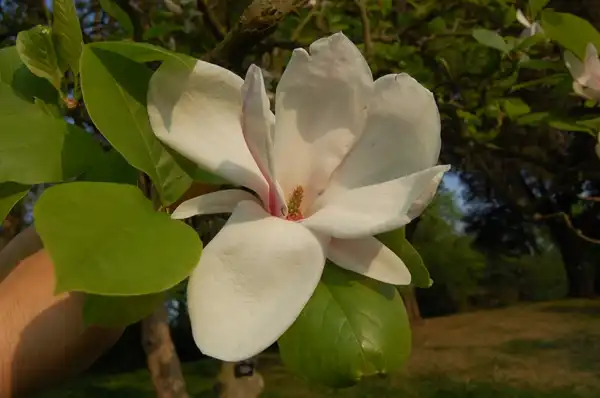
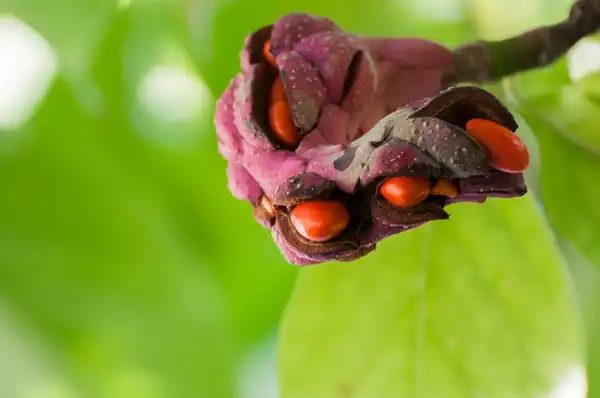
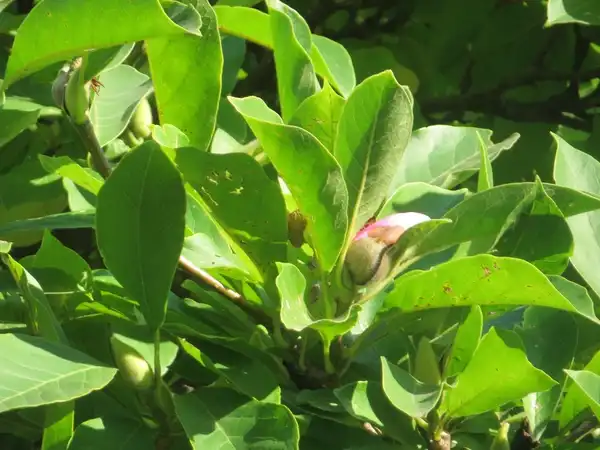
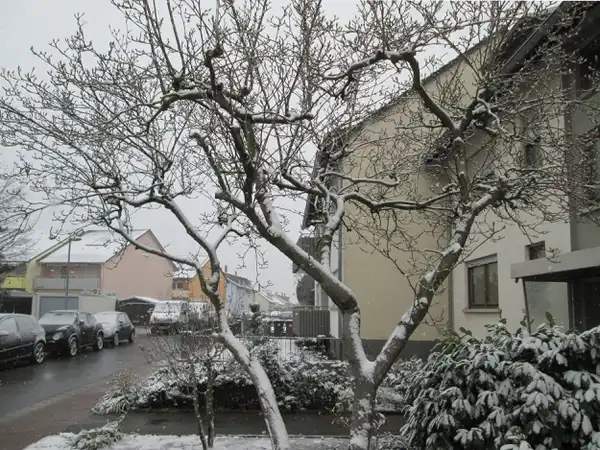
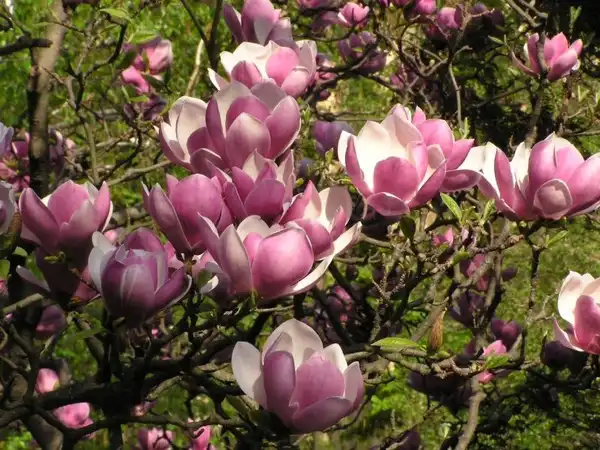
The tree features a fleshy root system that requires ample space. It begins to flower at a young age, with blooms appearing in late winter before the leaves emerge, showcasing a medium to coarse texture. The fruit matures in the fall but lacks ornamental value. Late frosts can damage the flowers, and the winter buds have a distinctive appearance, resembling freshly trimmed hair. In its youth, the tree typically has an upright form, often with multiple trunks and low, wide-spreading branches, becoming more rounded as it ages. To minimize frost damage, it is advisable to select late-flowering cultivars and plant them in a protected area shielded from frost and strong winds. Avoid placing them in southern exposures near buildings, as this may prompt premature bud opening. This tree serves well as a specimen, lawn, or patio tree, and is also suitable for parks and recreational spaces. However, it is susceptible to various pests and diseases.
This species shows mild resistance to deer and can tolerate air pollution.
In terms of pests and diseases, the soft magnolia scale can produce honeydew, leading to the development of black sooty mold, while leaf spot and canker may also pose challenges.
Magnolia x soulangeana Feature Summary
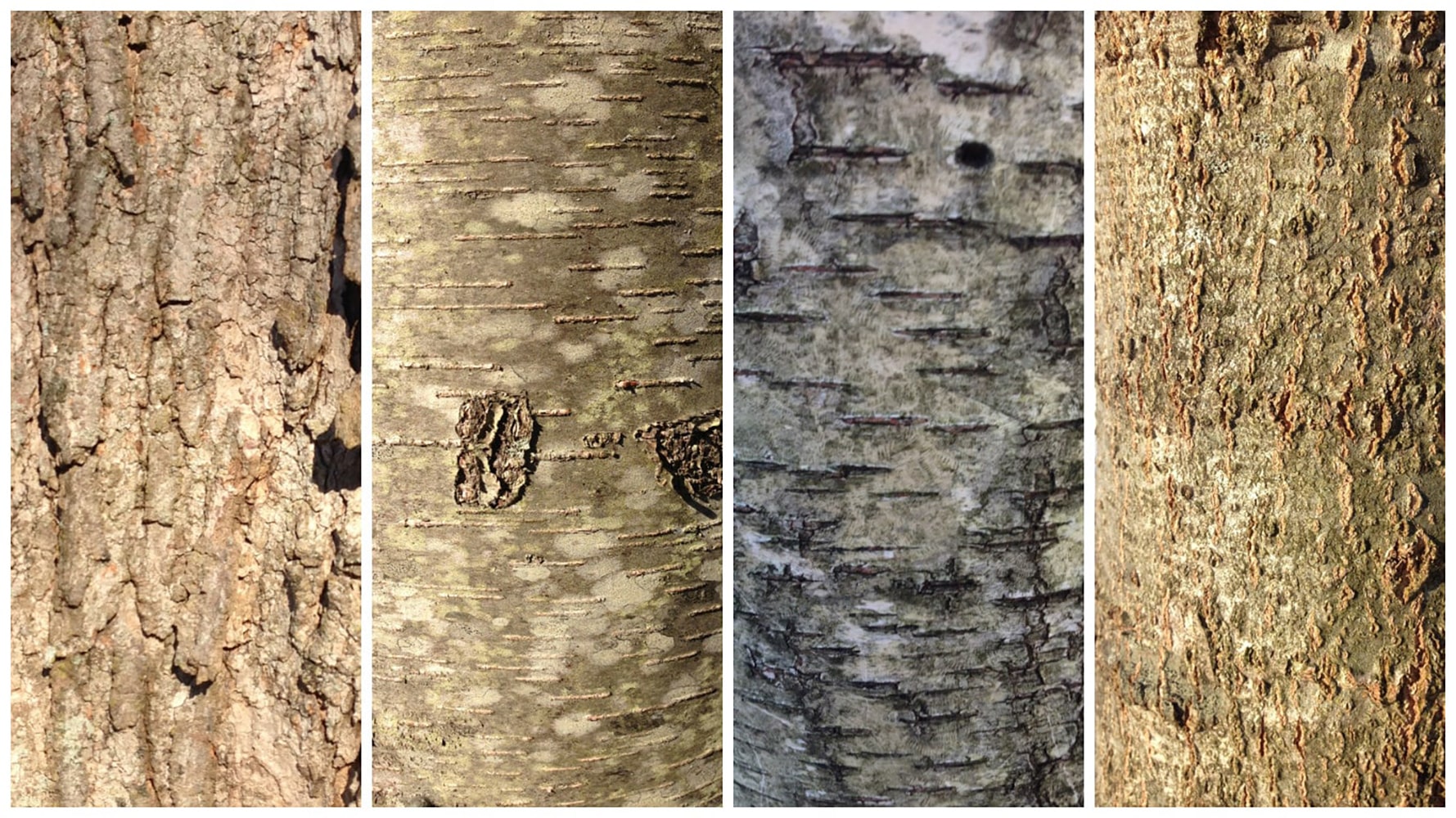
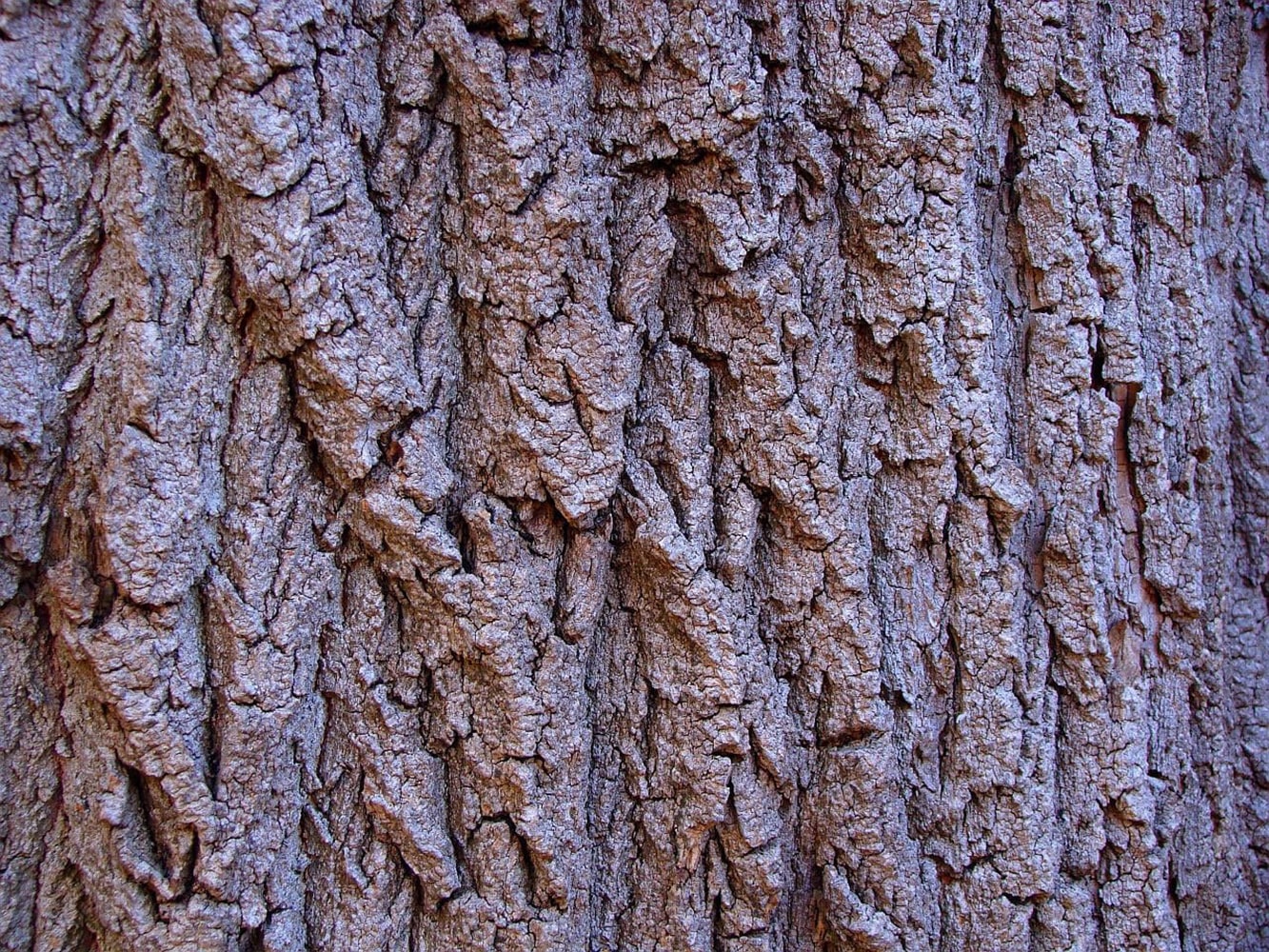
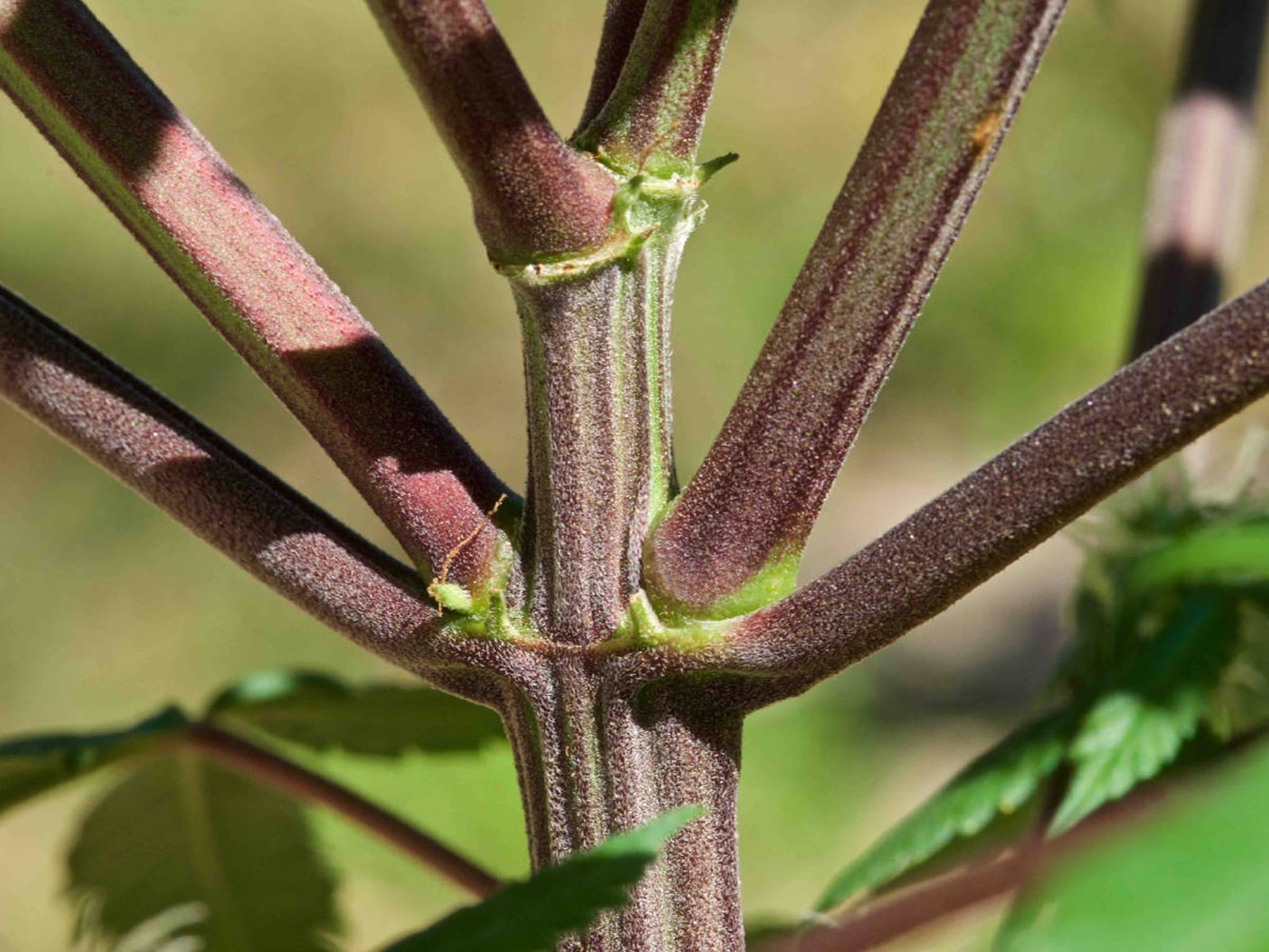
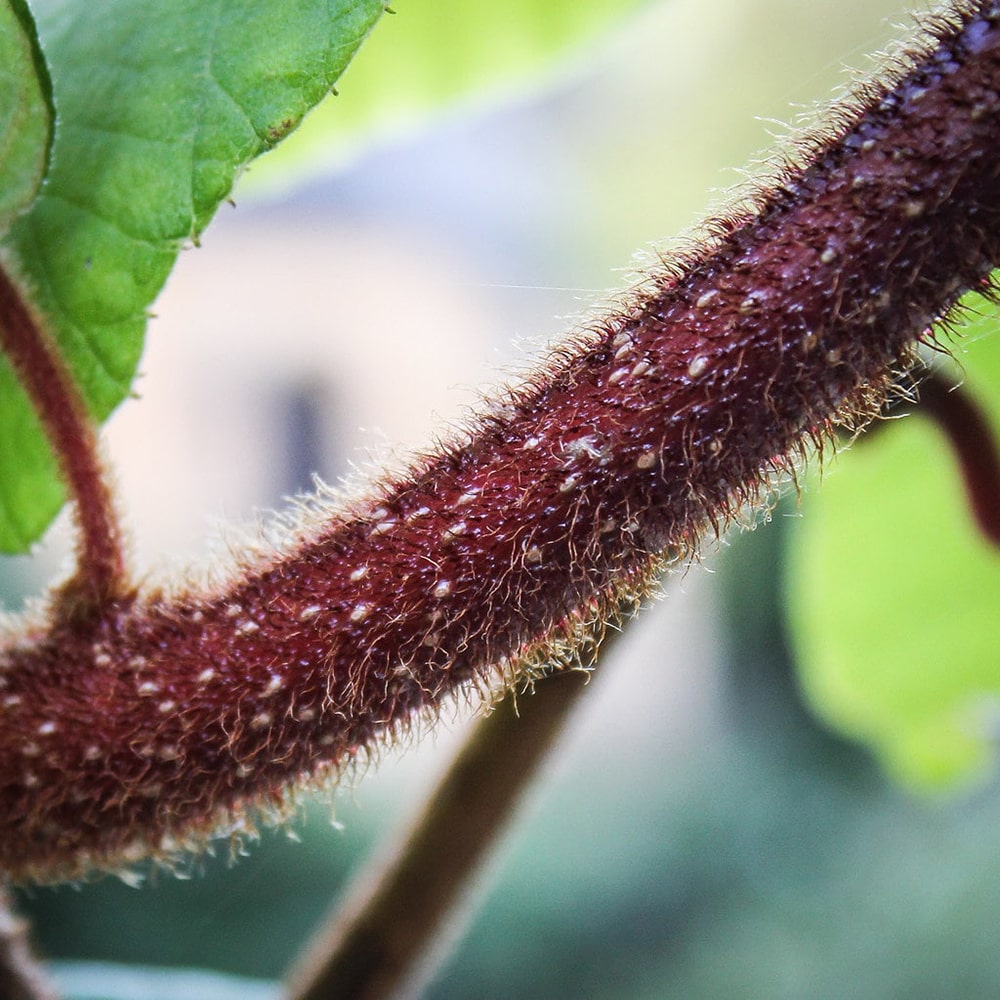
Magnolia x soulangeana Image Gallery