Category: Diseases and parasites

Learn how to identify, prevent, and manage common plant diseases and pests. From fungi and bacteria to insects and mites, discover practical solutions and expert tips to protect your garden and ensure healthy, thriving plants. Stay informed to keep your plants strong and vibrant year-round.

  • Orchard: prevention against winter pests and diseases

    Orchard: prevention against winter pests and diseases

    When the insectivorous birds are numerous (tit, nuthatch, flycatchers, redstarts), we rarely hear about certain parasites with barbaric names such as cheimatobia and hyponomeute! So think about hanging nesting boxes in fruit trees. And then, if you have chickens, the orchard remains the ideal place to release them because they scratch the ground in search of larvae and worms that try to bury themselves to spend the winter.
    But above all, in the orchard, once the leaves have fallen, the trunks and branches are open to you. You have plenty of room to clean: be careful, enemies are hiding everywhere !

    Burn the dead leaves

    To watch out for: after the fruits, it is the turn of the leaves to gradually fall. A normal phenomenon, which sometimes hides funny surprises.

    The danger: the carpet they form is the favorite refuge for the spores of multiple fungi. They find it convenient to winter with impunity at the feet of their hosts before multiplying and colonizing them again in the spring! The list is long: pear and apple scab , riddled disease of cherry or peach, apple beetle, plum rust, walnut marssonina …

    Prevention actions: to give you courage, consider efficiency of the purge that constitutes the collection, then the incineration of all these leaves …

    Brush the bark

    Watch out for: on the trunk and main branches, the aged bark is rarely smooth. Mosses and lichens cling to it.

    The danger: the cracks in the bark and the hanging plants constitute so many refuges for the eggs or larvae of insects seeking to overwinter and they are numerous (codling moth of apple and plum, aphid, pear psyllid, canker, gall gall. plum tree…). In spring, after hatching or metamorphosis, nymphs and insects feed on the fruit or tree sap.

    Prevention measures: before considering a treatment, it is essential to rub the bark with a quackgrass brush to remove mosses and lichens, which eliminates a number of potential shelters.

    Remove mummified fruits

    Watch out for: rotten and shriveled fruit sticks fiercely to the branches as well as dried up floral bouquets.

    The danger: this is the sign of a widespread disease, moniliosis, which affects all fruit trees. The fungus overwinters on mummified fruits before attacking the flowers in the spring.

    Prevention measures: start by removing all the mummified subjects before cremating them. Next year, remember that thinning out too many fruits is beneficial. When harvesting, only collect very dry fruits because, if they are wet, disease can develop during storage.

    Pick up fallen fruit

    To watch out for: damaged fruits, which have fallen to the ground well before harvesting, due to attacks by parasites which cause them to ripen prematurely.

    The danger: codling moth caterpillars fall with the attacked fruits ( apple , pear , quince) before returning to the trees. Following the same path, the larvae of the cherry fly and the plum hoplocampus prefer to bury themselves to spend the cold season in the shelter of the ground.

    Prevention measures : collect and incinerate suspicious fruits as quickly as possible. In the fruit tree, store only the healthiest: the codling moth caterpillar, for example, readily overwinters in the cracks in the shelves!
  • Use the right treatment product

    Use the right treatment product

    In order not to multiply unnecessary treatments, it is necessary to clearly determine the problem which arises before deciding on the action to be implemented. It’s not always obvious…

    Identical symptoms can indeed come from attacks by parasites, diseases or even cultivation errors, such as an excess or, conversely, a lack of watering.

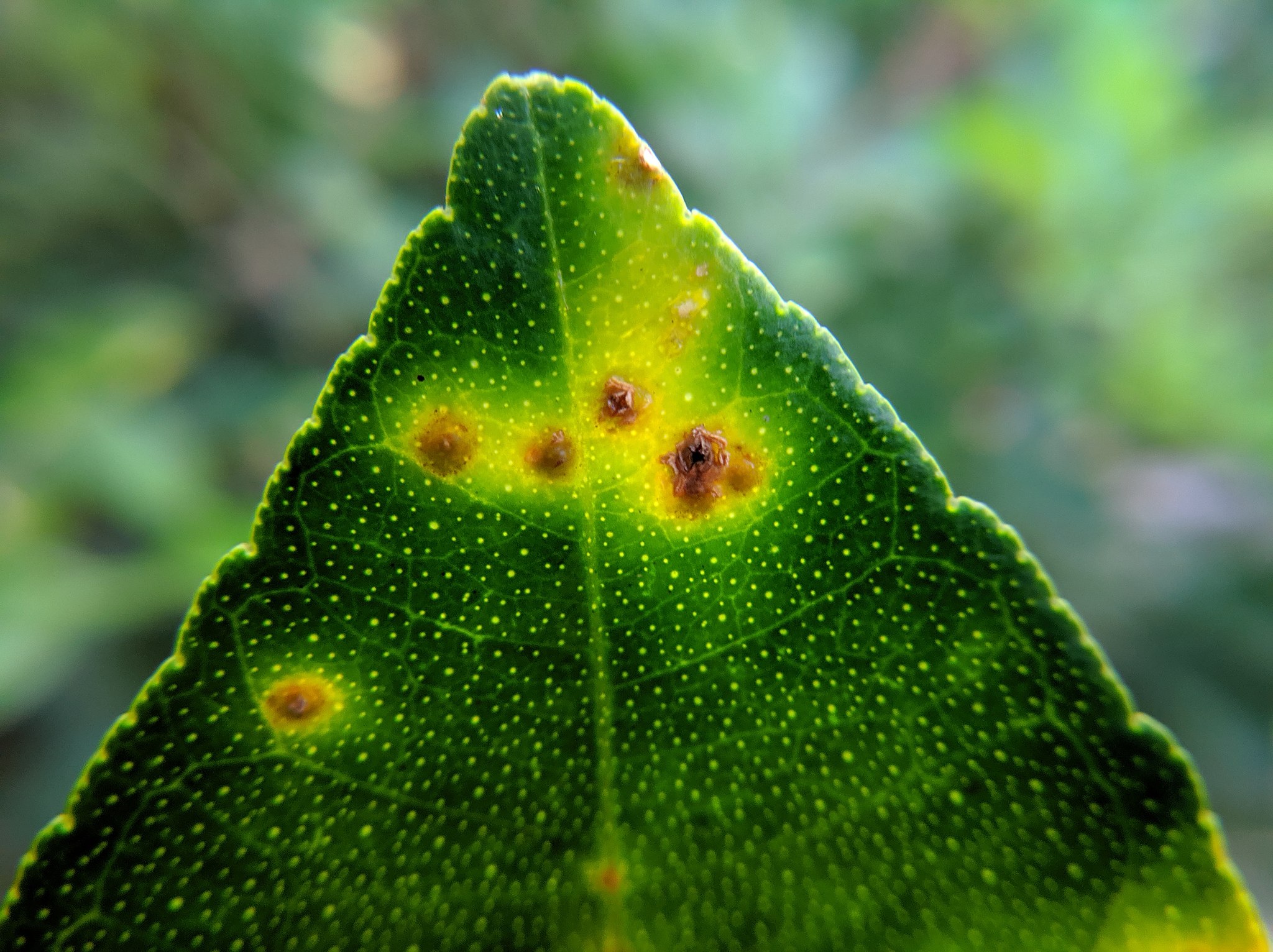
    The correct diagnosis requires careful and regular observation of the plants in the garden. Getting a magnifying glass is helpful, as the parasites are sometimes tiny. Without forgetting to look under the leaves, this is often where they hide. Everything is then a question of learning …

    Do not hesitate to call on professionals who will determine the origin of the damage, or to launch into the consultation of reference books. Once the diagnosis has been established – if it is not a cultivation accident – the product chosen will be effective againstdisease or parasites .

    Better to know how to recognize auxiliary insects, this time to preserve them. Because confusion is possible … A ladybug larva evokes for many an unwanted insect, yet it is a useful devourer of aphids !

  • Treat trees and shrubs naturally in winter

    Treat trees and shrubs naturally in winter

    With the cold season, trees, ornamental shrubs and roses on one side, but also fruit trees on the other, seem spared from summer diseases and pests. Do not be fooled by appearances because, well hidden and sheltered, they are waiting for the warm weather to strike again. Flush them out with natural products.

    Winter is a good time to treat, if the weather is good.
    The gardener has a little time, the interventions are carried out at a distance from the harvests and limit those to be done during the growing season. The operation involves first removing the eggs, parasite larvae and disease spores. To do this, before spraying the products on the trunks and large branches of fruit trees, ornamental shrubs and large trees, get rid of the lichens and moss that cling to them (Example: cleaning the bark of the pear tree). They are not directly dangerous, but shelter the overwintering forms of parasites or diseases, and hinder the good penetration of the treatments in the cracks of the bark.
    Treat roses and conifers as well.

    The different natural treatments

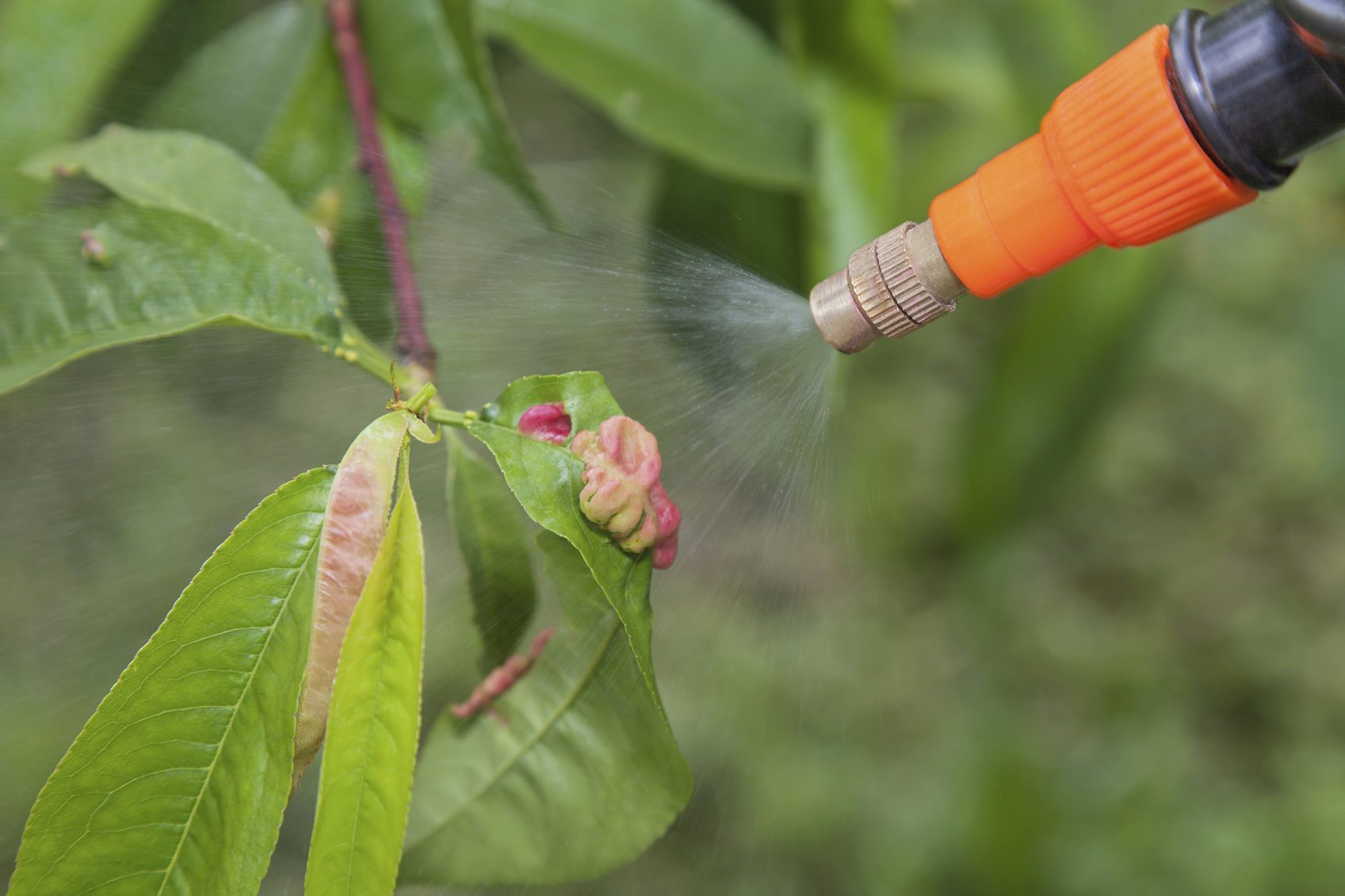
    In winter and until bud break, use organic products such as lime- based solutions to fight against fungi and white oils (rapeseed, with insecticidal properties) .
    They get rid of the eggs and larvae of many parasites (aphid, codling moth, psyllid) or disease spores (powdery mildew, scab).
    It will also be necessary to provide specific care for certain tree species depending on the diseases to which they are particularly prone.
    Also think about horsetail or nettle decoctions , real natural fortifiers to make yourself. 

    Take the weather into account

    To be effective, winter treatments are carried out during a mild period, without the risk of rain in the days to come. This would run off the treatment before it had time to act; it needs to stay in contact with pests and diseases present on trees and shrubs. Likewise, store the products if the wind is raging: during the application, they would be deflected, including in your direction. Do not treat, either, during severe frosts, as liquid treatments will make the buds and bark more sensitive to cold.

    Shelter the auxiliaries

    Some of the pests are eliminated by animals that are easily attracted to your garden.
    Insectivorous birds (chickadees, nuthatches, creepers) devour the eggs and larvae of parasites (aphids, carpocapses, flies, mites) which overwinter in bark crevices. In summer, they take care of adults and caterpillars.
    Bats catch many insects in flight.
    Ladybugs, lacewings and earwigs appreciate aphids, while hedgehogs delight in slugs and snails.

    To welcome these precious allies, provide them with natural shelters such as: country hedges , piles of wood, bundles of twigs with hollow wood or pith , evergreen shrubs… Install nesting boxes, bird feeders , shelters suitable for ladybugs, lacewings and hedgehogs in the garden .