Category: Water in the garden

Water in the garden

  • Water the pots in summer without making mistakes

    Water the pots in summer without making mistakes

    If water is necessary for the pots to flower well, it is still necessary to bring it at the right time and in the right way!

    • Until early September, bring water in the evening, when the sun goes down. The plants will recover after the heat of the day and evaporation will be less. When the nights get cooler, operate earlier: the clods will have time to dry before the temperatures drop.
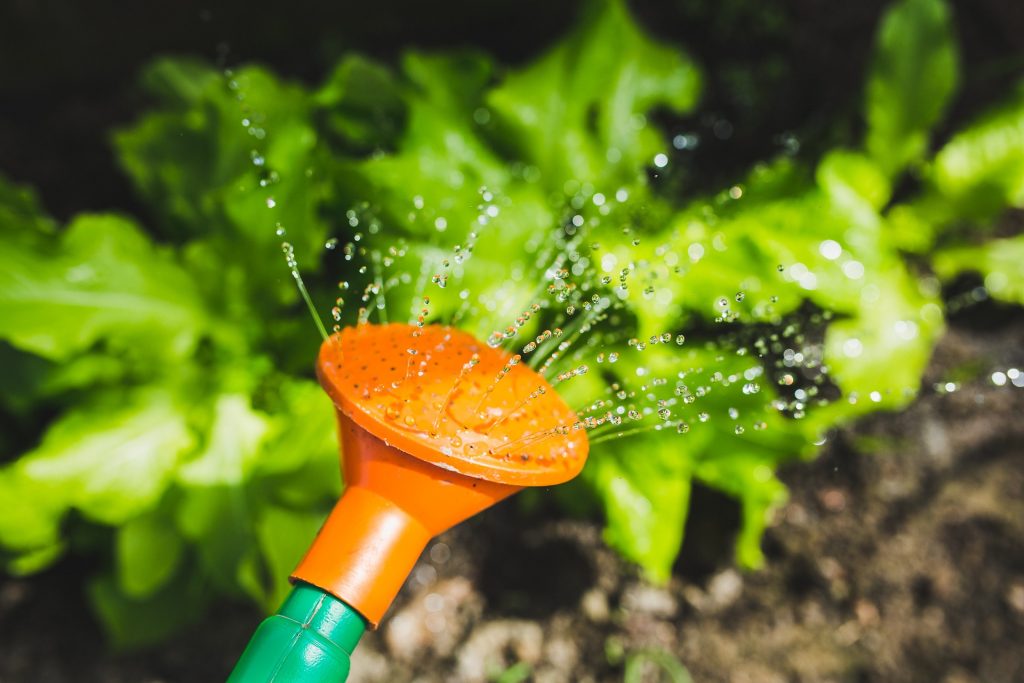
    • Use a watering can with a long spout to slide it between the plants. Water the soil – the roots will easily absorb the water – without wetting the foliage, as this promotes certain diseases: downy mildew, powdery mildew, gray rot, and rust.
    • In hot weather, the needs of plants in full bloom are important. Those located in full sun will hydrate almost every day or every other day, in partial shade. But this frequency is only indicative. The easiest way is to control the humidity of the substrate; touch the surface with your fingers, or even scratch on 1 cm. If you feel the humidity, wait a day before giving the plants a drink. If it is dry, water.
    • Not all plants need a lot of water. The geraniums, gazanias, purslane, bidens, hélichrysums, lantana are more sober than petunias, Surfinia, dahlias, impatiens, lobelias and Brugmansia .
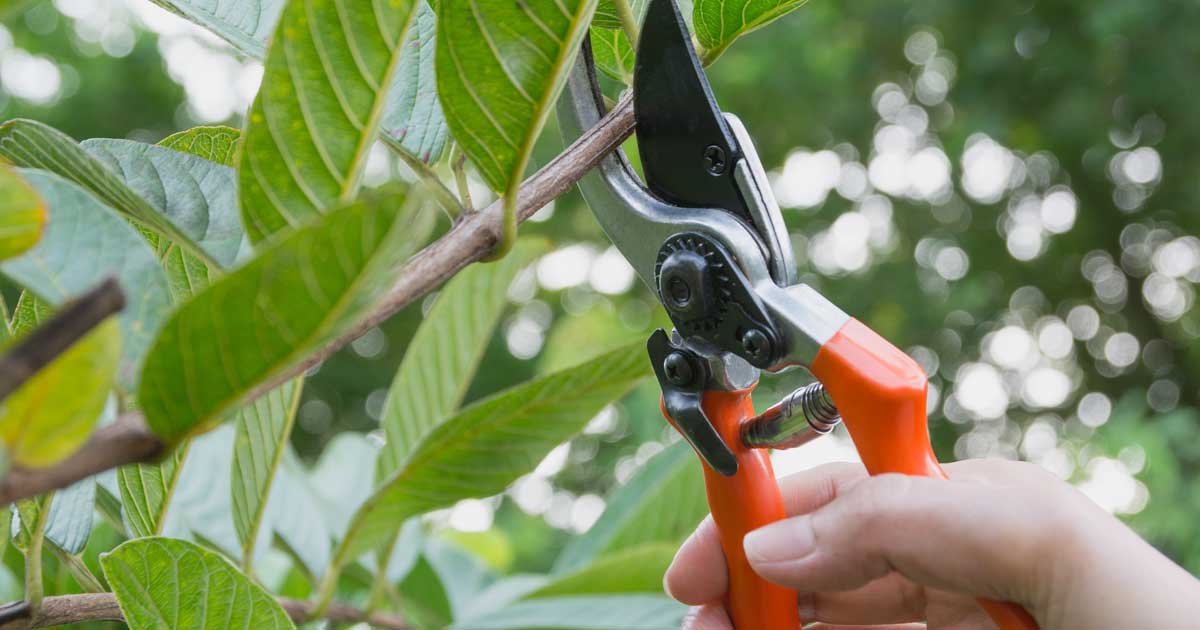
    • In the case of an absence of a few days, install irrigator cones mounted on plastic bottles of mineral water. Prune open and faded flowers, leave the buds. 

    You will enjoy your pots when you come home while limiting your water needs.
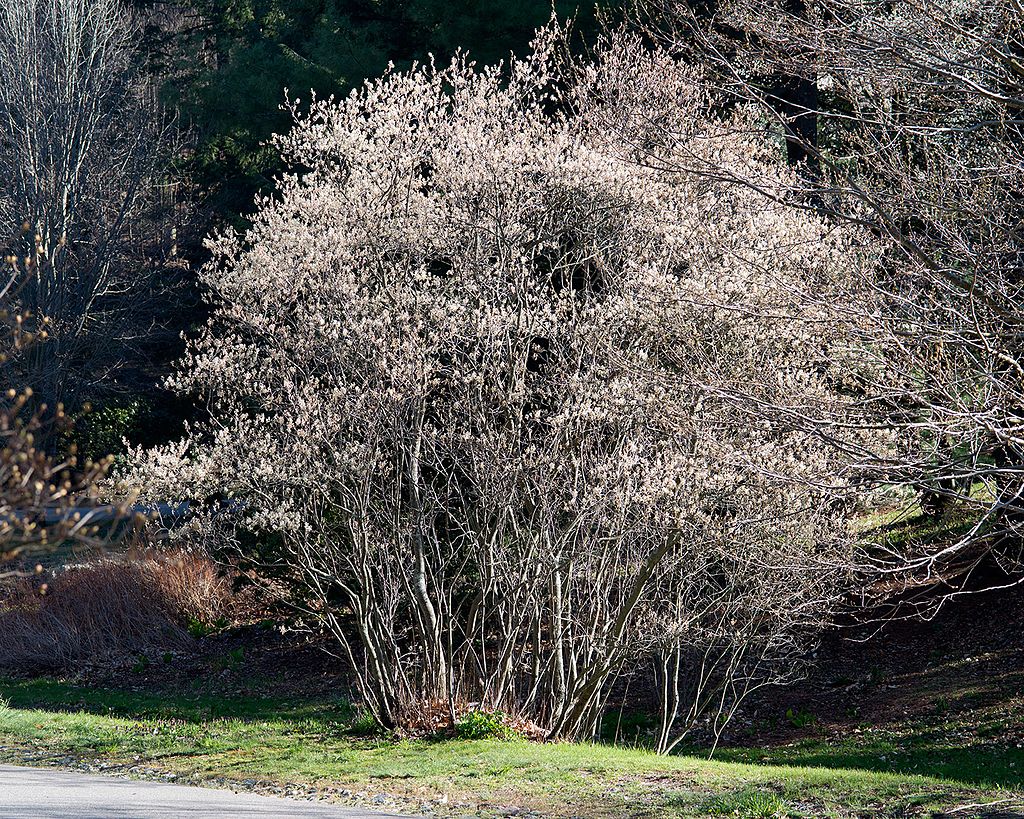
  • Water the serviceberry

    Water the serviceberry

    Serviceberry grows naturally near streams or in damp woods; it, therefore, appreciates cool soils. Watering should be regular so that the soil never dries up completely between two waterings.

    Signs of a lack of water in serviceberry

    • Yellowing foliage that eventually falls off.
    • Restricted flowering.

    Quality of serviceberry sprinkling water

    • Non-calcareous tap water.
    • Rainwater was collected in the tank.

    Necessary material

    • Watering can
    • Garden hose
    • System dropwise

    Frequency of watering the serviceberry

    Most saskatoon trees are acidophilic, it is best to water them with soft water.
    The soil should never completely dry out between two waterings; water even in winter if there is insufficient rainfall.
    The installation of an automatic drip system can be an interesting solution to reduce watering chores.
    In times of drought, water very regularly, preferably in the evening, after sunset so that the plant takes full advantage of the coolness of the earth.
    Water regularly throughout the life of the shrub.

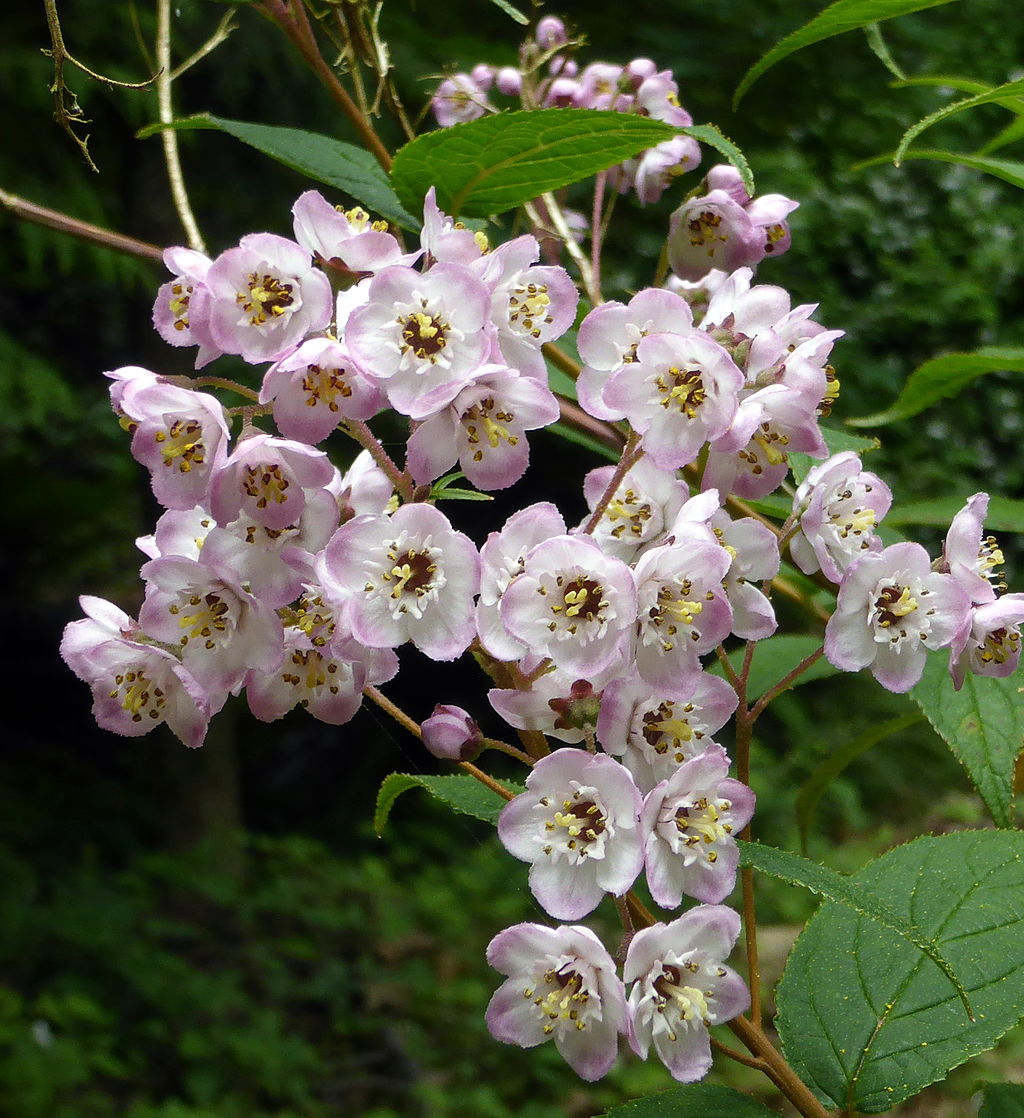
  • How to water deutzia: tips and method

    How to water deutzia: tips and method

    Coming from rather cool climates and dense soils, the deutzia appreciates regular watering, to flower regularly.

    Water requirements of deutzia

    The water needs of deutzia are average, and especially necessary in summer and at a young age.

    Signs of lack of water in deutzia

    In case of lack of water the leaves turn gray, roll up on themselves; flowering stops; young shoots soften.

    Water quality

    All waters are suitable for watering.

    Necessary material

    • Watering can
    • Watering lance

    Avoid sprinklers that promote leaf diseases.

    Frequency of watering deutzia

    Water copiously when planting. Then, from May to September, water plants that have been installed for less than two years. In case of marked drought, water every three to four days (one watering can per plant). This is important in summer when young shoots and flower buds form.

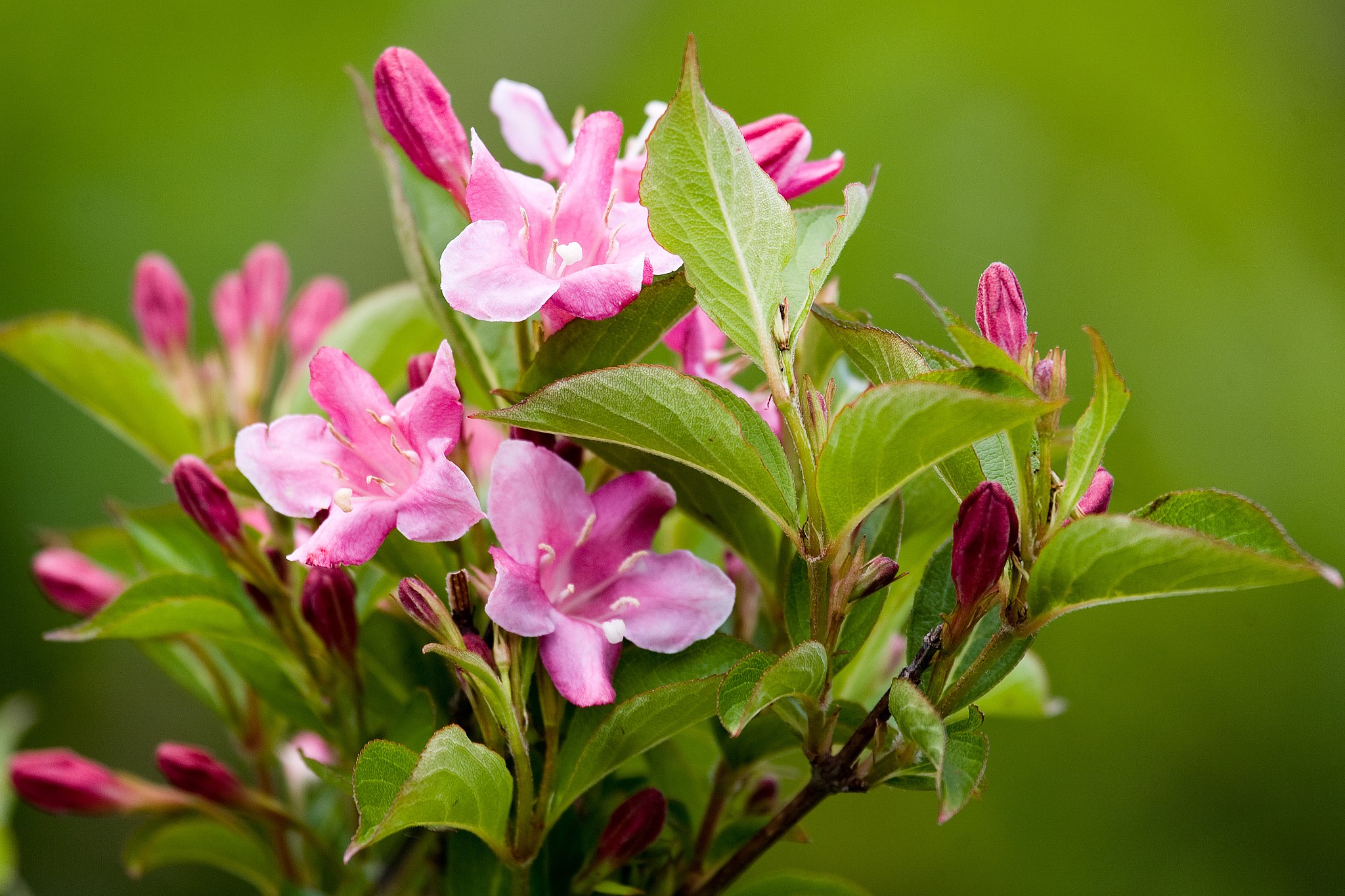
  • Water the weigelia

    Water the weigelia

    The heavy vegetation and broad leaves of the weigelia mean that it has cool soil. In case of drought, additional, copious watering will help it to maintain itself and to flower well.

    Weigelia water requirements

    Weigelia’s water needs are important, especially during the growing season, particularly at a young age.

    Signs of lack of water

    In case of lack of water the leaves turn gray, roll up on themselves; flowering stops; young shoots soften.

    Water quality

    All waters are suitable for watering.

    Necessary material

    Watering can, watering lance.

    Watering frequency

    Water copiously when planting. Then, from May to September, water plants that have been installed for less than two years. In case of marked drought, water every three to four days (three watering cans per plant). This is important in summer when young shoots and flower buds form.

  • How to water broccoli: tips and method

    How to water broccoli: tips and method

    Broccoli needs cool, moist soil. During its installation, at the time of the first heat, mulching the broccoli promotes good water management by the soil.

    The water needs of broccoli

    Broccoli has average needs and suffers as much from lack of water as from excess watering. Mulching can be helpful to prevent evaporation and promote broccoli growth.

    Signs of Broccoli Lack of Water

    Broccoli color fading. 

    Water quality

    Cabbage has no special requirements. It does not like water with an acid PH (in general, water, even recovery water, is not acidic).

    Necessary equipment for the jet broccoli

    Watering can. Broccoli prefers precise watering by hand to prevent its foliage from getting drips.

    How often do spray broccoli

    After transplanting, water once or twice a week to keep the soil cool and moist, peaking at two or three during really dry spells. Once mature, jet broccoli needs less water: a weekly watering will suffice.
    Water preferably at night, late in the evening, or early in the morning.

  • Maintain summer pots

    Maintain summer pots

    In August, the annual planters, having already flowered a lot since May, are often a little less sprightly. With some appropriate care, they will quickly regain tone to continue in beauty until the frosts.

    Clean regularly

    • Cut the flower stems of bidens , gazanias , osteospermums ( Dimorphotéca ) and geraniums at their base .
    • Remove wilted flowers from fuchsias , impatiens, marigolds ( Tagetes patula ) and petunias .
    • Operate two or three times a week, along with watering.
    • Relieved not to form seeds, the plants produce new buds faster and more abundantly. The diascias , némésias , brachycomes and lobelias bloom at the ends of rods which are stretched out. To find a more compact port, shorten them. New flowers will develop until the end of the season.

    Water often

    As the volume of pots and planters is often reduced in relation to the number of plants, the mixture dries out quickly, especially in full sun or in a hot situation.

    • Water containers installed in the sun daily, in the evening, when the sun is warmer, in order to limit evaporation. The plants will have all night to drink before facing the heat again.
    • In partial shade, watering every other day may be sufficient.
    • If a suspension or a hotpot seems really thirsty, bathe it in a large basin of water until all the air bubbles disappear.
    • Then let drain, put back in place.

    Add fertilizer

    To promote the formation of new flowers, add about every ten days a special liquid fertilizer for flowers or geraniums.

    • You will always proceed after watering with clear water so as not to burn the roots.
    • Be sure to respect the dosage indicated on the packaging, prefer a natural fertilizer.
    • Continue the contributions until October for the annuals that you throw away.
    • If you want to overwinter certain plants, slow down the frequency in September, then stop fertilizing at the end of the month. The plants should gradually stop flowering and come to rest. So don’t stimulate them anymore.