Category: Trees and shrubs

Explore the world of trees and shrubs to add structure, beauty, and greenery to your garden. Learn how to plant, prune, and care for a variety of species, from ornamental to fruit-bearing. Discover tips on soil, watering, and seasonal maintenance to ensure healthy growth and a thriving garden landscape.

  • The successful layering of an olive tree grown in pots

    The successful layering of an olive tree grown in pots

    Marking a tree is more delicate than a shrub, but it is achievable with species like the olive tree which tend to produce suckers. Two precautions nevertheless: the operation is delicate because it is necessary to dig the sucker to the sapwood (living part of the wood); if the tree is grafted, then the marcotte will reproduce the characteristics of the rootstock and not of the variety producing the olives.

    An olive tree mounted on a stem sometimes emits one or more twigs (greedy) on the trunk. Without intervention, the olive tree would divide in the lower part and lose its initial appearance. Hence the interest in cutting the branches positioned on the barrel, under the crown, as you go. However, this pseudo-gourmand can be used to reproduce a new olive tree thanks to air layering. This multiplication method is applied to plants with erect stems which cannot be pinned to the ground, under penalty of breakage.
    The best time to lay an olive tree is in spring, but this can also be done almost all year round except in cold weather.

    Air layering of an olive tree: step by step

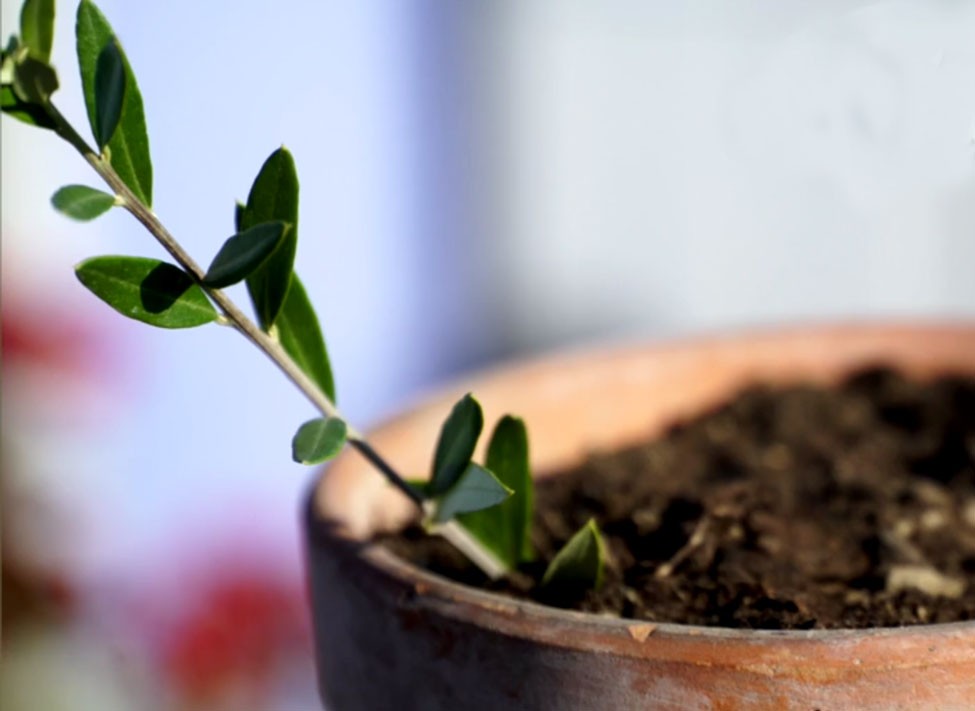
    In principle, air layering is carried out with a sleeve. Here, the layering branch is low enough to take root in a pot.

    1. Pour a drainage bed at the bottom of the pot.
    2. Thread an iron wire into the water drain hole which will then be used to hold the layer pressed against the substrate.
    3. Fill the pot 2/3 full with a mixture of half garden soil and the other half of universal soil.
    4. Dress the future marcotte by removing the leaves positioned along the stem in the lower part. No leaf should be buried.
    5. Incise the stem with a sharp blade lengthwise at the level of the future buried part.
    6. Hold the layered layer with the wire so that it cannot go up.
    7. Cover the marcotte with soil and potting soil.
    8. Straighten the layer with a tutor.
    9. Water copiously.
    10. Mulch over to avoid drying out.
  • Thinning the ash tree

    Thinning the ash tree

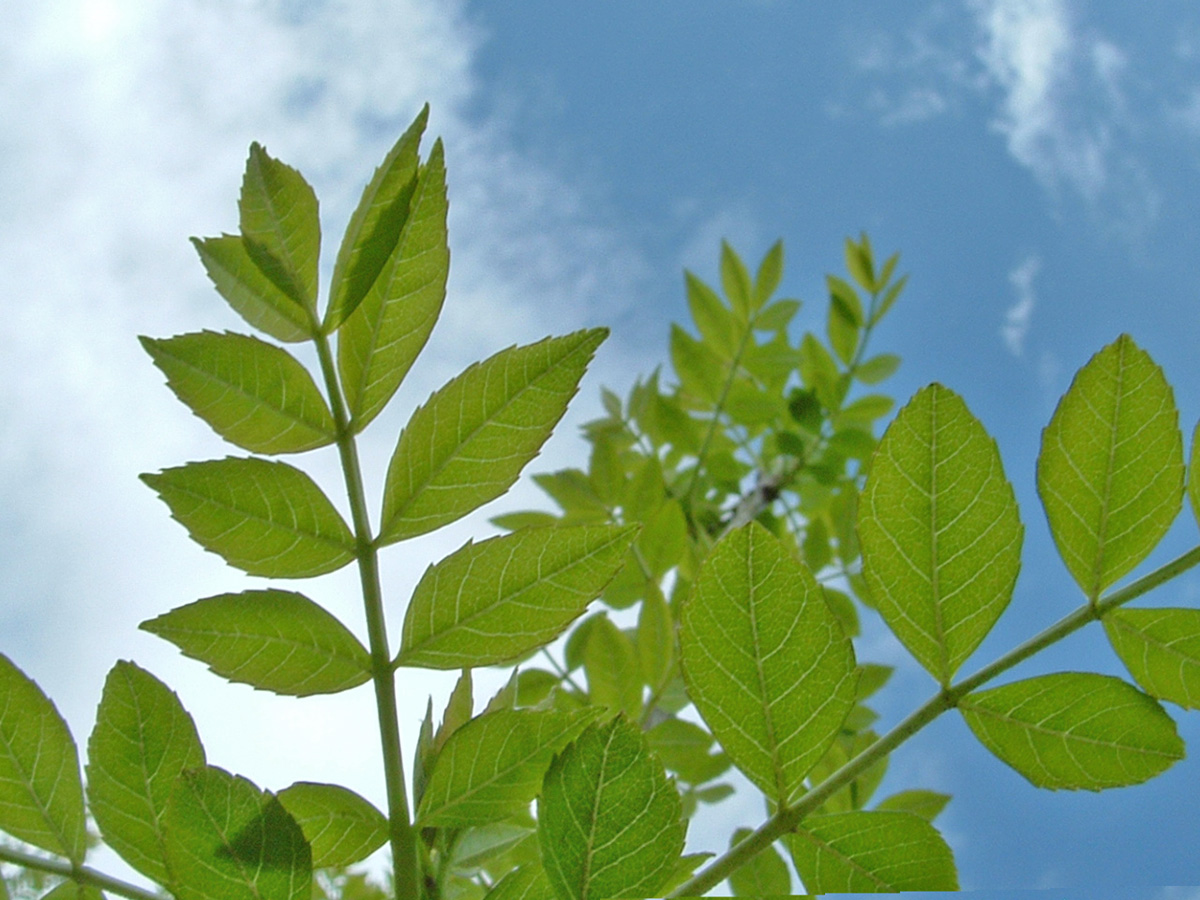
    Young ash plants do not transplant from the first winter. If they are too tight, thin out the seedlings sown in the nursery.

    When to thin ash?

    If you do not want to recover the removed plants, the thinning of the young ash trees can take place as early as the summer following sowing, so that the remaining plants can grow properly.
    If you wish to recover the plans removed for transplanting them in the ground or in pots, wait until the first winter to carry out the thinning.

    How to thin ash?

    If the removed plants are not to be collected, cut them below the collar with an asparagus picker. This prevents damage to neighboring plants.
    If they must be recovered, take a spade, lift the earth and pull on the plants to be removed, without injuring the others.

  • Apricot tree blossom

    Apricot tree blossom

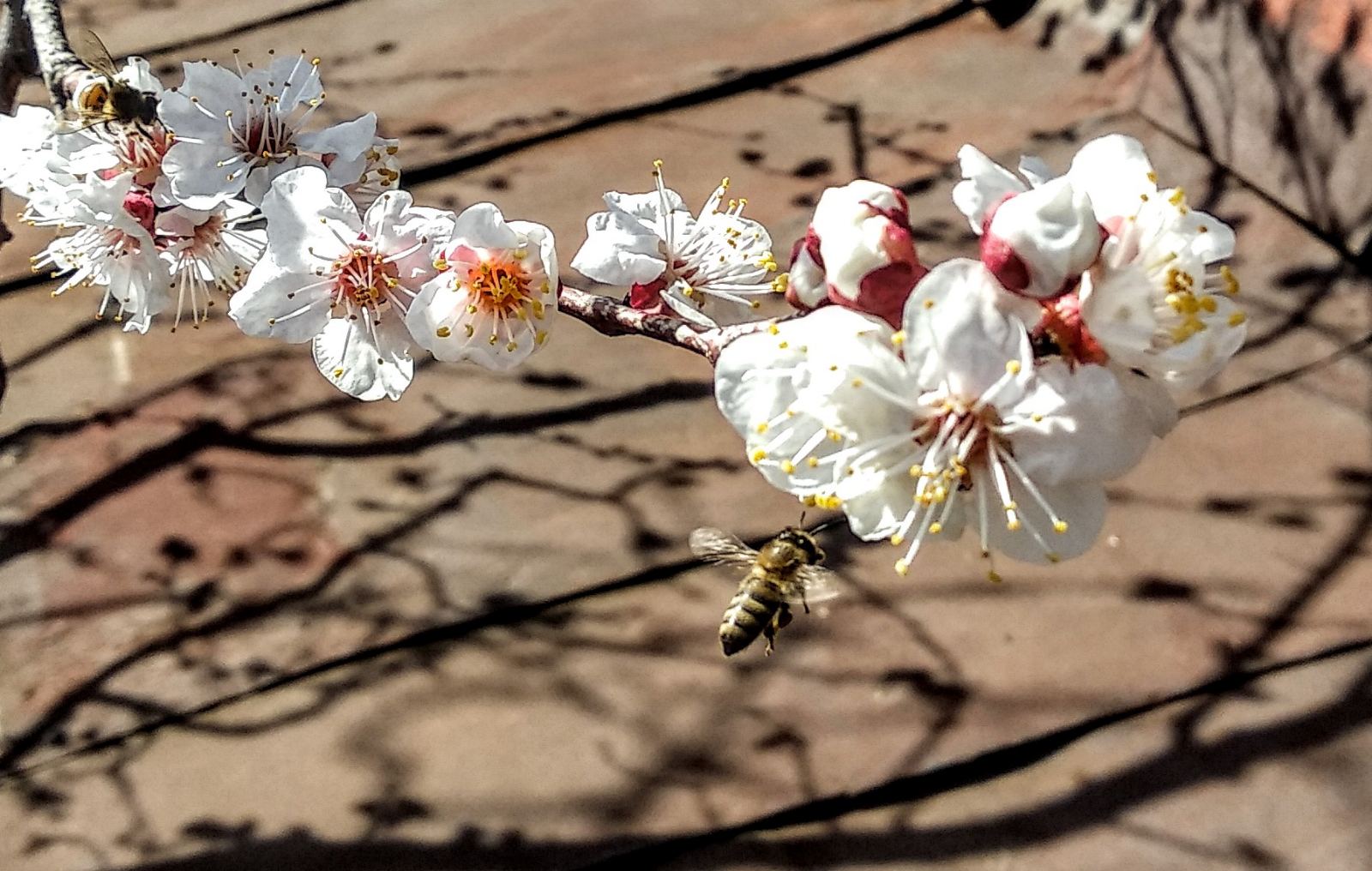
    Apricot blossoms are the edible flowers of the Prunus Armeniaca tree that precede the small, peachy-orange fruits that later develop in the summer. Apricots are members of the Rosaceae family, and classified as a stone fruit alongside plums, cherries, peaches, nectarines and almonds.

    Apricot Health Benefits

    Thanks to their high amount of vitamins, flavonoids, and potassium, apricots have significant health benefits.

    Flavonoids work to protect and strengthen your blood vessels while reducing signs of inflammation. Potassium, an important mineral for nerve and muscle function, is also crucial for helping nutrients move around the body. Plus, it supports healthy blood pressure and heart health.

    Here are a few more health benefits of apricots:

    Skin Protection

    Antioxidants like vitamin E and vitamin C are known for their skin-boosting properties. They can help to protect skin cells from ultraviolet (UV) radiation, reduce signs of early wrinkles, and improve skin elasticity. Beta-carotene is another antioxidant that helps to protect your skin from sunburns and additional UV damage. Since apricots have high water content, they’re also a good way to hydrate your skin. One cup of apricots offers about 2/3 of a cup of water.

    Healthy Vision

    Rich in vitamin A, beta-carotene, and other carotenoids, apricots are excellent for promoting eye health. Lutein helps to support retina and lens health, while carotenoids and vitamin E support overall vision. Apricot nutrients also help to reduce the risk of macular degeneration and cataracts.

    Better Digestion

    Apricots offer plenty of good dietary fiber to help your digestive tract. Their total fiber content is about half soluble fiber and half insoluble fiber. Soluble fiber helps your digestive tract retain enough water and encourages good bacteria to thrive. Insoluble fiber is also good for healthy gut bacteria levels.

    Nutrients per Serving

    One whole, fresh apricot contains:

    •  Calories: 17
    • Protein: Less than 1 gram
    • Fat: 0 grams
    •  Carbohydrates: 4 grams
    • Fiber: 1 gram
    • Sugar: 3 grams
    • Cholesterol: 0 milligrams
    • Sodium: 0 milligrams

    Apricots are low in fat but rich in vitamin A and beta-carotene. These nutrients act as antioxidants to protect your cells from damage.