Category: Weather lesson

Explore the fundamentals of weather and how it affects gardening, plants, and daily life. Learn about temperature, rainfall, wind, and seasonal changes, and discover practical tips for planning garden activities according to weather patterns. Understand how to adapt and protect your plants in all types of weather.

  • Spring too cool: a persistent cold in the garden

    Spring too cool: a persistent cold in the garden

    What to do in the garden in spring with this persistent cold? Here is how to further protect the garden and take advantage of this prolonged winter.

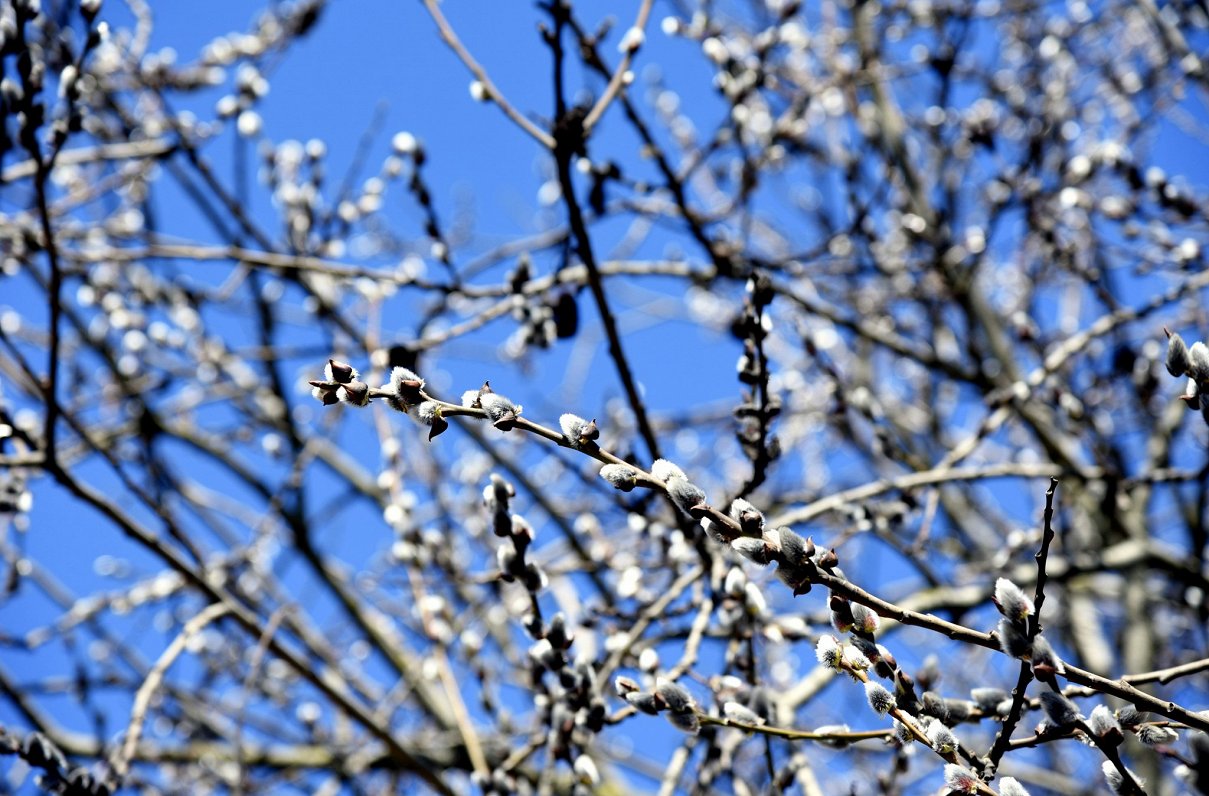
    At the beginning of April, the temperature still resembles that of March: spring has started but the vegetation is a good month late, despite the forsythias which show small pink buds!

    • The fruit trees ( apple , pear , …) and trees nuclei are not yet in bloom. This protects them from a possible late refreezing, which would risk destroying the fruit harvest (what we experienced in March 2012, the trees flowering very early).
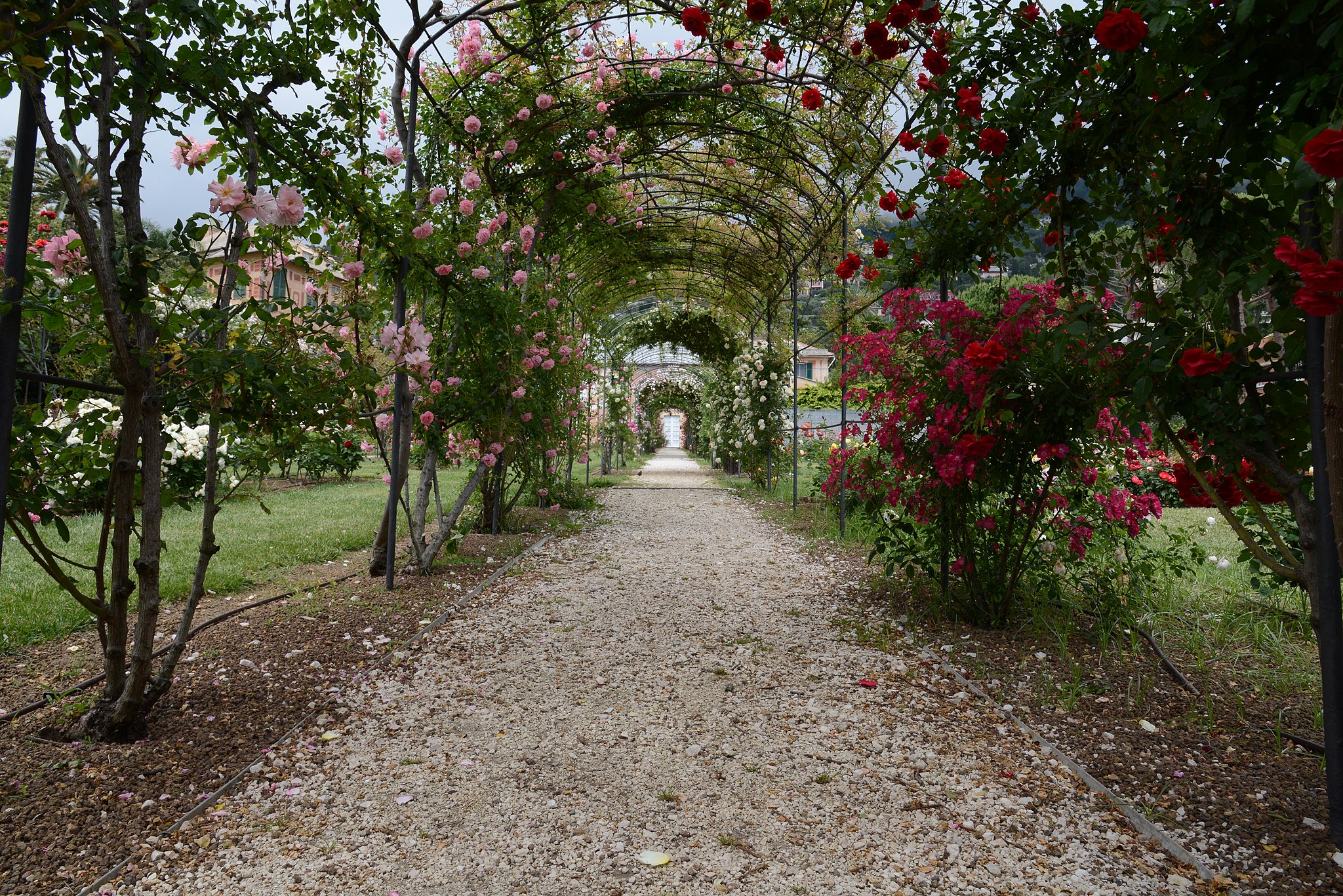
    • It is still possible to prune summer flowering shrubs (such as roses ) because nothing beats the “late” cut in March. They can start again on the axillary buds even if they have experienced small drops of jelly on the tips of the leaves.
    • The marcescent foliage (arbor,…) has retained its leaves roasted by winter and should begin to lose them soon, a sign that spring is coming.
    • It is not too late to extend the planting of trees or shrubs with bare roots ( blackcurrant , currants , etc.) if we take maximum precautions (they must not be already budding).
    • The biennial plants ( thoughts , forget me not, daisies, carnations , …) do not fear the cold. They can be planted to decorate a balcony that is lacking in color, for example.
    • As for the vegetable garden : nothing prevents you from planting cabbages , lettuce, leeks, or even radishes in the vegetable garden. You just need to protect them with a wintering veil .
    • On the other hand, you have to wait for the weather to be better before putting the frost-free plants ( tomatoes, cucurbits , etc.) outside, even under shelter. They can still be grown in the heat, in a greenhouse , on a veranda , or even behind a bay window at home.
  • Palm Sunday and the weather: sayings

    Palm Sunday and the weather: sayings

    The wind that blows at the time of Palm Sunday would be the one that should persist throughout the beautiful season. The time of this festival would also be that of the year. To check it, remember to note the weather this weekend.

    In 2017, Palm Sunday is April 9 (in 2016, it was March 20, the official spring day). This date changes from year to year, like Easter: “Easter is the Sunday following the fourteenth day of the Moon which reaches this age on or immediately after March 21”. The fourteenth day of the Moon being the day of the full Moon. The sayings giving weather forecasts relate to the day or the weekend of Palm Sunday and do not indicate a precise date.

    “The wind which is blessed on the Palm lasts the least during the year.”
    From one saying or from one proverb to another, the moment to note the direction of the wind of Palm Sunday is not always the same. Some indicate instead the time of the blessing during Palm Mass. Others remain more vague and only mention the wind blowing during the day, but since the wind sometimes changes direction during Palm Sunday, this latter forecast would be less reliable.

    “If the wind is north on Palm Sunday, it won’t be hot all season long.”
    An easterly wind would also be the sign of a predicted relative freshness. And in both cases, dry weather … a more southerly wind would herald a warmer year. With a westerly direction, we should expect a rather wet year.

    “If it rains on Palm Sunday, a year of rain.”
    Palm Sunday is Sunday. But another saying refers to Saturday: “Palm Saturday is done all year round.”

    If you’re passionate about weather forecasting, have fun recording the weather and wind direction on Saturday and Sunday. And over the months, you will be able to determine whether or not the sayings have given the right indications.

  • Redoux in winter, no rush in the garden

    Redoux in winter, no rush in the garden

    After a particularly cold and snowy late autumn and early winter, the weather gives us mild temperatures that panic the vegetation and animals. But this warmth in the middle of January should not encourage us to do anything and everything in the garden because winter is far from over. A small inventory of actions to be taken or postponed as long as the risk of severe frost is still to be feared.

    A few days with very mild temperatures were enough for the vegetation to restart. As soon as the weeds started to grow, the buds of the shrubs swelled, the hellebores, winter jasmines and sarcococcas were covered with flowers and the spring-flowering bulbs rose from the ground. I even saw bees come to forage on the few flowers in my pots.

    But this very early start to the vegetation and the length of the days, which ostensibly lengthens, should not make us forget that there are still two winter months left and that the risk of severe frost is still significant. Usually, the coldest time of the year in France is around January 20 and February.

    Gestures and gardening work to do in mild weather

    Take advantage of these pleasant periods of time to continue cleaning in the garden:

    • cut the dried leaves of sleeping perennials,
    • pull up summer or autumn vegetables left in the vegetable garden,
    • empty the pots and planters of now roasted annual flowers,
    • eliminate weeds, especially perennials such as thistles, bindweed or quackgrass.

    As long as it does not freeze, it is necessary to carry out the pruning of the trees which need it and the soft pruning of the fruit trees. Don’t forget the berry shrubs (blackcurrants, raspberries, currants, and blueberries) and fruit lianas ( kiwis , blackberries and vines ).

    When the ground is well thawed and if it is not too wet, it is necessary to continue the planting of trees and shrubs with deciduous foliage, in particular for the plants sold with bare roots. You can also install a new hedge, boxwood borders, or a new rosebush. Take advantage of the ambient mildness to transplant a tree is placed.

    There is still time to bloom your windowsills, balcony, and garden with biannual flower seedlings that will last all spring. Forget-me-nots, daisies, pansies, violas, and wallflowers will offer generous flowering in a few weeks. You can marry them with primroses which can be kept from one year to the next and bloom again easily without too much care.

    Actions and tasks to avoid and postpone at the end of winter

    Even if your roses are showing obvious signs of recovery, they should not be pruned in the heart of winter. Pruning in January could prompt them to immediately re-shoot new tender shoots that would be toasted by another episode of severe cold. And for once, flowering would be seriously compromised or delayed.

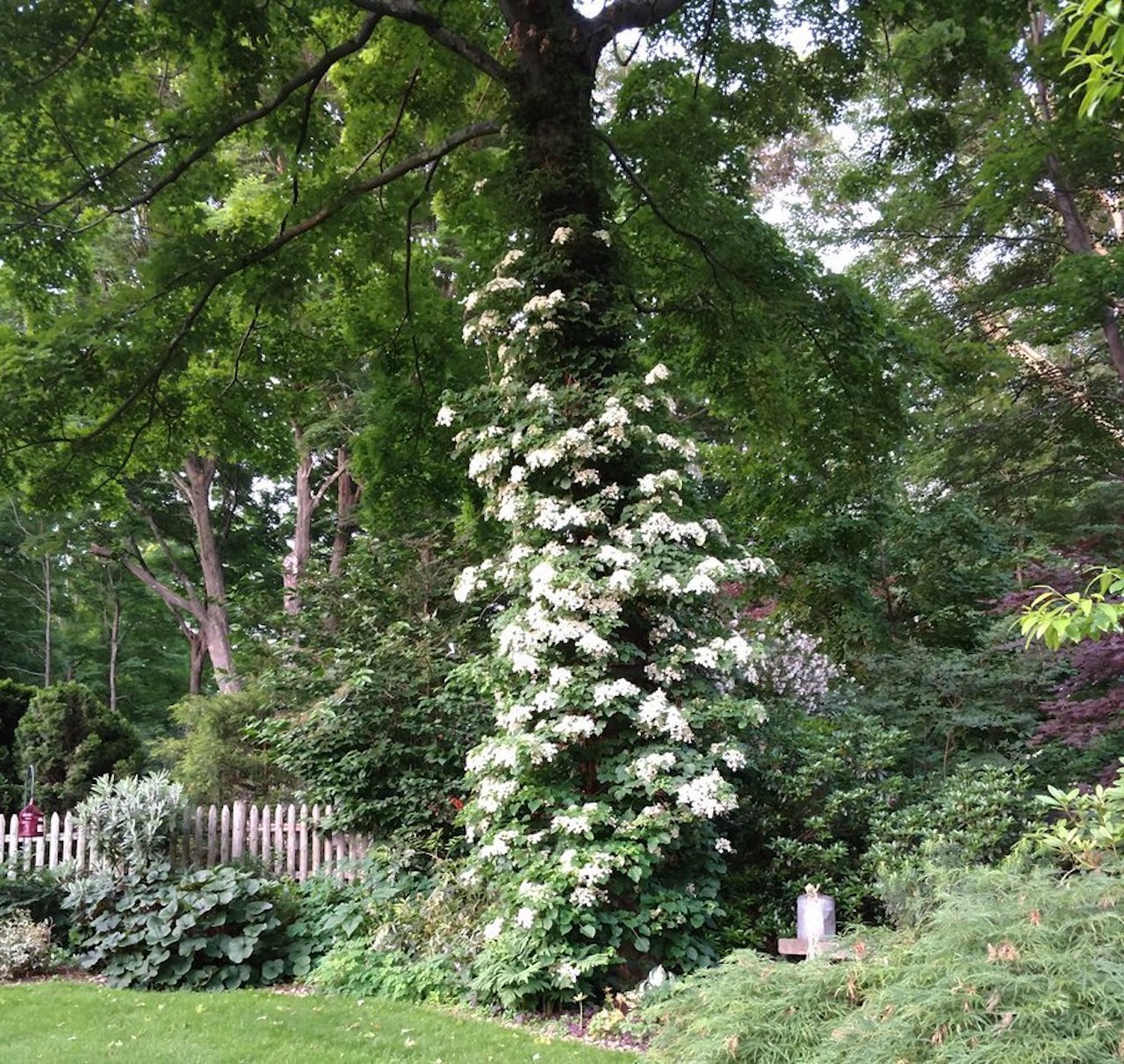
    The same is true for all deciduous summer-flowering shrubs: altheas, pheasant trees, buddleias, caryopteris , hydrangeas and hydrangeas, shrub lavatera, perovskias, etc.

    Wait a few more weeks before cleaning and cutting back any dried-out leaves from the grass clumps. The best time is when new green leaves appear, sticking out through the old foliage.

    Do not replant forced bulb pots (crocuses, hyacinths, daffodils, or tulips) outside right away, even if they are hardy species. After forcing under shelter and a more or less prolonged stay in the house, they are much more sensitive to cold snap, the foliage not being hardened. As long as severe frosts are possible, it is preferable to install them under a frame or in a very bright and unheated room, but frost-free.