Category: Vegetables and vegetable patch

Learn how to grow fresh, healthy vegetables in your garden or backyard patch. Discover tips on soil preparation, planting, watering, pest control, and seasonal care to maximize yield. Explore practical advice for maintaining a thriving vegetable garden and enjoying homegrown produce all year round.

  • How to sow in a bucket: tips and advice

    How to sow in a bucket: tips and advice

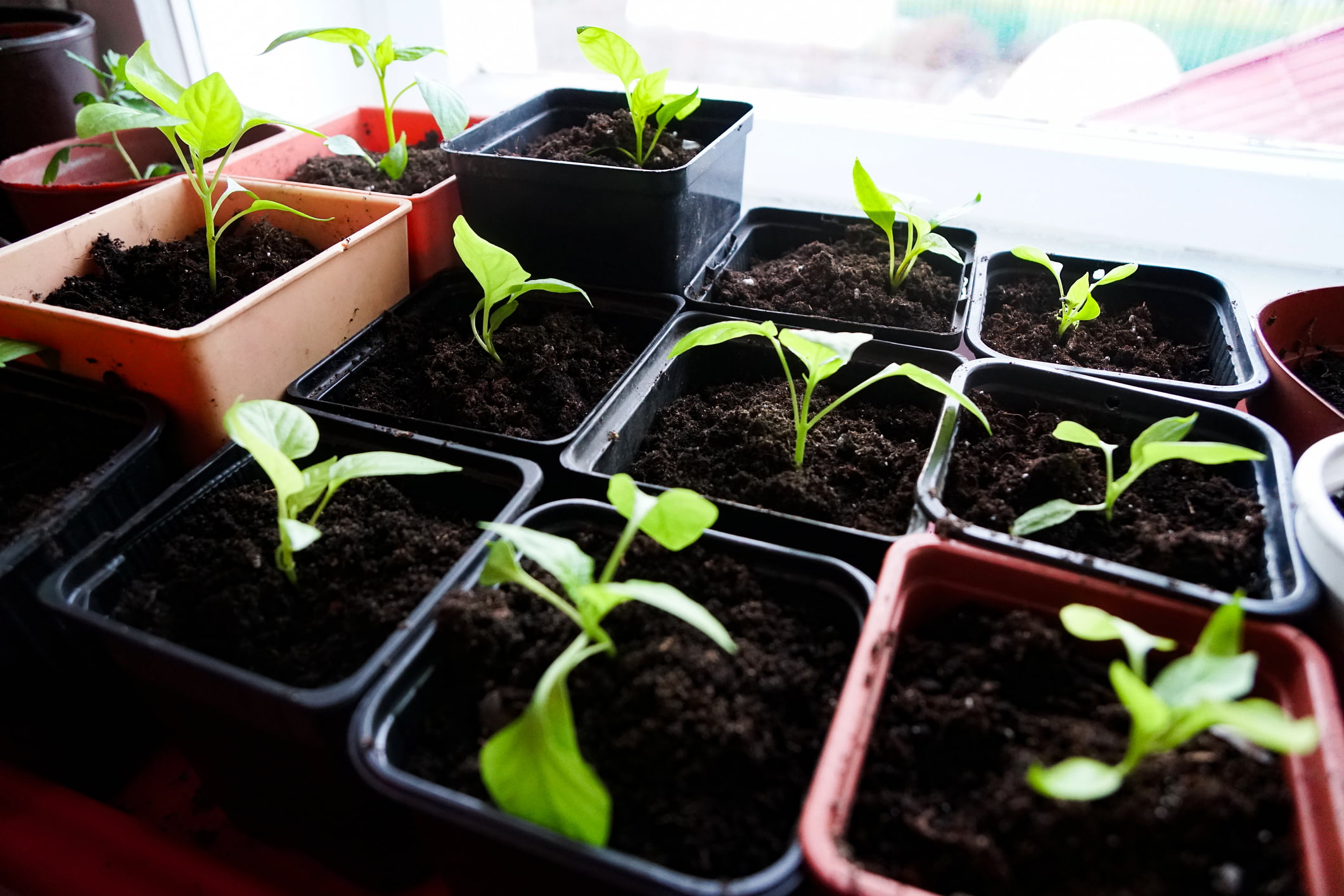
    Successful sowing in a bucket: techniques and advice

    We sow in as many pots as there are plants needed, or even a little more for safety.

    Advantages and disadvantages of sowing in pots

    • Advantage : when sown in this way, a plant can stay in the same place until it is transplanted outside.
    • Disadvantage : it requires more space than sowing in a container.

    Choice of varieties to sow

    • What to sow? Large-seeded species, those that grow quickly, those that do not support transplanting or that are only needed in small numbers ( eggplant , basil , pepper , squash ).
    • The keys to success : sow in a bucket 3 or 4 large seeds and 5 to 7 small. Keep the most beautiful plant that came from it and remove the others.
  • Mulch the squash

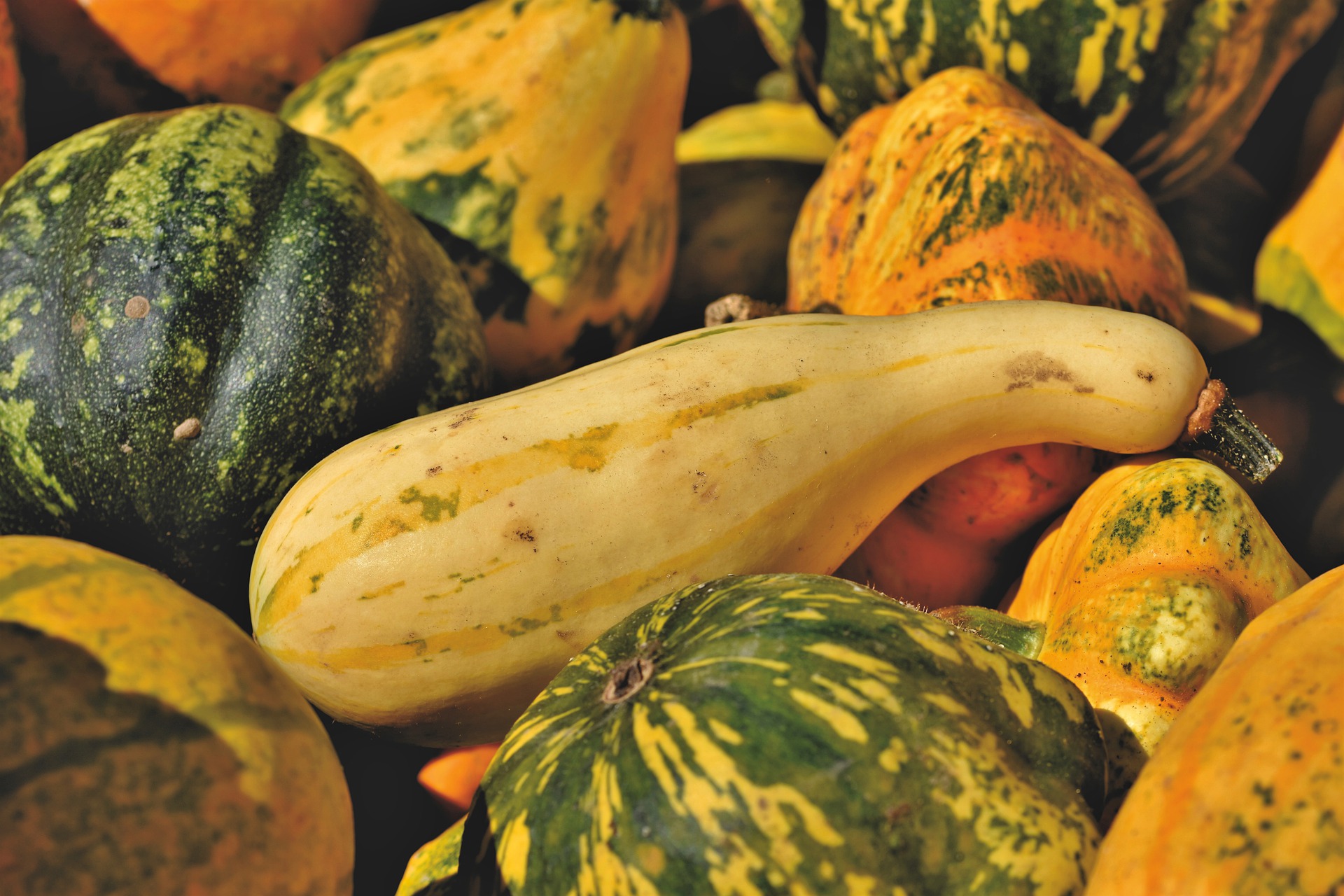
    Mulch the squash

    Squash have fairly deep roots and tolerate lack of watering. However, a prolonged drought harms the good development of the fruits. Putting in place a good mulch will allow both to maintain the heat of the soil or to delay its warming, to fight against weeds, to reduce evaporation but also to isolate the fruits from direct contact with the soil.

    Squash mulch period

    Before sowing if installation of a mulch film, after the second pinching for a vegetable mulch.

    How to mulch the squash?

    The most widely used and effective method is black polyethylene film. Not very environmentally friendly, since it is made from petroleum, it can advantageously be replaced by a biodegradable starch-based film. The double interest of these black films is to warm the soil at the start of the crop because the squash needs a lot of heat and to prevent the growth of weeds.

    • Spread the film in line throughout the crop before sowing. Openings will be made at the location of the seed pockets.
    • Sow the seeds, thin out then cultivate without worrying about the mulch film which will decompose on its own in the soil (provided you do not use polyethylene).

    In the case of the installation of a vegetable mulch (mowing residues, straw):

    • Install mulch as soon as the stems begin to crawl directly at the base of the plant.
    • Overflow widely on the periphery because creeping varieties tend to spread (at least 2.5 m).
    • Add a layer of straw during cultivation if necessary.
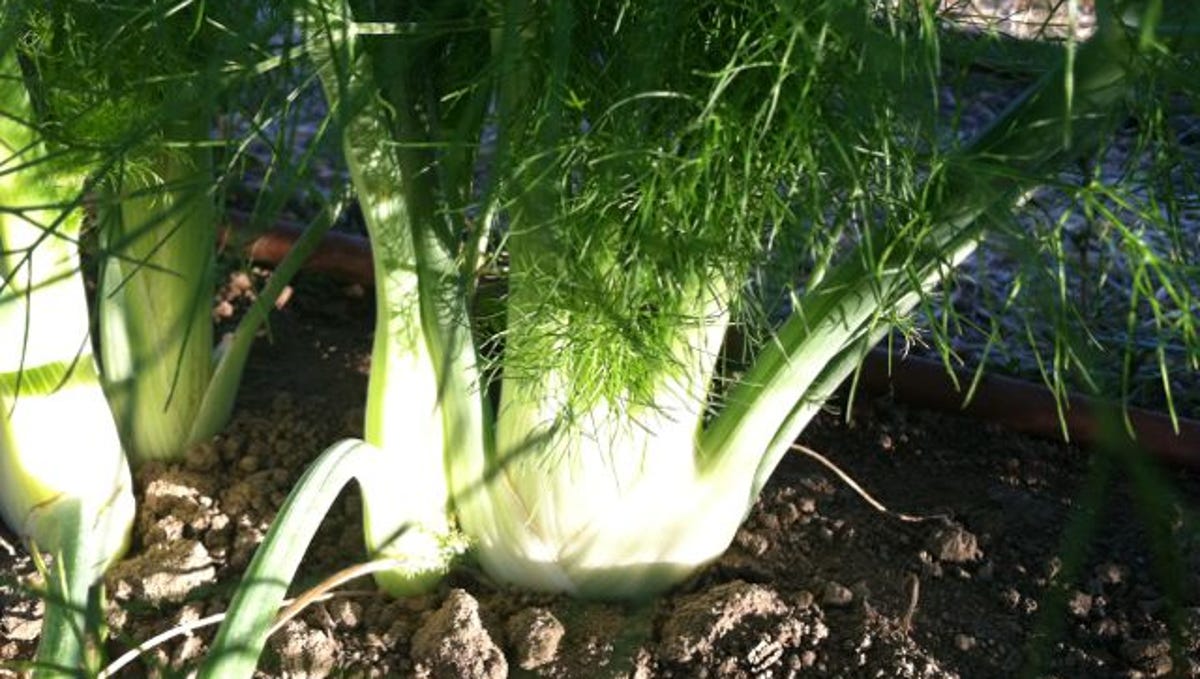
  • Water the bulbous fennel

    Water the bulbous fennel

    Watering the fennel depends on the size of the petioles which form the fleshy apple which is eaten.

    Bulbous fennel water requirement

    The water requirements of fennel are average, even if they become a little more important in the summer.

    Signs that bulbous fennel is lacking in water

    The lack of water causes the seed to rise prematurely and blocks the formation of the apple.

    Water quality for watering bulbous fennel

    The rainwater and tap water are suitable.

    Materials needed for watering bulbous fennel

    An apple watering can for watering in fine rain is quite suitable.

    Frequency of watering bulbous fennel

    Make waterings followed after sowing and transplanting between March and May. During the growth of the plant, which lasts from April to September, watering will be more punctual, carried out during each episode of drought.
    In summer, water copiously to avoid the rise in seeds which will be to the detriment of the consumed part, the petioles.

  • Successful watering of parsnip: need and frequency

    Successful watering of parsnip: need and frequency

    Like most root vegetables, parsnips are capable, if well rooted, of obtaining water in most situations.

    Water requirement

    Low, except during prolonged drought.

    Signs of a lack of water

    Dehydration is seen by the yellowing and wilting of its outer parts.

    Water quality

    Rainwater , spring water or mains water are equally suitable. The water can be cold or lukewarm.

    Necessary material

    A watering can or a hose . Accurate watering is always preferable for good water use.

    Watering frequency

    It is important to keep the soil moist before and after the parsnip emerges, so that it settles properly and grows its roots deep into the soil. In this way, it is able, except in the event of prolonged drought , to fetch the water it needs.
    In all situations, it is best to water at night, late at night, or early in the morning.
    To limit the evaporation of water from sowing, hoeing , weeding and mulching are extremely useful.