Category: Massifs and pots

Explore creative ideas for planting and arranging flowers, shrubs, and ornamental plants in garden beds (massifs) and pots. Learn tips for soil selection, planting, watering, and seasonal care to create vibrant, eye-catching displays. Perfect for gardeners looking to enhance outdoor or indoor spaces with colorful and organized plant arrangements.

  • Colorful pots for fall

    Colorful pots for fall

    Cheerful, cheerful! Autumn on the balcony… As long as you start making a few pots and planters to color it.

    A visit to his usual point of sale will stock up on plants to make planters or pots or to hang on his balcony.
    Harmonize the colors between them, and think about extending the periods of interest until spring. The evergreen foliage will complement the fall blooms.

    Pansies and violas

    Classics, pansies and violas tire when they are installed alone, even if their colors can be varied.
    In the sun, install these violas in the company of dwarf asters, chrysanthemums, heather.
    In light shade, marry them with cyclamen .

    Ornamental grasses

    The linear leaves with the drooping shape of small sedges bring lightness.
    For a hotpot exposed to soft sun or light shade, install a bronze to orange sedge (Carex testacea) or variegated cream (C. oshimensis ‘Evergold’).

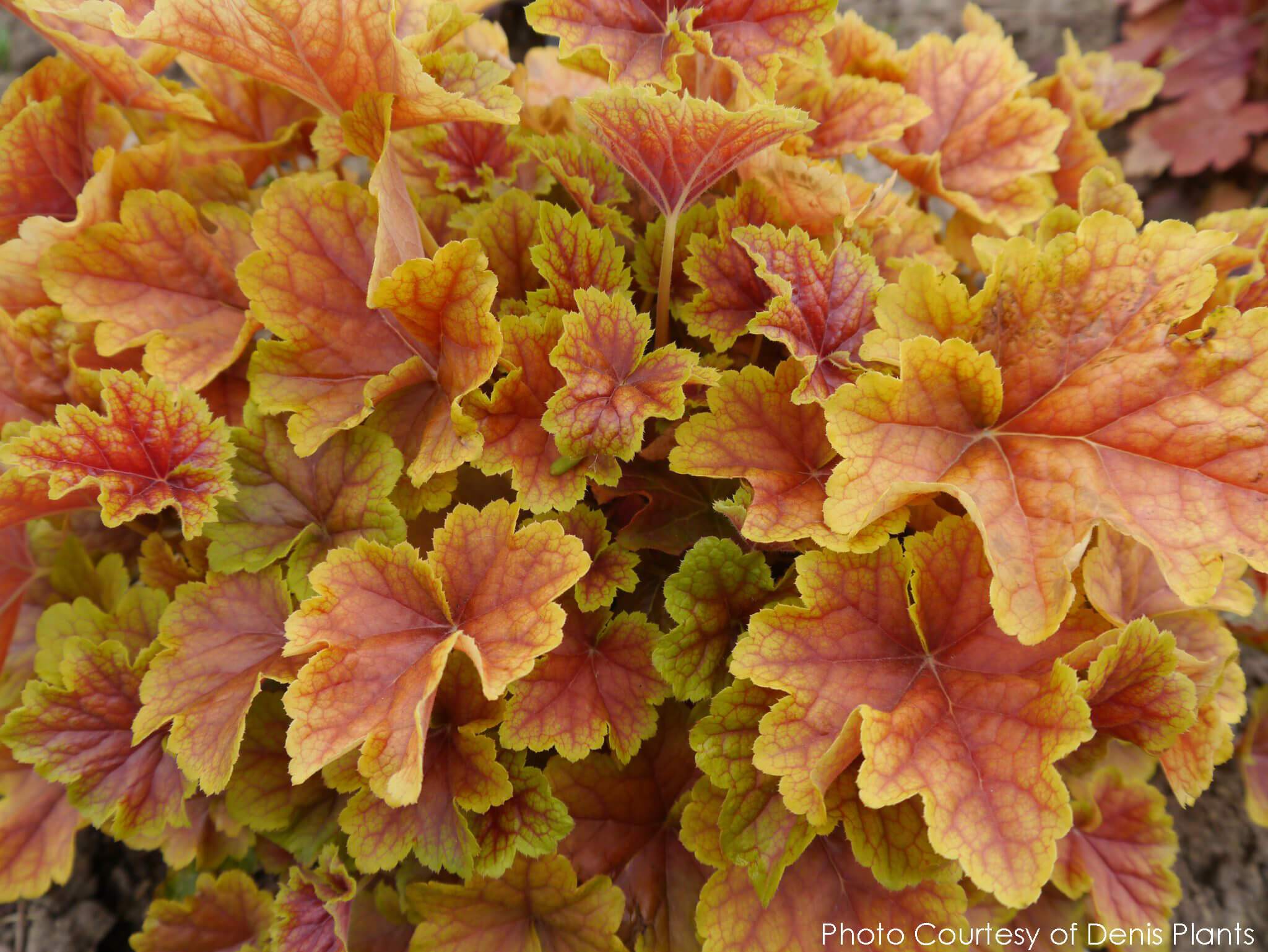
    The colorful foliage of heucheres

    The leaves of the heuches are superb all winter.
    Bright purple colors ( Heuchera ‘Beaujolais’, H. ‘Chocolate Ruffles’, H. ‘Obsidian’) appreciate the sun.
    For a partial shade exposure, prefer paler leaves ( Heuchera ‘Caramel’, H. ‘Cinnabar Silver’) or tangy ( Heuchera ‘Citronelle’).

    Silvery foliage

    Also think of the silvery gray foliage of the golden baskets, the helianthemums, the bear ears which will form beautiful contrasts.

    Antifreeze containers

    Choose pots that will not burst with freezing and thawing: non-freezing terracotta, plastic or wood.
    Glazed pottery, which does not evacuate moisture, is more fragile.

    Install the plants

    Buy the plants in pots or small pots.
    Moisturize the clods before planting them until the air bubbles disappear.
    Deposit and install the plants tightly enough.
    Slide potting soil into the voids up to 2 cm from the edges.
    Firm by hand and water.
  • Small bouquet for summer pots

    Small bouquet for summer pots

    In the fall, it’s time to reinvigorate declining pots by cleaning and replacing perennials with seasonal ones.

    Mid-October, it’s time to transform your planters and pots so that they are decorative in late autumn and all winter.

    • First, pull up the annual plants. Traditional perennials will go dormant, while others will retain their foliage, such as heuches . As for the grasses, they are tinged with gold or purple and remain decorative in the bad season, sparkling under the frost.
    • Cut back the following spring to see the new leaves appear.
    • Clean the plants to be preserved, by removing the damaged leaves, and surfacing with a substrate composed of potting soil and compost, on a few centimeters.
    • Pack.
    • Replace annuals with primroses , pansies or violas that will bloom all winter amid grasses and other perennial plants.
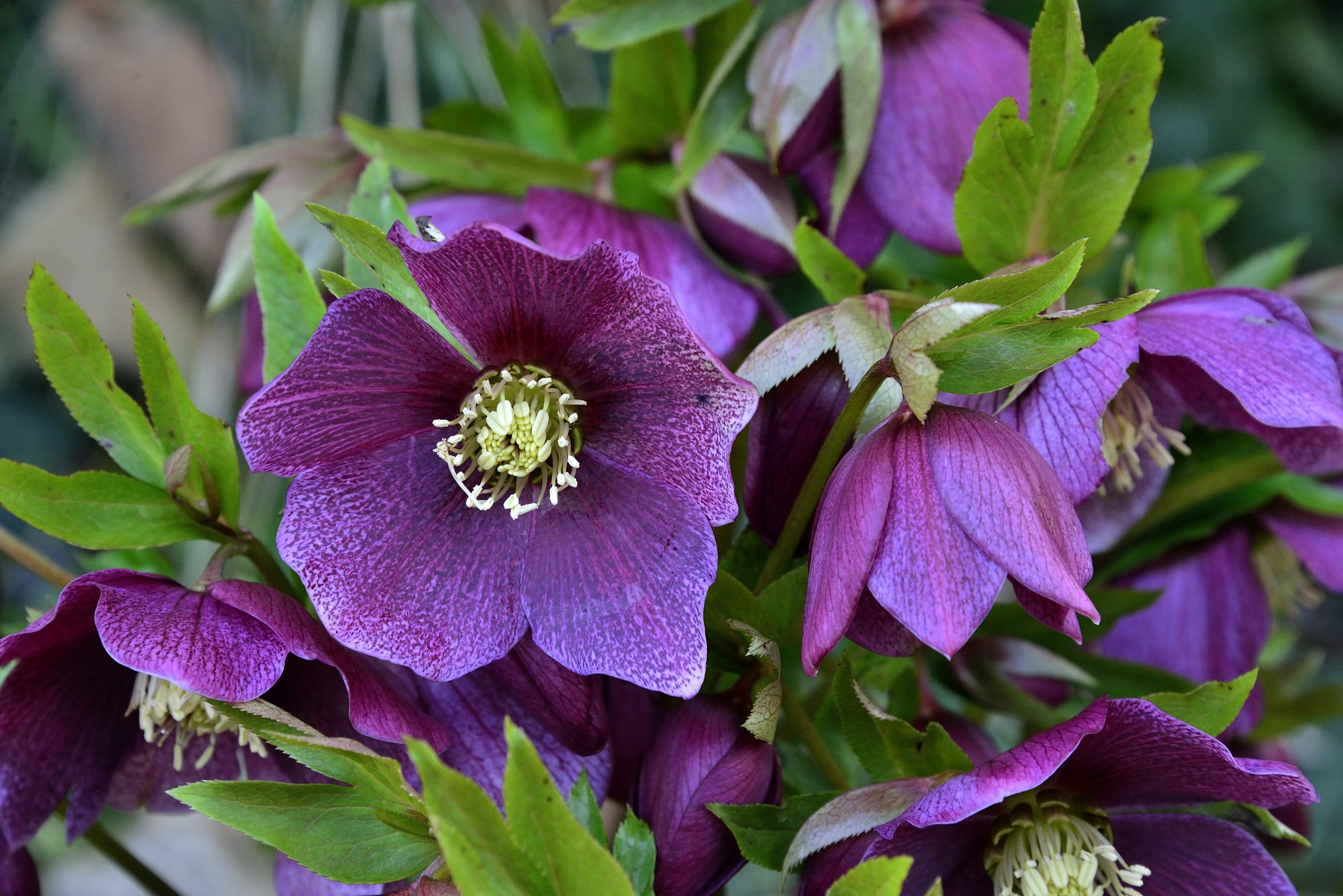
    • If there is room, add one or two ivy with small leaves, to fall back to the front, a hellebore , a heather or an evergreen fern.
    • Plant a few small bulbs (snowdrops, grape hyacinths, crocuses, etc.) to obtain a charming flowering from February.
    • Pack well with your fingers, fill with compost if necessary. Water.

    In winter, add water when it is not freezing and the soil is dry on the surface.

  • Install a border of yellow perennials: step by step

    Install a border of yellow perennials: step by step

    Take inspiration from English gardens by creating this generous border of perennials, which will remain elegant for a long time and brighten up your summer.

    Preperation

    Install this bed preferably in spring, but you can proceed until the end of June, provided you ensure watering next summer. Start by carefully loosening the soil using a spade. Take the opportunity to add an organic fertilizer , such as compost or decomposed manure.

    Purchase guide

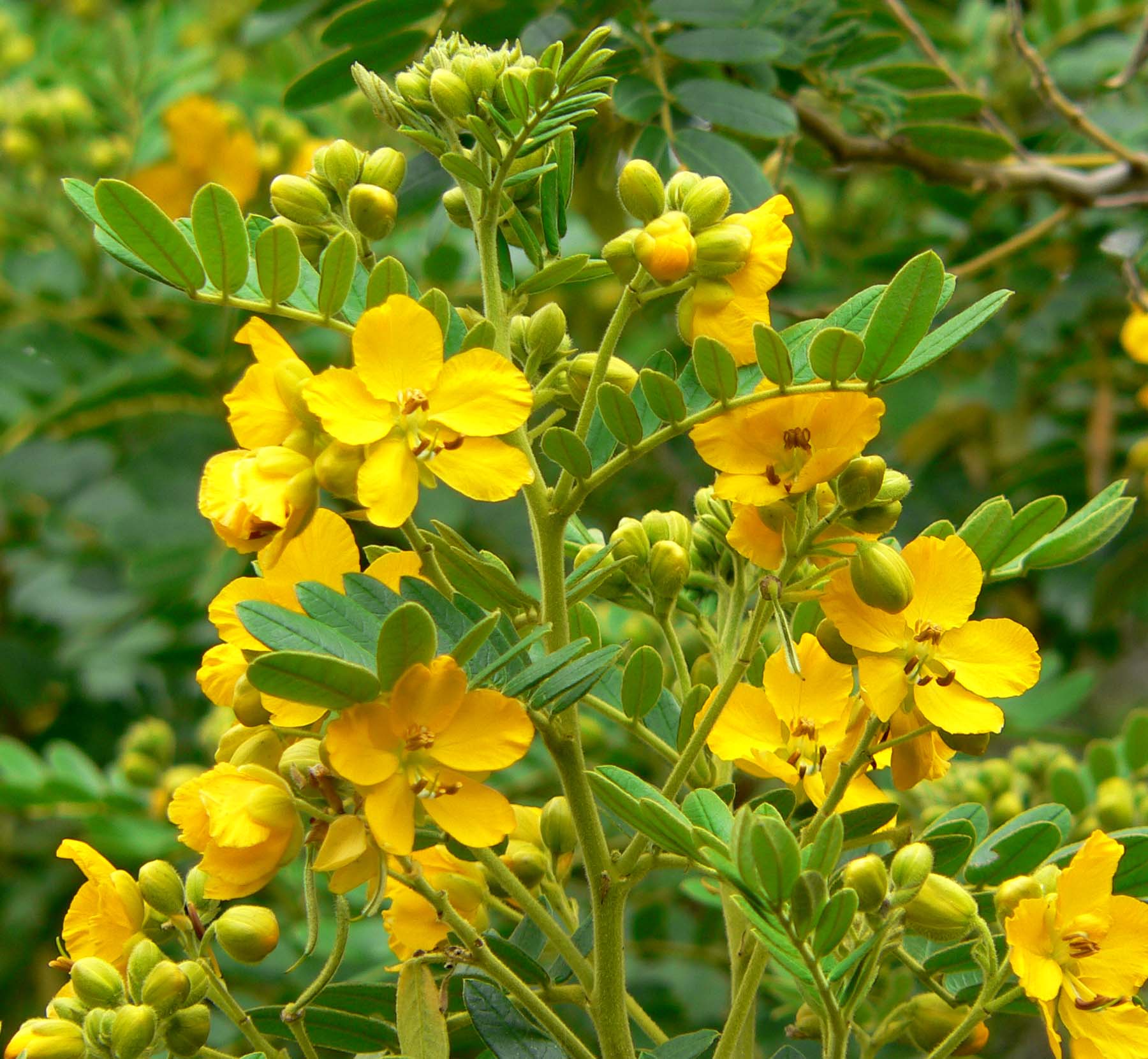
    Obtain grasses and perennials grown in pots. Opt for container-raised senna (cassia), which you’ll buy from a nurseryman specializing in exotic species.

    Planting

    Arrange the plants on the ground to judge the effect obtained. Moisturize the roots of senna well before planting it, then install grasses and perennials by digging holes with a dibble.

    Maintenance

    During the season, cut dead flowers and water as soon as the soil dries up. In the fall, protect senna and euryops or place them in a greenhouse for the winter . At the end of it, you will prune their twigs before taking them out in May, cut the dry stubble of the phalaris and the foliage of the lupine. In March, you will cut down the silver baskets and helichrysum and decompact the soil before spreading fertilizer and mulch.

    Practical advice

    Where to install it?

    In a sunny position to prolong flowering and obtain colorful foliage, and in drained soil , because these plants prefer dry soil, without excess.

    Completion time

    2 to 3 hours for tillage and planting.

    Cost

    200 € for a 5 m² massif

    Good to know

    In cold regions, you will protect the senna, frost, either by wrapping the stump and the branches in a thick wintering veil, or by repotting it in October, after having pulled it up, to winter it under cover.

    How to make this composition

    Delimit a rectangular border of 1.20 m wide by 2 m long.

    In the center and at the bottom of the massif, 60 cm from the edge, put the senna in place. Around it, 60 cm from its trunk, distribute the euryops. At the front of the massif, plant phalaris , lupine , helychrisum and silver baskets 25 cm from each other.

    This last step can be reproduced and put end to end to create a circular mass.

    Boss plan

    1. Senna (Senna corymbosa) 1 shrub
    2. Euryops (Euryops pectinatus) 3 plants
    3. Lupine ( Lupinus ‘Le chandelier’)  1 plant
    4. Phalaris ( Phalaris arundinacea var. Picta) 3 plants
    5. Silver basket ( Cerastium biebersteinii ) 3 plants
    6. Helichrysum ( Helichrysum italicum )  1 plant