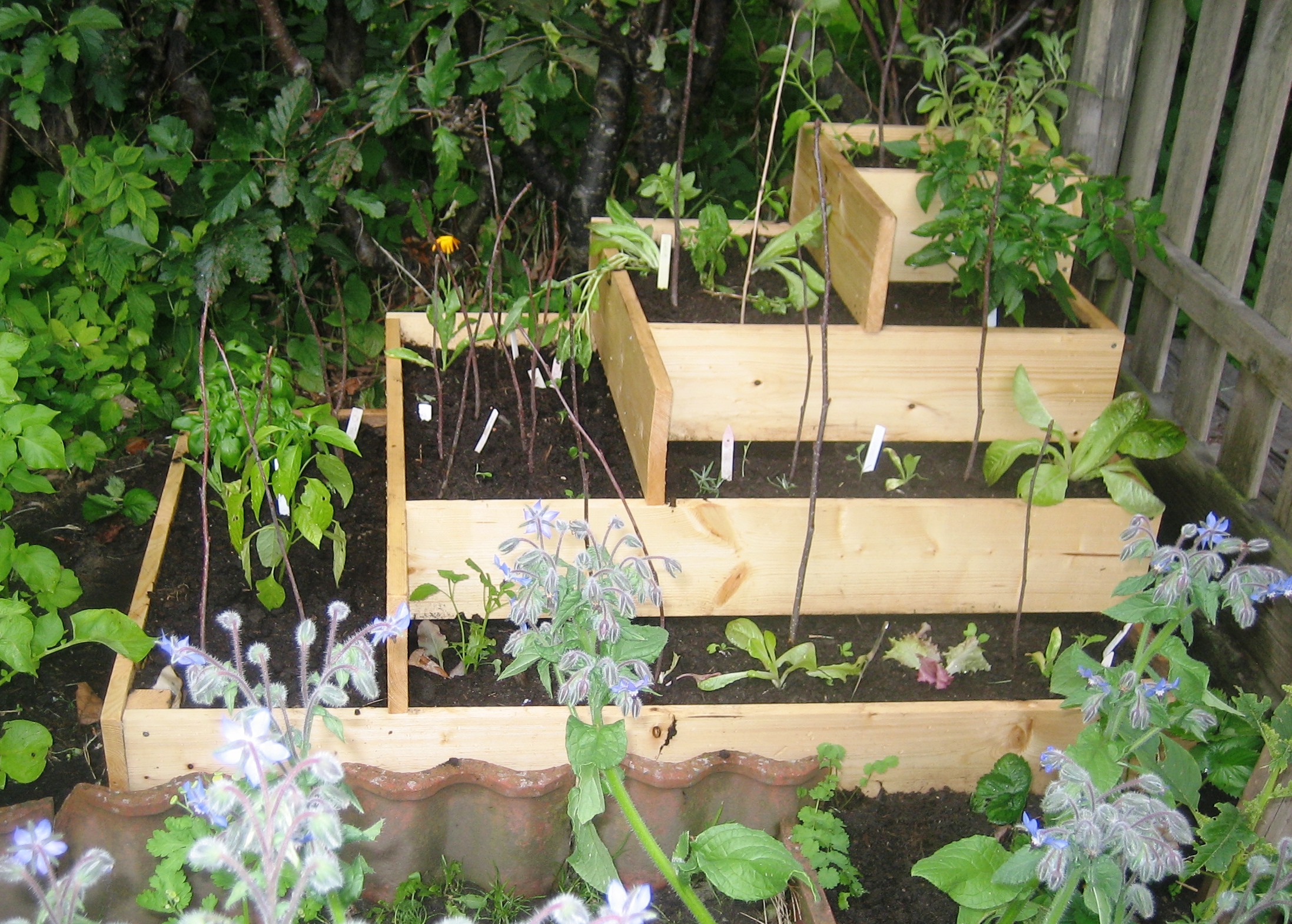
Category: Terraces and balconies

Transform your terraces and balconies into green, inviting spaces with creative gardening ideas. Learn how to grow flowers, herbs, and small plants in pots, planters, and vertical gardens. Discover tips on soil, watering, sunlight, and design to make the most of limited outdoor space and create a beautiful, relaxing retreat.

  • Fruits, vegetables and herbs on the balcony and on the terrace

    Fruits, vegetables and herbs on the balcony and on the terrace

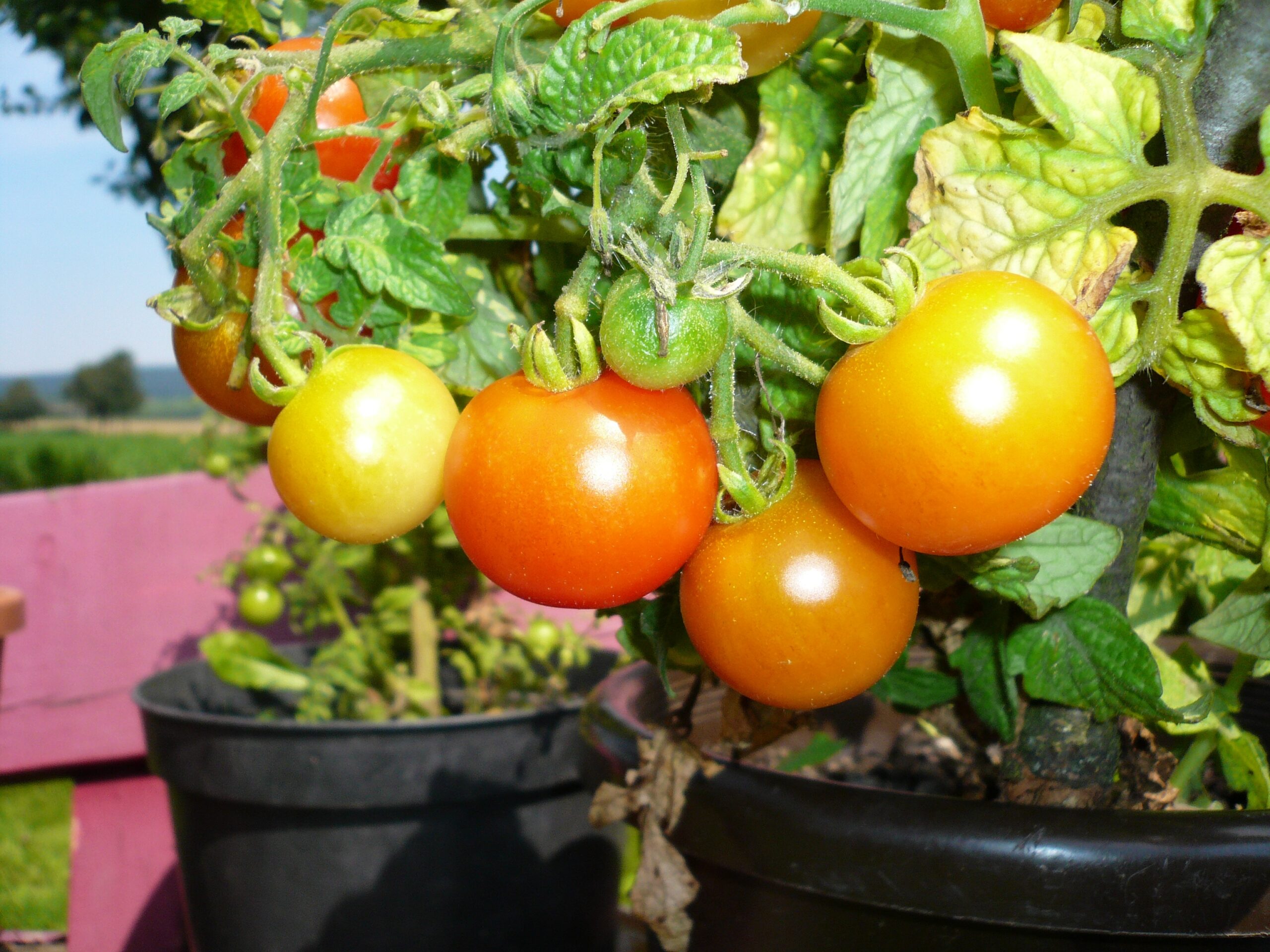
    In hot, dry weather, you need to give your potted vegetables and berries a boost. Thus, they will continue to produce until autumn.

    Growing Potted Vegetables Successfully

    • Scratch the top of the substrate to aerate it, water and fertilizers will be better absorbed.
    • Watering must be daily if the temperatures are high, to avoid water stress responsible for the rise of lettuces and the “black bottom” of tomatoes.
    • Operate in the evening to limit evaporation, do not leave excess water in the saucers.

    Every ten days, fertilize the tomatoes .

    Succeed in growing fruit trees in pots

    • Stimulate harvests by applying suitable organic fertilizers, always after watering with clear water .
    • Chop the grapes by removing the malformed or damaged grains in the center of the bunches.
    • Bag the most beautiful bunches, as well as the apples and pears of the dwarf forms.

    Three gestures to harvest more on the balcony

    To get more leaves, pinch the stems of the basil and do the same with the mint

    Harvest the courgettes as soon as they are 20 cm in length, the plant will produce new fruits more quickly.

    Remove stolons from strawberries grown in pots or planters. They will use their energy to produce more.

  • A wooden deck

    A wooden deck

    To give relief and appreciate the charm of the wood, choose the orientation of the blades carefully.

    Choose the orientation direction of the slats carefully. Like stripes on a piece of clothing, they change perception. Oriented towards the house, they increase the impression of depth. Lined up along the front, they emphasize the width. But you can also imagine all the patterns, with a herringbone or variegated pose, sometimes aligned, sometimes perpendicular. If you are looking for this type of complex landscaping, call on a professional, a specialized landscaper for example, and ask for a plan.The slats are screwed or nailed to the joists, or held in place by small invisible metal tabs. You must always leave a free space of at least 5 mm between the blades to promote the flow of water.The ideal is to make the terrace in blades on a concrete slab. Otherwise, the surface layer of earth should be thoroughly stripped, tamped and then a geotextile material put in place. It is a kind of felt that delays the appearance of weeds. Note that a drainage layer, sand or gravel in particular, is often made between the geotextile and the floor of the terrace.

    Laying on joists

    The slatted terrace rests on joists. These are wooden bars of square or rectangular section, on which the blades are fixed. These joists are in contact with the ground. It is therefore imperative that they are class IV. They are arranged at right angles to the laying direction of the boards and spaced approximately 30 to 50 cm apart.

  • A vegetable garden on the balcony to stock up on vitamins

    A vegetable garden on the balcony to stock up on vitamins

    Here are some ideas of associations to make stews full of vitamins. Associate :

    • branch celery, whose yellow foliage will bring color,
    • chilies or peppers, which adapt well to growing in pots provided you have the sun,
    • an early cabbage.

    You can sow plants such as:

    • physalis, very rich in vitamin C,
    • spinach, the young leaves of which are eaten,
    • turnips, 
    • carrots – bells (or miniatures).

    “Curly” parsley -more decorative when grown in a pot- or “flat” is also very rich in vitamin C. It can be combined with chives or sorrel. Small fruits such as raspberry, black currant, or gooseberry are also full of nutrients. For that :

    • Use frost-resistant pottery (zinc bucket for example), because the plants will spend the winter outside. Earthen pots may burst.
    • It is possible to plant several vegetables or fruit trees in the same pot: Hubert, for example, associated a strawberry plant with blackcurrant or sowed a few seeds of peas at the foot of a raspberry. They germinate after a few days and form a pretty palisade after a few weeks!
  • Watering: flowers to watch out for in summer

    Watering: flowers to watch out for in summer

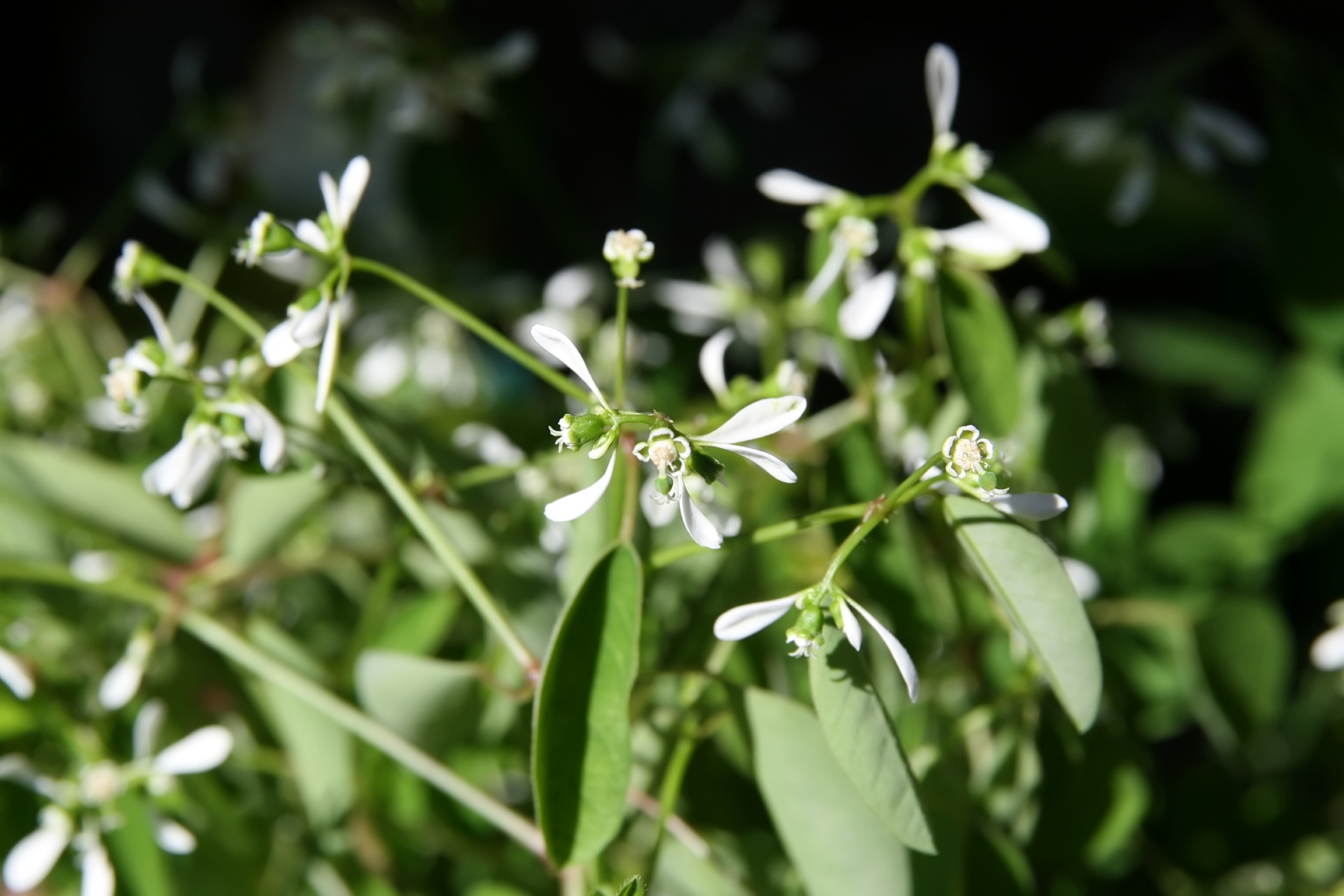
    Without being demanding, some plants flower more when they benefit from copious waterings. This is the case with ‘Diamond Frost’ spurge and loosestrife.

    Euphorbia: regular watering

    The ‘ diamond frost’ euphorbia is planted in the sun, in a pot or in the ground. It likes heat, but fears drought.
    Water this euphorbia every two days, adding fertilizer every week so that it remains filled with a multitude of small white flowers similar to snowflakes.

    Lysimachus: moisture without excess

    A not very hardy perennial grown as an annual, loosestrife congestifolia is often used as a ground cover or suspended in a sunny situation. Its bright yellow flowers gathered in an umbel follow one another in summer and autumn. Be careful, this loosestrife likes cool to moist soils, but never soggy!

  • Always flowery compositions

    Always flowery compositions

    If the pots and planters composed in May still bloom in mid-August, they are running out of steam. Do not neglect the few required actions that will ensure a beautiful flowering until the first frosts, or even longer!

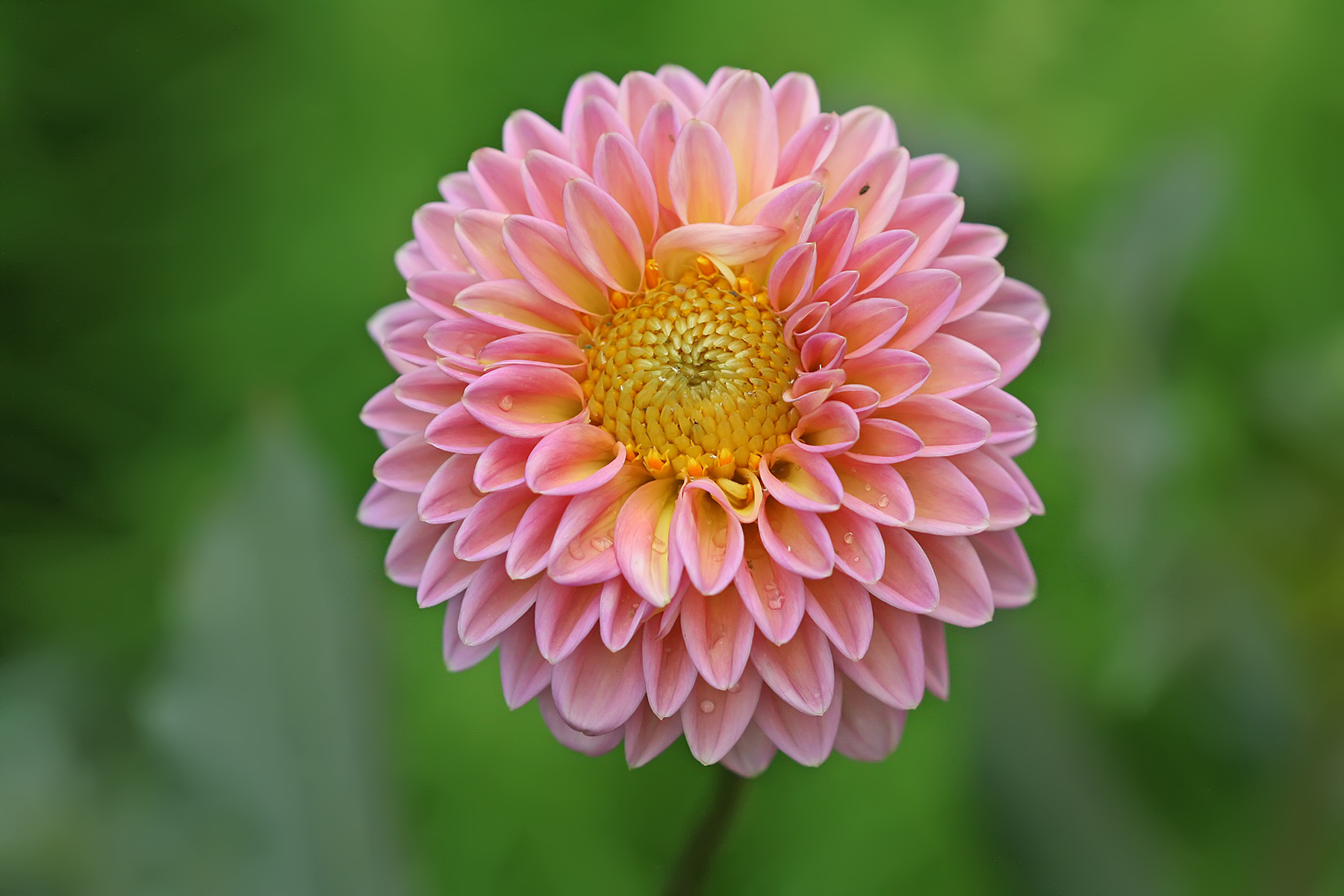
    Dahlia

    Dwarf dahlias adapt perfectly to growing in pots or planters. Mid-August, surface the pot by 1 cm, scraping the substrate with a fork, and fill with compost while continuing to water – the soil must remain cool – and add liquid fertilizer every 15 days.
    Remove faded flowers to induce the appearance of new flower buds and prolong flowering.

    Calibrachoa

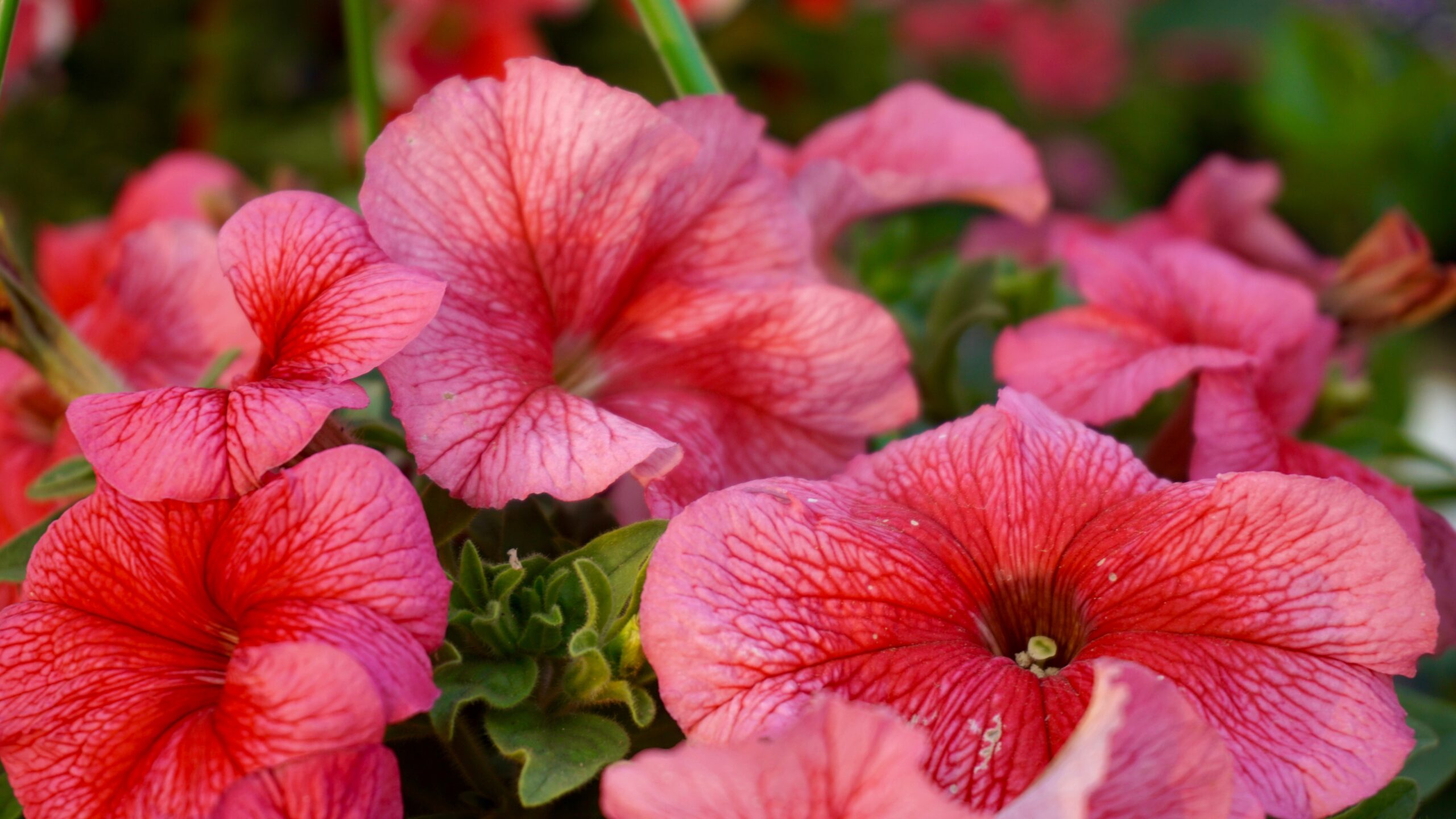
    Calibrachoas, with their countless little petunia flowers to which they are close, will bloom well into November if given a boost.No need for daily cleaning, and faded flowers fall off by themselves. On the other hand, a small pruning, in the middle of summer, will help them to branch out and bloom more beautifully. Fold down each stem by a third. Continue the watering, without forgetting the fertilizer, every week, for these greedy.

    Diascia

    The diascias have been covered with florets since the beginning of summer, but they are starting to get tired. For their flowering to continue for the next three months, cut back the clumps by half. In order not to strip the pots all at once, stagger the cuts: one foot this week, another next week. Continue watering – the soil must remain cool, but not soggy – and add fertilizer every fortnight.

  • Planters: a pampering summer

    Planters: a pampering summer

    August, pots, and planters, put together several weeks ago, are in full bloom. So that they don’t get tired and stay beautiful until the frosts, be attentive and help them get through the hot weather.

    Even though the plants seem healthy, the soil is running out and they are running out of steam. In order for them to remain beautiful until frost, they must be given daily attention. The nutrients brought in at the beginning of summer have disappeared during repeated waterings. 

    The surfacing of planters and pots

    Scrape the surface soil, remove it and replace it with good compost, even if it is only about 2 cm, then mulch . These operations are not always easy to carry out when the vegetation has taken its place, especially with hanging plants. However, they are essential whether your pots are made up of annuals or perennials.

    Watering pots from summer to September

    Continue watering in the evening as long as it is warm. During September, when the nights cool, water is preferably in the morning. In hot weather, some plants, such as begonias or hydrangeas, require two daily waterings. Operate with a small watering can with a long spout so as not to wet the foliage, as this favors the appearance of diseases. 

    Cleaning

    • Every day, cut the faded flowers with scissors or pruning shears according to the size of the peduncles and branches.
    • Do not hesitate to cut back the stems if they seem exhausted because they will quickly reform.
    • Proceed in several stages so as not to strip the pots all at once.
  • What to do on a terrace when you return from vacation?

    What to do on a terrace when you return from vacation?

    Care to take after returning from vacation:

    • With pruning shears, cut off faded or rain-damaged flowers.
    • Refresh overly long branches that stick out.
    • Remove yellow leaves inside shrubs, impatiens, and geraniums.
    • Generously water pots and planters that lack water.
    • Empty saucers that are soaked with rain.
    • Pierce containers with non-existent or insufficient drainage.
    • Remove weeds that have grown in the pots.
    • Scratch the top of the pots to loosen and aerate the substrate.
    • Wash pots covered with green algae.
    • Feed your plants with granular or liquid fertilizers, for example, to make a chlorotic lemon tree green again.
    • Hang up the branches of the cucumber and tomato plants grown in a container.
    • Spray a natural black soap insecticide on all pots. Start again three days later in case of aphid invasion.
    • Pick up the dead leaves that line the floor of your terrace.
    • Inspect the irrigation network: seals, guns, taps, and programmers. Adapt the flow for the next few days.

    In the space of a week, your plants will regain all their splendor!

  • What facilities to fit out a home

    What facilities to fit out a home

    Short-term rentals, last-minute moves, unforeseen equipment needs: many situations require quick solutions. If acquiring equipment requires time and thought, renting it limits the investment and therefore facilitates the procedures.

    Meet all the needs

    All interiors have different size and organization constraints. Modular supplies for small spaces, large format in large residences, the rental of furniture makes it possible to adapt to each situation. 

    Arrange your exterior

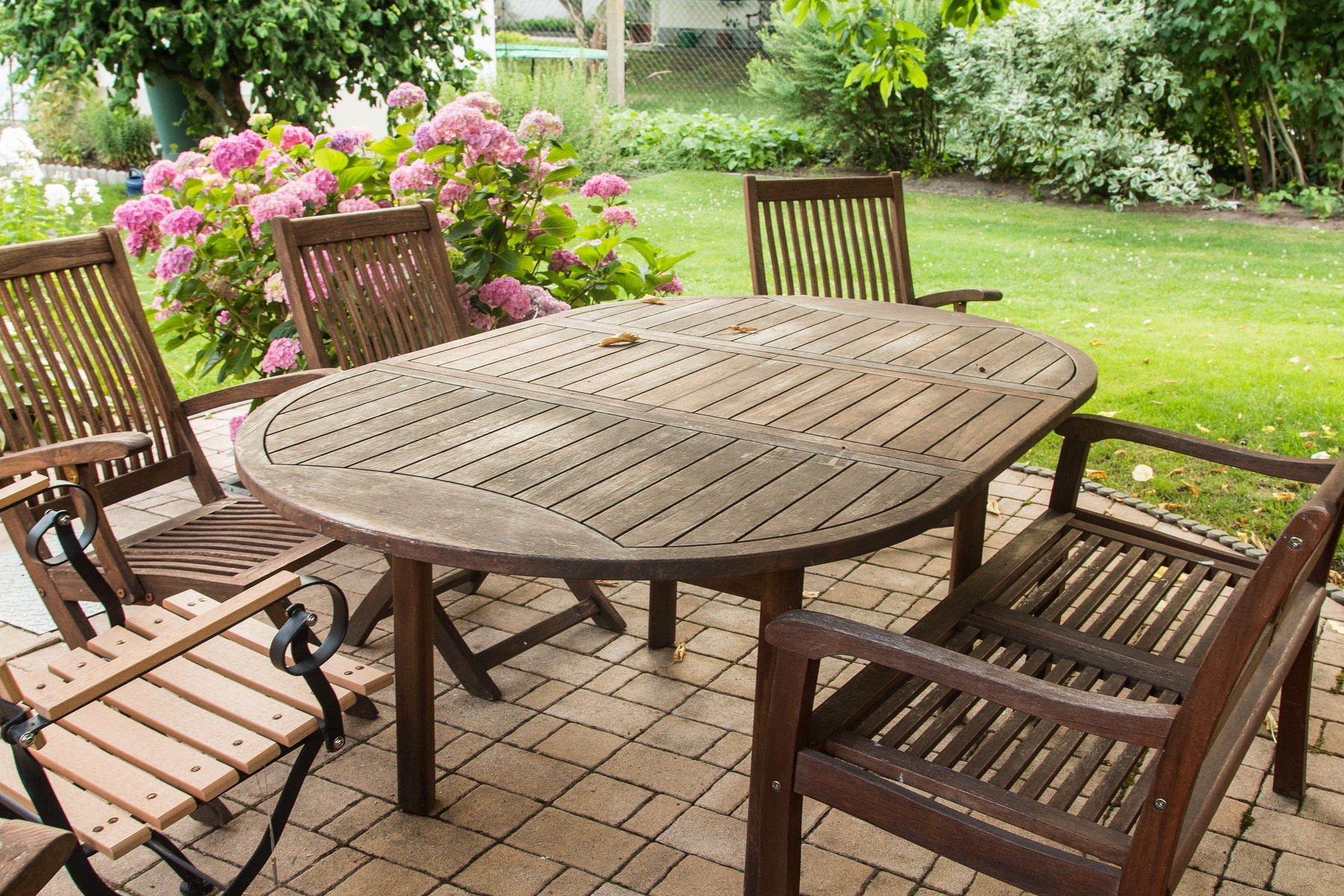
    Terraces and gardens are an integral part of the house. Yet their arrangement is often postponed for reasons of time or budget. Garden furniture, table for outdoor lunches, barbecue: arrange your outdoor space with the rental of garden furniture from the semeubler.com site. Moderate prices and a wide range of furniture and accessories, enough to enjoy your green area in all seasons.

    Promote mobility

    Whether it is for a job, to pursue studies or to join a loved one, there are all good reasons to move. Things get complicated when it comes to taking action. Boxes, trucks, friends to lend a hand… organizing a move is no easy task. How about avoiding the drudgery? Semeubler.com offers a home delivery service. Furniture, household appliances or multimedia: everything arrives directly at your home and, bonus, is installed and assembled by professionals. In addition, by renting your equipment, you will no longer have to move it from one accommodation to another. At the end of the contract, the semeubler.com teams are responsible for bringing back the equipment.

    Limit waste

    If the slightest breakdown plunges you into anxiety, that you are more a fan of new than repair, semeubler.com could well save you from going back and forth to the recycling center. Furniture, appliances and multimedia are guaranteed. If in doubt about the use, advisers will tell you what to do. Equipment with a proven problem, failure or malfunction, is replaced within 72 hours. Peace of mind guaranteed.

  • 5 secrets to having a beautiful pendant light

    5 secrets to having a beautiful pendant light

    Watering, care, or smart marriages. What are the secrets to successful flower hanging?

    Wedding

    The choice of species or varieties of plants associated with the same container is essential.
    They must have the same cultivation needs (exposure, water requirements), but also harmonious developments, one must not encroach on the other and end up dominating it to the point of preventing it from growing and flowering.

    Grooming

    At least once a week, cut off faded flowers, remove any fruit-laden seeds that have formed, and remove diseased or damaged leaves.
    Also, prune the green shoots on the variegated varieties.

    Watering

    Prevent thirsts that tire the plants. Follow the weather and monitor the substrate to water as soon as the soil is dry on the surface. Do not wet flowers and foliage, especially those sensitive to powdery mildew and rot.
    Sprinkle 2 hours after sunset with water at room temperature.

    Spreading

    The soil in the pots is quickly depleted and repeated watering leaches out nutrients. But the plants have developed a lot and draw more from the soil.
    Support blooms with liquid organic fertilizers rich in phosphorus (P) and potassium (K), always spread on a well-moistened root ball and respecting the doses indicated on the packaging.

    Retraction

    Summer is conducive to thunderstorms and devastating strong gales.
    These can sometimes break the hanging stems or unhook the suspension that it is better to shelter the time that the grain passes.

  • A red pot like autumn

    A red pot like autumn

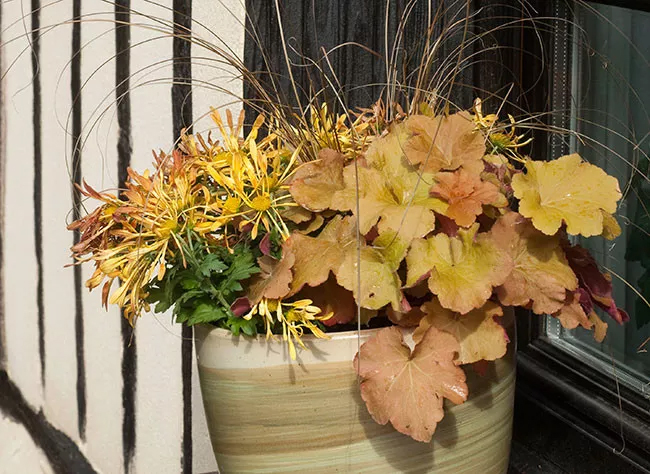
    Sporting the fiery colors that the dead leaves dress in this off-season, here is a pot both flowery and leafy, which catches the light still very present at the end of September.

    • Choose an earthenware pot about 30 cm in diameter, in a shade that matches the chosen plants.
    • After having favored drainage by placing a bed of clay balls at the bottom, fill it, up to 8 cm from the edge, with geranium soil, then add two handfuls of compost .
    • Plant side, opt for 4 buckets chrysanthemums starred in shades apricot, ocher or rust, plant beside a heuchère ‘Caramel.
    • Ruffle the composition with a sedge ( C. buchananii ), to be placed in the center, slightly behind.
    • Complete with potting soil and tamp down.
    • Place this hotpot in the soft sun, water.
    • Add water as soon as the earth dries up on the surface.
    • Cut the flowers as soon as they wilt.
    • When the feet are no longer presentable, replace them for the winter with a persistent fern , violas, primroses or white heather .
    • Perennials , heuches and sedges retain their interest.
    • In the spring, top up with compost.