Some regions are subject to particular climatic conditions. Our local correspondents explain the actions, sowing, planting and harvesting to you in the garden in a Mediterranean climate in July.
Prune the apricot trees green
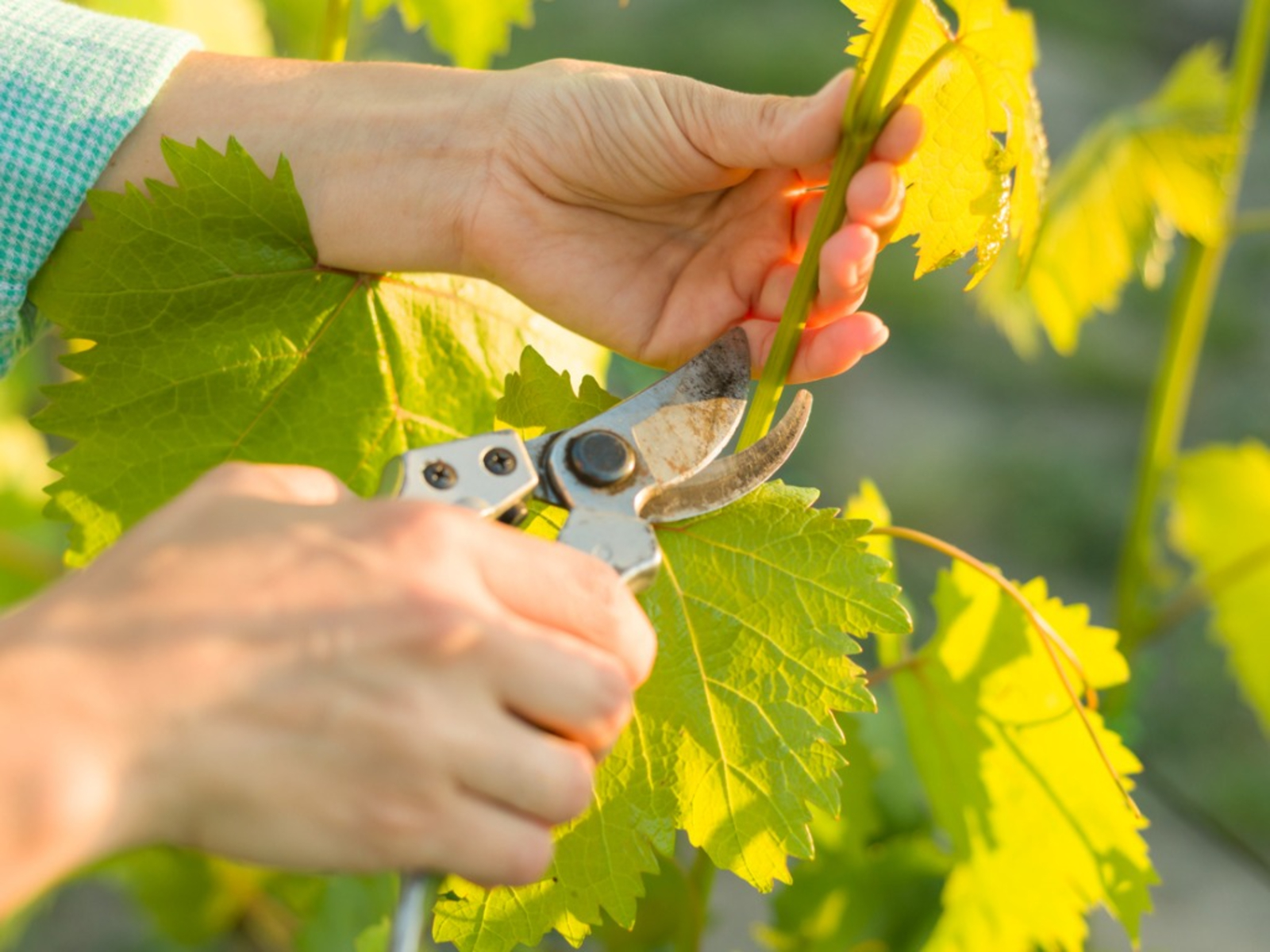
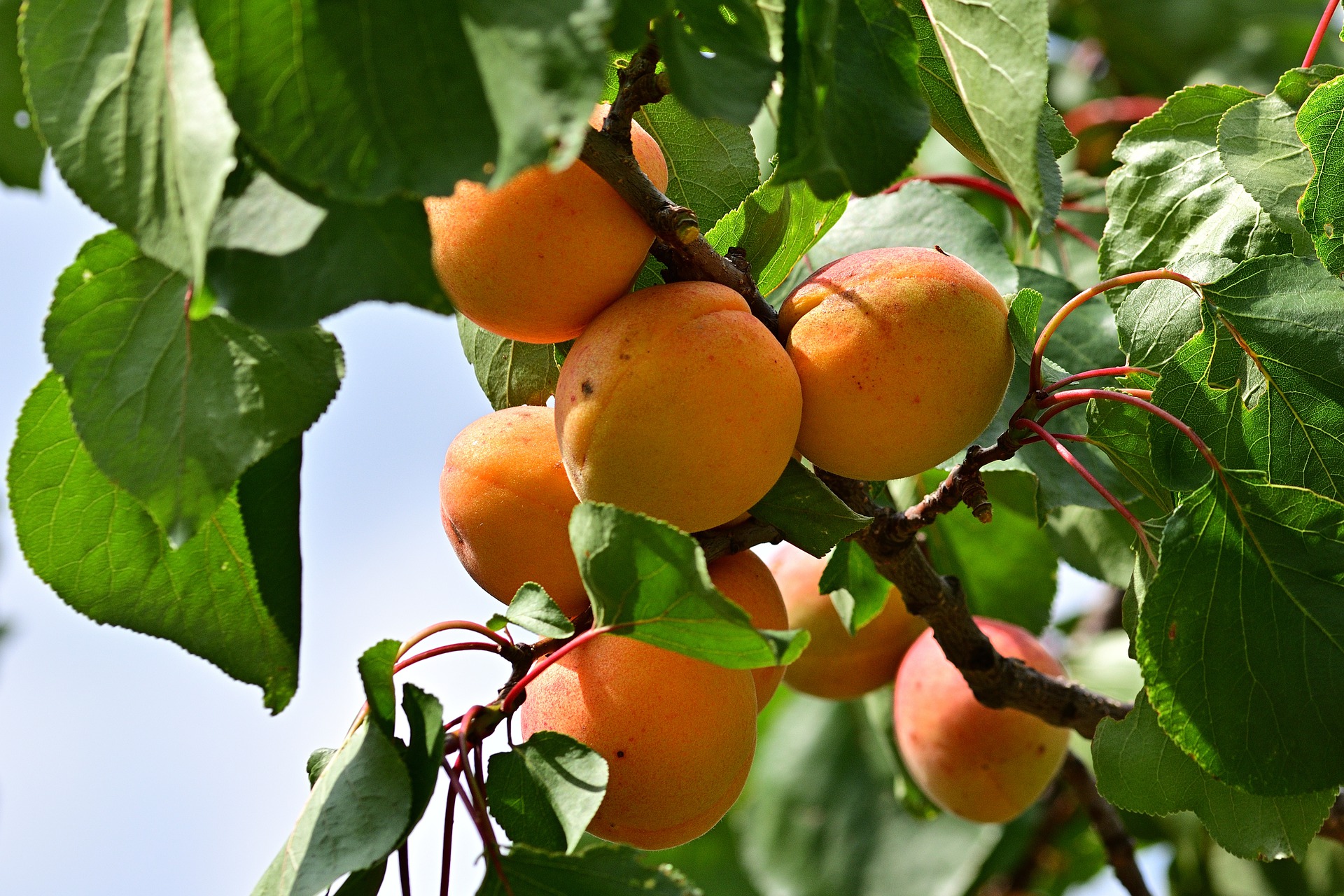
The winter operations size performed on apricot promote disease. The size in green is practiced in summer to lighten the antlers. Young twigs developing outward and not bearing fruit are kept. The branches on which the fruits were picked are removed. Remove the suckers that have grown in the center of the tree.
Water in July, August will do the rest
Warning: fruit trees planted in the fall of last year, or this last spring, have not yet developed a deep root system! Long roots would allow them to find areas from which to draw sufficient water.
The month of July is crucial for the growth of young fruit trees. A lack of water would be detrimental. To be effective, watering must be done in a large basin (1 m in diameter and 10 cm deep). This reserve of 100 l constitutes a large quantity of water which, thanks to its weight, descends in depth. This operation can be repeated 15 days later.
Then, with the period of “hardening” (lignification), it is not necessary to water. The trees can wait for the fall rains.
No drought in the garden
In summer, on hot days, the atmosphere is very dry. However, many plants introduced into southern gardens come from more humid climates and suffer from this very low degree of humidity.
Preserve the plants from the resulting discomfort by drenching their leaves in the evening. When the sun goes down and it is less hot, spray the foliage with a low-flow water stream. Ideally, the water used should be between 15 and 20 ° C and have a neutral pH.
Fight against red spiders
Hot, dry summer air promotes the proliferation of red spider mites, especially on oleander. These sap-sucking biters weave a web on the inner face of the leaves, causing depigmentation of their outer face. They hate humidity: wet the underside of the foliage every evening and during the day to eliminate these spiders.
Cut the irises
The flowering of the irises is over, and the next one is growing inside the rhizomes. Seeds form on their flower stems, which risk using up part of the plant’s reserves to the detriment of the next flowers. It is better to cut these stems at the base. The plant does not require watering: too much water is harmful because the rhizomes remain half buried.
Sternbergia lutea, this false crocus that lights up the garden
With its yellow flowers similar to those of large crocuses, Sternbergia lutea is a popular fall bulb to liven up the garden. The inverted vegetation of this large bulb makes it necessary to plan the plantings at the end of summer during the state of dormancy. Very hardy, Sternbergia lutea can be planted in many situations where it naturalizes.
Do not hesitate to plant Sternbergia lutea in a mixture with other perennials, even suckers such as Lady-Larpent’s plumbago. This false crocus then mixes the bright yellow of its flowers with the blue of this perennial.
During the winter, the foliage takes over from the blooms until spring when it disappears.
From year to year, the bulbs reproduce and expand, it is then necessary to consider a doubling. Pop the bulb clump every five years.
Cut the melons
To induce flower development, pinch the melons . Between your thumb and forefinger, cut the stems above the 2nd leaf, to promote growth. New shoots carrying melons will be pinched 2 leaves above the fruit. This pruning stops the development of the terminal bud for the benefit of the productive branches. Sun and heat do the rest.
Fresh mulched vegetables
In the vegetable garden, the earth quickly dehydrates under the effect of the blazing sun and the wind. Repeated watering compacts the soil and prevents it from breathing, so it is necessary to decompact it. Covering the surface with plant matter limits the evaporation of water from the soil and thus reduces watering .
To achieve the mulch, use straw, but also all the green waste collected in the garden. Beforehand, a drying period is essential, in order to avoid fermentation at the foot of the plants.
The effectiveness of mulching depends on its thickness, which should be 5 to 10 cm. All vegetables appreciate this comfort at their feet, with the exception of root vegetablesbecause mulching favors the presence of the Provence vole , which is fond of it.
The gatillier, pioneer of the harsh lands
Commonly called gatillier, Vitex agnus-castus, of Mediterranean origin, deserves a place in gardens with poor and dry soil.
In summer, this shrub is adorned with flowers of a purplish blue. In the form of panicles, they bloom at the ends of the shoots of the year. Its foliage gives off a strong peppery odor.
In the fall, it produces black seeds used as pepper, hence its other common name of pepper plant.
The shrub is easily integrated into the bottom of a massif or in a hedge .
As early as the summer, determine the locations of the plantings scheduled for the end of September.
Cover a square meter of planting space with cardboard to smother weeds .
When planting, opt for young seedlings from nurseries, which settle better in dry and poor soils.
When to harvest eggplant
Like tomatoes or potatoes, eggplants belong to the Solanaceae family. Their fruits have different shapes and colors depending on the variety.
For taste reasons, the harvest takes place before the fruits are fully ripe. An overripe eggplant will have a spongy flesh and many very hard seeds, unpleasant in the mouth.
But harvested too young, eggplants contain a lot of solanine, a toxic substance. In addition, their flavor is not at the rendezvous.
Picking is favorable when the color of the skin is uniform and the fruit is easily detached. It’s up to you to judge the right moment knowing that the experience remains the best of advisers.