Blog

  • Always flowery compositions

    Always flowery compositions

    If the pots and planters composed in May still bloom in mid-August, they are running out of steam. Do not neglect the few required actions that will ensure a beautiful flowering until the first frosts, or even longer!

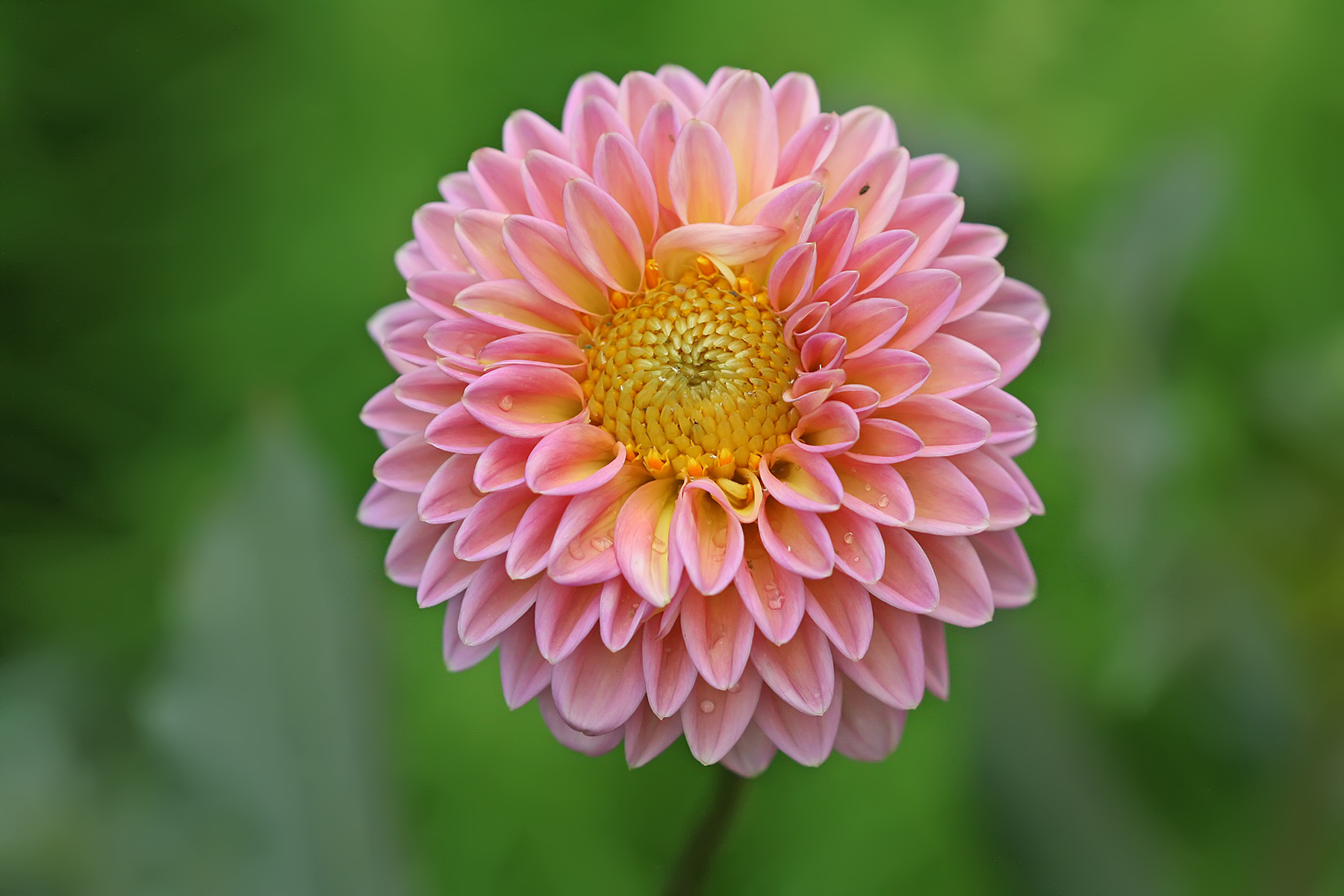
    Dahlia

    Dwarf dahlias adapt perfectly to growing in pots or planters. Mid-August, surface the pot by 1 cm, scraping the substrate with a fork, and fill with compost while continuing to water – the soil must remain cool – and add liquid fertilizer every 15 days.
    Remove faded flowers to induce the appearance of new flower buds and prolong flowering.

    Calibrachoa

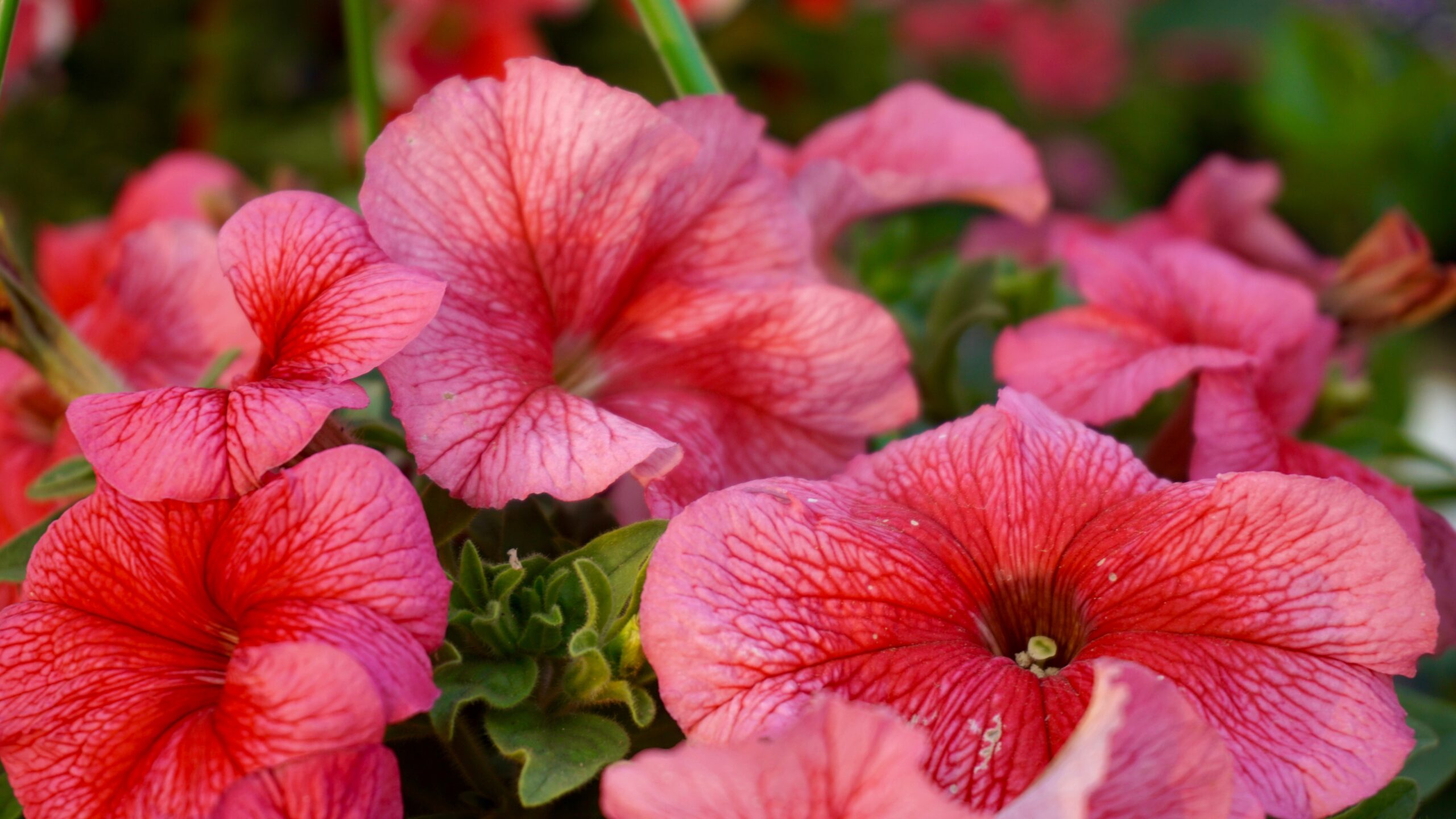
    Calibrachoas, with their countless little petunia flowers to which they are close, will bloom well into November if given a boost.No need for daily cleaning, and faded flowers fall off by themselves. On the other hand, a small pruning, in the middle of summer, will help them to branch out and bloom more beautifully. Fold down each stem by a third. Continue the watering, without forgetting the fertilizer, every week, for these greedy.

    Diascia

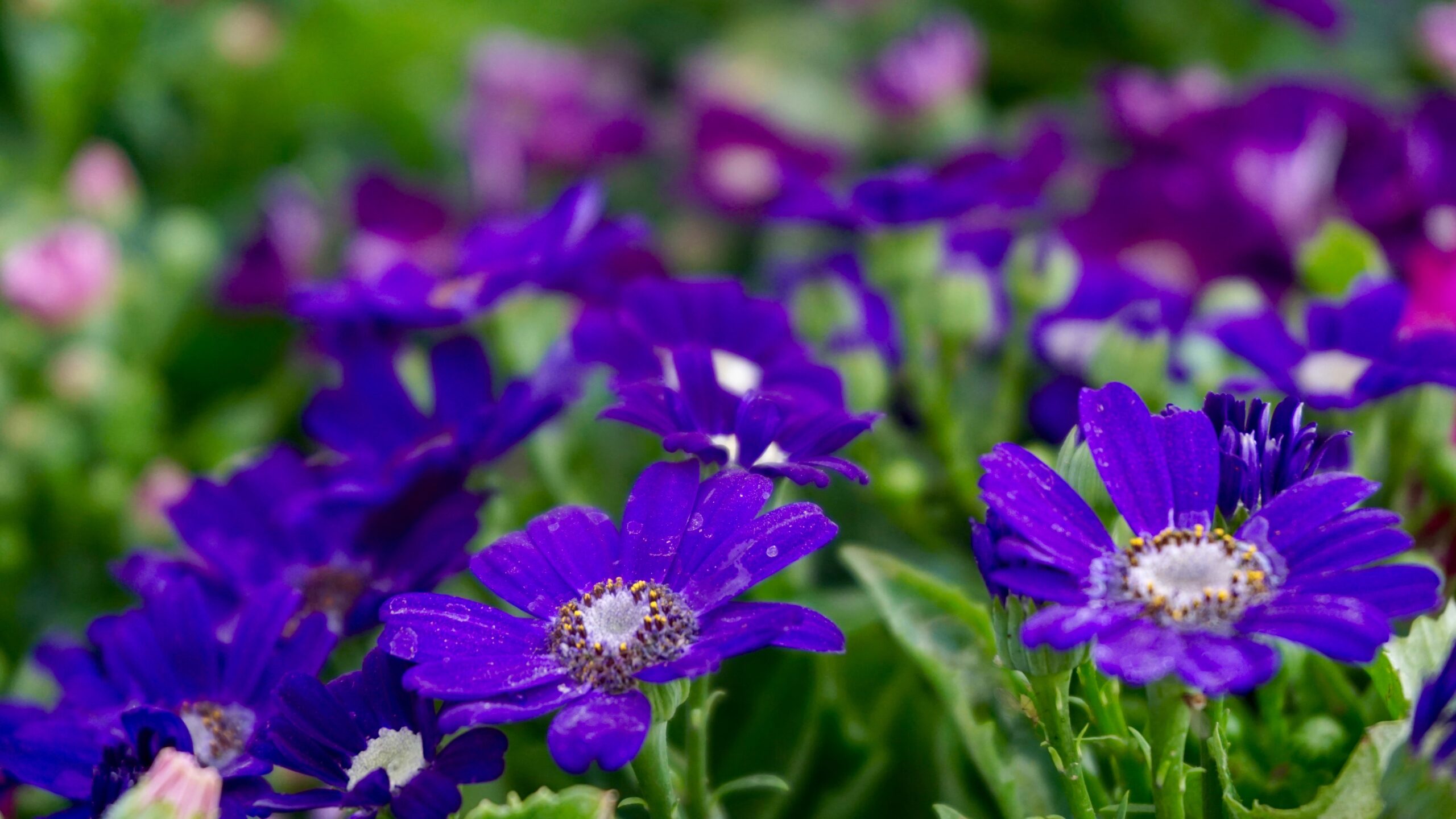
    The diascias have been covered with florets since the beginning of summer, but they are starting to get tired. For their flowering to continue for the next three months, cut back the clumps by half. In order not to strip the pots all at once, stagger the cuts: one foot this week, another next week. Continue watering – the soil must remain cool, but not soggy – and add fertilizer every fortnight.

  • Planters: a pampering summer

    Planters: a pampering summer

    August, pots, and planters, put together several weeks ago, are in full bloom. So that they don’t get tired and stay beautiful until the frosts, be attentive and help them get through the hot weather.

    Even though the plants seem healthy, the soil is running out and they are running out of steam. In order for them to remain beautiful until frost, they must be given daily attention. The nutrients brought in at the beginning of summer have disappeared during repeated waterings. 

    The surfacing of planters and pots

    Scrape the surface soil, remove it and replace it with good compost, even if it is only about 2 cm, then mulch . These operations are not always easy to carry out when the vegetation has taken its place, especially with hanging plants. However, they are essential whether your pots are made up of annuals or perennials.

    Watering pots from summer to September

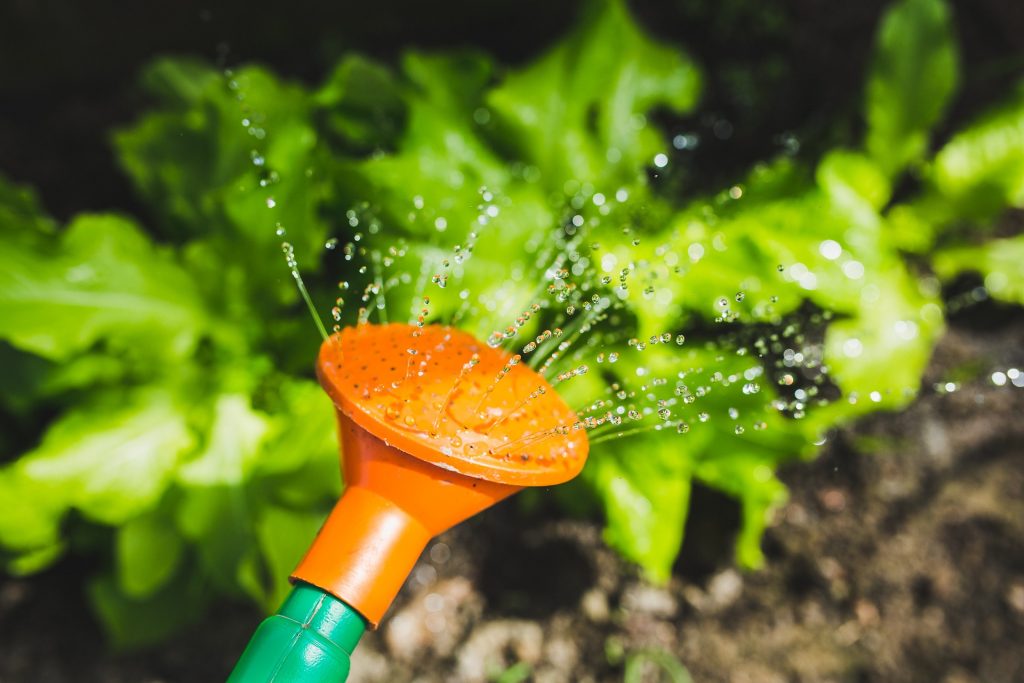
    Continue watering in the evening as long as it is warm. During September, when the nights cool, water is preferably in the morning. In hot weather, some plants, such as begonias or hydrangeas, require two daily waterings. Operate with a small watering can with a long spout so as not to wet the foliage, as this favors the appearance of diseases. 

    Cleaning

    • Every day, cut the faded flowers with scissors or pruning shears according to the size of the peduncles and branches.
    • Do not hesitate to cut back the stems if they seem exhausted because they will quickly reform.
    • Proceed in several stages so as not to strip the pots all at once.
  • What to do on a terrace when you return from vacation?

    What to do on a terrace when you return from vacation?

    Care to take after returning from vacation:

    • With pruning shears, cut off faded or rain-damaged flowers.
    • Refresh overly long branches that stick out.
    • Remove yellow leaves inside shrubs, impatiens, and geraniums.
    • Generously water pots and planters that lack water.
    • Empty saucers that are soaked with rain.
    • Pierce containers with non-existent or insufficient drainage.
    • Remove weeds that have grown in the pots.
    • Scratch the top of the pots to loosen and aerate the substrate.
    • Wash pots covered with green algae.
    • Feed your plants with granular or liquid fertilizers, for example, to make a chlorotic lemon tree green again.
    • Hang up the branches of the cucumber and tomato plants grown in a container.
    • Spray a natural black soap insecticide on all pots. Start again three days later in case of aphid invasion.
    • Pick up the dead leaves that line the floor of your terrace.
    • Inspect the irrigation network: seals, guns, taps, and programmers. Adapt the flow for the next few days.

    In the space of a week, your plants will regain all their splendor!

  • Water the pots in summer without making mistakes

    Water the pots in summer without making mistakes

    If water is necessary for the pots to flower well, it is still necessary to bring it at the right time and in the right way!

    • Until early September, bring water in the evening, when the sun goes down. The plants will recover after the heat of the day and evaporation will be less. When the nights get cooler, operate earlier: the clods will have time to dry before the temperatures drop.
    • Use a watering can with a long spout to slide it between the plants. Water the soil – the roots will easily absorb the water – without wetting the foliage, as this promotes certain diseases: downy mildew, powdery mildew, gray rot, and rust.
    • In hot weather, the needs of plants in full bloom are important. Those located in full sun will hydrate almost every day or every other day, in partial shade. But this frequency is only indicative. The easiest way is to control the humidity of the substrate; touch the surface with your fingers, or even scratch on 1 cm. If you feel the humidity, wait a day before giving the plants a drink. If it is dry, water.
    • Not all plants need a lot of water. The geraniums, gazanias, purslane, bidens, hélichrysums, lantana are more sober than petunias, Surfinia, dahlias, impatiens, lobelias and Brugmansia .
    • In the case of an absence of a few days, install irrigator cones mounted on plastic bottles of mineral water. Prune open and faded flowers, leave the buds. 

    You will enjoy your pots when you come home while limiting your water needs.

  • Planting dwarf bamboo

    Planting dwarf bamboo

    Whether it is creating a low hedge, decorating a pot on a terrace, or quickly covering an area, dwarf bamboo is a precious ally, but beware of invasion!

    Difficulty of planting

    Easy.

    When to plant dwarf bamboo?

    Fall or early spring.

    Prepare to plant dwarf bamboo

    Choose a beautiful subject in a container or pot. It must be free from pests and diseases: the foliage must be shiny.

    The establishment of an anti-rhizome barrier is necessary to avoid invasion:

    • Delimit the space with a rope and dig a trench 40 cm deep.
    • Install the anti-rhizome barrier respecting an inclination of approximately 15 °. This will facilitate the rise of the rhizomes to the soil surface.
    • Leave the barrier 2 cm above the ground to prevent the roots from jumping it.

    Work the soil: dig, remove the weeds and add well-decomposed compost.

    Before planting, let the pot soak for a quarter of an hour in a bucket of water to thoroughly hydrate the root ball and facilitate the unloading operation.

    Exposure

    Sun to partial shade.

    Ground

    Fresh rich and humus but never soggy.

    Distance between 2 dwarf bamboo plants

    1 meter.

    How to plant dwarf bamboo?

    • Deposit the plant, taking care not to injure the roots too much. If necessary, cut the pot.
    • Dig a hole slightly larger than the root ball. Add compost at the bottom.
    • Install the bamboo. Recap.
    • Form a bowl at the foot of the plant to facilitate watering.
    • Leave a space of one meter between two subjects.

    After planting dwarf bamboo

    • Water copiously after planting.
    • Regular watering will be necessary, especially in hot, dry weather. The installation of an automatic sprinkler system can be considered.
    • Mulch the base of the plant to retain maximum humidity and protect the roots from any risk of frost.
  • Multiply a large grass by division

    Multiply a large grass by division

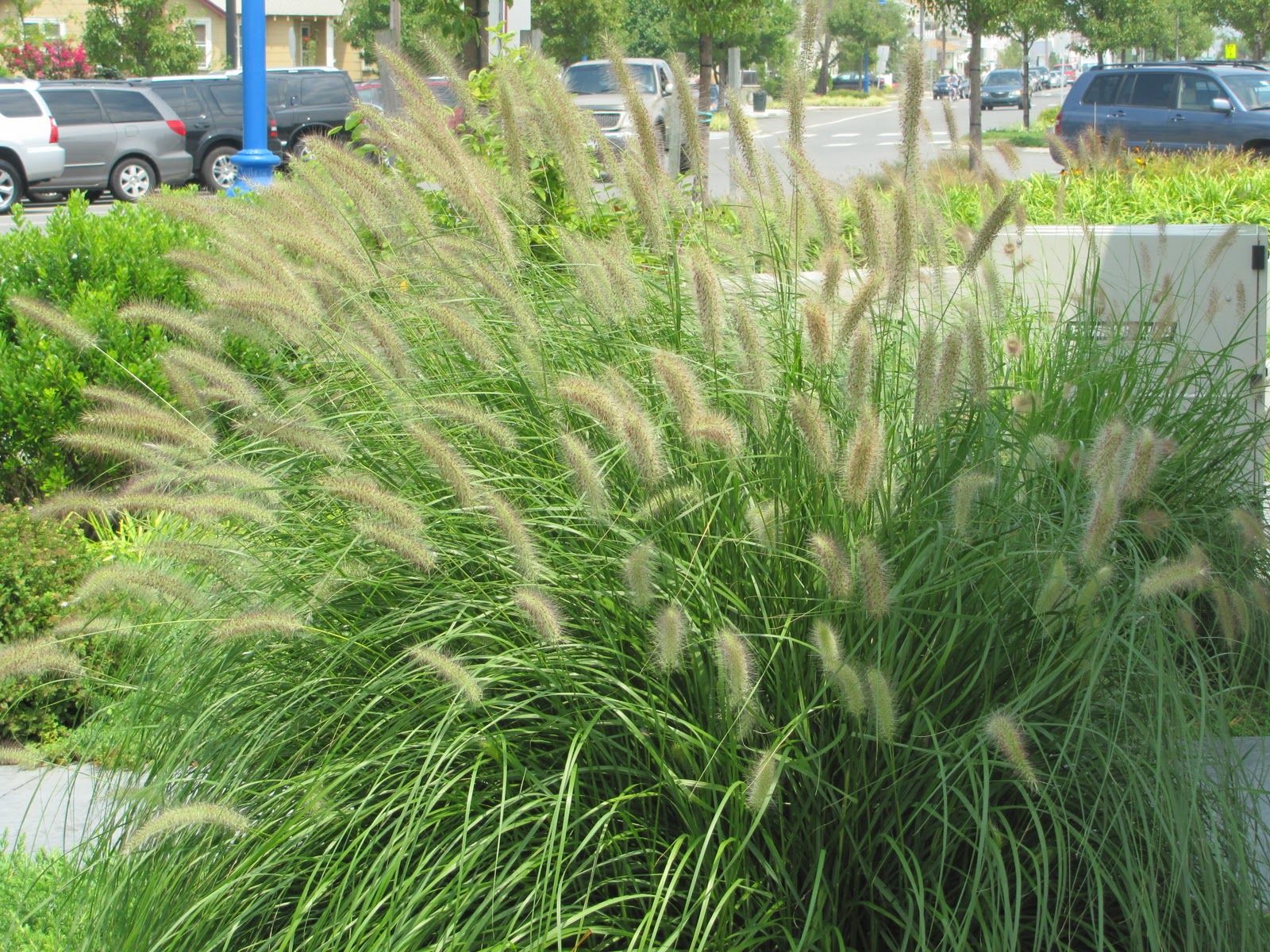
    There are two methods of multiplication. Seeding and clump division as here for this miscanthus sinensis. This can be done either in spring when the earth is warming, or in autumn when it is still warm.

    Divide the tuft:

    • Make a trench to clear the root ball.
    • Remove as much soil as possible around it.
    • Slice the rhizomes with a spade.
    • Keep the canes to pull it out of the ground.
    • Replace the soil in the hole by adding organic fertilizer.

    Plant the extracted tuft:

    • The earth must be worked in-depth and in width.
    • Add organic fertilizer rich in nitrogen and compost to the bottom of the hole.
    • Place the root ball in the hole.
    • Fill in the earth hole.
    • Water.
  • Water the serviceberry

    Water the serviceberry

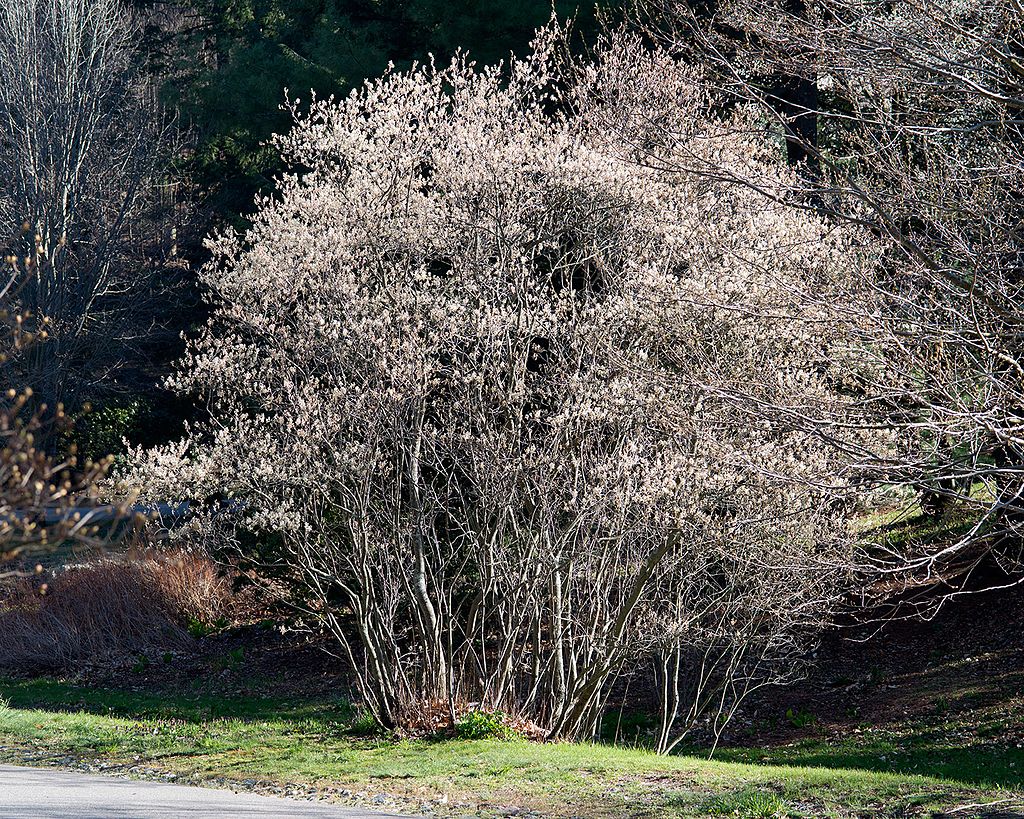
    Serviceberry grows naturally near streams or in damp woods; it, therefore, appreciates cool soils. Watering should be regular so that the soil never dries up completely between two waterings.

    Signs of a lack of water in serviceberry

    • Yellowing foliage that eventually falls off.
    • Restricted flowering.

    Quality of serviceberry sprinkling water

    • Non-calcareous tap water.
    • Rainwater was collected in the tank.

    Necessary material

    • Watering can
    • Garden hose
    • System dropwise

    Frequency of watering the serviceberry

    Most saskatoon trees are acidophilic, it is best to water them with soft water.
    The soil should never completely dry out between two waterings; water even in winter if there is insufficient rainfall.
    The installation of an automatic drip system can be an interesting solution to reduce watering chores.
    In times of drought, water very regularly, preferably in the evening, after sunset so that the plant takes full advantage of the coolness of the earth.
    Water regularly throughout the life of the shrub.

  • How to water deutzia: tips and method

    How to water deutzia: tips and method

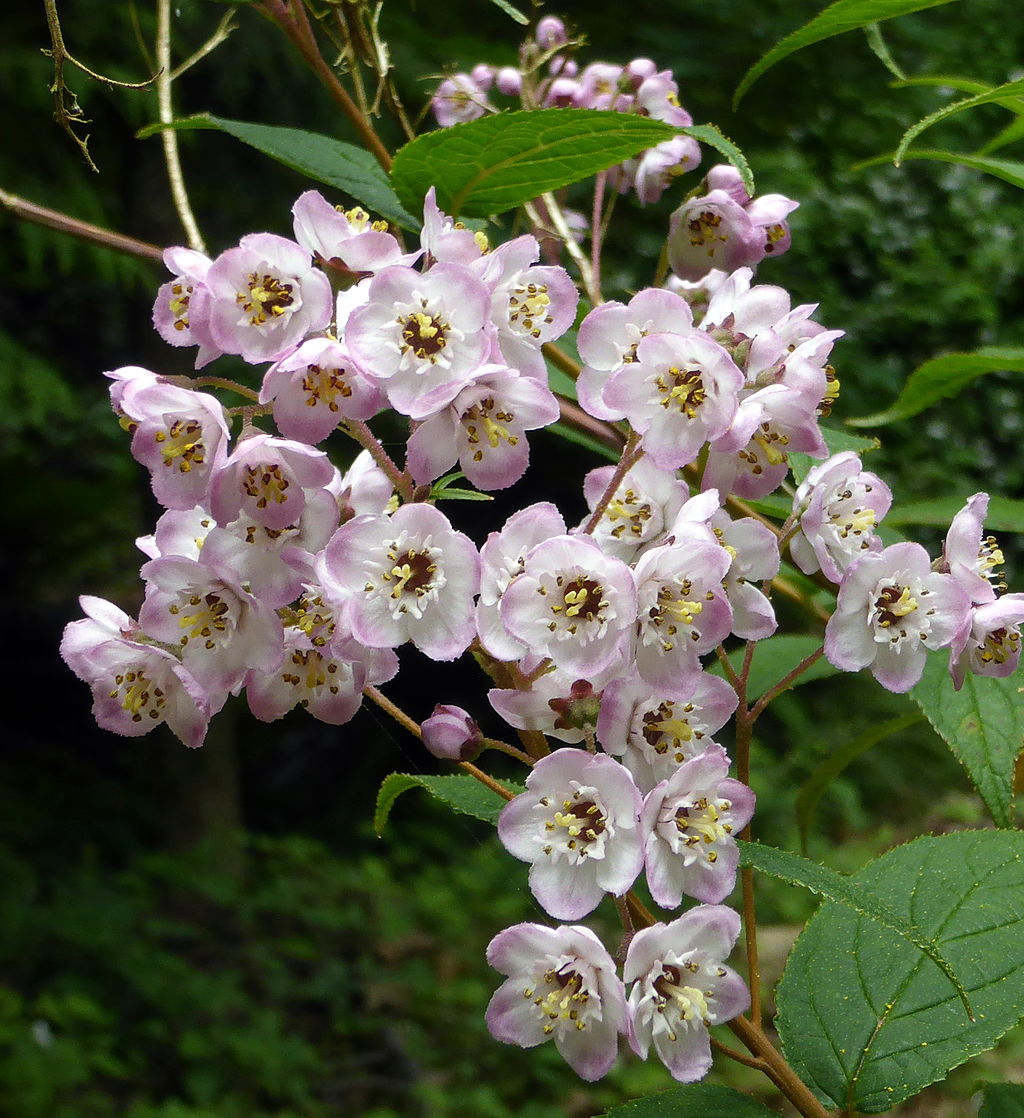
    Coming from rather cool climates and dense soils, the deutzia appreciates regular watering, to flower regularly.

    Water requirements of deutzia

    The water needs of deutzia are average, and especially necessary in summer and at a young age.

    Signs of lack of water in deutzia

    In case of lack of water the leaves turn gray, roll up on themselves; flowering stops; young shoots soften.

    Water quality

    All waters are suitable for watering.

    Necessary material

    • Watering can
    • Watering lance

    Avoid sprinklers that promote leaf diseases.

    Frequency of watering deutzia

    Water copiously when planting. Then, from May to September, water plants that have been installed for less than two years. In case of marked drought, water every three to four days (one watering can per plant). This is important in summer when young shoots and flower buds form.

  • Water the weigelia

    Water the weigelia

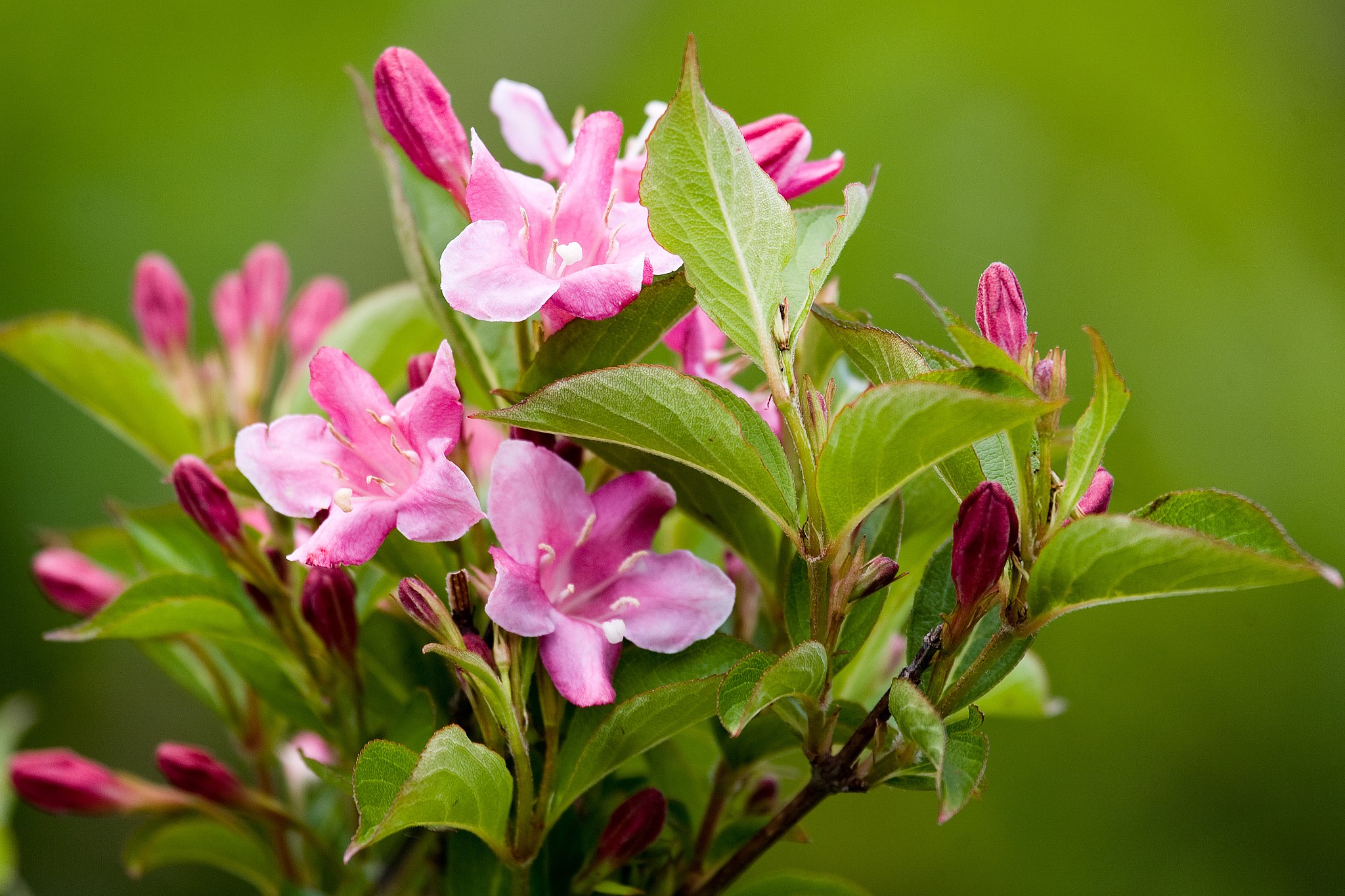
    The heavy vegetation and broad leaves of the weigelia mean that it has cool soil. In case of drought, additional, copious watering will help it to maintain itself and to flower well.

    Weigelia water requirements

    Weigelia’s water needs are important, especially during the growing season, particularly at a young age.

    Signs of lack of water

    In case of lack of water the leaves turn gray, roll up on themselves; flowering stops; young shoots soften.

    Water quality

    All waters are suitable for watering.

    Necessary material

    Watering can, watering lance.

    Watering frequency

    Water copiously when planting. Then, from May to September, water plants that have been installed for less than two years. In case of marked drought, water every three to four days (three watering cans per plant). This is important in summer when young shoots and flower buds form.

  • 8 decorative berry bushes for birds

    8 decorative berry bushes for birds

    In the front of the trees in autumn tones, spectacular fruit-bearing bodies hanging like lanterns play on streamers.

    In flower beds, thickets, hedges, or isolated on the lawn, trees or shrubs with berries and fruits are placed in your garden. Thanks to the latest types, you will be able to appreciate the eclectic palette of berries, fruits, and multi-colored drupes hanging on branches like precious stones to the very heart of winter. As for the decorative apple trees, of which there are so many, they are also invaluable for pollination in the garden and, thus, for excellent harvests.

    Viburnum, oleander, flounder, and callikarp

    Viburnums are full of fruiting species, like the blueberries of Viburnums and David oleander, those of pink “Pink Beauty”, and yellow of Xanthocarpum snowballs or red of many other choices, Burning bush and cotoneaster are also rich in fruit forms. At the foot of large shrubs, pink or white symphorines, callicarpas with turquoise berries, sacred bamboos with an Asian profile, pheasant trees, and generous tasty berries with a caramel smell are preferred. By installing these woody plants, you will place the birds, providing the best biological balance in the garden. They will save you from unwanted insects.

    Malus ‘Nicolas Hennebelle’

    The white flowering of the ‘Nicolas Hennebelle’ apple tree is followed by healthy foliage and long-lasting fruit.
    Cultivation conditions: the sun / calcareous soil/watering before recovery.
    Planting: in autumn or winter, for subjects with bare roots.
    Care: possible balance sizes at the end of winter.
    Our advice: it has an effect on its own and is a good pollinator in the orchard.

    Snowberry ‘White Edge’

    Snowberry ‘White Edge’ candy brightens up autumnal scenes with white.
    Cultivation conditions: the sun or in the shade / all soils / Watering before recovery
    Planting: in a ball or in a container from autumn to spring.
    Care: remove dried twigs.
    Our advice: it will be perfect under tall shrubs or trees

    Winterberry

    Female winterberry plants are prized for their abundant fruiting
    Cultivation conditions: partial shade / in humus soil, neutral to acid / sporadic watering
    Planting: in a container from November to April.
    Care: do not prune it, but rather pick opulent armfuls for Christmas.
    Our advice: its original hedges, cut at the end of winter, provide the setting.

    Penalty ‘Indian Magic’

    The compact habit of the ‘Indian Magic’ apple tree, with orange fruits, makes it suitable for small gardens.
    Cultivation conditions: the sun / in calcareous soil/watering before recovery
    Planting: with bare roots from November to March.
    Care: if necessary, prune this apple tree early in the spring.
    Our tip: its shiny leaves are disease resistant.

    Penalty ‘Crittenden’

    The red fruits of the ‘Crittenden’ apple tree are reminiscent of cherries until winter.
    Cultivation conditions: the sun / in calcareous soil/watering before recovery
    Planting: with bare roots from November to March.
    Care: treat this fruit tree against scab with Bordeaux mixture.
    Our advice: preserve its fruits from the greediness of the birds.

    Berberis ‘Superba’

    The thorny bushes of barberry ‘Superba’ offer fall foliage and scarlet berries.
    Cultivation conditions: the sun / all soils except wet / watering before recovery
    Planting: in a container from September to May.
    Care: powdery mildew can be prevented with sulfur sprays.
    Our advice: use barberry as a quickset hedge or defensive fence.

    Penalty ‘Countess of Paris’

    The ‘Comtesse de Paris’ apple tree explodes into a cloud of pinkish-white flowers, then into original fruit.
    Cultivation conditions: the sun / in calcareous soil/watering before recovery
    Planting: with bare roots from November to March.
    Care: prevent scab by spraying Bordeaux mixture.
    Our advice: plant this vigorous tree (H. 6 x spread. 5 m) isolated.

    Pyracantha ‘Yellow Sapphire’

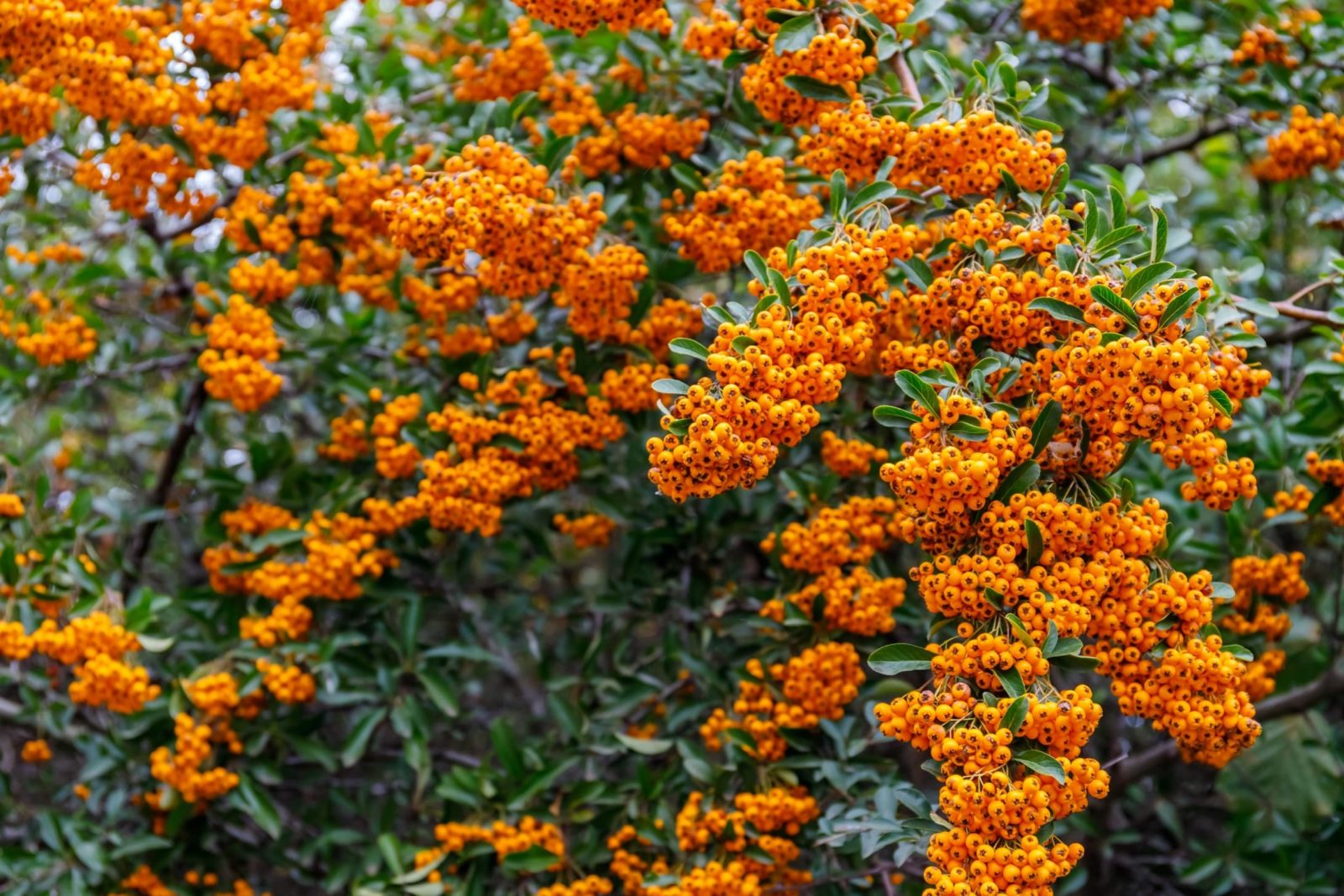
    The fruits of the opulent burning bush ‘Yellow Saphyr’ take color late.
    Cultivation conditions: the sun / in drained soils/watering before recovery
    Planting: in a clod from September to April.
    Care: prune the hedges at the end of winter, not too short, to obtain good fruiting.
    Our advice: this variety is spectacular in isolation or free hedge.