Author: admin

  • Common Problems With Juniper Trees and How to Fix Them

    Common Problems With Juniper Trees and How to Fix Them

    Juniper trees and shrubs are the backbone of many landscapes. They are famously hardy, drought-tolerant, and offer beautiful, year-round greenery. However, “low-maintenance” doesn’t mean “no-maintenance.” When a juniper starts turning brown, dropping needles, or looking sparse, it’s usually signaling a specific cry for help.

    Here is a guide to the most common juniper problems, how to diagnose them, and the steps you can take to nurse your trees back to health.

    1. Fungal Diseases (The Needle and Tip Blights)

    Fungal infections are among the most common culprits behind a browning juniper. They thrive in wet, humid conditions and crowded planting beds.

    Phomopsis Blight

    • The Symptoms: New, young growth at the tips of the branches turns light green, then yellow, and finally a reddish-brown before dying. You might see tiny black spots (fungal fruiting bodies) on the dead wood.
    • The Cause: Phomopsis juniperovora fungus, which attacks young tissue during warm, wet spring weather.

    Kabatina Blight

    • The Symptoms: Very similar to Phomopsis, but it targets last year’s growth. The browning usually appears in very early spring before new growth even begins.
    • The Cause: Kabatina juniperi fungus, which enters the plant through wounds or winter damage.

    How to Fix It:

    • Prune the infected areas: Cut away dead or dying twigs several inches below the damaged area. Always dip your pruning shears in a 10% bleach solution or rubbing alcohol between cuts to avoid spreading the fungus.
    • Improve air circulation: Thin out crowded branches and clear away weeds or surrounding plants to let air and sunlight penetrate the center of the tree.
    • Water smart: Avoid overhead sprinklers. Water at the base of the plant early in the morning so the needles don’t stay wet overnight.
    • Fungicides: For severe cases, apply a copper-based fungicide or mancozeb in the spring when new growth emerges.

    2. Cedar-Apple Rust

    This is a fascinating—but destructive—fungal disease that requires two different host plants to complete its life cycle: a juniper (cedar) and a plant from the apple family (like crabapples or apple trees).

    • The Symptoms: In the spring, especially after rain, you will see bizarre, bright orange, gelatinous, alien-like galls (often called “orange goo”) blooming on the juniper branches. In the winter, these look like hard, brown, golf-ball-sized galls.
    • The Cause: Gymnosporangium juniperi-virginianae fungus.

    How to Fix It:

    • Physical removal: Prune out the hard, brown galls during the dormant fall or winter months before they have a chance to bloom and release spores in the spring.
    • Host separation: If possible, avoid planting susceptible apple or crabapple trees within a few hundred yards of your junipers.
    • Fungicides: While it rarely kills the juniper, you can apply a preventative fungicide in late summer or early fall to protect the tree from spores blowing back from neighboring apple trees.

    3. Pests and Infestations

    Several tiny critters love to make a meal out of juniper needles and sap.

    Spider Mites

    • The Symptoms: Needles look dusty, yellowed, or speckled with a dull gray-brown hue. If you look closely, you may see fine, silken webbing wrapped around the twigs.
    • The Test: Hold a sheet of white paper under a branch and tap the branch sharply. If tiny specks start crawling around on the paper, you have mites.

    Bagworms

    • The Symptoms: Defoliation (stripped branches) and the presence of distinctive, cone-shaped bags (about 1 to 2 inches long) hanging from the branches. The bags are made of silk and camouflaged with dead juniper needles.

    How to Fix It:

    • For Spider Mites: Blast the tree with a strong stream of water from a garden hose to knock them off and destroy their webs. For heavy infestations, spray with insecticidal soap, neem oil, or a specific miticide.
    • For Bagworms: If you only have a few, hand-pick them off and drop them into a bucket of soapy water. Do this in the fall or winter before they hatch. For large infestations, spray with Bacillus thuringiensis (Bt) in the late spring when the young caterpillars are actively feeding.

    4. Environmental and Cultural Stress

    Sometimes, the issue isn’t a bug or a fungus—it’s the environment.

    ProblemSymptomsThe CauseThe Fix
    Overwatering / Root RotInner foliage turns yellow/brown; soil smells sour; entire plant wilts despite wet soil.Junipers hate wet feet. Heavy clay or poor drainage suffocates roots.Stop watering immediately. Divert gutters away from the tree. If drainage can’t be fixed, you may need to replant in a raised bed.
    Winter BrowningNeedles on the side facing the wind/sun turn uniform brown or bleached in late winter.“Winter desiccation.” Cold winds dry out the needles while the frozen ground prevents the roots from absorbing water.Water the juniper deeply in late autumn before the ground freezes. Erect a burlap barrier to block harsh winter winds.
    Interior BrowningDeep inside the bush, the needles turn brown and drop, while the outer tips remain green.This is actually normal!As the juniper grows, the outer shell blocks light from reaching the interior. Since those inner needles can’t photosynthesize, the tree sheds them. No action needed!

    Quick Prevention Checklist

    The best defense is a good offense. Keep your junipers healthy from the start:

    1. Plant in Full Sun: Junipers need at least 6 hours of direct sunlight daily to stay dense and disease-resistant.
    2. Don’t Over-Mulch: Keep mulch a few inches away from the actual trunk of the tree to prevent moisture trap and rot.
    3. Prune Correctly: Never hack a juniper back into the “dead zone” (the brown, needleless interior). Junipers rarely regenerate from old, bare wood. Only prune the green, outer growth.
  • Snake Plant Care

    Snake Plant Care

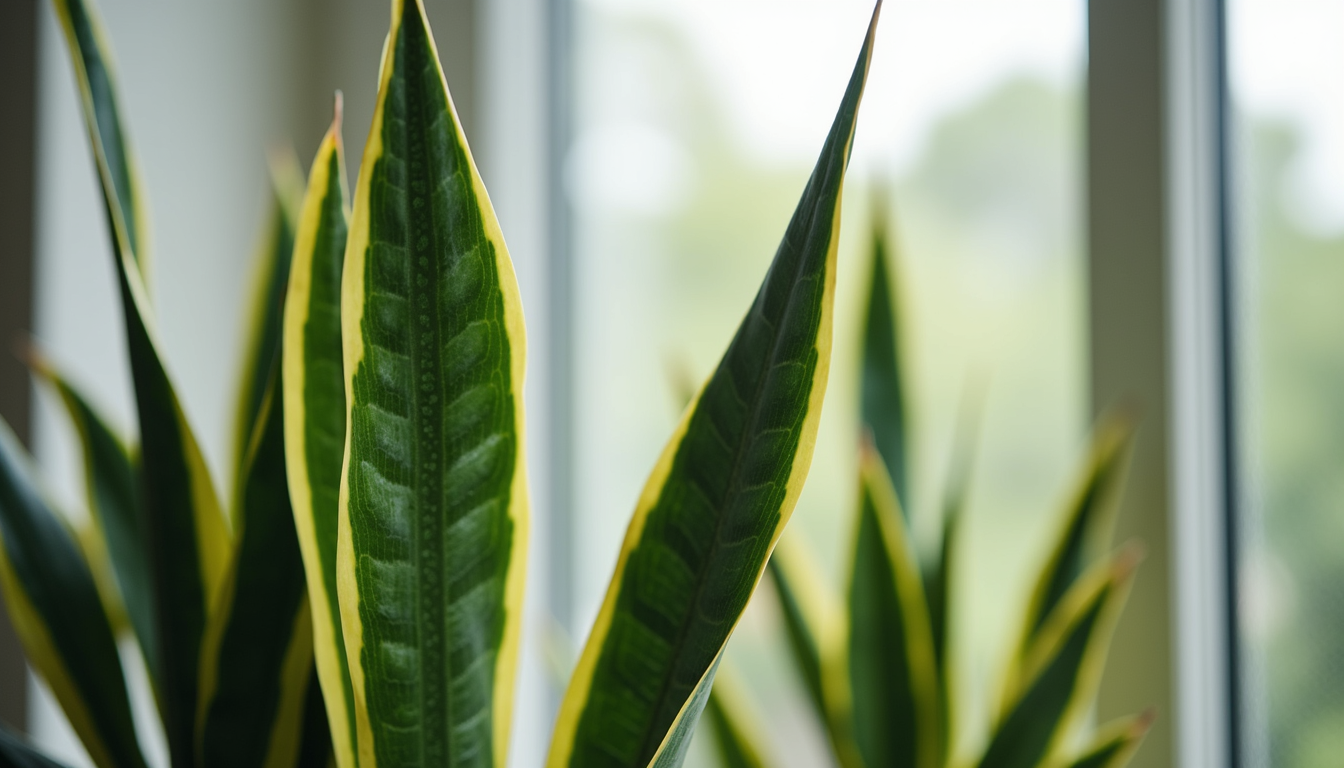
    Snake plants are among the easiest houseplants to grow, making them a favorite for beginners and experienced plant lovers alike. Their striking upright leaves add a modern touch to any room, and they require surprisingly little attention. If you want a resilient plant that cleans your indoor air and looks great, snake plants are an excellent choice.

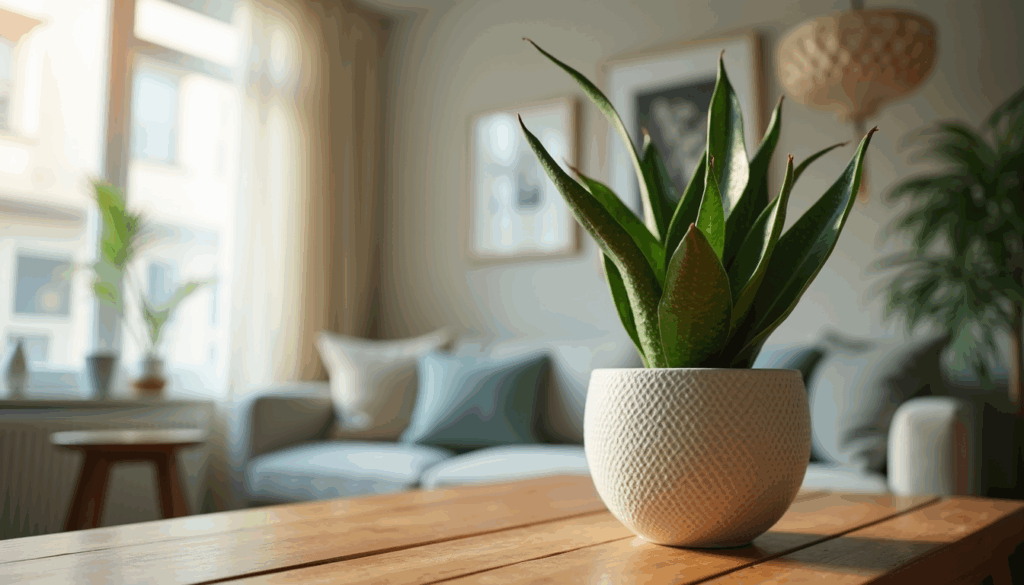
    Snake plant in a modern pot on a wooden table
    Snake plant in a modern pot on a wooden table

    Choosing the Right Location

    Snake plants thrive in a variety of light conditions but prefer indirect sunlight. They tolerate low light, which makes them perfect for offices, bedrooms, or rooms with limited natural light. Avoid placing them in direct sunlight for extended periods, as this can scorch their leaves.

    Place your snake plant near a window with filtered light or in a spot that receives bright, indirect sunlight for several hours a day. If your space is very dark, consider supplementing with a grow light to keep the plant healthy.

    Watering Your Snake Plant

    One of the most common mistakes with snake plants is overwatering. These plants store water in their thick leaves and prefer to dry out between waterings. Water your snake plant every 2 to 6 weeks depending on the season and humidity levels.

    During warmer months, check the soil moisture by sticking your finger about an inch deep. If it feels dry, it’s time to water. In winter, reduce watering frequency as the plant enters a dormant phase. Always use pots with drainage holes to prevent water from pooling at the bottom, which can cause root rot.

    Soil and Potting Tips

    Snake plants grow best in well-draining soil. A cactus or succulent potting mix works well because it prevents excess moisture retention. If you prefer to use regular potting soil, mix in sand or perlite to improve drainage.

    Choose a pot that is slightly larger than the root ball but not too big. Snake plants like to be a bit snug in their pots. Repotting every 2 to 3 years helps refresh the soil and gives the roots room to grow.

    Temperature and Humidity Needs

    Snake plants prefer warm temperatures between 70°F and 90°F (21°C to 32°C). They can tolerate cooler temperatures but should not be exposed to anything below 50°F (10°C) for long periods.

    These plants do well in average household humidity. They do not require misting or special humidity levels, making them low-maintenance for most indoor environments.

    Fertilizing Your Snake Plant

    Feed your snake plant with a balanced, all-purpose houseplant fertilizer during the growing season, which is spring through summer. Use a diluted solution every 4 to 6 weeks. Avoid fertilizing in the fall and winter when the plant’s growth slows down.

    Too much fertilizer can cause leaf burn or damage, so it’s better to underfeed than overfeed. Organic options like worm castings or compost tea can also support healthy growth.

    Common Problems and How to Fix Them

    Snake plants are tough but can face a few issues if care is not right:

    • Overwatering causes root rot. If leaves become mushy or yellow, reduce watering and check the roots.
    • Underwatering leads to dry, wrinkled leaves. Increase watering frequency slightly.
    • Pests like spider mites or mealybugs can appear. Wipe leaves with a damp cloth or use insecticidal soap.
    • Leaf spots may develop from fungal infections. Remove affected leaves and improve air circulation.

    Regularly inspect your plant and adjust care as needed to keep it thriving.

    Propagating Snake Plants

    You can easily propagate snake plants by dividing the root ball or using leaf cuttings. To divide, gently remove the plant from its pot and separate sections with roots attached. Plant each section in fresh soil.

    Snake plant leaf cuttings rooting in soil
    Snake plant leaf cuttings rooting in soil

    For leaf cuttings, cut a healthy leaf near the base, let it dry for a day, then place it in moist soil. It may take several weeks for roots and new shoots to appear.

    Propagation is a great way to expand your collection or share plants with friends.

  • Peace Lily Care

    Peace Lily Care

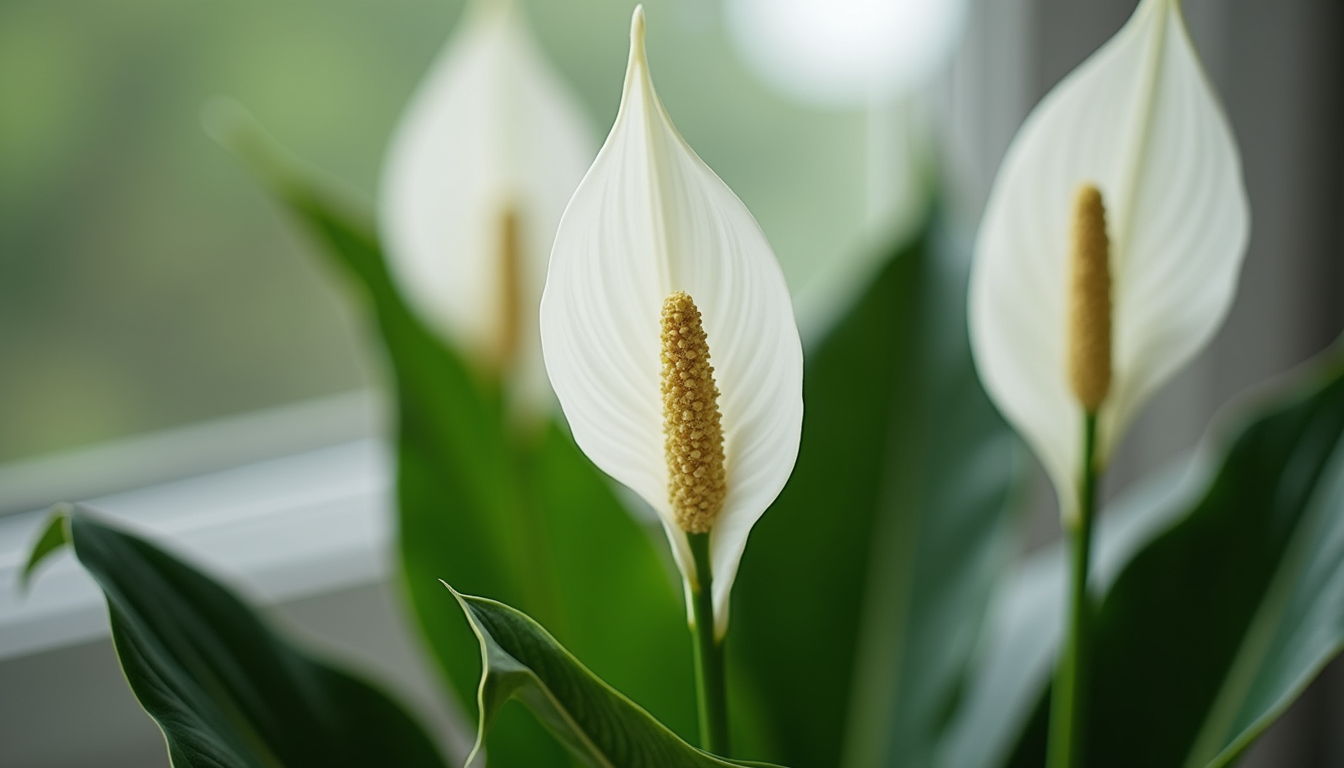
    Peace lilies (Spathiphyllum) are popular houseplants known for their elegant white flowers and glossy green leaves. They brighten indoor spaces with minimal effort and can thrive in low light, making them a favorite for homes and offices. Understanding how to care for peace lilies helps you enjoy their beauty and health for years.

    Why You Should Have a Peace Lily

    Peace lilies offer more than just visual appeal. They improve indoor air quality by filtering toxins like benzene and formaldehyde. NASA’s Clean Air Study highlighted their ability to reduce airborne pollutants, making them a natural air purifier. Their low maintenance needs suit busy lifestyles or those new to plant care.

    Compared to other houseplants like snake plants or pothos, peace lilies bloom regularly indoors without needing direct sunlight. Their flowers last longer and add a touch of elegance that many other green plants lack. They also adapt well to different indoor conditions, tolerating shade better than many flowering plants.

    Light Requirements

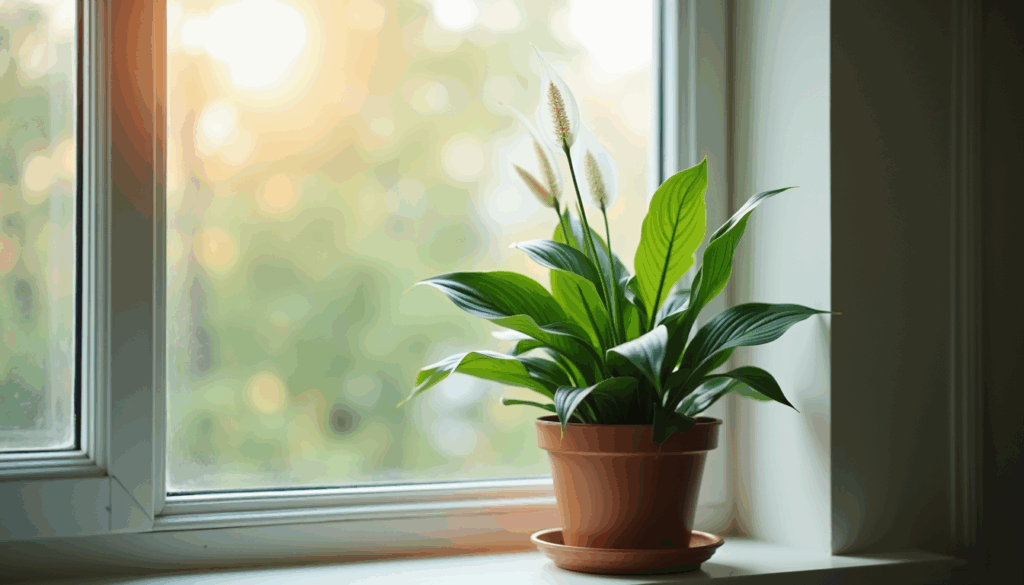
    Peace lilies thrive in moderate to low indirect light. Direct sunlight can scorch their leaves, causing brown spots. A north or east-facing window is ideal. If your space is darker, the plant may still survive but bloom less frequently.

    If you notice the leaves turning yellow or the plant leaning toward the light source, it may need more light. Conversely, brown leaf edges often indicate too much sun exposure.

    Watering Tips

    Peace lilies prefer consistently moist soil but do not tolerate waterlogging. Water when the top inch of soil feels dry to the touch. Overwatering can cause root rot, while underwatering leads to drooping leaves.

    A good practice is to water thoroughly until water drains from the bottom, then empty the saucer to prevent standing water. During winter, reduce watering frequency as the plant’s growth slows.

    Humidity and Temperature

    Peace lilies enjoy humidity levels above 40%. Dry indoor air, especially in winter, can cause leaf tips to brown. Increase humidity by misting the leaves regularly or placing the pot on a tray with water and pebbles.

    Ideal temperatures range from 65°F to 80°F (18°C to 27°C). Avoid placing the plant near cold drafts or heating vents, which can stress it.

    Soil and Fertilizing

    Use well-draining potting soil rich in organic matter. A peat-based mix with perlite or sand works well. Repot every 1-2 years to refresh soil and allow room for growth.

    Feed your peace lily with a balanced, water-soluble fertilizer every 6 weeks during the growing season (spring and summer). Avoid over-fertilizing, which can cause leaf burn.

    Common Problems and Solutions

    • Brown leaf tips: Usually caused by low humidity or inconsistent watering. Increase humidity and water regularly.
    • Yellow leaves: Often a sign of overwatering or poor drainage. Check soil moisture and improve drainage if needed.
    • No blooms: Insufficient light or lack of nutrients. Move to brighter indirect light and fertilize appropriately.
    • Pests: Occasionally, peace lilies attract spider mites or aphids. Wipe leaves with a damp cloth and use insecticidal soap if necessary.

    Comparing Peace Lily Care to Other Popular Houseplants

    Peace lilies require more consistent watering than succulents but less direct sunlight than African violets. Unlike fiddle leaf figs, which need bright light and careful watering, peace lilies tolerate shade and occasional neglect.

    Compared to spider plants, peace lilies bloom more frequently indoors, offering white flowers that last weeks. Their air-purifying qualities also surpass many common houseplants, making them a practical choice for improving indoor environments.

    Final Thoughts on Peace Lily Care

    Peace lilies combine beauty, air-purifying benefits, and ease of care. They fit well in various indoor settings, from homes to offices, and reward attention with long-lasting blooms. By providing moderate indirect light, consistent watering, and proper humidity, you can keep your peace lily thriving.

  • How to get rid of chiggers in the lawn?

    How to get rid of chiggers in the lawn?

    There is no specific treatment for lawns against chiggers, which does not stop you from looking for ways to scratch less! Chiggers are not insects but mites, spiders. Moreover, the problem is generally poorly understood and has nothing to do with mosquito control! Chigger larvae behave somewhat like ticks. In the hot hours of summer, they are confined to tall grass, or the upper parts of vegetable garden crops, and they drop onto the first warm-blooded animal that passes by. The gardener, his family, his children, his descendants…and their guests so happy to roll around in the grass. Not to do ! To limit the inconvenience, start – if possible – by watering the lawn either more often or more generously. Mow close and take advantage of autumn to sow mint and lemon balm, broadcast, in the grass. It smells very good and the chiggers don’t like it!

  • Synthetic turf: the keys to choosing well

    Synthetic turf: the keys to choosing well

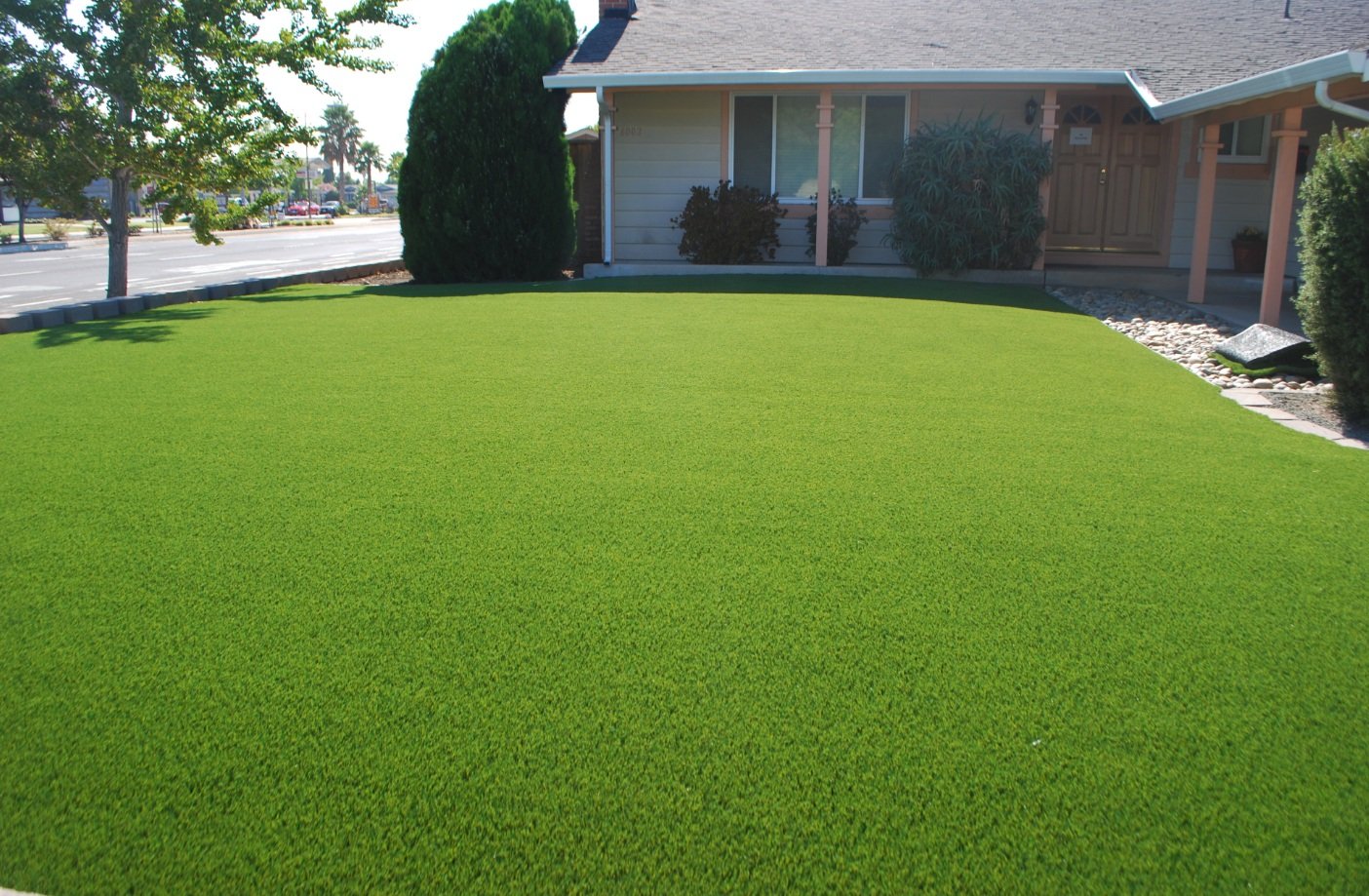
    Practical, quick to implement and strikingly realistic, synthetic turfs are increasingly being used in our exteriors. Even if the artificial lawn does not require watering, mowing or special care, it is not chosen at random! Follow the leader…

    A beautiful, non-messy lawn

    Unlike artificial grass, a natural lawn needs a lot of attention: regular mowing, abundant watering, weeding… tasks that take a lot of time for results that are not always there… On the other hand, a simple brush enough to keep an artificial lawn green and beautiful all year round. Much less restrictive maintenance which leaves time for leisure. Another advantage of synthetic turf: installation that does not require soil. It can therefore be installed on the beach of a swimming pool without risking polluting the water, on a terrace or on a playground where children will not get dirty.

    A lawn for each use

    Before you get started, define what you will use your new lawn for.If you want to transform your concrete terrace or balcony into a delicate and welcoming space, choose thick, soft lawns that cushion your steps and invite you to relax.For a busy passage, choose a shorter section and a less dense grass which will not lie down under repeated trampling.In a pleasure garden, favor matte shades. For a more natural result, prefer lawns that mix shades of dark green and brown strands.And if it is a playground, choose a product that is very resistant to wear and tearing. A soft and dense fiber provides better cushioning in the event of a fall and prevents many injuries. 

    Four selection criteria

    Use: before choosing, make the difference between the “green carpet” which barely allows you to install an inflatable swimming pool for children one summer and the 

    high-end Exelgreen synthetic turf which offers a very realistic rendering and which is installed for many years.

    Aesthetics: favor matte lawns. This is the first detail that will give credibility to the imitation.

    Density  : the greater the number of strands per m², the more pleasant it is under your feet. A dense lawn is also more compact and absorbs footsteps better. Heavier, it is also more stable. 

    Flexibility: a flexible weave allows your lawn to better adapt to the shape of the ground. The feeling of touch and the sound of friction is also more pleasant.

    One pose for a guaranteed result

    For a better result of your future lawn, it is advisable to first test the lawn in situ by obtaining one or more samples (available from the manufacturer for only a few euros). To cover a large surface, opt for large width rolls in order to have a minimum of connections. Finally, know that to obtain a lawn the installation of the rollers is carried out in the same direction, knowing that the most beautiful effect is obtained by looking at the lawn “against the grain”. So remember to orient it intelligently to benefit from the best possible results. To make the effect even more realistic, don’t hesitate to include some plantings or flowerbeds to break up the space. Finally, if several rollers are necessary, check that they come from the same “bath” to avoid differences in color.

  • Scarifying the lawn: eliminating moss

    Scarifying the lawn: eliminating moss

    Scarification consists of cutting out the tangle of surface roots and blades of grass, blocking air and water exchange with the subsoil. It allows you to regenerate an old lawn.

    When and how to scarify your lawn?

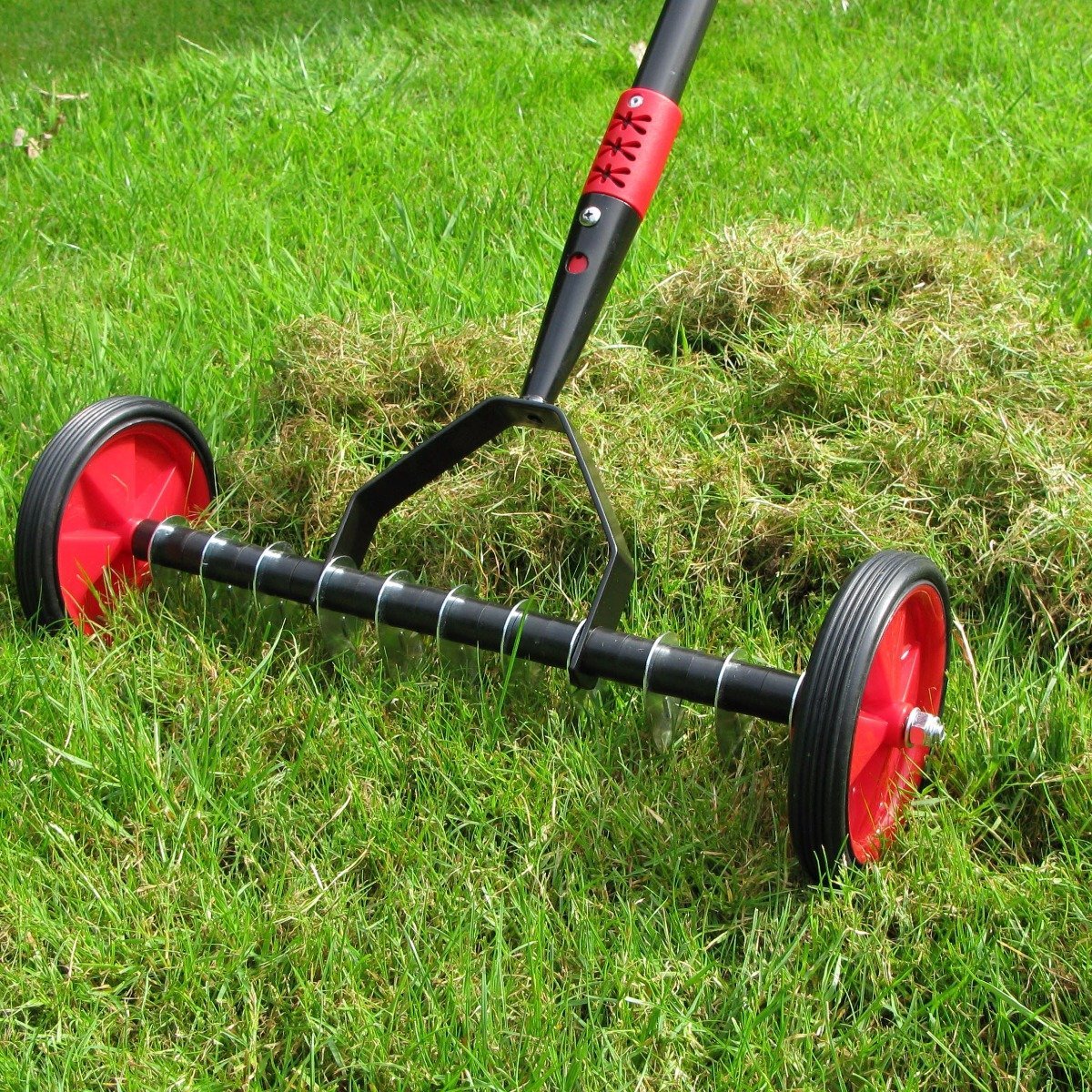
    A single pass of the 

    scarifier per year is enough to maintain a 

    lawn in good condition. This operation should be carried out in dry weather 

    at the end of winter .You must start by 

    mowing the lawn and collecting dead leaves. Adjust the working depth according to the nature of the soil and the degree of degradation of the lawn. As it penetrates the ground, the scarifier blades cut the thatch, slice the 

    moss and cut the weeds.

    What to do after scarification?

    Choose a replenishment turf whose composition is the same or very close to the mixture in place so as not to have any difference in vegetation.

    Should you mow your lawn before scarifying?

    To be effective, scarification must be carried out on slightly damp soil. Water the lawn one or two days before your intervention during periods of drought. Mow fairly close and collect the cuts .

    Scarify with a lawn scarifier

    Scarify the entire surface of the lawn, crossing the paths when the lawn is very damaged . This operation also eliminates some of the moss and weeds. Don’t be surprised if the grass appears completely turned over!

    Remove moss from the lawn: sweep the lawn

    When the job is finished, sweep the lawn. Scrape the soil vigorously to remove all grass debris and extracted roots. Take these wastes to the compost pile and water with an activator to speed up their decomposition .

    Should you sow after scarification?

    Carry out a re-sow with a mixture of coated grass seeds, which protects them from the appetite of birds. Roll with a roller and water in fine rain . The traces of scarification disappear after a month.

  • Fruits, vegetables and herbs on the balcony and on the terrace

    Fruits, vegetables and herbs on the balcony and on the terrace

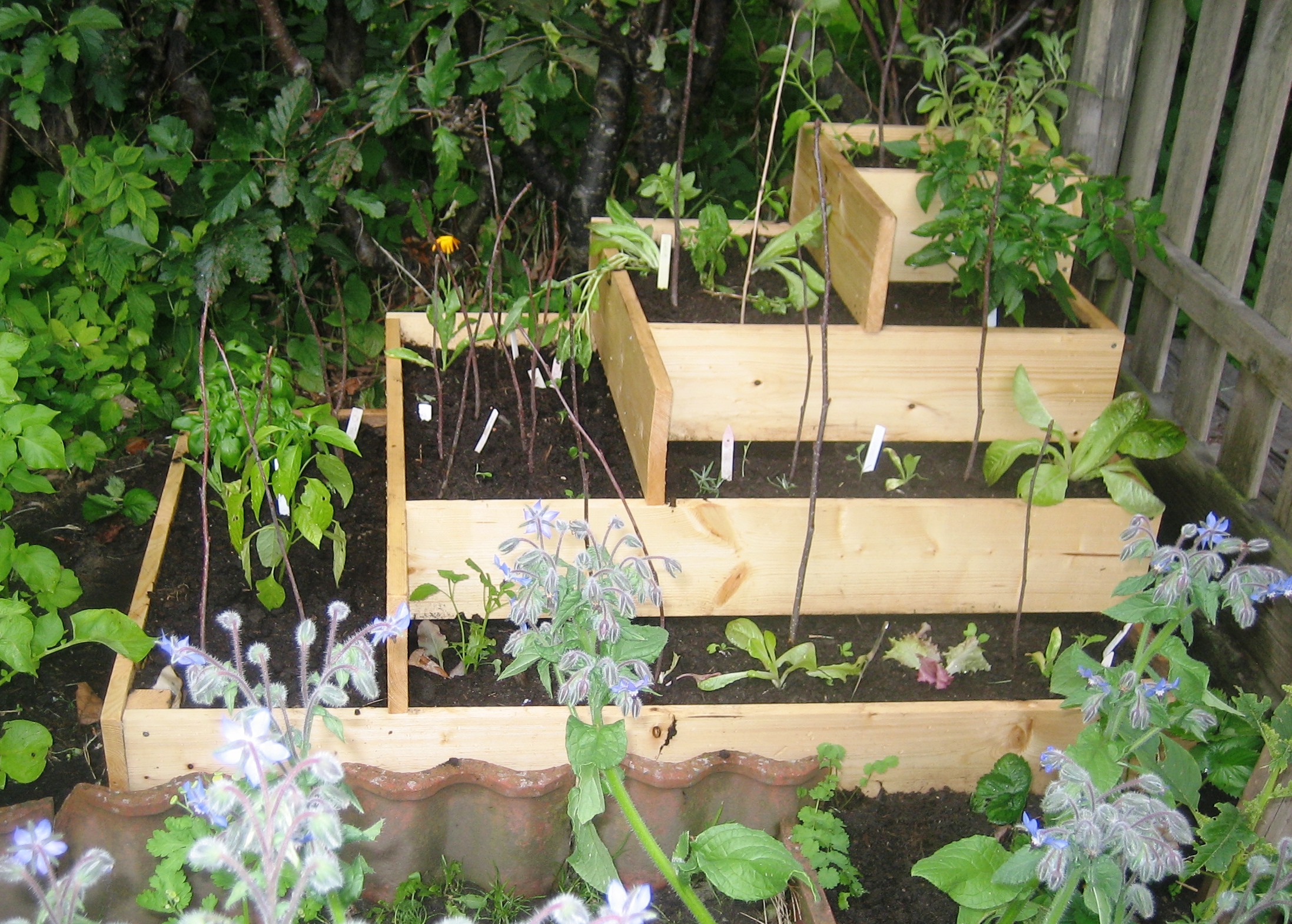
    In hot, dry weather, you need to give your potted vegetables and berries a boost. Thus, they will continue to produce until autumn.

    Growing Potted Vegetables Successfully

    • Scratch the top of the substrate to aerate it, water and fertilizers will be better absorbed.
    • Watering must be daily if the temperatures are high, to avoid water stress responsible for the rise of lettuces and the “black bottom” of tomatoes.
    • Operate in the evening to limit evaporation, do not leave excess water in the saucers.

    Every ten days, fertilize the tomatoes .

    Succeed in growing fruit trees in pots

    • Stimulate harvests by applying suitable organic fertilizers, always after watering with clear water .
    • Chop the grapes by removing the malformed or damaged grains in the center of the bunches.
    • Bag the most beautiful bunches, as well as the apples and pears of the dwarf forms.

    Three gestures to harvest more on the balcony

    To get more leaves, pinch the stems of the basil and do the same with the mint

    Harvest the courgettes as soon as they are 20 cm in length, the plant will produce new fruits more quickly.

    Remove stolons from strawberries grown in pots or planters. They will use their energy to produce more.

  • A wooden deck

    A wooden deck

    To give relief and appreciate the charm of the wood, choose the orientation of the blades carefully.

    Choose the orientation direction of the slats carefully. Like stripes on a piece of clothing, they change perception. Oriented towards the house, they increase the impression of depth. Lined up along the front, they emphasize the width. But you can also imagine all the patterns, with a herringbone or variegated pose, sometimes aligned, sometimes perpendicular. If you are looking for this type of complex landscaping, call on a professional, a specialized landscaper for example, and ask for a plan.The slats are screwed or nailed to the joists, or held in place by small invisible metal tabs. You must always leave a free space of at least 5 mm between the blades to promote the flow of water.The ideal is to make the terrace in blades on a concrete slab. Otherwise, the surface layer of earth should be thoroughly stripped, tamped and then a geotextile material put in place. It is a kind of felt that delays the appearance of weeds. Note that a drainage layer, sand or gravel in particular, is often made between the geotextile and the floor of the terrace.

    Laying on joists

    The slatted terrace rests on joists. These are wooden bars of square or rectangular section, on which the blades are fixed. These joists are in contact with the ground. It is therefore imperative that they are class IV. They are arranged at right angles to the laying direction of the boards and spaced approximately 30 to 50 cm apart.

  • A vegetable garden on the balcony to stock up on vitamins

    A vegetable garden on the balcony to stock up on vitamins

    Here are some ideas of associations to make stews full of vitamins. Associate :

    • branch celery, whose yellow foliage will bring color,
    • chilies or peppers, which adapt well to growing in pots provided you have the sun,
    • an early cabbage.

    You can sow plants such as:

    • physalis, very rich in vitamin C,
    • spinach, the young leaves of which are eaten,
    • turnips, 
    • carrots – bells (or miniatures).

    “Curly” parsley -more decorative when grown in a pot- or “flat” is also very rich in vitamin C. It can be combined with chives or sorrel. Small fruits such as raspberry, black currant, or gooseberry are also full of nutrients. For that :

    • Use frost-resistant pottery (zinc bucket for example), because the plants will spend the winter outside. Earthen pots may burst.
    • It is possible to plant several vegetables or fruit trees in the same pot: Hubert, for example, associated a strawberry plant with blackcurrant or sowed a few seeds of peas at the foot of a raspberry. They germinate after a few days and form a pretty palisade after a few weeks!
  • Watering: flowers to watch out for in summer

    Watering: flowers to watch out for in summer

    Without being demanding, some plants flower more when they benefit from copious waterings. This is the case with ‘Diamond Frost’ spurge and loosestrife.

    Euphorbia: regular watering

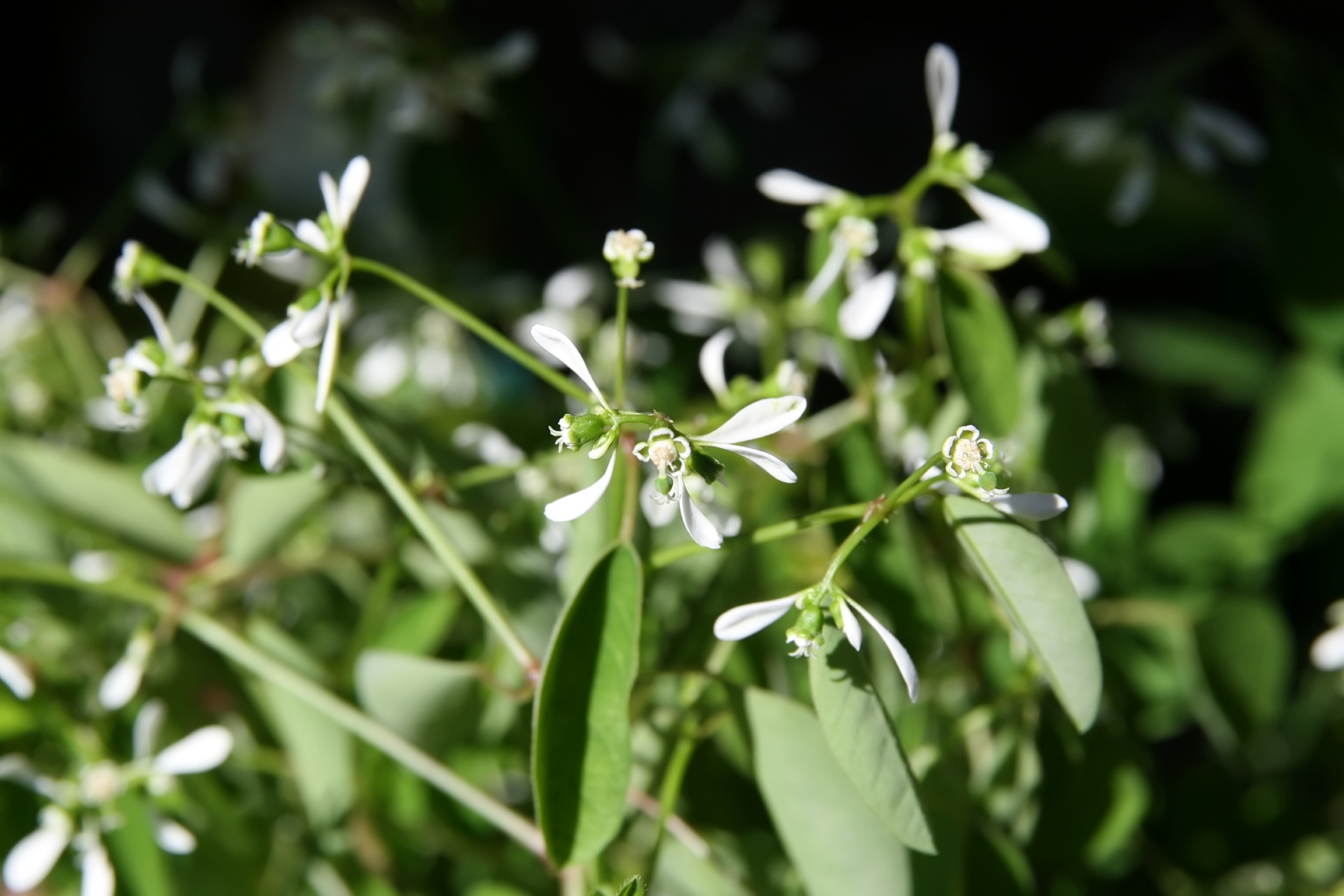
    The ‘ diamond frost’ euphorbia is planted in the sun, in a pot or in the ground. It likes heat, but fears drought.
    Water this euphorbia every two days, adding fertilizer every week so that it remains filled with a multitude of small white flowers similar to snowflakes.

    Lysimachus: moisture without excess

    A not very hardy perennial grown as an annual, loosestrife congestifolia is often used as a ground cover or suspended in a sunny situation. Its bright yellow flowers gathered in an umbel follow one another in summer and autumn. Be careful, this loosestrife likes cool to moist soils, but never soggy!