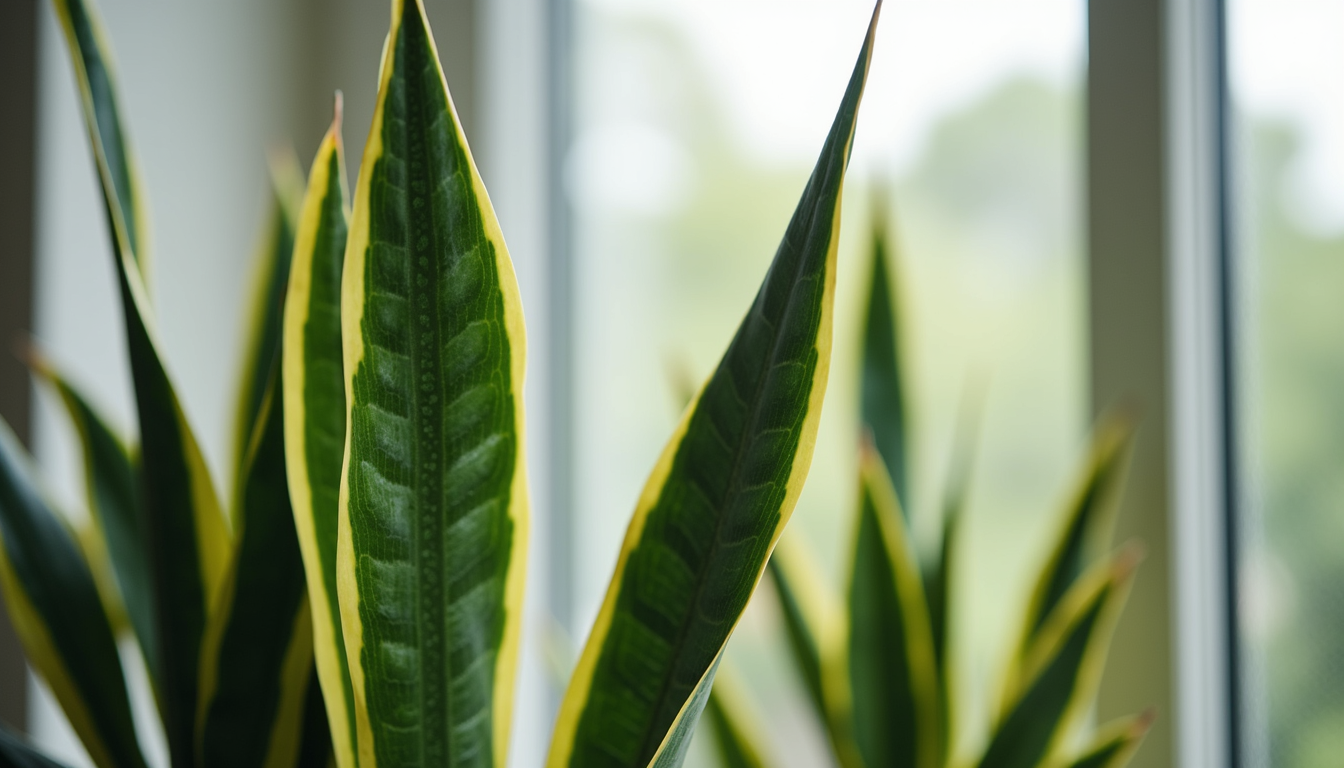
Snake plants are among the easiest houseplants to grow, making them a favorite for beginners and experienced plant lovers alike. Their striking upright leaves add a modern touch to any room, and they require surprisingly little attention. If you want a resilient plant that cleans your indoor air and looks great, snake plants are an excellent choice.

Choosing the Right Location
Snake plants thrive in a variety of light conditions but prefer indirect sunlight. They tolerate low light, which makes them perfect for offices, bedrooms, or rooms with limited natural light. Avoid placing them in direct sunlight for extended periods, as this can scorch their leaves.
Place your snake plant near a window with filtered light or in a spot that receives bright, indirect sunlight for several hours a day. If your space is very dark, consider supplementing with a grow light to keep the plant healthy.
Watering Your Snake Plant
One of the most common mistakes with snake plants is overwatering. These plants store water in their thick leaves and prefer to dry out between waterings. Water your snake plant every 2 to 6 weeks depending on the season and humidity levels.
During warmer months, check the soil moisture by sticking your finger about an inch deep. If it feels dry, it’s time to water. In winter, reduce watering frequency as the plant enters a dormant phase. Always use pots with drainage holes to prevent water from pooling at the bottom, which can cause root rot.
Soil and Potting Tips
Snake plants grow best in well-draining soil. A cactus or succulent potting mix works well because it prevents excess moisture retention. If you prefer to use regular potting soil, mix in sand or perlite to improve drainage.
Choose a pot that is slightly larger than the root ball but not too big. Snake plants like to be a bit snug in their pots. Repotting every 2 to 3 years helps refresh the soil and gives the roots room to grow.
Temperature and Humidity Needs
Snake plants prefer warm temperatures between 70°F and 90°F (21°C to 32°C). They can tolerate cooler temperatures but should not be exposed to anything below 50°F (10°C) for long periods.
These plants do well in average household humidity. They do not require misting or special humidity levels, making them low-maintenance for most indoor environments.
Fertilizing Your Snake Plant
Feed your snake plant with a balanced, all-purpose houseplant fertilizer during the growing season, which is spring through summer. Use a diluted solution every 4 to 6 weeks. Avoid fertilizing in the fall and winter when the plant’s growth slows down.
Too much fertilizer can cause leaf burn or damage, so it’s better to underfeed than overfeed. Organic options like worm castings or compost tea can also support healthy growth.
Common Problems and How to Fix Them
Snake plants are tough but can face a few issues if care is not right:
- Overwatering causes root rot. If leaves become mushy or yellow, reduce watering and check the roots.
- Underwatering leads to dry, wrinkled leaves. Increase watering frequency slightly.
- Pests like spider mites or mealybugs can appear. Wipe leaves with a damp cloth or use insecticidal soap.
- Leaf spots may develop from fungal infections. Remove affected leaves and improve air circulation.
Regularly inspect your plant and adjust care as needed to keep it thriving.
Propagating Snake Plants
You can easily propagate snake plants by dividing the root ball or using leaf cuttings. To divide, gently remove the plant from its pot and separate sections with roots attached. Plant each section in fresh soil.
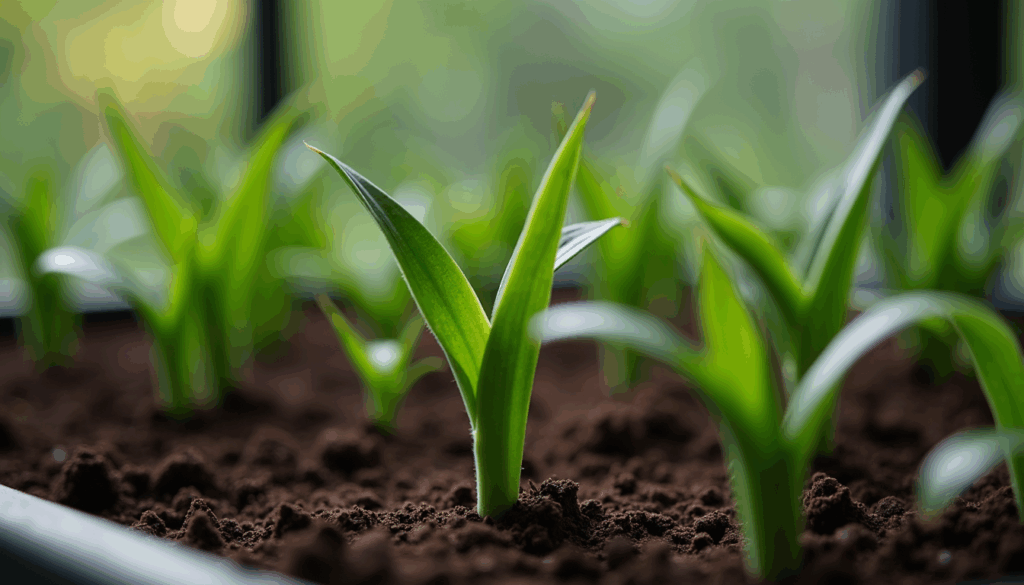
For leaf cuttings, cut a healthy leaf near the base, let it dry for a day, then place it in moist soil. It may take several weeks for roots and new shoots to appear.
Propagation is a great way to expand your collection or share plants with friends.
Leave a Reply