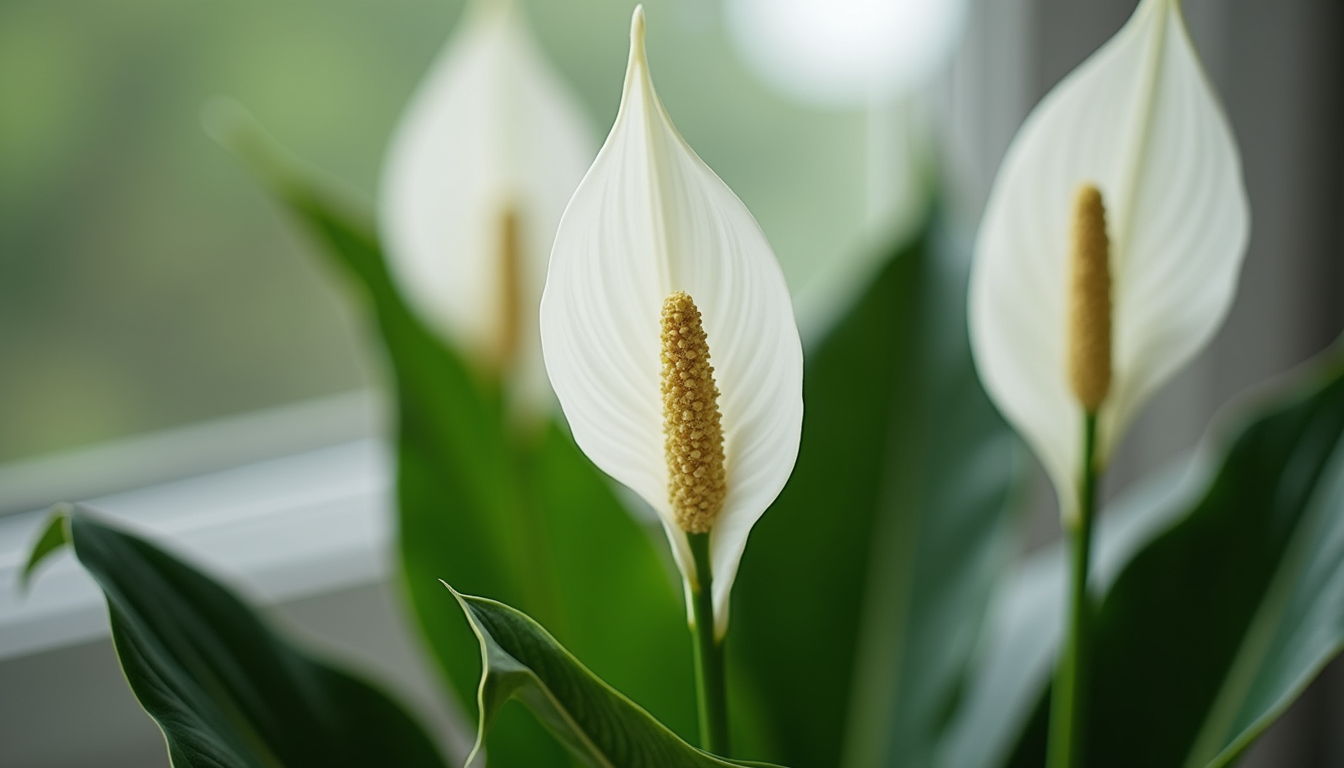
Peace lilies (Spathiphyllum) are popular houseplants known for their elegant white flowers and glossy green leaves. They brighten indoor spaces with minimal effort and can thrive in low light, making them a favorite for homes and offices. Understanding how to care for peace lilies helps you enjoy their beauty and health for years.
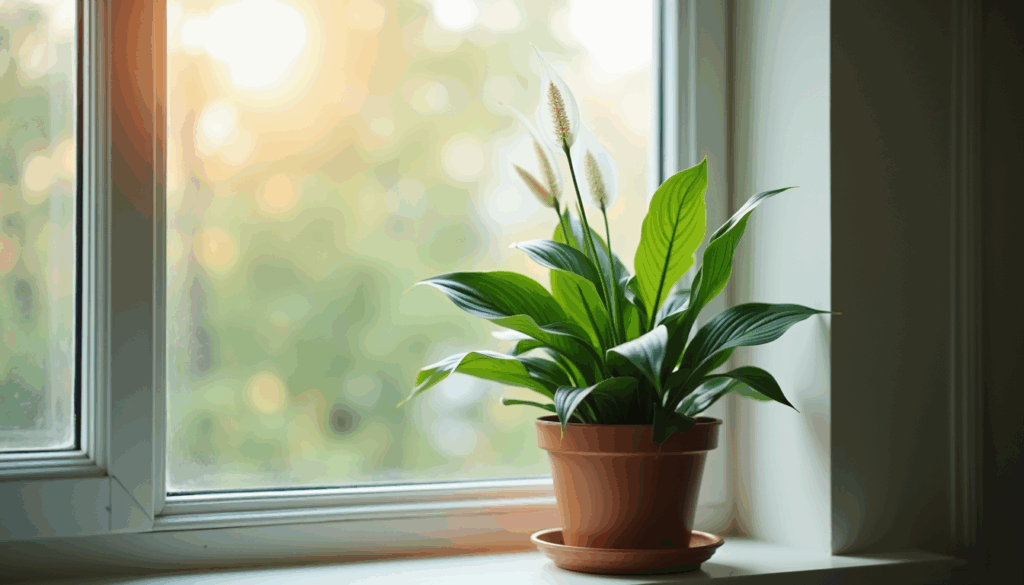
Why You Should Have a Peace Lily
Peace lilies offer more than just visual appeal. They improve indoor air quality by filtering toxins like benzene and formaldehyde. NASA’s Clean Air Study highlighted their ability to reduce airborne pollutants, making them a natural air purifier. Their low maintenance needs suit busy lifestyles or those new to plant care.
Compared to other houseplants like snake plants or pothos, peace lilies bloom regularly indoors without needing direct sunlight. Their flowers last longer and add a touch of elegance that many other green plants lack. They also adapt well to different indoor conditions, tolerating shade better than many flowering plants.
Light Requirements
Peace lilies thrive in moderate to low indirect light. Direct sunlight can scorch their leaves, causing brown spots. A north or east-facing window is ideal. If your space is darker, the plant may still survive but bloom less frequently.
If you notice the leaves turning yellow or the plant leaning toward the light source, it may need more light. Conversely, brown leaf edges often indicate too much sun exposure.
Watering Tips
Peace lilies prefer consistently moist soil but do not tolerate waterlogging. Water when the top inch of soil feels dry to the touch. Overwatering can cause root rot, while underwatering leads to drooping leaves.
A good practice is to water thoroughly until water drains from the bottom, then empty the saucer to prevent standing water. During winter, reduce watering frequency as the plant’s growth slows.
Humidity and Temperature
Peace lilies enjoy humidity levels above 40%. Dry indoor air, especially in winter, can cause leaf tips to brown. Increase humidity by misting the leaves regularly or placing the pot on a tray with water and pebbles.
Ideal temperatures range from 65°F to 80°F (18°C to 27°C). Avoid placing the plant near cold drafts or heating vents, which can stress it.
Soil and Fertilizing
Use well-draining potting soil rich in organic matter. A peat-based mix with perlite or sand works well. Repot every 1-2 years to refresh soil and allow room for growth.
Feed your peace lily with a balanced, water-soluble fertilizer every 6 weeks during the growing season (spring and summer). Avoid over-fertilizing, which can cause leaf burn.
Common Problems and Solutions
- Brown leaf tips: Usually caused by low humidity or inconsistent watering. Increase humidity and water regularly.
- Yellow leaves: Often a sign of overwatering or poor drainage. Check soil moisture and improve drainage if needed.
- No blooms: Insufficient light or lack of nutrients. Move to brighter indirect light and fertilize appropriately.
- Pests: Occasionally, peace lilies attract spider mites or aphids. Wipe leaves with a damp cloth and use insecticidal soap if necessary.
Comparing Peace Lily Care to Other Popular Houseplants
Peace lilies require more consistent watering than succulents but less direct sunlight than African violets. Unlike fiddle leaf figs, which need bright light and careful watering, peace lilies tolerate shade and occasional neglect.
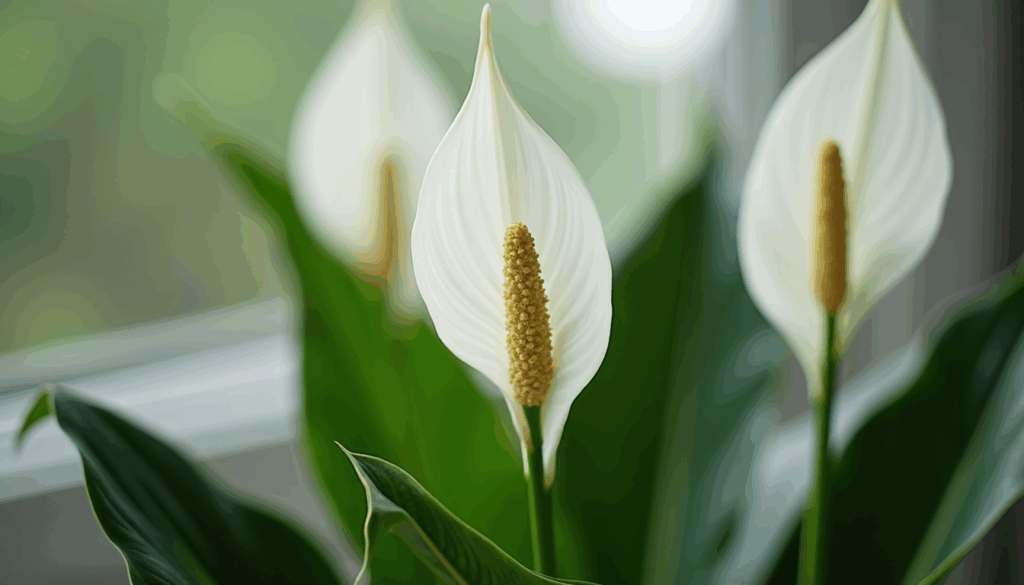
Compared to spider plants, peace lilies bloom more frequently indoors, offering white flowers that last weeks. Their air-purifying qualities also surpass many common houseplants, making them a practical choice for improving indoor environments.
Final Thoughts on Peace Lily Care
Peace lilies combine beauty, air-purifying benefits, and ease of care. They fit well in various indoor settings, from homes to offices, and reward attention with long-lasting blooms. By providing moderate indirect light, consistent watering, and proper humidity, you can keep your peace lily thriving.
Leave a Reply