Explore tips, guides, and ideas for all things gardening. From growing beautiful flowers and lush indoor plants to maintaining a thriving vegetable garden, discover practical advice for gardeners of every level. Learn techniques, seasonal care, and innovative gardening solutions to make your garden flourish.
If the pots and planters composed in May still bloom in mid-August, they are running out of steam. Do not neglect the few required actions that will ensure a beautiful flowering until the first frosts, or even longer!
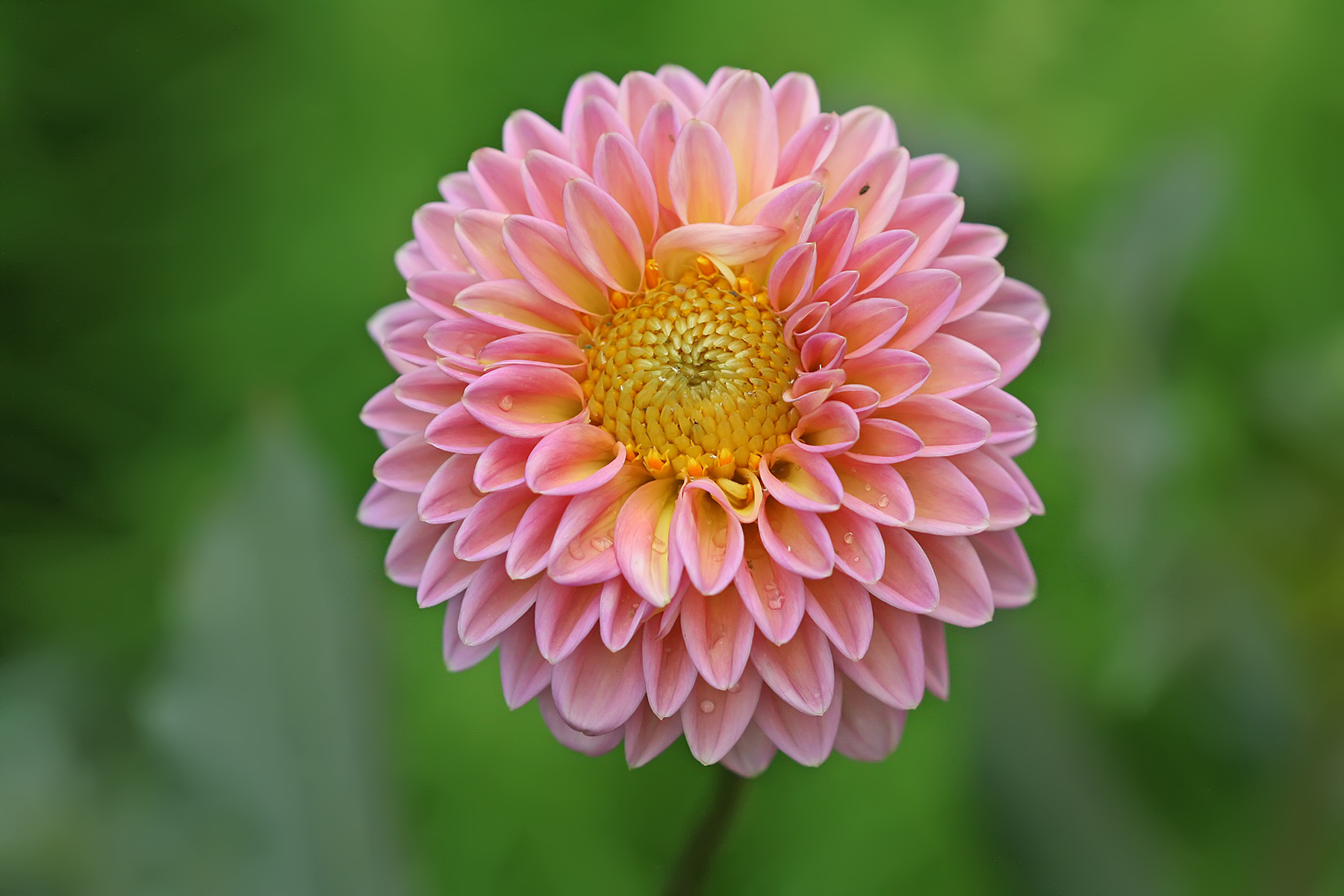
Dahlia
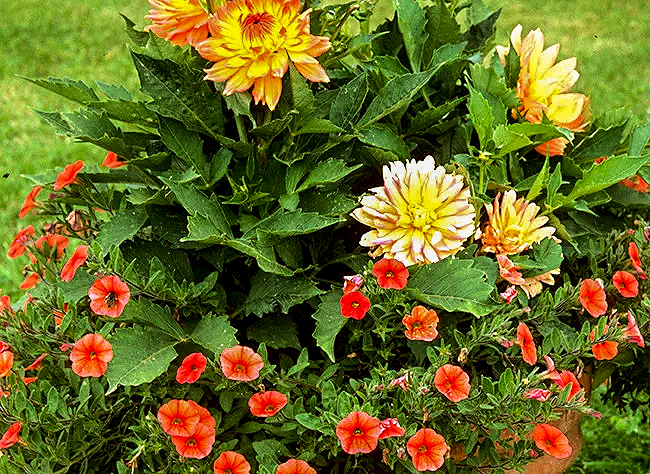
Dwarf dahlias adapt perfectly to growing in pots or planters. Mid-August, surface the pot by 1 cm, scraping the substrate with a fork, and fill with compost while continuing to water – the soil must remain cool – and add liquid fertilizer every 15 days. Remove faded flowers to induce the appearance of new flower buds and prolong flowering.
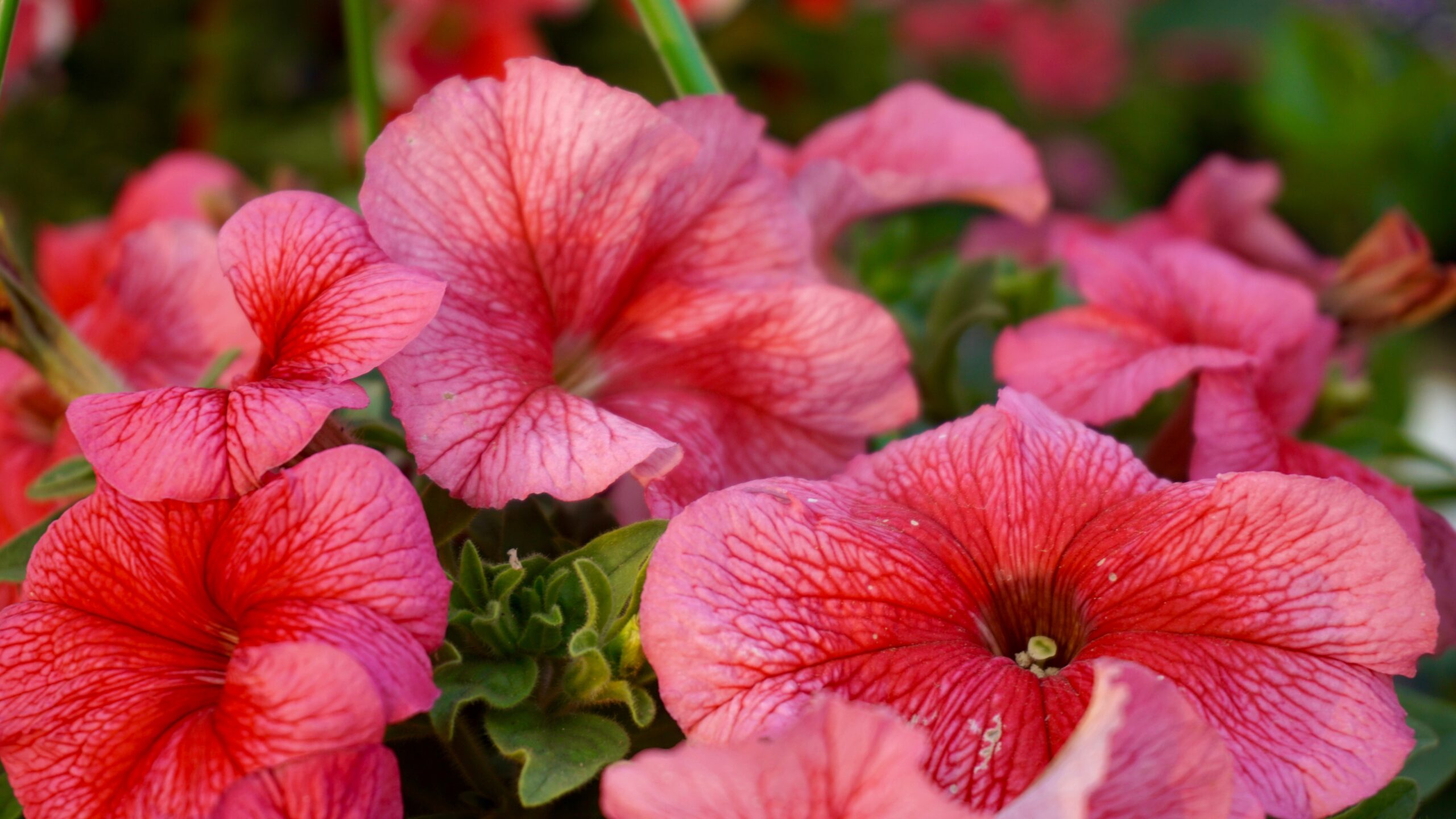
Calibrachoa
Calibrachoas, with their countless little petunia flowers to which they are close, will bloom well into November if given a boost.No need for daily cleaning, and faded flowers fall off by themselves. On the other hand, a small pruning, in the middle of summer, will help them to branch out and bloom more beautifully. Fold down each stem by a third. Continue the watering, without forgetting the fertilizer, every week, for these greedy.
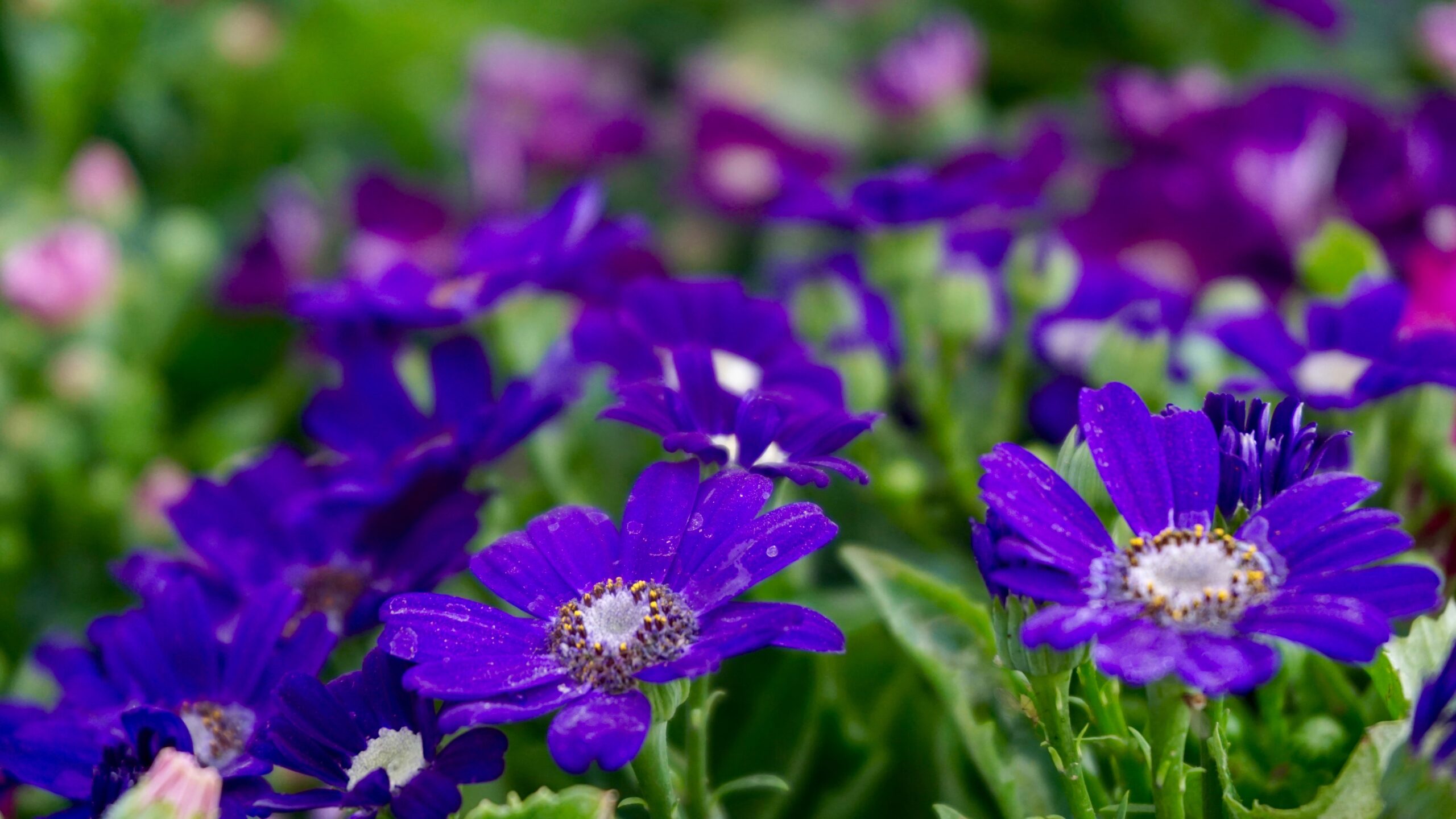
Diascia
The diascias have been covered with florets since the beginning of summer, but they are starting to get tired. For their flowering to continue for the next three months, cut back the clumps by half. In order not to strip the pots all at once, stagger the cuts: one foot this week, another next week. Continue watering – the soil must remain cool, but not soggy – and add fertilizer every fortnight.
August, pots, and planters, put together several weeks ago, are in full bloom. So that they don’t get tired and stay beautiful until the frosts, be attentive and help them get through the hot weather.
Even though the plants seem healthy, the soil is running out and they are running out of steam. In order for them to remain beautiful until frost, they must be given daily attention. The nutrients brought in at the beginning of summer have disappeared during repeated waterings.
The surfacing of planters and pots
Scrape the surface soil, remove it and replace it with good compost, even if it is only about 2 cm, then mulch . These operations are not always easy to carry out when the vegetation has taken its place, especially with hanging plants. However, they are essential whether your pots are made up of annuals or perennials.
Watering pots from summer to September
Continue watering in the evening as long as it is warm. During September, when the nights cool, water is preferably in the morning. In hot weather, some plants, such as begonias or hydrangeas, require two daily waterings. Operate with a small watering can with a long spout so as not to wet the foliage, as this favors the appearance of diseases.
Cleaning
Every day, cut the faded flowers with scissors or pruning shears according to the size of the peduncles and branches.
Do not hesitate to cut back the stems if they seem exhausted because they will quickly reform.
Proceed in several stages so as not to strip the pots all at once.
Whether it is creating a low hedge, decorating a pot on a terrace, or quickly covering an area, dwarf bamboo is a precious ally, but beware of invasion!
Difficulty of planting
Easy.
When to plant dwarf bamboo?
Fall or early spring.
Prepare to plant dwarf bamboo
Choose a beautiful subject in a container or pot. It must be free from pests and diseases: the foliage must be shiny.
The establishment of an anti-rhizome barrier is necessary to avoid invasion:
Delimit the space with a rope and dig a trench 40 cm deep.
Install the anti-rhizome barrier respecting an inclination of approximately 15 °. This will facilitate the rise of the rhizomes to the soil surface.
Leave the barrier 2 cm above the ground to prevent the roots from jumping it.
Work the soil: dig, remove the weeds and add well-decomposed compost.
Before planting, let the pot soak for a quarter of an hour in a bucket of water to thoroughly hydrate the root ball and facilitate the unloading operation.
Exposure
Sun to partial shade.
Ground
Fresh rich and humus but never soggy.
Distance between 2 dwarf bamboo plants
1 meter.
How to plant dwarf bamboo?
Deposit the plant, taking care not to injure the roots too much. If necessary, cut the pot.
Dig a hole slightly larger than the root ball. Add compost at the bottom.
Install the bamboo. Recap.
Form a bowl at the foot of the plant to facilitate watering.
Leave a space of one meter between two subjects.
After planting dwarf bamboo
Water copiously after planting.
Regular watering will be necessary, especially in hot, dry weather. The installation of an automatic sprinkler system can be considered.
Mulch the base of the plant to retain maximum humidity and protect the roots from any risk of frost.
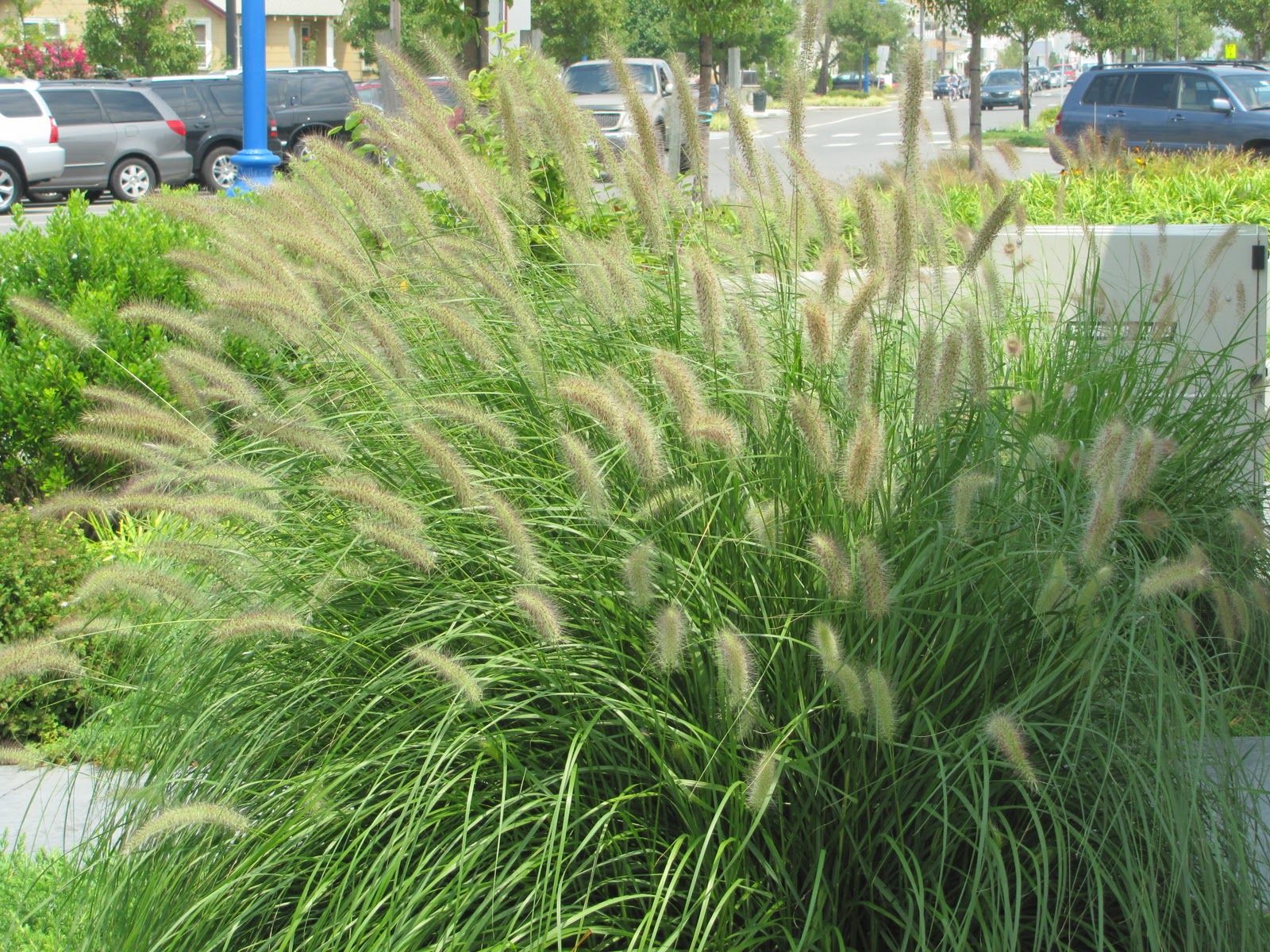
There are two methods of multiplication. Seeding and clump division as here for this miscanthus sinensis. This can be done either in spring when the earth is warming, or in autumn when it is still warm.
Divide the tuft:
Make a trench to clear the root ball.
Remove as much soil as possible around it.
Slice the rhizomes with a spade.
Keep the canes to pull it out of the ground.
Replace the soil in the hole by adding organic fertilizer.
Plant the extracted tuft:
The earth must be worked in-depth and in width.
Add organic fertilizer rich in nitrogen and compost to the bottom of the hole.
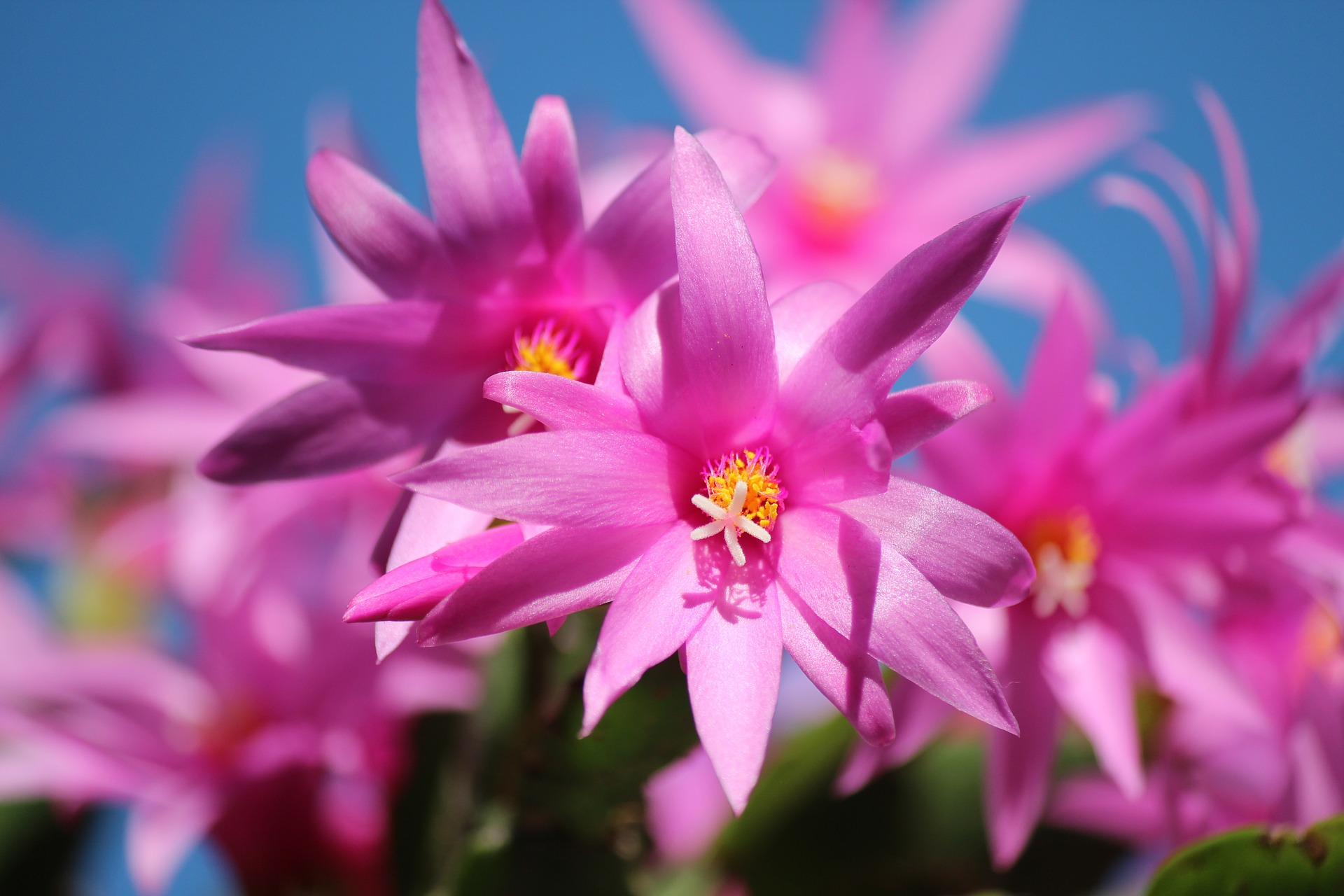
This epiphytic plant in nature – which grows on another plant without parasitizing it – is perfect for flower suspensions.
Plant: a technical sheet of the Christmas cactus
Latin name: Schlumbergera truncata Flowering: winter flowering, 6 to 8 weeks Exposure: strong light without direct sun Temperature: 15 to 20 ° C Watering: 1 time per week Use: Indoor plant, suspension Soil: light, enriched with coarse sand or soil for cacti Succulent plant / Cactaceae
Where to place the Christmas cactus to have a good flowering?
The good location of the Schlumbergera
The Christmas cactus is a houseplant for which the ideal location is not easy to find. It does not tolerate temperatures above 20 ° C and below 10 ° C very poorly, and it must be avoided drafts and passage areas. When you’ve found the spot, don’t touch it anymore, as it hates being moved once it starts flowering. On the other hand, it is an easy plant if it finds its place.
The schlumbergera will thrive outside, in summer, in a shady location and well sheltered from the wind.
The Easter cactus
Easter cacti, species and hybrids of the genus Hatiora , are other epiphytic cacti with the same cultivation requirements as the Christmas cactus. They bloom in spring in shades of pink, orange or purple. Keep them cool (15 ° C) in winter to stimulate their flowering.
When and how to water the Christmas cactus?
One watering per week is sufficient for the Schlumbergera. It must be regular but avoid excess water at all costs. Unlike other cacti, the Christmas cactus appreciates a humid atmosphere, do not hesitate to spray its foliage.
When and with what fertilizer to fertilize Schlumbergera
Optional during flowering, a flower plant type fertilizer can be useful between April and September.
How to bloom again and maintain a Christmas cactus?
Repotting Schlumbergera
After the first bloom, if this Schlumbergera seems very cramped in its pot (when the roots are visible around the potting soil), repot the Christmas cactus in a mixture of potting soil, river sand, and garden soil.
In summer, take the plant out in a shady place, in a tree for example, where it would regain its natural epiphytic position.
Winterizing the Christmas cactus
Bring in the Christmas cactus before the first cold. To trigger flowering, install your houseplant for two months in a bright and cool room (around 15 ° C), unlit at night so that it enjoys darkness as long as in nature. Almost do not water. When the first flower buds appear, return the Schlumbergera to the same conditions as those in which it flowered the previous year. You will keep it that way for fifty years!
Why do the buds of the Christmas cactus fall off?
The Christmas cactus blooms again every year, provided it is left to rest for two months before flowering, in a place where it enjoys long nights without lighting. Suddenly falling flower buds can be the result of moving the pot or changing exposure during the Schlumbergera flowering period.
When and how to cut Schlumbergera
The Christmas cactus is cut at any time of the year, except during flowering.
Cut 2 to 4 segments from the ends of the stems.
For healing, let dry for a few hours.
Prick the cuttings in the same mixture as for repotting.
The flowers appearing on the stems of the previous year, it is not advisable to take too much.
This pretty tuberous plant produces stunning, richly colored leaves that it sheds in October. The bulb is then kept in the cellar. The end of winter sees its revegetation.
Materials needed for planting caladium
pot
leaf mold
blond peat
sprayer
rainwater
Tip: Caladium is a plant whose colors stay vivid in soft light. So place your pot behind a curtain so that the leaves do not receive direct sunlight. The plant is also afraid of drafts.
Good to know: Do not keep your tubers too long. Replace them every three or four years to keep plants with lively foliage.
Check the tubers
If you have kept tubers from the previous year, check their health status. They should be firm and free from all traces of the disease. Get rid of their dry or damaged envelopes. Only retain those with a bud.
Prepare a pot
Take a pot at least 20 cm in diameter.
Place a shard over the water drain hole.
Fill with a mixture of equal parts of peat moss and sifted leaf soil.
Add a little crushed bark to lighten everything.
Plant the tubers
Plant two or three tubers.
Cover them with a little potting soil.
Tamp lightly.
Sprinkle in fine rain, with non-calcareous water, previously stored at room temperature.
Place the pot in the heat
Install the pot near a heat source. It needs a minimum of 22 to 24 ° C for the vegetation to start.
The top of a radiator is ideal.
Make sure to keep the soil always moist, but without exaggeration, because fearing excess water, the tubers will rot quickly.
Fertilization
Add half a dose of liquid green plant fertilizer every two weeks, from May to September.
Watering
Adjust water to the development of the leaves: very little in spring, plentiful in summer, reduced in autumn, and none in winter. Place the pot in a saucer filled with wet clay balls. Maintain 2 cm of water, never spray the leaves.
Gardener’s advice
Appreciated for its large leaves tinged with green, pink, red, and cream, caladium grows best exposed to the west in subdued light. It fears direct sunlight, but too much shade makes its colors fade. He does not like drafts. A veranda, less dry than an apartment, suits him well. The deciduous leaves fall in autumn, then it is time to put caladium to rest for the winter.
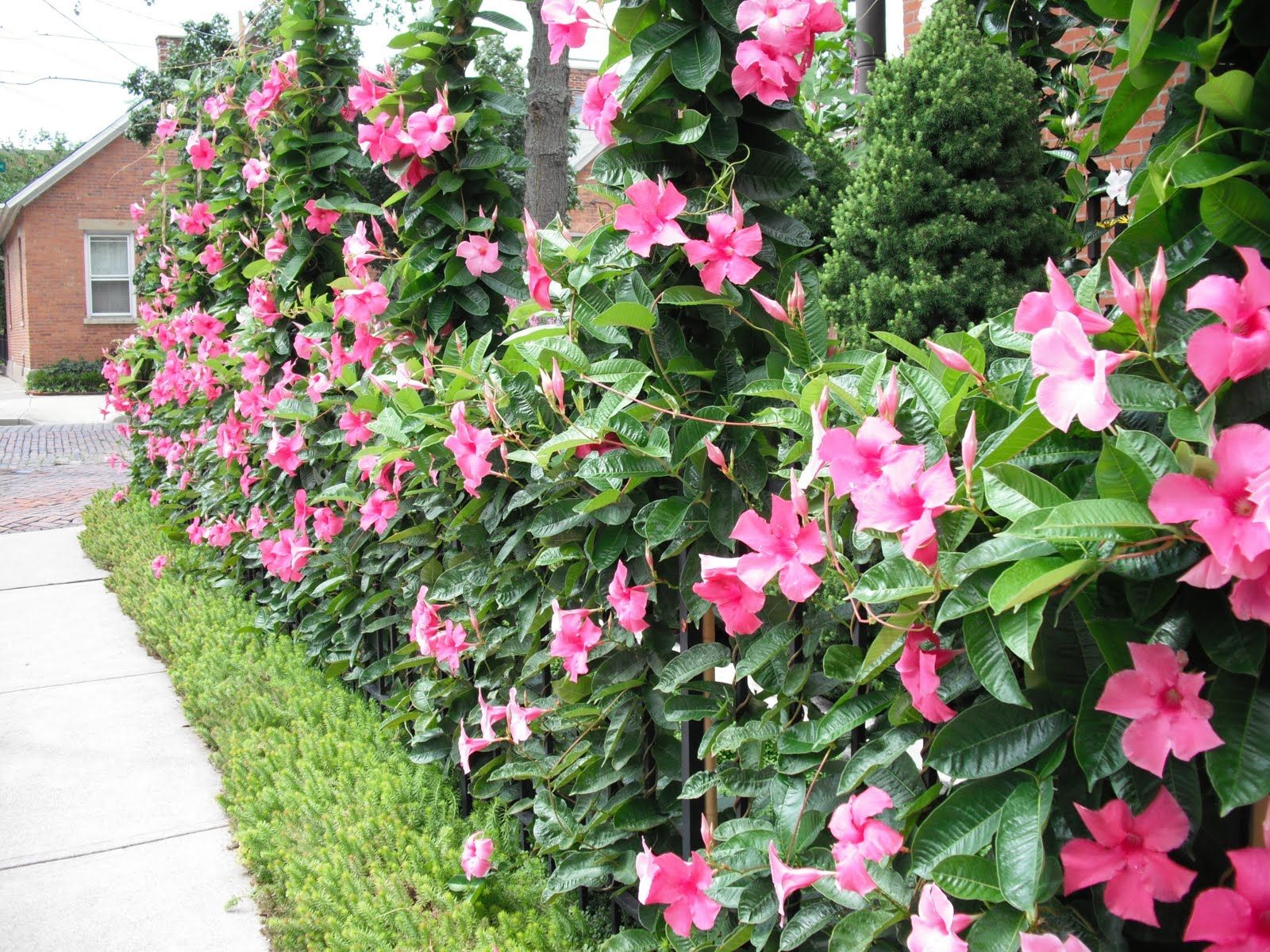
Easy to grow, requiring only limited maintenance, the cultivars of the ‘Bella’ series offer their exceptional blooms throughout the beautiful season. In a compact version to decorate a balcony, this plant also finds its place to decorate trellises and pergolas in its climbing version. Something to satisfy all gardeners!
Characteristics
Soil: drained, rather dry Spread: 50 cm Planting: in May Flowering: from May to October Exposure: sun Use: open ground and pot Height: 35 to 1.20 cm depending on the variety
Culture
The new dipladénias of the ‘Bella’ series have been selected for their extraordinary floridity. Covering themselves with star flowers, these new varieties, very appreciated for their generous development, are declined from white with ‘White’, to pink with ‘Pink’ and ‘Pink Star’ a little darker and marked by a pale pink star in its heart, passing through red with the sumptuous ‘Red Compact’. The latter presents an ideal bushy habit in pots, while the other cultivars are more talkative and can be trained along a wall on a trellis. Easy to grow, requiring only limited maintenance, the dipladénias of the ‘Bella’ series ensure the show from May to October without weakening!
Wait until all risks of frost have been ruled out in the spring to plant the dipladenia ‘Bella’ because it is cold. Moreover, it can only be grown in the ground in regions with very mild winters. In the ground, it appreciates a light, well-drained soil and full sun to flower well. In the southernmost regions, it tolerates partial shade at the hottest hours of the day, especially when grown along a south-facing facade.
For planting in the ground, soak the root ball in a basin of water for half an hour. Meanwhile, dig a hole twice the size of the root ball in all directions. Pour at the bottom a mixture of sand and decomposed compost then install the dipladénia so that its collar is flush with the surface of the soil. Fill the hole and tamp the base of the plant before watering copiously. In soil, the waterings will be regular the time to ensure the recovery, then let dry the soil on the surface between two waterings.
In pots, choose a container pierced at the bottom to ensure water drainage. Make a layer of clay balls, then fill the pot with a mixture of potting soil and river sand to which a handful of dried blood will have been added. Install the plant in the pot before filling the gaps with this substrate. Pack and water. This plant does not require very much water, however, in a pot, the substrate dries very quickly. During the beautiful season, water when the mixture dries on the surface on 3 cm and never leave water in the cup. Add liquid fertilizer ‘Special flowering plants’ every 15 days to support flowering.
Not very hardy, dipladenia can only be grown in the ground all year round in regions where frost does not prevail, elsewhere it is necessary to winter it in a frost-free room. In this case, it will only be watered when the substrate is almost completely dry.
Use
The dipladenia ‘Bella’ offers a multitude of possibilities both in the garden and on a terrace or balcony. The variety ‘Red compact’, very resistant to the scorching sun and presenting a stocky habit (35 cm in height) finds its place in a pot on a balcony or a terrace, or even in suspension in the company of annuals. The varieties ‘White’, ‘Pink’ and ‘Pink Star’, more talkative (1.50m), will be trained along a facade, a pergola, or a fence.
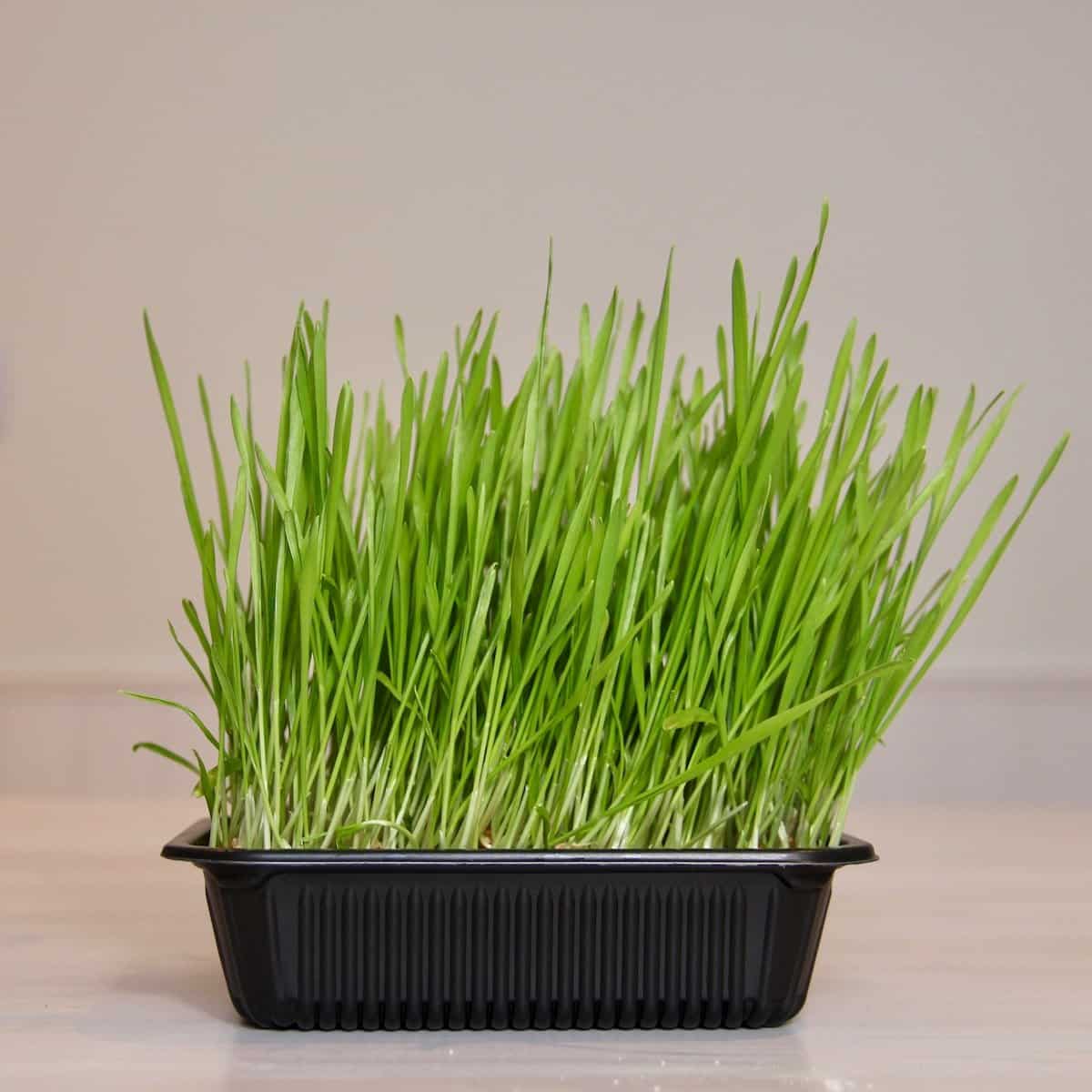
Although cats are carnivorous, they also nibble on plants to eliminate hairballs when they vomit. But be careful in an enclosed space, the cat can attack green plants, which is a danger to its health. To guard against it, we explain to you how to sow plants called “catnip” made from grasses which will allow it to regurgitate without danger.
What are catnip?
Different kinds of grasses can be planted in the garden as well as indoors. These catnip are young shoots of wheat, barley, or oats.
How to sow catnip
Choose a deep enough container filled with universal potting soil.
Broadcast seeds or one by one.
Water copiously.
Install the pot in heat and light.
The grains rise very quickly.
Place catnip on the windowsill or outside.
Show catnip only when it is well developed.
Renew the sowing every week to have fresh herbs available at all times.
If the pots and planters composed in May always bloom in mid-August, they run out of steam. Do not neglect the few actions required which will ensure a beautiful flowering until the first frosts, or even more!
Dahlia
The dahlias dwarfs are perfectly adapted to growing in pots or planters. In mid-August, surface the pot over 1 cm, scraping the substrate with a fork, and fill with compost while continuing watering – the soil must remain cool – and add liquid fertilizer every day. 15 days. Remove faded flowers to cause new flower buds to appear and prolong flowering.
Calibrachoa
The calibrachoas, with their countless small flowers of petunias they are close to, will bloom until November if they receive a boost. No need for daily cleaning, with faded flowers falling off on their own. On the other hand, a small size, in the middle of summer, will help them to branch out and flower more beautifully. Bend off each stem by a third. Continue watering, without forgetting the fertilizer, every week, for these greedy ones.
Diascia
The diascias are covered with flowers from early summer, but they begin to tire. To continue flowering for the next three months, cut the clumps in half. In order not to thin out the pots all at once, stagger the cuts: one foot this week, another next week. Continue watering – the soil should stay cool, but not soggy – and add fertilizer every two weeks.