Category: Gardening

Explore tips, guides, and ideas for all things gardening. From growing beautiful flowers and lush indoor plants to maintaining a thriving vegetable garden, discover practical advice for gardeners of every level. Learn techniques, seasonal care, and innovative gardening solutions to make your garden flourish.

  • Culture sheet: black bamboo (Phyllostachys nigra)

    Culture sheet: black bamboo (Phyllostachys nigra)

    In a hedge in the garden or on a pot terrace, its black canes and fine foliage bring a touch of exoticism. Black bamboo ( Phyllostachys nigra ) is not very cautious and can therefore be grown in many regions.

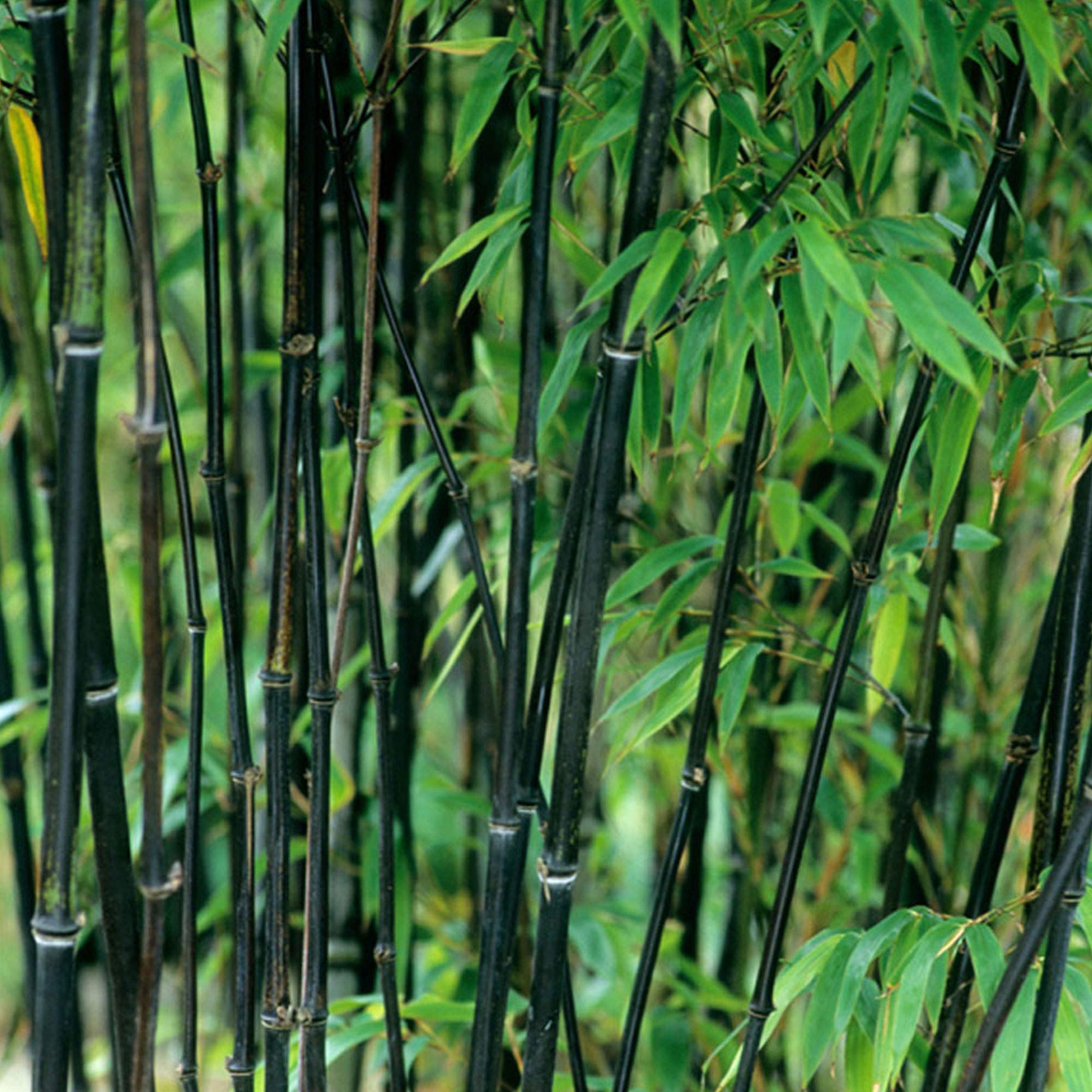
    Fast-growing, this medium-sized bamboo ( Phyllostachys nigra ) reaches 6 to 8 m in height in our climates. It’s fine, tight culms form a thick screen quite quickly. Olive green when it emerges from the ground, it gradually turns shiny black. Its fine foliage, of glossy dark green, very dense from the base to the top of the canes, persists in winter. Its rhizomes are not very invasive in heavy soils.

    Technical sheet

    Situation: rustic down to -20 ° C. The wind dries up the foliage from -10 ° C.
    Exposure: sunny or slightly shaded and sheltered from strong winds.
    Soil: ordinary, rich in organic matter.
    Family: Poacea.

    Planting

    In isolated tuft or in the hedge, spacing the feet from 1.50 to 2 m, associated with other bamboos with colored canes. It supports cultivation in containers placed outside or on a veranda.

    Interview

    If it snows, shake off the heavy stubble. Wait until the end of summer or fall to install it in the ground, surrounding it with an anti-rhizome barrier. Straw the footwell to protect the roots from the cold. It multiplies by dividing its rhizomes at the end of winter. Bring water in dry weather in all seasons.

    Variety

    The variety ‘Boryana’ is even more astonishing than the others with its glaucous green culms speckled with brown like a panther skin. She is also much more vigorous.

  • Fern cultivation and maintenance sheet

    Fern cultivation and maintenance sheet

    In the undergrowth, in the massifs where they spread out their fronds but also in the rockeries, the crevices of low walls, pavements, on the edge of water features … ferns are so diverse that they can settle in all kinds of places. corners of the garden.

    Culture sheet

    Hardiness: up to -20 ° C and more
    Exposure: shade, partial shade
    Soil: preferably cool and without limestone
    Height: 40 cm to 2 m
    Use: undergrowth, clump, rockery, pot
    Soil:  ordinary, lightened ‘a little peat

    Varieties

    Capillary

    Adiantum pedatum
    Height: 40 to 60 cm

    The light green foliage of this fern contrasts with its dark brown stems; it turns nicely pink and orange in autumn. More than any other species, it needs to be cultivated in a sheltered place, without strong variations in temperature and humidity.

    To cultivate at the foot of a wall, in the rockery, in the undergrowth.

    Deer tongue

    Asplenium scolopendrium
    Height: 40 to 60 cm

    Persistent, smooth, and entire fronds, glazed, elongated (60 cm long and 6 cm wide), light green in color. We often see them flourish in the interstices of old walls or old stairs, inside wells. To be sheltered from the wind, in rich soil, even limestone. Remove the old fronds in the spring.

    – ‘Cristatum’: 30 to 40 cm, fronds with very curly edges.

    – ‘Undulatum’: 40 to 50 cm, leaves with wavy edges.

    Doradilla

    Asplenium trichomanes
    Height: 15 to 20 cm

    This wild plant (it grows in stony and cool areas) forms small tufts with numerous and persistent fronds. The almost black rachis bring out the green leaves illuminated with bronze reflections. For shade or partial shade.

    Female fern

    Athyrium filix-femina
    Height: 80 cm to 1 m

    Deciduous, light green, indented foliage with a spreading habit. Prefers moist soils, but adapts to ordinary soil, provided it is rich and well-drained. Excellent ground cover.

    – ‘Victoriae’: named in honor of the famous Queen of England, this fern with an upright habit is distinguished by the “v” formed by the pinnae at their end.Athyrium niponicum Metallicum
    Height: 40 to 70 cm

    This magnificent fern charms with its fronds of light gray-green, adorned with a central silver band and bronze or pink vein. In sheltered and shaded massif.Blechnum spicant
    Height: 30 to 50 cm

    This fern is distinguished by its foliage which presents two distinct aspects. It first forms a large cushion of narrow, leathery, and persistent fronds, dark green in color. Then, in the center of this tuft, appear in summer other erect fronds, of a bronze-green, with very fine pinnae. For shaded slopes, fresh rockeries, in limestone-free soil.Cyrtomium falcatum
    Height: 50 to 60 cm

    With their elongated and curved pinnae in the shape of a scythe, the erect but supple fronds of this fern of Japanese origin have a shape reminiscent of mahonia leaves. For limestone-free, shaded, rich, cool, but well-drained soils. This plant is little or not hardy: it can sometimes resist down to -7 ° C, provided it is protected by a thick litter of dry leaves, a wintering veil …

    Male fern

    Dryopteris filix-mas
    Height: 1 to 1.20 m

    Here is the fern of our undergrowth, with large and long dark green fronds, paler undersides, and rachis covered with brown down. This foliage, which turns yellow, is deciduous but can persist in a mild climate. Accepts almost any soil and resists drought well when set up.

    – ‘Linearis polydactyla’: 70 cm, a real curiosity with these pinnules resembling needles.

    Fern from Germany

    Matteuccia struthiopteris
    Height: 80 cm

    The fronds of this species form a characteristic, very narrow funnel with erect tufts. It can form large colonies thanks to its runners. To be installed in rich, cool to humid soil, or even temporarily flooded.Onoclea Sensitis
    Height: 60 to 80 cm

    Tussock erected with deciduous, light green fronds, taking on beautiful coppery hues in the fall.

    To be placed in the undergrowth or at the edge of water features. Indeed, this fern likes cool, humid, or even seriously flooded soils: it continues to grow even under 5 to 10 cm of water!

    Royal fern

    Osmunda regalis
    Height: 1.20 m

    Certainly the most vigorous of the ferns growing in the gardens! A superb erect tuft of deciduous light green to ash green fronds, with broad divisions. Magnificent bronze color in autumn. Here is the fern to install, isolated, at the water’s edge, both in the shade and in the sun.

    Note: it tolerates temporary drought.

    Culture

    Ferns are easy to grow and require little care when set up. In general, they prefer cool but well-drained, rich, and acidic soils. However, many also adapt to ordinary soil if it is cool enough. Many species accept the dense shade. To multiply them, separate the suckers from the rhizomatous species. Sowing in a box, in spring, gives good results: to be tested.

    Never direct sunlight, which burns the tender leaves of the ferns. Otherwise, they accept a fairly bright light as well as a shadow. Variegated forms are a little more demanding in terms of light.

    A fairly cool temperature in winter (15-18 ° C) is perfect for these delicate plants.

    Watering ferns

    How to water them?

    Ferns require generous watering so that the soil remains slightly moist at all times. However, avoid stagnant humidity, which can cause rots. During the beautiful season, add liquid fertilizer diluted by half every 15 days. Make sure to maintain high humidity around these plants, which mostly originate from tropical rainforests.

    When to report them?

    In the spring, when the clump has colonized the whole pot, in ordinary potting soil enriched with peat.

    Immersion watering

    Immerse the jar or suspension in a bowl of fresh, lukewarm water once a week. Also, make frequent sprays.

    Trick

    Group the ferns and create a humid atmosphere that will be beneficial to them: place the pots in a large peat tank to keep them slightly damp at all times.

    Depolluting virtues

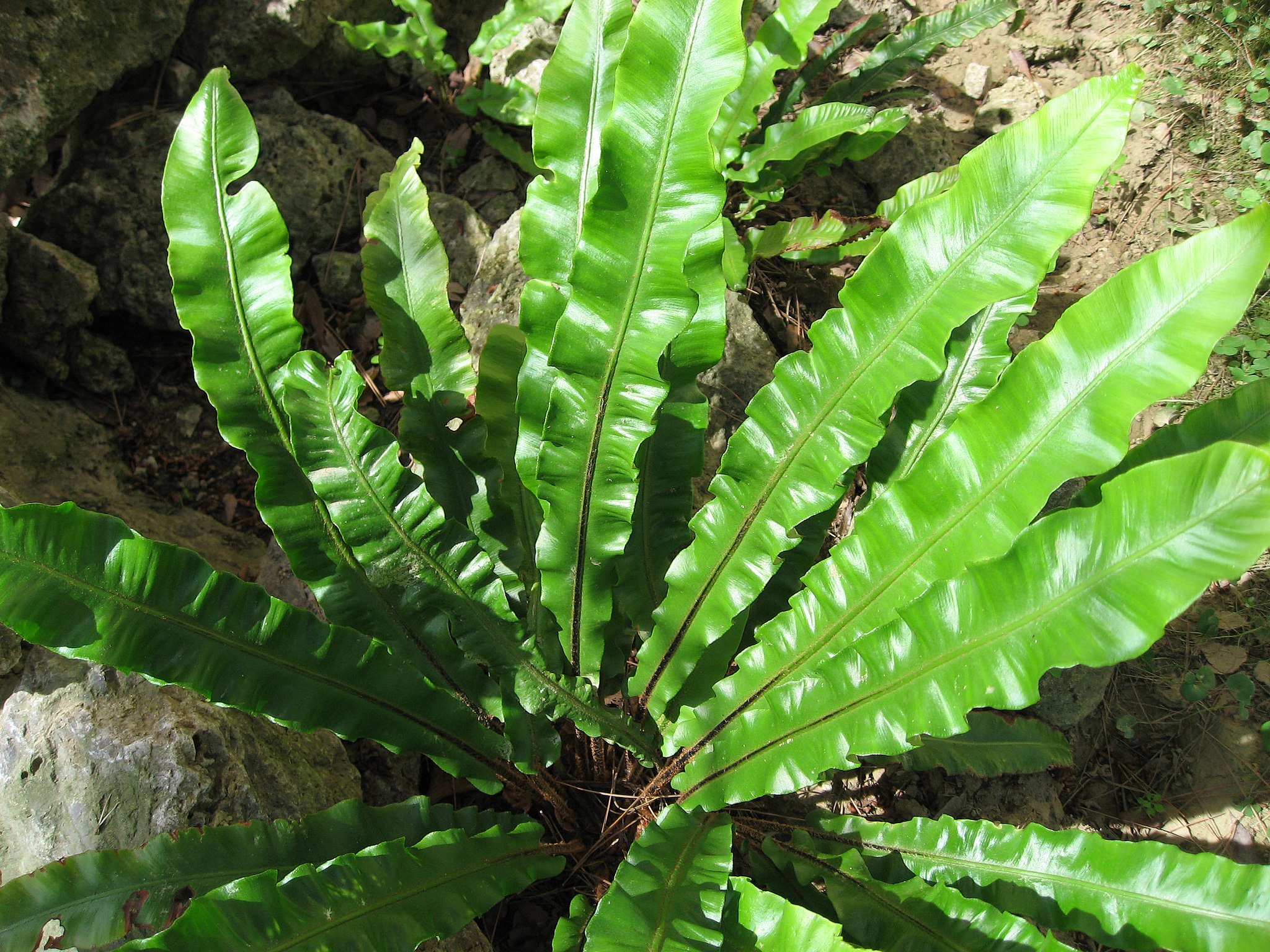
    The Boston fern is a star of pollution control plants. It absorbs a large amount of xylene and formaldehyde every day. The bird’s nest fern also absorbs this volatile compound as well as ammonia. Large pots are, of course, more effective. And these two plants, as well as all the other ferns, when vaporized regularly, contribute noticeably and pleasantly to raise the humidity of overheated rooms.

    Use

    Ferns are essential for all shady places in gardens, for the waterfront, and for the base of walls facing north. They are used to garnish very dark areas where almost nothing grows. Combine them with other shade plants: rodgersia , liriope, hosta …
    Note that bright bathrooms are rooms that are generally suitable for them if they are not too heated.

    Fern diseases and parasites

    The tips of the leaves or the edges turn brown and dry: to insufficient humidity. Increase the humidity of the air by frequent spraying on the foliage.

    Be careful, scale insects can invade the underside of the large fronds of the deer horn fern. Dislodge them one by one.

    The gardener’s advice

    Always prefer soft water at room temperature to water the ferns. The most delicate, like the capillary, do not tolerate hard water. To soften the water, soak a bag of pure peat overnight in the watering can.

    Regularly dust the large, fragile leaves of the bird’s nest fern with a damp cloth. Hold the slingshot from below with your other hand.

    Small glossary for the use of ferns

    Fronds: leaves of ferns.

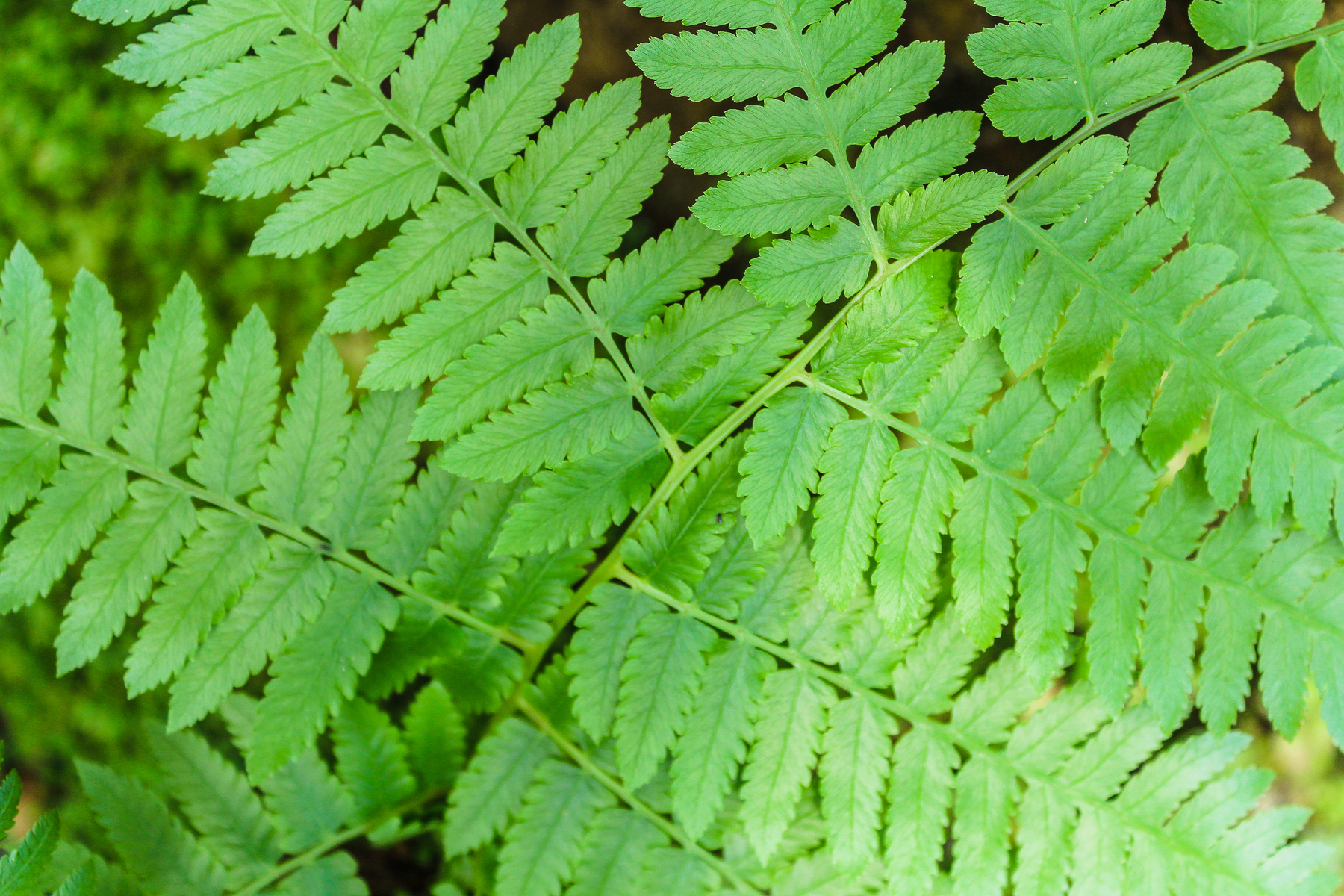
    Rhachis: central leaf vein.

    Pinnules: leaflets of the fronds.

    Flowering: ferns are not plants like the others, they do not have flowers and are propagated thanks to the spores gathered under the pinnules.
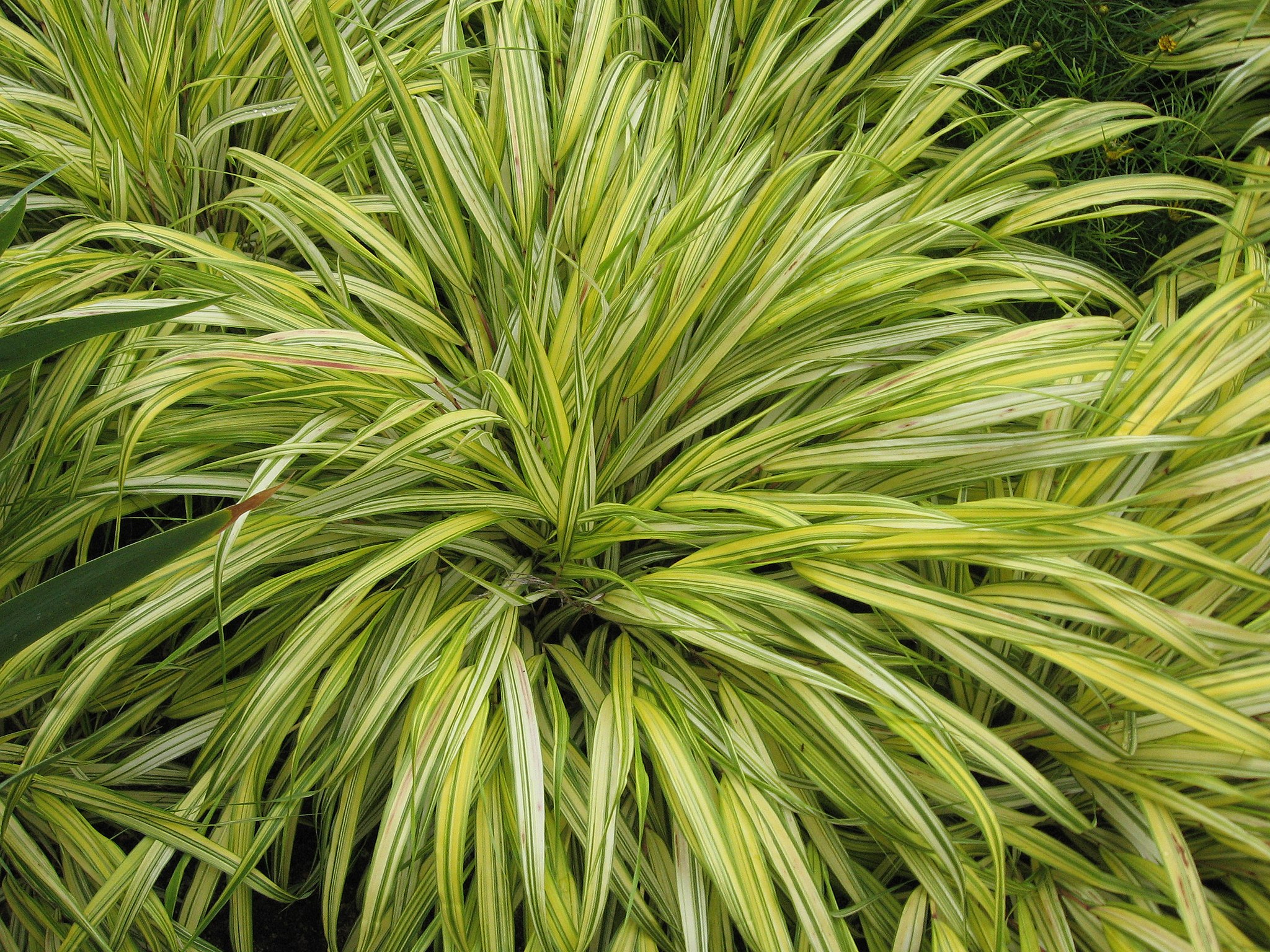
  • Hakonechloa (Hakonechloa macra)

    Hakonechloa (Hakonechloa macra)

    Native to the Japanese undergrowth, this beautiful grass with an unpronounceable name grows on very steep slopes. The hakonechloa first grows vertically, up to 50 cm in height, then cascades down to the ground. The deciduous leaves take on beautiful orange hues in autumn. Tracing, but slow to grow, it will take several years to form a beautiful clump.

    Technical sheet

    Type of plant: grass
    Dimensions: 50 cm
    Exposure: shade
    Soil:   fresh and rich

    Cultivation conditions

    • Install the Hakonechloa macra in soil that does not dry out in summer.
    • It is essential to leave it space and to limit competition from other plants so as not to hamper its growth.
    • In pots, cultivate this poaceae in fertile soil.
    • Plant the variegated forms in the shade, as they are susceptible to sun scorch.

    Maintenance and other care

    • Clean the stump in the spring and add compost to the base.
    • Water or bathe the foliage in high heat.

    Use

    Use: in beds, isolated, hotpot.

    • Hakonechloa ‘Aureola’, pale yellow with green stripes
    • Hakonechloa ‘All Gold’ is totally yellow 
    • Hakonechloa ‘Albolineata’ or Hakonechloa ‘Variegata’ are streaked with white.
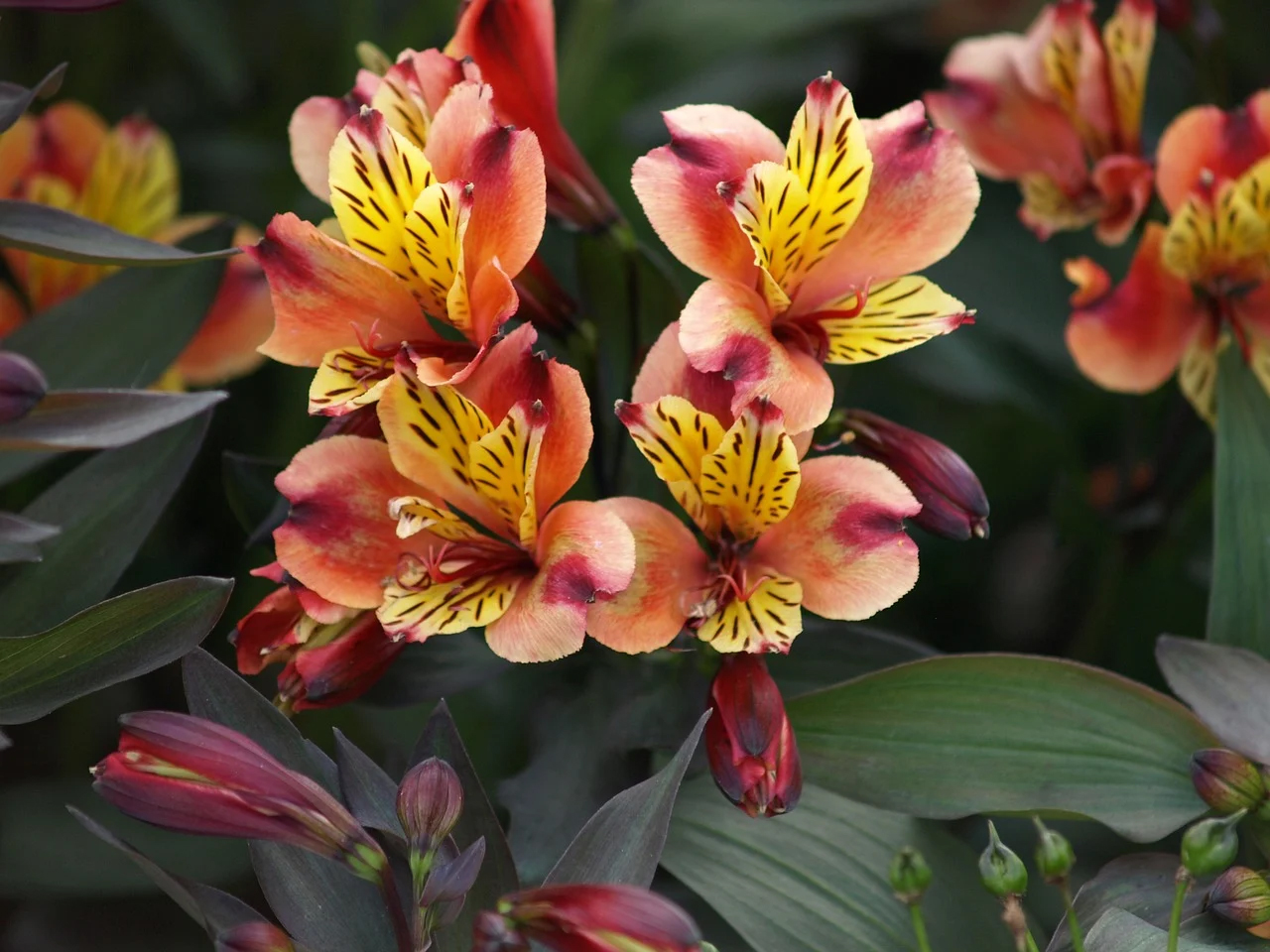
  • Alstroemeria Indian Summer (Alstroemeria): growing advice

    Alstroemeria Indian Summer (Alstroemeria): growing advice

    Purple foliage of an original beauty serves as a setting for many flowers in orange hues, here is a plant with generous flowering which will be ideal for decorating flower beds and pots! Easy to grow, requiring only minimal maintenance, Alstroemeria ‘Indian Summer’ (Alstroemeria) is simply irresistible!

    Characteristics

    Soil: drained and light
    Spacing: 70 cm between 2 plants
    Planting: in May
    Flowering: from June to October
    Exposure: sun – partial shade
    Use: full ground and pot
    Height: 50 to 60 cm

    Culture

    • Alstroemeria ‘Indian Summer’ is a new cultivar, very appreciated for its generous development, the original color of its foliage, and especially the “pep” of its flowering with flamboyant hues mixing orange, yellow and brown. Easy to grow, requiring only limited maintenance, it has all the qualities to find its place in a garden or even in a pot on a balcony or terrace.
    • Wait until all risk of frost has passed in the spring to plant this alstroemeria. In the ground, it appreciates a light, well-drained soil, even sandy or stony, or poor. It appreciates full sun or partial shade in the southernmost regions.
    • Soak the root ball in a basin of water and dig a hole twice the size of the root ball in all directions. Pour a mixture of sand and compost at the bottom before installing the plant. Recap with earth. Adjust the height so that the collar is flush with the surface of the ground. Water copiously. Regular watering is necessary for the time of recovery and in summer during hot weather. If it rains enough: no need to water. Once the plant is well established, it does little for watering and even tolerates drought.
    • In pots, choose a container pierced at the bottom. Line the bottom with a layer of clay balls, to ensure drainage. Fill the pot 1/3 full with a mixture of potting soil, garden soil, and river sand. Install the plant in the pot before filling the vacant gaps with the substrate. Water. Although this plant does not require much water, do not forget that in a pot, the substrate dries very quickly. In summer, water when the mixture dries on 3 cm and never leave water in the cup. Adding a ‘Special Flowering Plant’ liquid fertilizer every 3 weeks is sufficient to support flowering. Although hardy down to -10 ° C, the plant has deciduous foliage that disappears in winter. It is then sufficient to cut it 10 cm from the ground and then mulch the stump to protect it from the cold.
    • Overwinter the alstroemeria ‘Indian Summer’ in a pot in a frost-free location and water only when the substrate is almost completely dry. Repotting takes place in April-May at the first signs of recovery.

    use

    Alstroemeria ‘Indian Summer’ works wonder in beds or in mixed-border with the purple color of its foliage which can be admired at its true value. Orange flowers blend perfectly with bedding plants in bluish, lilac, or yellow hues to create contrast or stay in continuity. On the balcony or on the terrace, in a flared jar, it displays all its beauty!

  • Miscanthus sinensis (Gold Bar), a golden striped reed

    Miscanthus sinensis (Gold Bar), a golden striped reed

    This sparkling Chinese reed stays graceful in all seasons. Compact and slowly growing, it will squeeze into a cramped garden.

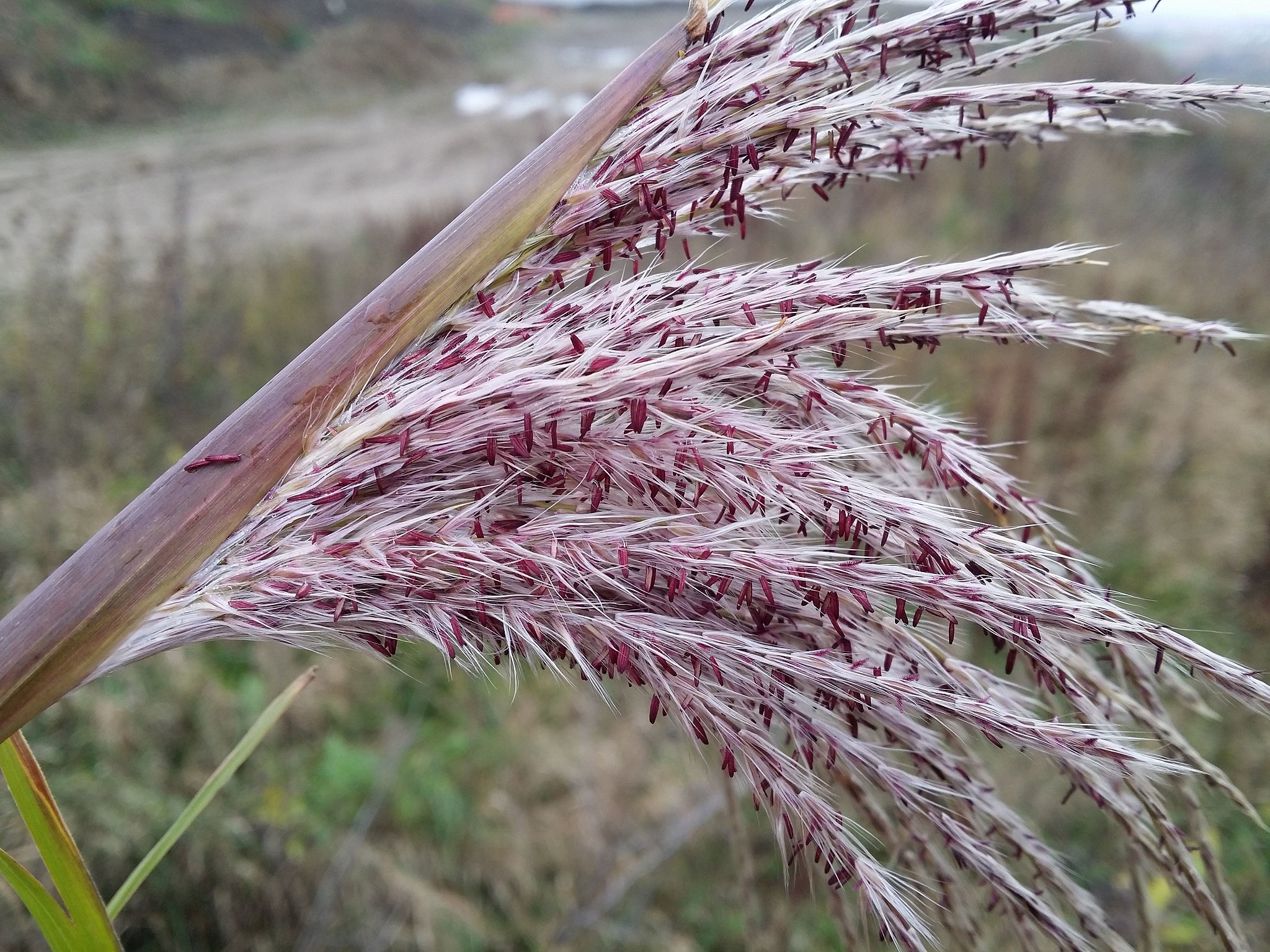
    With erect foliage marked with wide creamy yellow stripes across the width of the leaves, this miscanthus sinensis ‘Gold Bar’ grows into a straight, stubble bush. It resembles the variety ‘Strictus’ with a lower development, not exceeding 1 m in height. At the end of summer, its ears bloom, erect in fine shiny feathers, first tinged with pinkish beige, then burgundy red or purple. There is no risk that the garden will be invaded by its rhizomes: they spread slowly.

    Technical sheet

    Latin name: Miscanthus sinensis ‘Gold Bar’
    Location: thrives in all regions. Withstands cold down to – 20 ° C approximately, without protection.
    Exposure: bright and well ventilated.
    Soil: deep, rich, cool but well-drained soil is ideal; however, this miscanthus also adapts to poor soil. It fears stagnant humidity in winter.

    Where to install it

    In a zen garden with bamboo and gravel; on a terrace between wooden or stone slabs; in an autumn massif with white asters.

    Interview

    Plant miscanthus sinensis ‘Gold Bar’ in late April – early May, in groups of 3 to 5 feet, adding gravel if the soil is very wet. Do not pick all the plumes for your dry bouquets; in winter, they are magnificently powdered with frost. 
    Cut the stubble a few centimeters above the ground in March, never before.

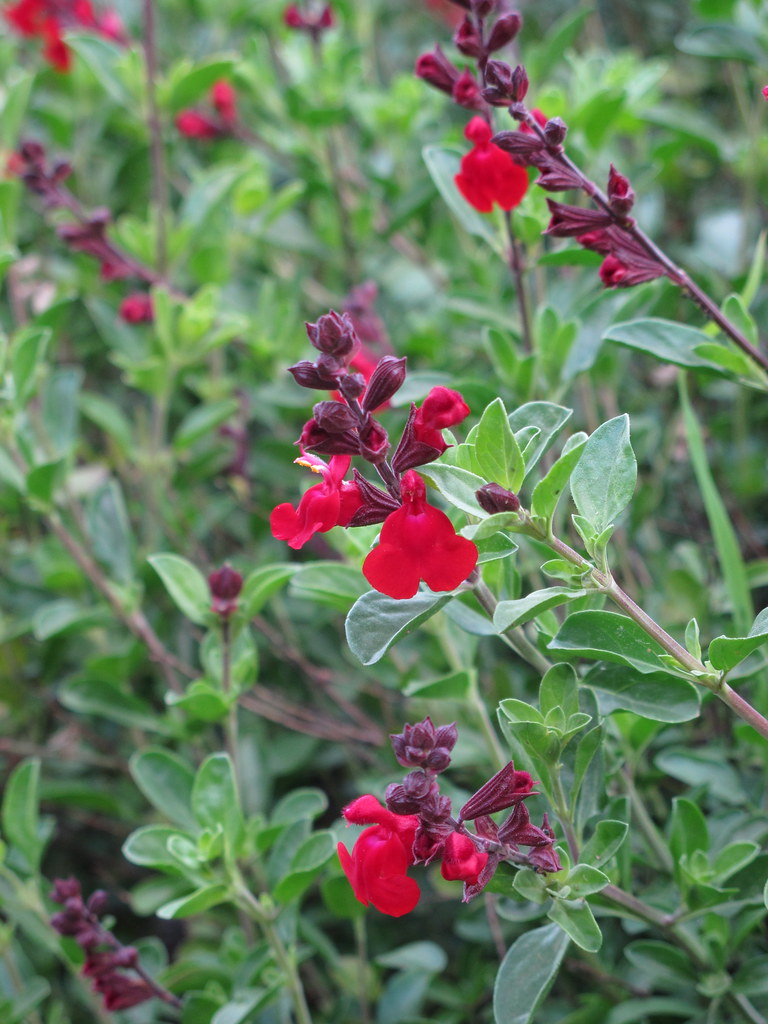
  • Mirage sage (Salvia greggii): growing tips

    Mirage sage (Salvia greggii): growing tips

    Blooming from June to October, without interruption, the Mirage sage series is available in many colors to adorn balconies, terraces, beds, and mixed borders at will. The compact and dense habit of these plants in no way detracts from the lightness they inspire. Honey-bearing, they attract pollinating insects to your garden and give off a sweet scent.

    Characteristics

    Soil: drained and humus-
    bearing Spacing: 30 cm between 2 plants
    Planting: in April / May
    Flowering: from June to October
    Exposure: sun
    Use: pot, planter, bed, border and mixed-border
    Height: 30 cm

    Culture

    The Mirage series is available from white to pink, including red and blue/purple. The compact and homogeneous habit of this perennial sage, in the mildest regions, ensures it has multiple uses in the garden as well as on a terrace or a balcony. Easy to grow, it only requires a sunny location to flower for long months, tolerating heat as long as it is watered occasionally.

    • Not very hardy, it is necessary to wait until May to plant it in the ground in the garden. Once the soil has been cleared of weeds and loosened with an organic fork, soak the root ball in the water at room temperature to hydrate it well.
    • Dig a hole twice the size of the root ball in all directions. Install the Mirage sage in the center of the hole, being careful not to bury its collar. Firm the base of the plant before watering copiously. Space the plants 30 cm apart.
    • When planting in a pot, choose a container pierced at the bottom so that the water can flow without constraint, because the plant fears constant humidity at the roots. Leave a layer of clay balls at the bottom of the pot to ensure good drainage for the same reason. Fill the pot with good commercial potting soil and place the plant in its center. Insert a dice or two of slow-release fertilizer into the potting soil. Tamp down and water copiously.
    • Level maintenance, this sage is not difficult, only a little watering will be necessary when the soil dries on 5 cm on the surface of the ground. In pots: be careful, because the substrate dries faster, especially in full sun and on windy days! Water then up to 2 to 3 times a week, without ever leaving water in the saucer. Add a liquid fertilizer ‘Special flowering plants’ every 15 days during the growth period.
    • Remove faded flowers to induce the appearance of new flowers.
    • Overwinter the frost-free pots in a bright room from the first frost to spare your sage from frost. In the softer regions, it can remain in the ground, it will then be pruned 10 cm from the ground before being mulched to protect the stump.

    use

    Compact and vaporous at the same time, Mirage sage is generous when it comes to blooming! In borders, it brings color and lightness just like in beds or mixed-border. In a pot, on a balcony or on a terrace, it gives a very natural, countryside and will attract all the butterflies of the surroundings!

  • Planting ornamental millet: good tips and advice

    Planting ornamental millet: good tips and advice

    Ornamental millet is a fast-growing grass, spectacular in many ways. Its foliage, which resembles that of corn, ranges from lime green to deep purple depending on the variety and the chosen exposure. Millet can reach a height of five feet in a short time if the conditions are right. The stems iridescent in the sun are adorned with very decorative dark ears, which, if not cut, will be a delicacy for birds in winter.

    The difficulty of planting ornamental millet

    Easy.

    When to plant ornamental millet?

    Spring.

    Preparing to plant ornamental millet

    Choose a plant that has not yet flowered so that it can develop perfectly. A plant that already has spikes will not grow when planted. The same goes for the root system, which should not be too developed: avoid plants whose roots come out of the pot.

    Ground preparation :

    • Clean the ground of its weeds.
    • Dig deep and add chippings or coarse sand to drain the soil.
    • Add potting soil and compost in poor soil.

    Exposure

    Sun or partial shade

    Ground

    Fresh, acidic, fertile.

    Distance between 2 ornamental millets plants

    From 30 cm to 1 m depending on the variety.

    How to plant ornamental millet?

    Ornamental millet will take on more intense and deeper colors in full sun. Exposure to partial shade is also tolerated.
    Choose a well-sheltered location because the Millet needs heat to grow: below 16 °, it stops growing.

    • Gently deposit the plant.
    • Dig a planting hole in the previously prepared soil, deep and wide enough to contain the entire root ball.
    • Install the plant there.
    • Fill vacant spaces with soil.
    • The collar must be flush with the ground.
    • Firm lightly around the foot.
    • Spread out a bed of compost and make a bowl to retain the irrigation water.

    After planting ornamental millet

    • Water at the base of the plant, filling the bowl well.

    Millet appreciates fresh soil, watering should be regular and constant throughout the cultivation period.

    • Add nettle manure to fortify the plant every two weeks. Renew the layer of compost every month.

    Ornamental millet is an annual plant that disappears naturally once its vegetative cycle has been completed.

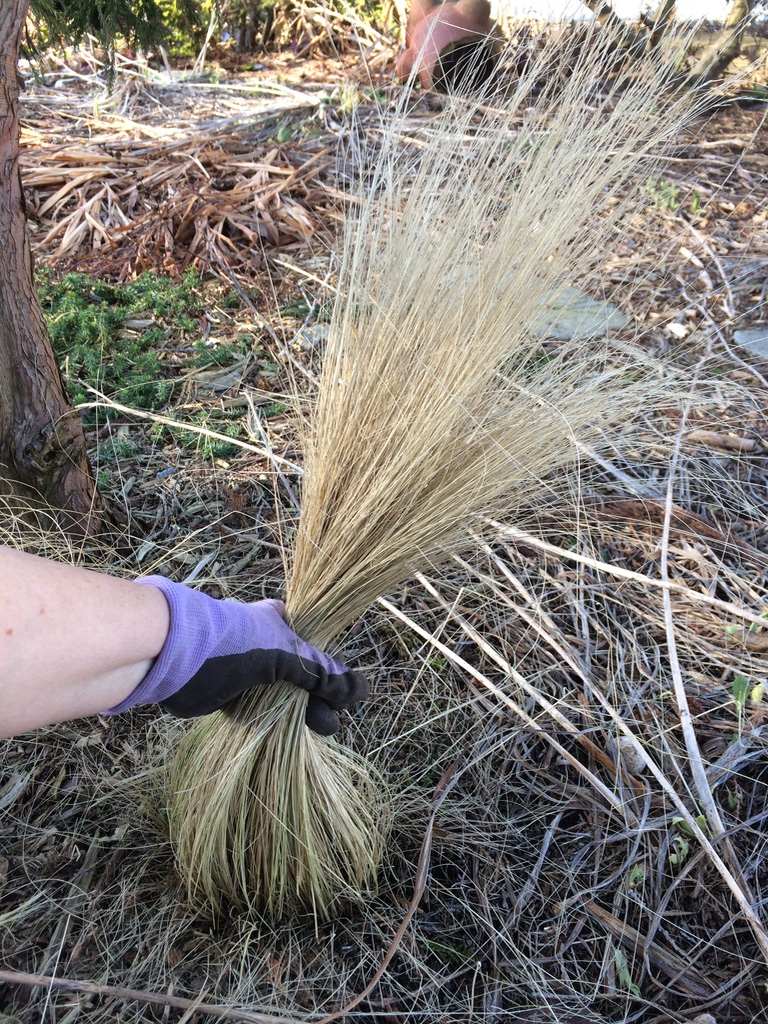
  • Grass pruning

    Grass pruning

    Each year, just at the start of the vegetation, cut back the grasses more or less severely. Complete this operation with a good supply of fertilizer.

    Cut back the small grasses about ten centimeters from the ground and the larger ones to about 20 cm. Use the shears vigorously to slice thick stems. Then peel the inside of the tuft with gloved fingers, as the leaves can be sharp. Remove dead or damaged twigs from winter moisture. Clear the waste on a pile before pruning the next grass.

    Cut into a rounded shape

    Prune your grasses by giving them a rounded shape, more aesthetic and natural than a square. When the cutting job is done, rake the surface of the bed and collect all the stems and leaves for composting. For faster decomposition, cut them into small pieces with the shears or a grinder . You can also use them as a mulch at the foot of shrubs.

    Loosen and fertilize

    Loosen the soil all around the tufts of grasses to a depth of 10 cm. Then fertilize by favoring an organic contribution (a chemical fertilizer boost would promote the growth of weeds). Count three to four handfuls of ripe compost per large grass and half for the small ones. Spread it around the periphery of each plant and iron the claw to bury it lightly in the soil.

  • 3 evergreen ferns for the winter

    3 evergreen ferns for the winter

    Evergreen foliage to have a touch of greenery all year round in the garden.

    With their decorative, varied, graphic foliage, the evergreen ferns enliven the garden, adorn the feet of shrubs, and serve as a setting for hellebores and early bulbs. Most prefer shade and partial shade, cool, moist soil. But some love the sun and grow in low walls, between two stones, where there is little earth. Magnificent when they bend under the frost, they stand up proudly, green and thick, at the slightest warmth.

    Dryopteris erythrosora

    OLYMPUS DIGITAL CAMERA

    Coppery, almost pink, the spring fronds of Dryopteris erythrosora take on a dark green hue in summer, to last until the end of winter. In March and April, when the young shoots burst, this 50 cm tall fern is spectacular. Install it in partial shade, in moist, cool soil, and combine it with blue flowering bulbs: blanda anemones, Siberian scilles, Spanish hyacinths …

    Phyllitis scolopendrium

    Very original, Phyllitis scolopendrium ‘Cristatum’ grows in long, entire fronds, with a crest on the edges and a notch at the end. This variety looks like a curly, wavy, light green, shiny salad. This fern measures 25 to 40 cm in height, likes shade and partial shade as well as cool soil. It will prove useful for planting in stony soils, even limestone, which it tolerates without worry.

    Cyrtomium falcatum

    OLYMPUS DIGITAL CAMERA

    With its erect, dark green, serrated fronds in broad elongated divisions, Cyrtomium falcatum stands at 60 cm and spreads over 1 m. This fern likes shade, cool, drained soils rich in humus, without limestone, but does not tolerate cold below – 10 ° C. It is also cultivated in pots, to be placed in a protected place.
    Cut the leathery fronds: these leaves that look like broad blades work wonders in bouquets.

  • Miscanthus (Miscanthus sinensis)

    Miscanthus (Miscanthus sinensis)

    Strong and light, installed for very long years,  miscanthus remains decorative until the dead of winter. This “Chinese reed” has leaves marked with a very characteristic white central vein, which turns red in autumn. At the end of summer, the flowers in spikes peak at 1.20 and up to 3 m in height depending on the variety.

    Technical sheet

    Type of plant: grass (poaceae)
    Exposure: sun
    Soil: rich and fresh

    Cultivation conditions

    Miscanthus shows a preference for cool soils, even heavy ones. It needs heat and sun to flower. North of the Loire, choose early flowering varieties.

    Maintenance and other care

    Cut back the foliage to 15 cm from the ground in early spring, not before! Divide regularly in the spring.

    Use

    Use: isolated, bouquets

    Species and varieties

    • ‘Silberfeder’, 2.50 m, white flowers then golden, even without sun;
    • ‘Goldefer’, 2 m, silvery flowers, foliage striped pale yellow;
    • ‘Purpurascens’, 1.50 m, flowers pink, then silver;
    • M. nepalensis, 1.20 m, golden, not very rustic.