Author: admin

  • Install a climber on stakes

    Install a climber on stakes

    To separate the vegetable garden or along an alley, install bundles of stakes in a row without tightening them too much. Push them in 40 cm and allow a height of 1.80 m above the ground. They will soon serve as an anchor for the tendrils of the sweet peas.

    The ideal plant

    S according to the length of the separation, buy sweet pea bags mixture. Prefer fragrant flowers like ‘Antique Fantasy’, ‘Ripple Mix’ or ‘Bicolor Mix’ .

    Sowing

    From February to April, open holes every 30 cm at the foot of the stakes when the soil is dry. Place 5 or 6 pea seeds 4 cm deep. Recap, tamp and water.

    Maintenance

    Guide the stems away from the stakes so that they do not bend. Collect seeds to start over next year, as these sweet peas are annual. Remove plants and stakes in the fall and throw them all out.

  • Choosing and installing a climbing plant at an angle

    Choosing and installing a climbing plant at an angle

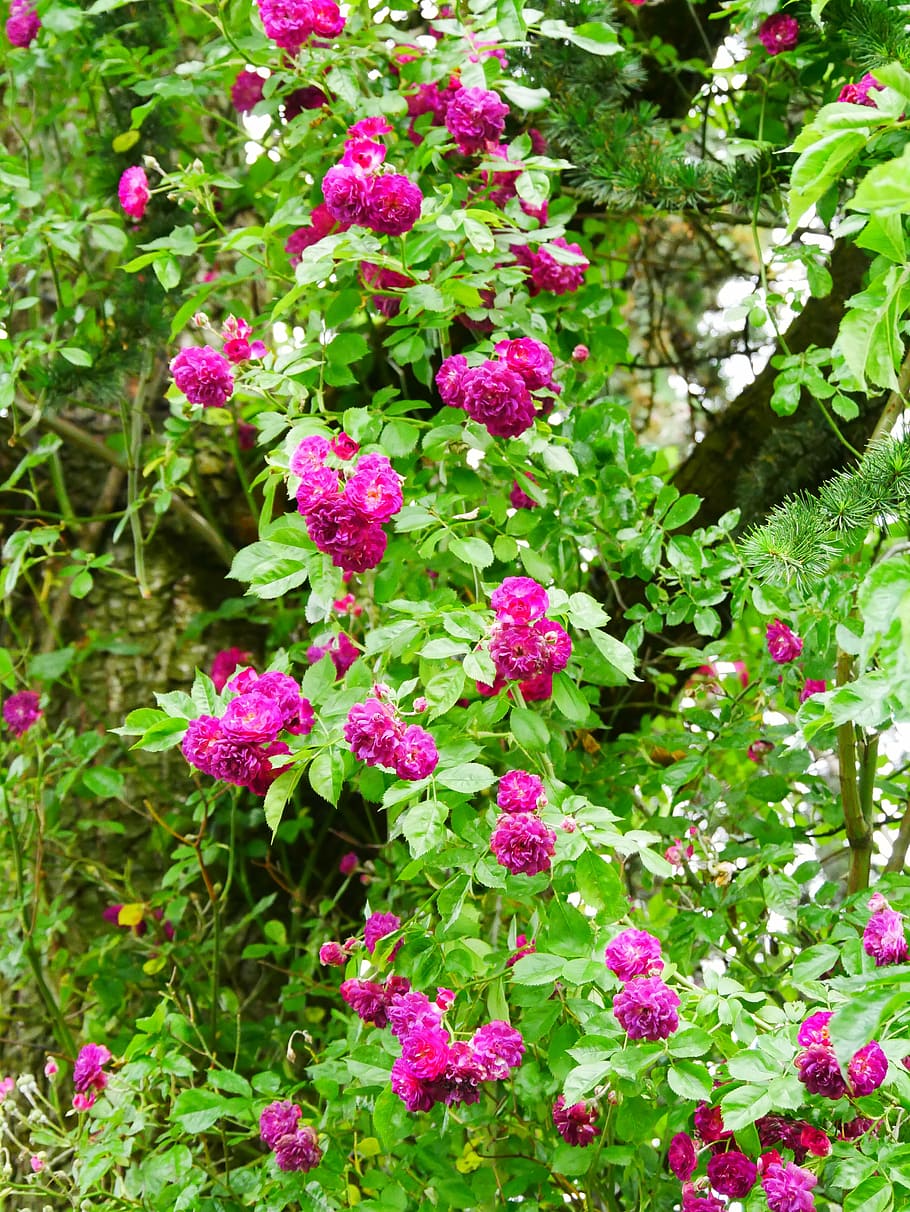
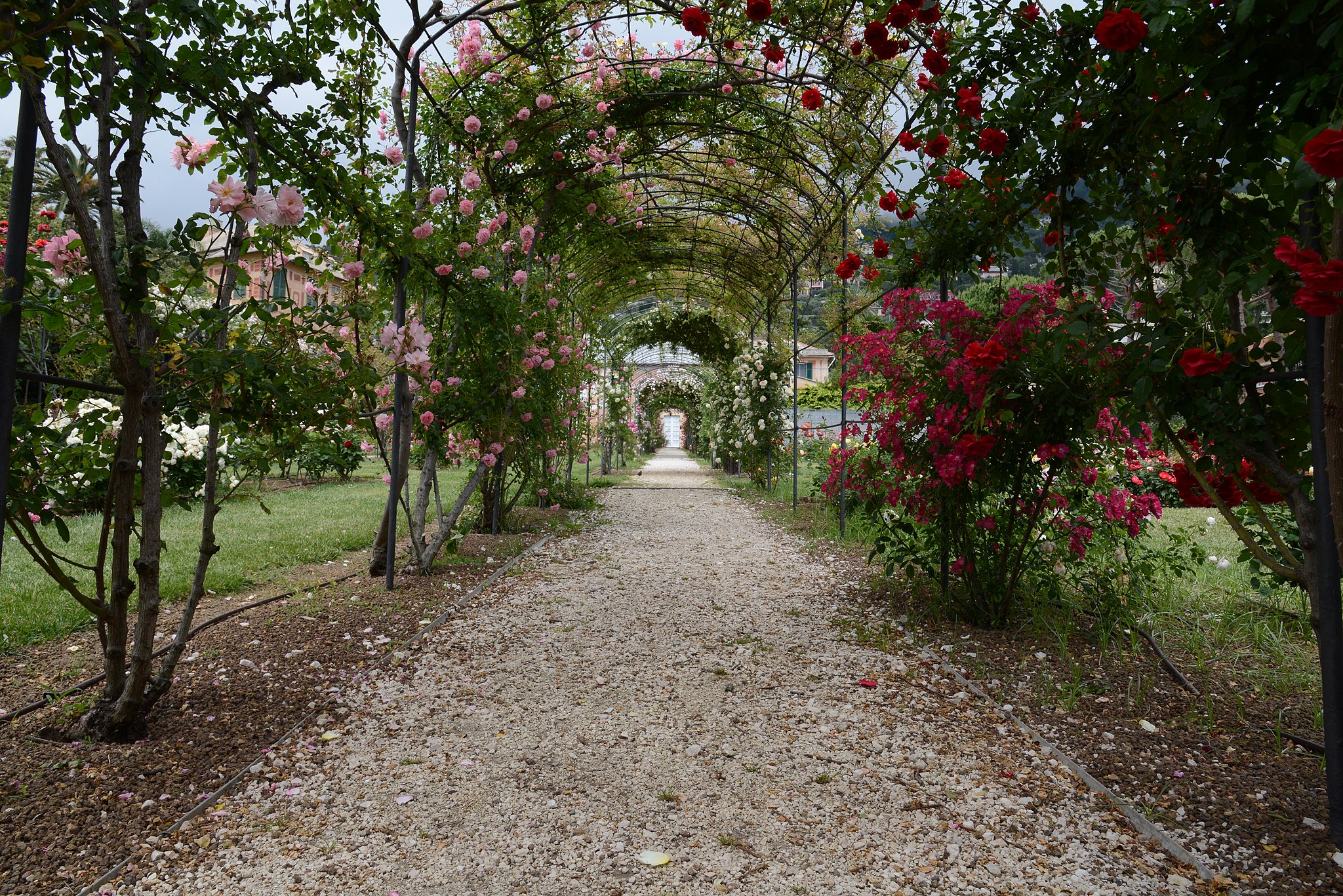
    The long branches of the rosebush ‘Cécile Brünner’ fall in a flower garland on the facade and dress the too brutal angle. Pearly pink pompoms prefer partial shade, so avoid south exposure.

    The ideal plant

    Vigorous, this rose can reach between 6 and 8 m in height, and grows almost as much in width. Its beautiful little flowers bloom in abundance in early summer, before reappearing more moderately in autumn. Another advantage: its foliage remains disease-free.

    Planting

    from November to the end of March for bare root roses.
    Offer them rich land to promote their development. Do not hesitate to change the soil near the house, it is often of poor quality, or add compost and crushed horn. Praline the roots, leave the graft point out of the ground, and tilt the twigs towards the wall. Track them on wire.

    Maintenance

    At the end of winter, prune a few old stems at their base and remove them to limit their entanglement and renew the twigs. In the summer, orient the new stems and cut those that obstruct the openings.

  • Install a climbing frame on a decorative stake

    Install a climbing frame on a decorative stake

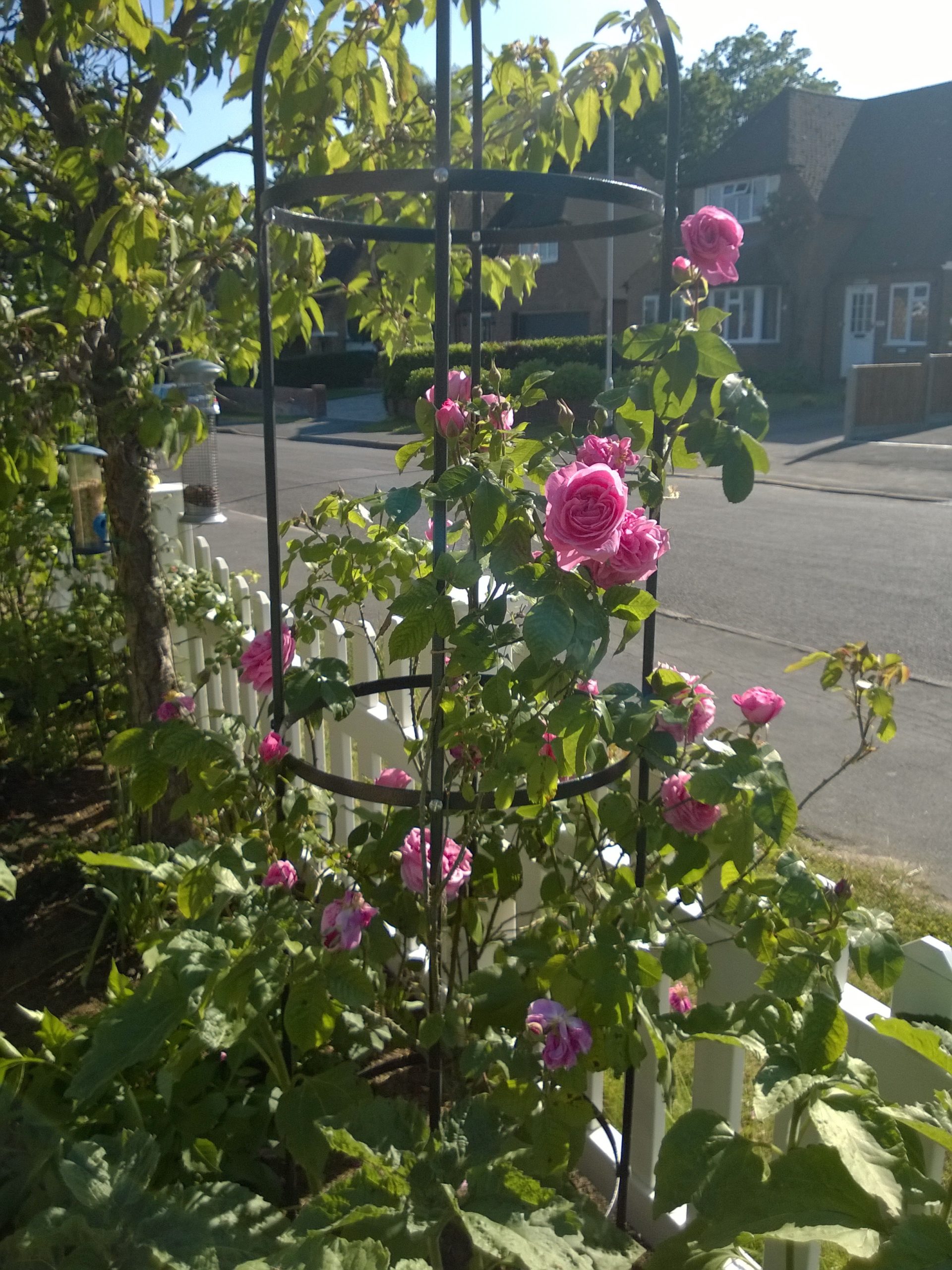
    Placed in a corner of the lawn, this metal stake accommodates a climbing rose which lets see the top of the structure for a very decorative effect.

    The ideal plant

    Of medium size for a climber, 2.50 to 3 m in height and 2 m in sprawl, ‘Pink Cloud’ is content with a narrow support of about 3 m in height. Its large, fragrant bright pink flowers are generous in spring and fall, and more dispersed in summer. Its healthy foliage enhances them.

    Planting

    From November to the end of March for a bare root rose . Open a hole and install the rose bush, leaving the graft point out of the ground. Stitch the uprights of the column on both sides so that the branches are in the middle. Bring them out above the first circle and always brush them on the outside.

    Maintenance

    In February-March, prune the secondary branches with three eyes and one or two old branches at their base. Regularly cut faded flowers, water if necessary.

  • Too many weeds in the garden, what solutions?

    Too many weeds in the garden, what solutions?

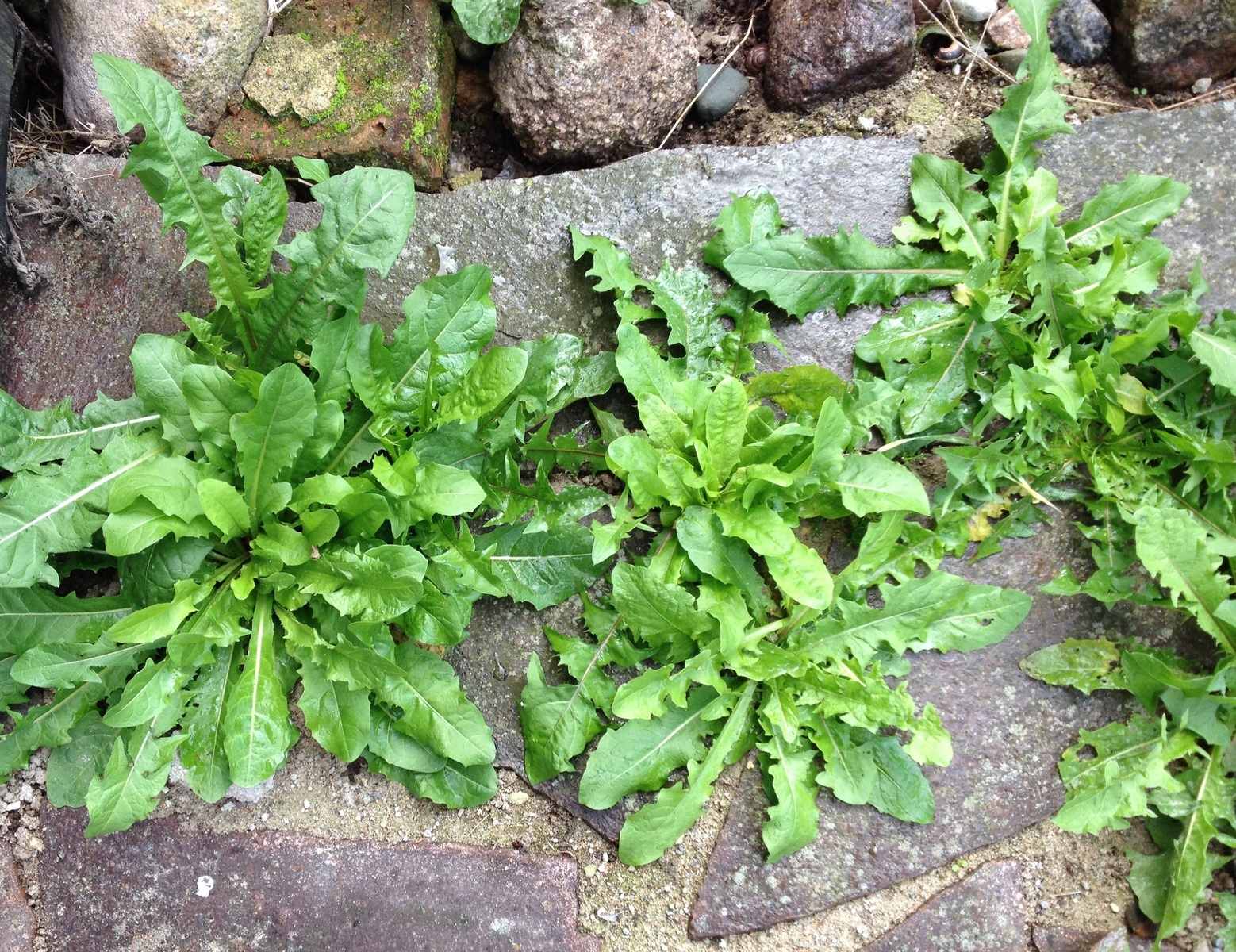
    The bare earth between the plants of the beds, the paths, the spaces between the slabs of the terrace are overgrown with weeds. The seeds brought by birds or the wind take advantage of these rich or well-drained places. What to do ?

    Our solutions

    • In flowerbeds, install ground cover plants in September or October or mulch the soil as quickly as possible.
    • To mulch the beds, carefully weed between the flowers, then water before spreading a 5 cm layer of flax sequins or grass clippings.
    • For the paths as well as for the terrace, pull weeds regularly, either by hand or using a thermal weed killer.
  • Spring too cool: a persistent cold in the garden

    Spring too cool: a persistent cold in the garden

    What to do in the garden in spring with this persistent cold? Here is how to further protect the garden and take advantage of this prolonged winter.

    At the beginning of April, the temperature still resembles that of March: spring has started but the vegetation is a good month late, despite the forsythias which show small pink buds!

    • The fruit trees ( apple , pear , …) and trees nuclei are not yet in bloom. This protects them from a possible late refreezing, which would risk destroying the fruit harvest (what we experienced in March 2012, the trees flowering very early).
    • It is still possible to prune summer flowering shrubs (such as roses ) because nothing beats the “late” cut in March. They can start again on the axillary buds even if they have experienced small drops of jelly on the tips of the leaves.
    • The marcescent foliage (arbor,…) has retained its leaves roasted by winter and should begin to lose them soon, a sign that spring is coming.
    • It is not too late to extend the planting of trees or shrubs with bare roots ( blackcurrant , currants , etc.) if we take maximum precautions (they must not be already budding).
    • The biennial plants ( thoughts , forget me not, daisies, carnations , …) do not fear the cold. They can be planted to decorate a balcony that is lacking in color, for example.
    • As for the vegetable garden : nothing prevents you from planting cabbages , lettuce, leeks, or even radishes in the vegetable garden. You just need to protect them with a wintering veil .
    • On the other hand, you have to wait for the weather to be better before putting the frost-free plants ( tomatoes, cucurbits , etc.) outside, even under shelter. They can still be grown in the heat, in a greenhouse , on a veranda , or even behind a bay window at home.
  • Mulch the squash

    Mulch the squash

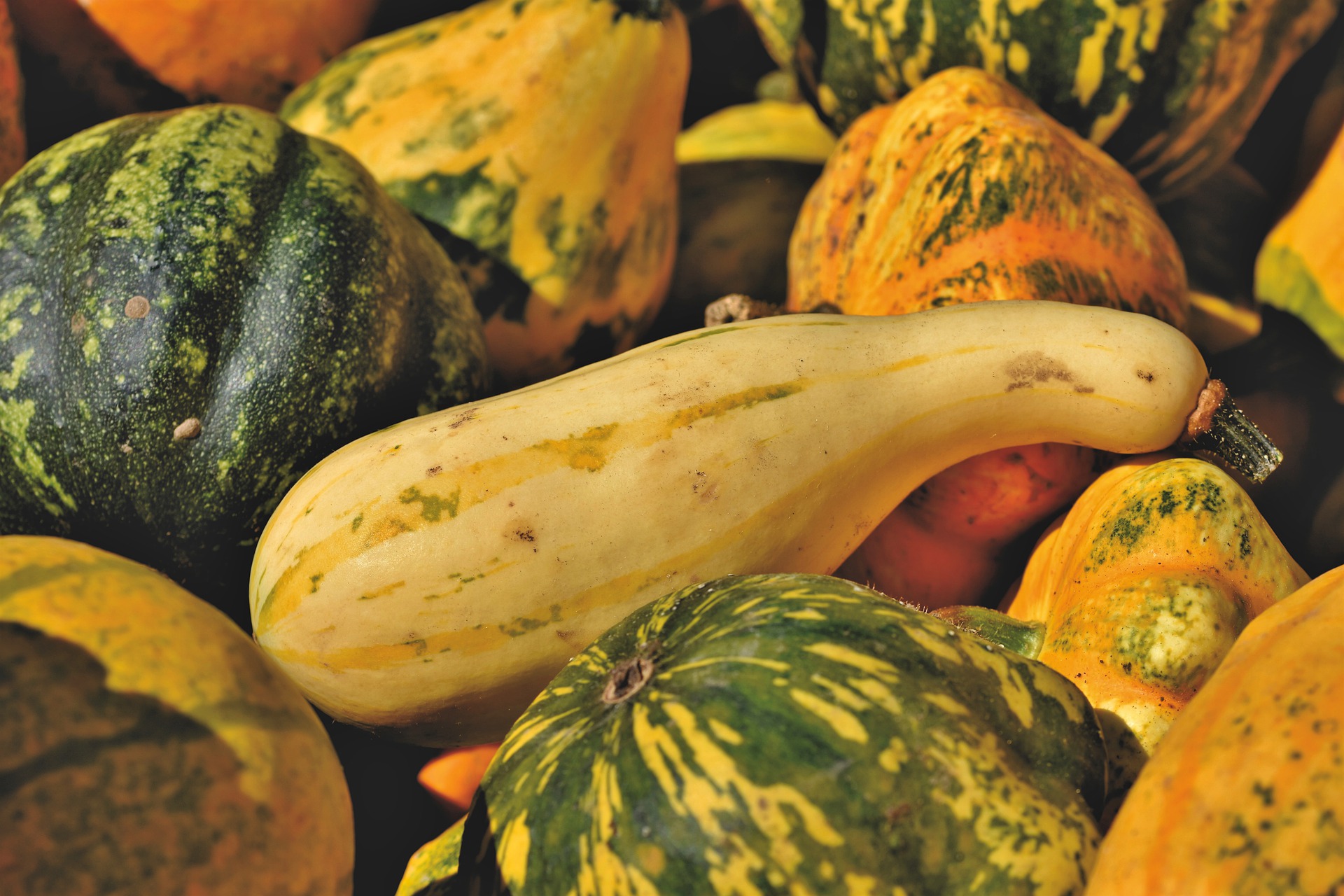
    Squash have fairly deep roots and tolerate lack of watering. However, a prolonged drought harms the good development of the fruits. Putting in place a good mulch will allow both to maintain the heat of the soil or to delay its warming, to fight against weeds, to reduce evaporation but also to isolate the fruits from direct contact with the soil.

    Squash mulch period

    Before sowing if installation of a mulch film, after the second pinching for a vegetable mulch.

    How to mulch the squash?

    The most widely used and effective method is black polyethylene film. Not very environmentally friendly, since it is made from petroleum, it can advantageously be replaced by a biodegradable starch-based film. The double interest of these black films is to warm the soil at the start of the crop because the squash needs a lot of heat and to prevent the growth of weeds.

    • Spread the film in line throughout the crop before sowing. Openings will be made at the location of the seed pockets.
    • Sow the seeds, thin out then cultivate without worrying about the mulch film which will decompose on its own in the soil (provided you do not use polyethylene).

    In the case of the installation of a vegetable mulch (mowing residues, straw):

    • Install mulch as soon as the stems begin to crawl directly at the base of the plant.
    • Overflow widely on the periphery because creeping varieties tend to spread (at least 2.5 m).
    • Add a layer of straw during cultivation if necessary.
  • The successful layering of an olive tree grown in pots

    The successful layering of an olive tree grown in pots

    Marking a tree is more delicate than a shrub, but it is achievable with species like the olive tree which tend to produce suckers. Two precautions nevertheless: the operation is delicate because it is necessary to dig the sucker to the sapwood (living part of the wood); if the tree is grafted, then the marcotte will reproduce the characteristics of the rootstock and not of the variety producing the olives.

    An olive tree mounted on a stem sometimes emits one or more twigs (greedy) on the trunk. Without intervention, the olive tree would divide in the lower part and lose its initial appearance. Hence the interest in cutting the branches positioned on the barrel, under the crown, as you go. However, this pseudo-gourmand can be used to reproduce a new olive tree thanks to air layering. This multiplication method is applied to plants with erect stems which cannot be pinned to the ground, under penalty of breakage.
    The best time to lay an olive tree is in spring, but this can also be done almost all year round except in cold weather.

    Air layering of an olive tree: step by step

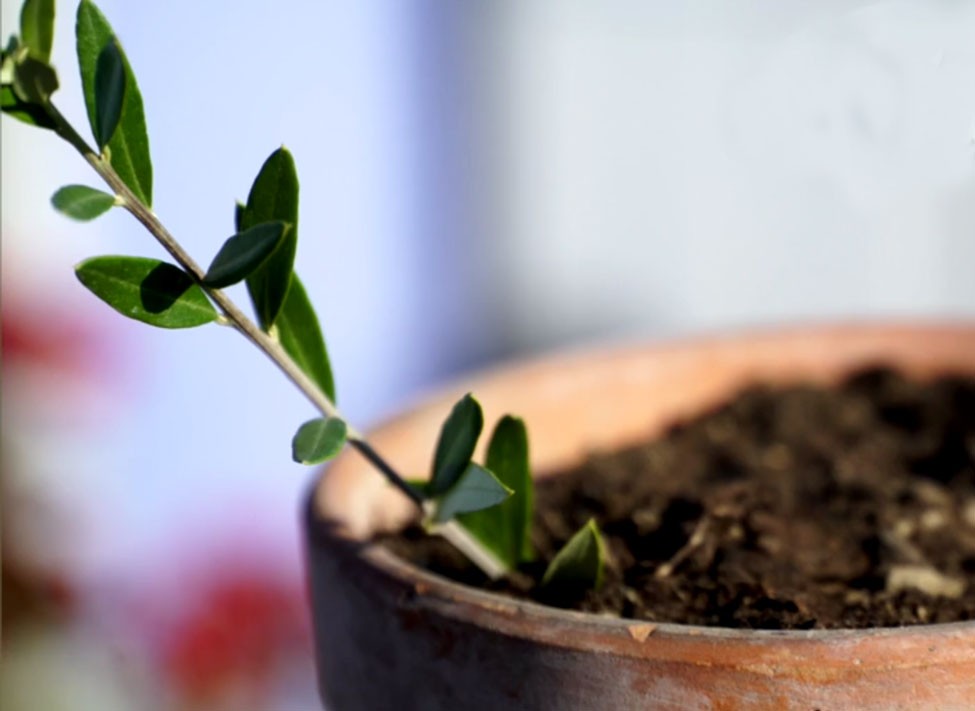
    In principle, air layering is carried out with a sleeve. Here, the layering branch is low enough to take root in a pot.

    1. Pour a drainage bed at the bottom of the pot.
    2. Thread an iron wire into the water drain hole which will then be used to hold the layer pressed against the substrate.
    3. Fill the pot 2/3 full with a mixture of half garden soil and the other half of universal soil.
    4. Dress the future marcotte by removing the leaves positioned along the stem in the lower part. No leaf should be buried.
    5. Incise the stem with a sharp blade lengthwise at the level of the future buried part.
    6. Hold the layered layer with the wire so that it cannot go up.
    7. Cover the marcotte with soil and potting soil.
    8. Straighten the layer with a tutor.
    9. Water copiously.
    10. Mulch over to avoid drying out.
  • What facilities to fit out a home

    What facilities to fit out a home

    Short-term rentals, last-minute moves, unforeseen equipment needs: many situations require quick solutions. If acquiring equipment requires time and thought, renting it limits the investment and therefore facilitates the procedures.

    Meet all the needs

    All interiors have different size and organization constraints. Modular supplies for small spaces, large format in large residences, the rental of furniture makes it possible to adapt to each situation. 

    Arrange your exterior

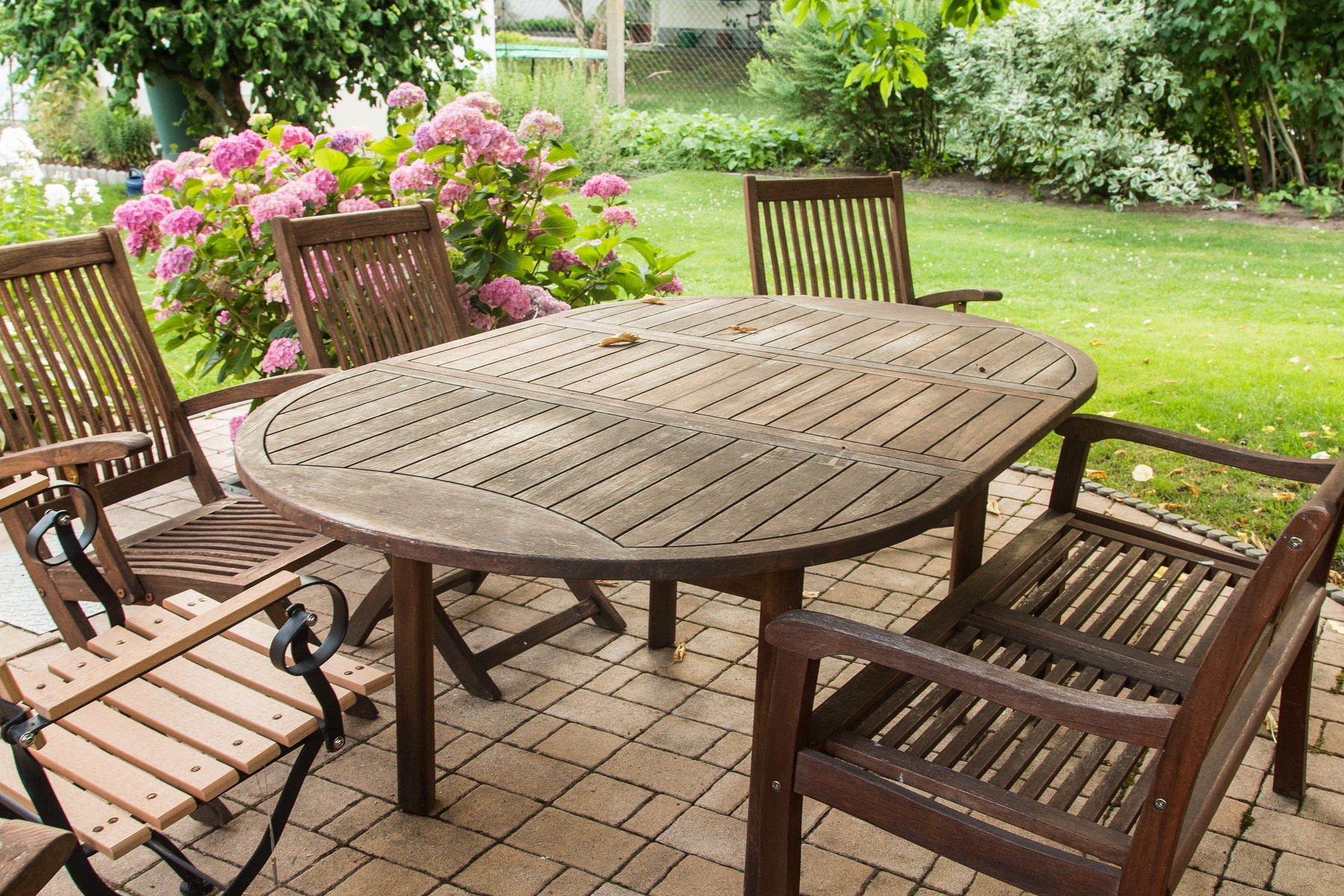
    Terraces and gardens are an integral part of the house. Yet their arrangement is often postponed for reasons of time or budget. Garden furniture, table for outdoor lunches, barbecue: arrange your outdoor space with the rental of garden furniture from the semeubler.com site. Moderate prices and a wide range of furniture and accessories, enough to enjoy your green area in all seasons.

    Promote mobility

    Whether it is for a job, to pursue studies or to join a loved one, there are all good reasons to move. Things get complicated when it comes to taking action. Boxes, trucks, friends to lend a hand… organizing a move is no easy task. How about avoiding the drudgery? Semeubler.com offers a home delivery service. Furniture, household appliances or multimedia: everything arrives directly at your home and, bonus, is installed and assembled by professionals. In addition, by renting your equipment, you will no longer have to move it from one accommodation to another. At the end of the contract, the semeubler.com teams are responsible for bringing back the equipment.

    Limit waste

    If the slightest breakdown plunges you into anxiety, that you are more a fan of new than repair, semeubler.com could well save you from going back and forth to the recycling center. Furniture, appliances and multimedia are guaranteed. If in doubt about the use, advisers will tell you what to do. Equipment with a proven problem, failure or malfunction, is replaced within 72 hours. Peace of mind guaranteed.

  • How To Treat Flowers Naturally!

    How To Treat Flowers Naturally!

    If the removal of chemistry seems obvious in the vegetable garden, this rule is often forgotten for flowers. However, the consequences for flora and fauna are identical.

    Opt for organic seeds or plants. The seed suppliers have good ranges and the nurserymen offer healthy plants whose recovery is guaranteed .
    In fertilizer, marine bone powder (phosphorus) acts on the roots gradually and makes the plant more resistant. Offer roasted horn which releases nitrogen slowly, and basalt for calcium, magnesium and trace elements. 

    Nettle or comfrey in the form of liquid manure, or herbal tea stimulate growth. For the latter, heat 200 g of nettle in a liter of water and bring to the boil. Leave to infuse for a quarter of an hour, filter and dilute one for nine. Spray on the foliage. For the comfrey manure, macerate with 1 kg of chopped fresh leaves in 10L of water. When the mixture foams on the surface, filter and store in small closed cans. Dilute this extract when cold, at a rate of 3% in water, it makes flowering plants, or your cuttings, more resistant to drought. An interesting finding for pots.

  • Colorful pots for fall

    Colorful pots for fall

    Cheerful, cheerful! Autumn on the balcony… As long as you start making a few pots and planters to color it.

    A visit to his usual point of sale will stock up on plants to make planters or pots or to hang on his balcony.
    Harmonize the colors between them, and think about extending the periods of interest until spring. The evergreen foliage will complement the fall blooms.

    Pansies and violas

    Classics, pansies and violas tire when they are installed alone, even if their colors can be varied.
    In the sun, install these violas in the company of dwarf asters, chrysanthemums, heather.
    In light shade, marry them with cyclamen .

    Ornamental grasses

    The linear leaves with the drooping shape of small sedges bring lightness.
    For a hotpot exposed to soft sun or light shade, install a bronze to orange sedge (Carex testacea) or variegated cream (C. oshimensis ‘Evergold’).

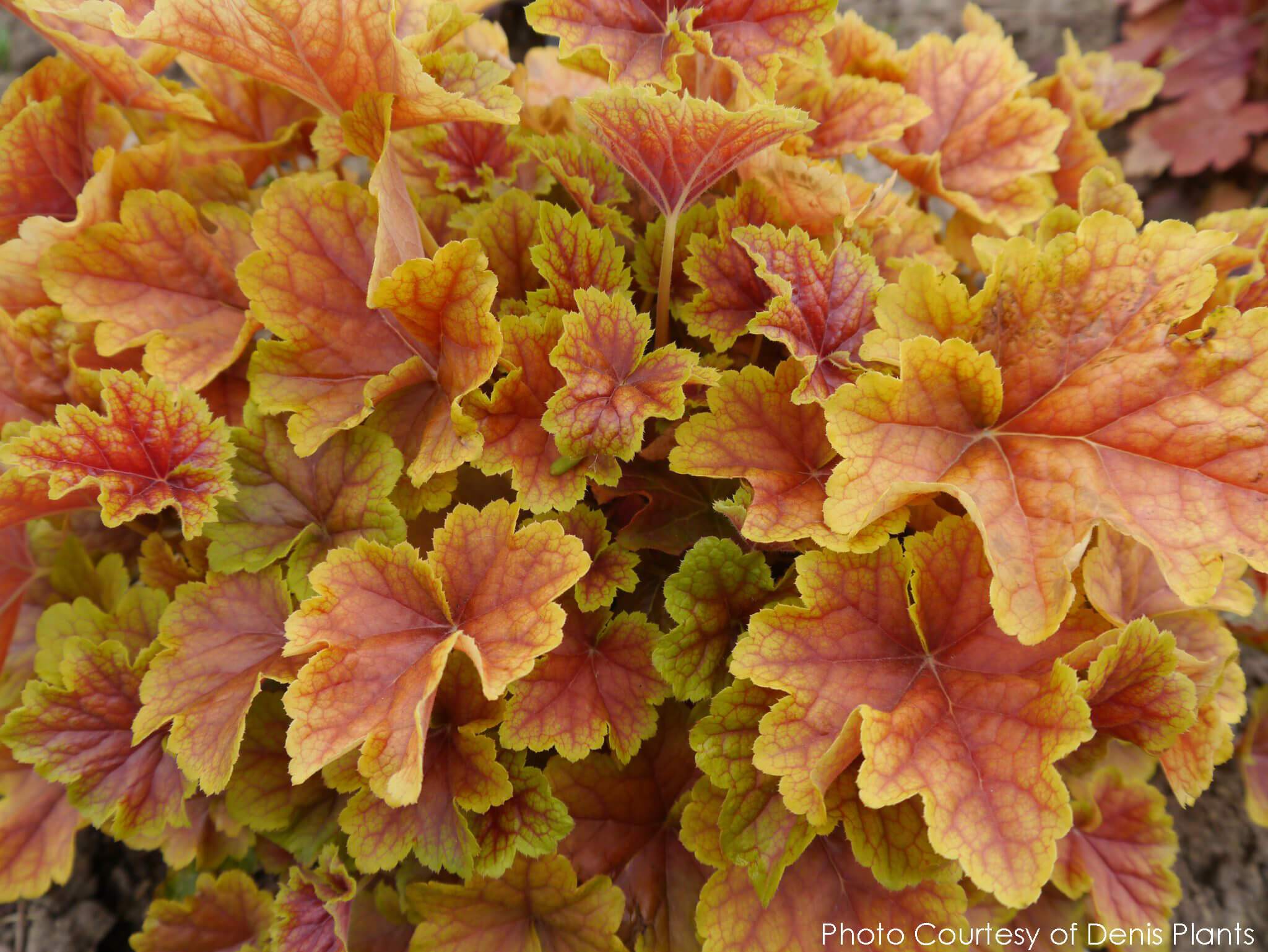
    The colorful foliage of heucheres

    The leaves of the heuches are superb all winter.
    Bright purple colors ( Heuchera ‘Beaujolais’, H. ‘Chocolate Ruffles’, H. ‘Obsidian’) appreciate the sun.
    For a partial shade exposure, prefer paler leaves ( Heuchera ‘Caramel’, H. ‘Cinnabar Silver’) or tangy ( Heuchera ‘Citronelle’).

    Silvery foliage

    Also think of the silvery gray foliage of the golden baskets, the helianthemums, the bear ears which will form beautiful contrasts.

    Antifreeze containers

    Choose pots that will not burst with freezing and thawing: non-freezing terracotta, plastic or wood.
    Glazed pottery, which does not evacuate moisture, is more fragile.

    Install the plants

    Buy the plants in pots or small pots.
    Moisturize the clods before planting them until the air bubbles disappear.
    Deposit and install the plants tightly enough.
    Slide potting soil into the voids up to 2 cm from the edges.
    Firm by hand and water.