Author: admin

  • Robot mowers. Which model and how to install it

    Robot mowers. Which model and how to install it

    The dream becomes reality: without any effort, here is a perfectly mowed lawn! This little miracle is possible thanks to the robotic lawnmower. To try it is to adopt it !

    What is a robotic lawnmower?

    Intelligent mower, the robot mower is a device that mows the lawn by itself, in any weather, whatever the time and despite the irregularities of the ground. Very discreet, it hardly makes any noise and does not give off exhaust gases. Who says better !
    The result is impeccable: the lawn is dense and always well maintained.
    If it discharges, the robot places itself on its charging station before resuming work independently and according to your programming.

    Advantages of the robotic lawnmower?

    • The grass is always greener:

    With its exclusive cutting system, Automower® will cut a few millimeters of grass daily which will decompose quickly. Your lawn creates its own compost, strengthens and beautifies itself. And you don’t have any more grass to clear out… everything becomes so simple.

    • Even for complex terrains:

    The robotic lawnmower circumvents obstacles, overcomes rough terrain for a perfect result. The adaptive timer function automatically adapts the mowing time according to the growth of the lawn.

    • The robotic lawnmower is not afraid of the dark:

    No disturbance for the neighborhood, the sound level of a robot is between 58 and 61 DB (A), which is very appreciable for you and your neighborhood.

    • Even in the rain:

    The robotic lawnmower is not afraid of the rain and leaves no mark in its path, thanks to its random movement. The most sensitive parts are protected from the elements, dust and grass clippings.

    The robotic lawnmower is the ideal solution to face increasingly important and restrictive ecological and environmental constraints (reduction of CO2 emissions, reduction of noise pollution, reduction of the use of phytosanitary products, etc.). requires a low level of maintenance compared to a traditional mower.

    How to choose a robot lawn mower?

    • Choose your robot according to the lawn area to be cut. The robots can mow on small fields as well as on large fields of 5000 m² with more complex shapes.
    • Choose your robot according to the area of ​​your lawn (a robot can mow between 43 m² / h and 208 m² / h depending on the area for which it is programmed).
    • If the terrain is rough or steep, buy a suitable robot. Some models can mow on slopes of up to 45%.
    • Another selection criterion is its programming, which can be done manually or via a smartphone and various features offered. 

    Install a robotic lawnmower

    1. Installation of the robot may require specialist assistance to ensure robot performance.
    2. If you want to install it yourself, below are some tips:
    • On a map, determine the areas to be mowed and the obstacles to be delimited.
    • Place the charging station flat in the center and near an electrical outlet.  
    • Place the robot’s peripheral wire all along the area to be delimited and the obstacles to be cut out.
    • Secure the wire to the ground with jumpers or dig a small trench to bury it (no more than 20 cm).
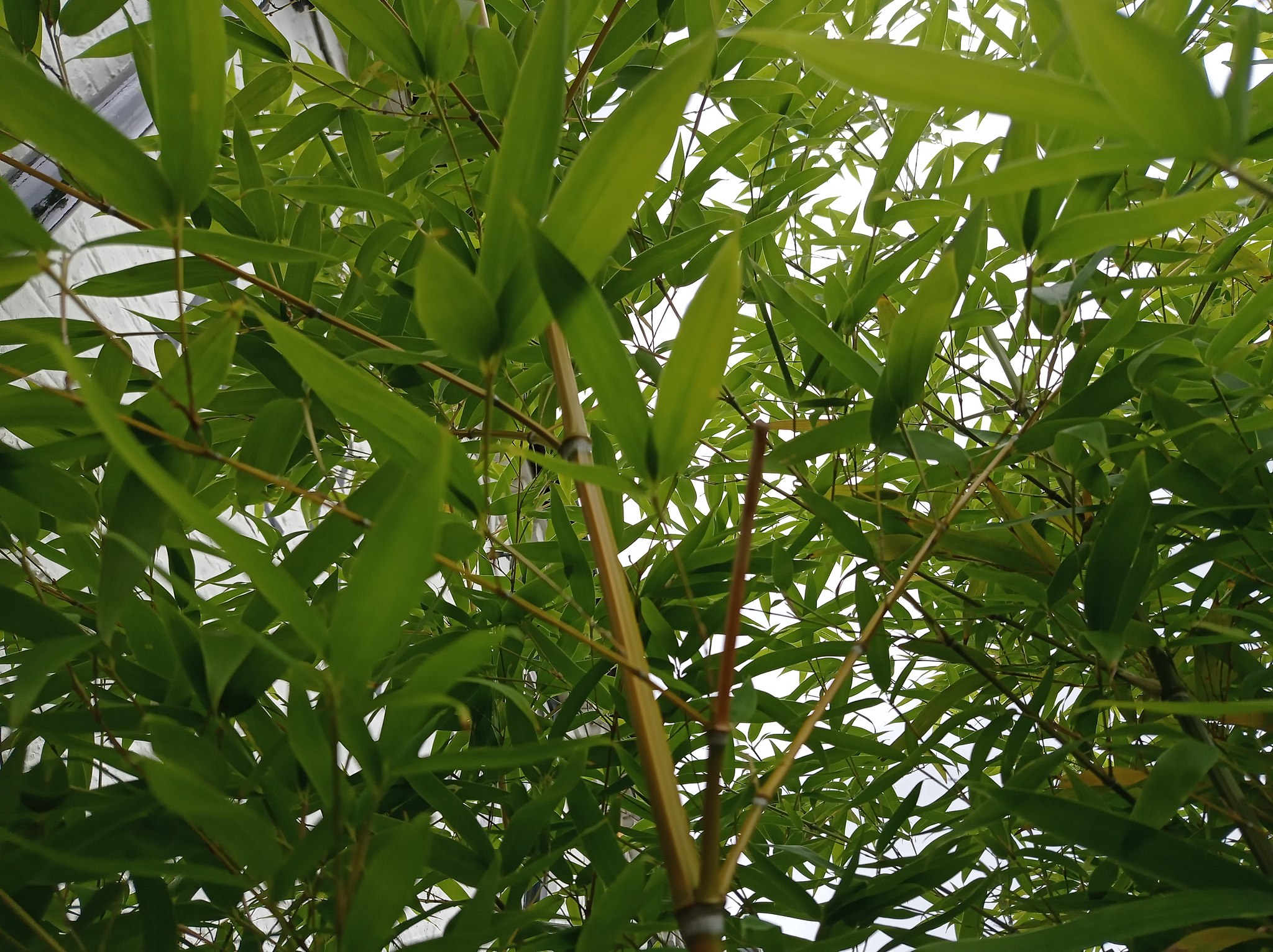
  • Bamboos: the methods to not let yourself be invaded

    Bamboos: the methods to not let yourself be invaded

    They grow quickly, keep their foliage, but some are invasive. How to avoid their proliferation: follow our advice!

    Bamboos have seduced individuals who have chosen them to quickly create a screen of greenery. Unfortunately, installed in the ground without precaution, they are likely to leave their beds in search of new spaces to conquer. If the bamboo likes it, the rhizomes can spread several meters further. The scenarios below should make everyone aware of the importance of properly planting a bamboo.

    1. “A bamboo is for life”

    “I tried everything, says Nicolas G; I tore it up, slaughtered it with a spade; but the smallest piece of root left in the ground makes it start again! It has even started to colonize my neighbor’s garden … I am desperately looking for a solution. “

    2. Elbow grease!

    If the precautions have not been taken from the start, the gardener will have no other solution than to use the pickaxe with relative success. Unfortunately, there is no effective natural method.

    What precautions?

    Don’t wait until it’s too late. Once established, the most creeping bamboos can produce rhizomes of several meters each year. Nothing stops them: they will pass under your lawn, will invite themselves into your beds. The best weapon is prevention rather than cure.
     

    1.  There are tufted bamboos which remain in a tuft. They don’t colonize the land. Choose in particular the Fargesia species.
    2.  For the others, it is essential to install a (real) anti-rhizome tarpaulin before planting, in a trench 50 cm deep to prevent them from spreading. The rhizomes are powerful; do not use an imitation tarp that would let them slip away! Forget the tiles, slate, geotextile and pond cover.
    3. Beware in particular of phyllostachys , very common in garden centers, with creeping rhizomes. Keep them in the pots (making sure that the rhizomes do not escape through the drain hole).
    4. Make a trench (of a width equivalent to a good spade iron) all around the massif to prevent the propagation of rhizomes. Monitor this trench every year and remove any excess.

    Conclusion

    Rarely sick, maintenance-free, aesthetic with their canes of color, bamboos have advantages provided they are well chosen and contained.

  • Gardening with the moon. Flower days

    Gardening with the moon. Flower days

    In the lunar calendar, locate the passages of the Moon in front of one of the three constellations in agreement with the element air. These relatively short periods are favorable for flowering plants and the gardening work that concerns them.

    As it travels around the Earth, the Moon describes an elliptical orbit of which the terrestrial globe is one of the focal points. During each lunation, it passes successively in front of the twelve regions of the zodiac, each being in affinity with one of the four fundamental elements: earth, water, air and fire.

    When the lunar star is more particularly in front of the constellations of Gemini, Libra or Aquarius (each being in affinity with the air element), the Moon reflects impulses and forces which act on plants and promote or stimulate their flowering and possible fragrance.

    When the Moon is rising (or ascending) and it passes in front of the constellation Aquarius, you can sow your flowers and flowering vegetables as well as picking or harvesting them. This period is favorable for the removal of scions and grafting operations of flowering shrubs.

    When the Moon is descending and it positions itself in front of the constellation Gemini or that of Libra, you can thin the seedlings of flowering plants, transplant them or plant them, pinch them or prune them. These periods are ideal for preparing and enriching the soil in which you will cultivate them. You can also cut your favorite flowers (geraniums, fuchsias, etc.).

    Plants concerned

    Vegetables Artichoke, broccoli, cauliflower.
    Edible flowers Acacia, cornflower, borage, nasturtium, chrysanthemum, zucchini, daylily, mallow, beetle, marigold, violet.
    Herbal teas Achillea millefolium, chamomile, meadowsweet, linden.
    Trees, shrubs and climbers Bignone, camellia, clematis, forsythia, wisteria, hydrangea, lilac, magnolia, rosebush, spirea, etc.
    Indoor plants Amaryllis, azalea, Christmas cactus, cyclamen, cymbidium, kalanchoe, phalaenopsis, saintpaulia, etc.
    The annual Begonia, clarkia, impatiens, geranium, marigold, petunia, sunflower, etc.
    Biennials Wallflower, forget-me-not, daisy, pansy.
    BulbsBegonia, canna, colchicum, crocosmia, cyclamen, dahlia, eucomis, fritillary, hyacinth, lily, muscari, narcissus, snowdrops, buttercup, tulip, etc.
    Perennials Aster, aubriète, bellflower, corbeille-d’or, iris, peony, phlox, rudbeckia, valerian and many others.

    Good to know

    Throughout the ecliptic, the zodiac constellations cover different surfaces. Those related to the earth element occupy the largest with 110 °, those of water 90 °, those of fire 89 ° and those of air the most restricted with only 71 °. From a practical point of view, you will always have less time to take care of your flowering vegetables and your roses than to carry out the cultivation of your radishes, potatoes or carrots.

    What is a flower day?

    A flower day is a day during which the gardener takes care of the plants… with flowers! While rotating around the terrestrial globe, the Moon describes an elliptical orbit of which the Earth is one of the focal points. During a lunation, it passes in front of the twelve regions of the zodiac, each being in affinity with one of the four fundamental elements: Earth, Water, Air and Fire.

    When the Moon passes in front of the constellations of Aquarius in the ascending moon, and in front of Libra and Gemini in the descending moon (these are constellations in affi nity with the element Air), the Moon influences the flowers and vegetables flowers, which flourish in the element Air. This determines the flower days. This is the time to sow, plant, hoe, weed, repot, cuttings and harvest flowers and flowering vegetables. All flowers, artichokes and cauliflowers included, will be more beautiful, healthier, more floriferous.

    Plants were sown during this period branch out better and are therefore more productive in bloom. Planted in the waning Moon, when the Moon passes in front of the constellations of Gemini and Libra, they grow faster. Bouquets picked on flowering days keep for a long time in a vase, edible vegetables and flowers are tastier and richer in vitamins. The properties of herbal tea flowers are more active.

  • The McIntosh apple

    The McIntosh apple

    Do you think you know her? But the McIntosh apple is scarce in our orchards. An ancient variety, mother of many modern apples.

    I am not talking about its namesake MacIntosh present on computers but rather about an apple in 3D. Besides, on closer inspection, the spelling is not the same. Of course, there is the famous legend regarding the Apple logo, where the creator bit into an apple. But what variety? History does not specify. So, as Jacques C. said, “Let’s bite some apples!”, And let’s get back to our fruit.

    It was discovered in Dundas County, Ontario, Canada, around 1796 by John McIntosh and imported to Europe in the 1930s.

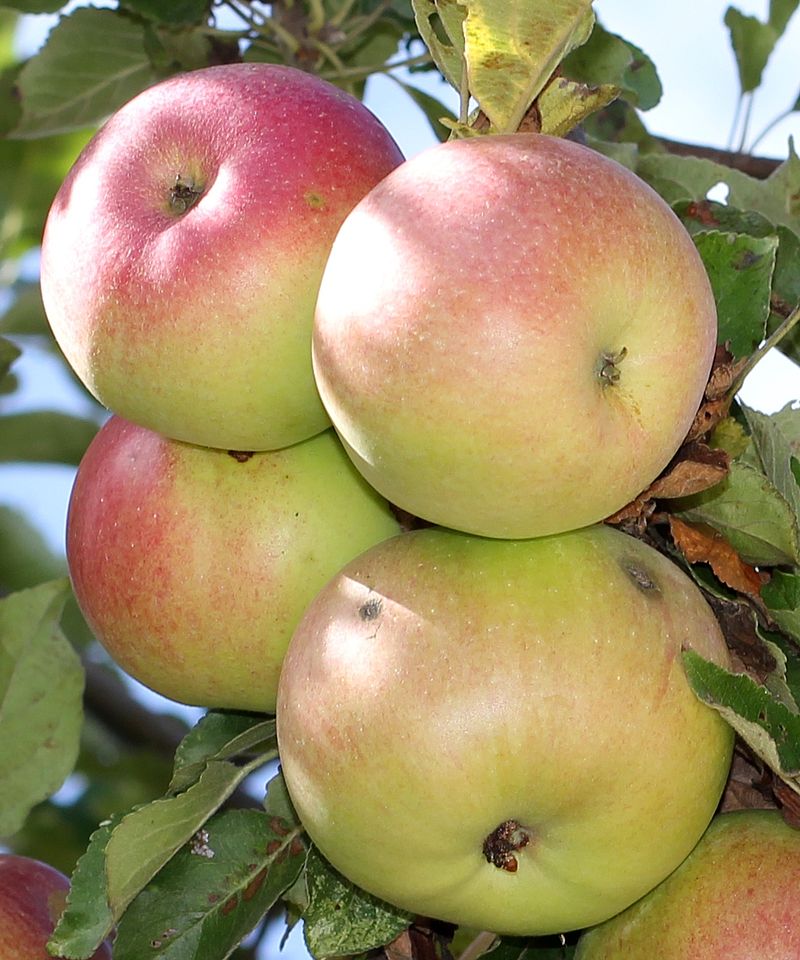
    It is a fruit with red skin, quite thick and endowed with a white and juicy flesh, tangy and fragrant, ideal for compotes. Its flowering is precocious and it is harvested in early September. The fruits are round about 7cm in diameter. The vigor of the tree is medium. People are sensitive to canker and opinions differ as to its resistance to powdery mildew.
    This beautiful apple is the source of ‘Golden delicious’, ‘Cox’s Orange Pippin’, ‘Red delicious’ …

  • Orchard: prevention against winter pests and diseases

    Orchard: prevention against winter pests and diseases

    When the insectivorous birds are numerous (tit, nuthatch, flycatchers, redstarts), we rarely hear about certain parasites with barbaric names such as cheimatobia and hyponomeute! So think about hanging nesting boxes in fruit trees. And then, if you have chickens, the orchard remains the ideal place to release them because they scratch the ground in search of larvae and worms that try to bury themselves to spend the winter.
    But above all, in the orchard, once the leaves have fallen, the trunks and branches are open to you. You have plenty of room to clean: be careful, enemies are hiding everywhere !

    Burn the dead leaves

    To watch out for: after the fruits, it is the turn of the leaves to gradually fall. A normal phenomenon, which sometimes hides funny surprises.

    The danger: the carpet they form is the favorite refuge for the spores of multiple fungi. They find it convenient to winter with impunity at the feet of their hosts before multiplying and colonizing them again in the spring! The list is long: pear and apple scab , riddled disease of cherry or peach, apple beetle, plum rust, walnut marssonina …

    Prevention actions: to give you courage, consider efficiency of the purge that constitutes the collection, then the incineration of all these leaves …

    Brush the bark

    Watch out for: on the trunk and main branches, the aged bark is rarely smooth. Mosses and lichens cling to it.

    The danger: the cracks in the bark and the hanging plants constitute so many refuges for the eggs or larvae of insects seeking to overwinter and they are numerous (codling moth of apple and plum, aphid, pear psyllid, canker, gall gall. plum tree…). In spring, after hatching or metamorphosis, nymphs and insects feed on the fruit or tree sap.

    Prevention measures: before considering a treatment, it is essential to rub the bark with a quackgrass brush to remove mosses and lichens, which eliminates a number of potential shelters.

    Remove mummified fruits

    Watch out for: rotten and shriveled fruit sticks fiercely to the branches as well as dried up floral bouquets.

    The danger: this is the sign of a widespread disease, moniliosis, which affects all fruit trees. The fungus overwinters on mummified fruits before attacking the flowers in the spring.

    Prevention measures: start by removing all the mummified subjects before cremating them. Next year, remember that thinning out too many fruits is beneficial. When harvesting, only collect very dry fruits because, if they are wet, disease can develop during storage.

    Pick up fallen fruit

    To watch out for: damaged fruits, which have fallen to the ground well before harvesting, due to attacks by parasites which cause them to ripen prematurely.

    The danger: codling moth caterpillars fall with the attacked fruits ( apple , pear , quince) before returning to the trees. Following the same path, the larvae of the cherry fly and the plum hoplocampus prefer to bury themselves to spend the cold season in the shelter of the ground.

    Prevention measures : collect and incinerate suspicious fruits as quickly as possible. In the fruit tree, store only the healthiest: the codling moth caterpillar, for example, readily overwinters in the cracks in the shelves!

  • Climbers for a continental climate

    Climbers for a continental climate

    Plant plants adapted to the climate and the nature of the soil in your garden: climbers to install in a continental climate. 

    Sandy or loamy soil

    • Large-flowered clematis
    • Officinal jasmine
    • Honeysuckle

    Heavy and clayey soil

    • Winter jasmine

    Lean and stony soil

    • Ivy
    • Virginia creeper ( Ampelopsis , Parthenocissus )

    Acidic soil

    • Climbing hydrangea
    • Schizophragma
    • Japanese wisteria (later flowering)

    Limestone soil

    • Ivy
    • Clematis
  • What to do in July in the garden in a Mediterranean climate?

    What to do in July in the garden in a Mediterranean climate?

    Some regions are subject to particular climatic conditions. Our local correspondents explain the actions, sowing, planting and harvesting to you in the garden in a Mediterranean climate in July.

    Prune the apricot trees green

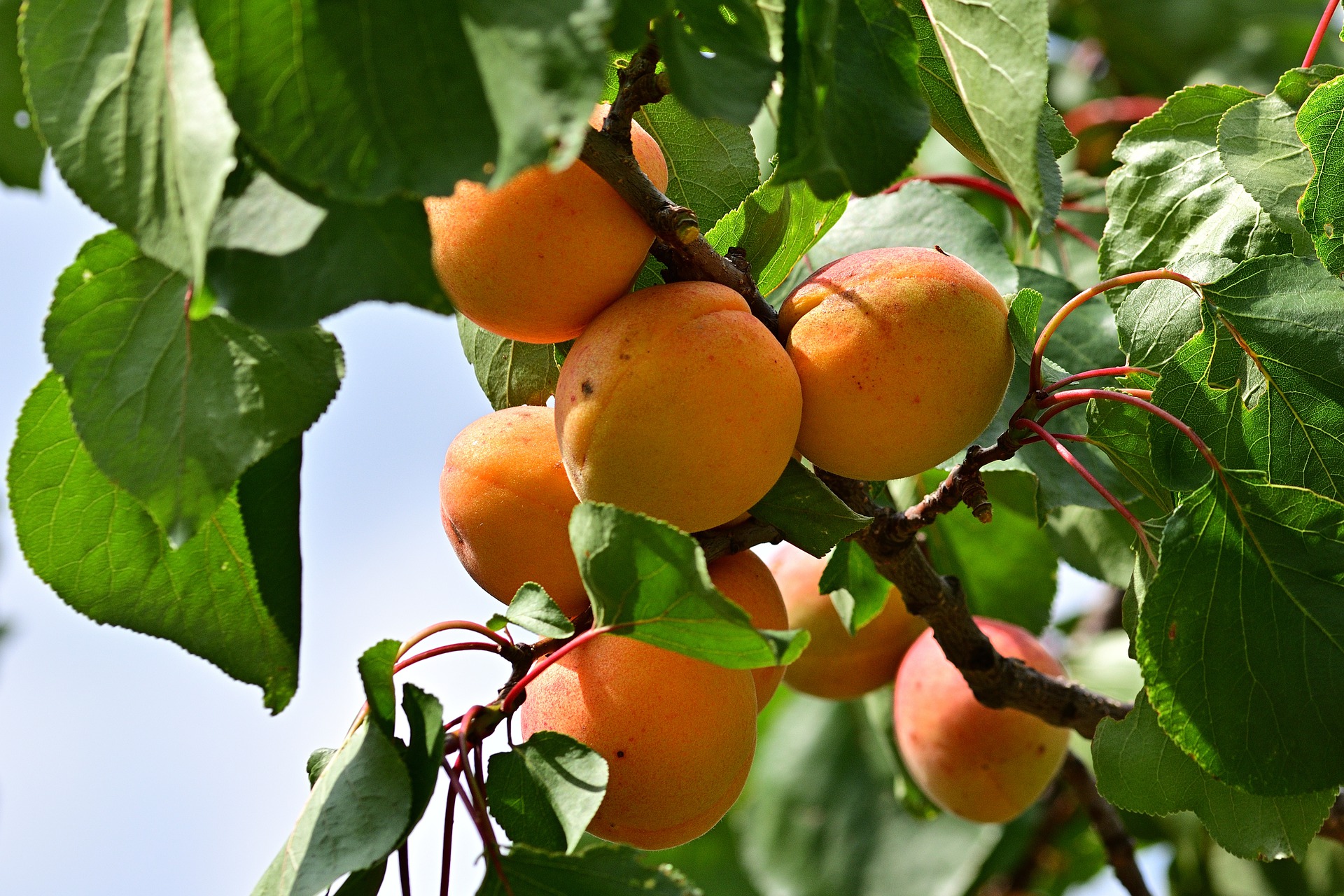
    The winter operations size performed on apricot promote disease. The size in green is practiced in summer to lighten the antlers. Young twigs developing outward and not bearing fruit are kept. The branches on which the fruits were picked are removed. Remove the suckers that have grown in the center of the tree.

    Water in July, August will do the rest

    Warning: fruit trees planted in the fall of last year, or this last spring, have not yet developed a deep root system! Long roots would allow them to find areas from which to draw sufficient water.
    The month of July is crucial for the growth of young fruit trees. A lack of water would be detrimental. To be effective, watering must be done in a large basin (1 m in diameter and 10 cm deep). This reserve of 100 l constitutes a large quantity of water which, thanks to its weight, descends in depth. This operation can be repeated 15 days later.
    Then, with the period of “hardening” (lignification), it is not necessary to water. The trees can wait for the fall rains.

    No drought in the garden

    In summer, on hot days, the atmosphere is very dry. However, many plants introduced into southern gardens come from more humid climates and suffer from this very low degree of humidity.
    Preserve the plants from the resulting discomfort by drenching their leaves in the evening. When the sun goes down and it is less hot, spray the foliage with a low-flow water stream. Ideally, the water used should be between 15 and 20 ° C and have a neutral pH.

    Fight against red spiders

    Hot, dry summer air promotes the proliferation of red spider mites, especially on oleander. These sap-sucking biters weave a web on the inner face of the leaves, causing depigmentation of their outer face. They hate humidity: wet the underside of the foliage every evening and during the day to eliminate these spiders.

    Cut the irises

    The flowering of the irises is over, and the next one is growing inside the rhizomes. Seeds form on their flower stems, which risk using up part of the plant’s reserves to the detriment of the next flowers. It is better to cut these stems at the base. The plant does not require watering: too much water is harmful because the rhizomes remain half buried.

    Sternbergia lutea, this false crocus that lights up the garden

    With its yellow flowers similar to those of large crocuses, Sternbergia lutea is a popular fall bulb to liven up the garden. The inverted vegetation of this large bulb makes it necessary to plan the plantings at the end of summer during the state of dormancy. Very hardy, Sternbergia lutea can be planted in many situations where it naturalizes.
    Do not hesitate to plant Sternbergia lutea in a mixture with other perennials, even suckers such as Lady-Larpent’s plumbago. This false crocus then mixes the bright yellow of its flowers with the blue of this perennial.
    During the winter, the foliage takes over from the blooms until spring when it disappears. 
    From year to year, the bulbs reproduce and expand, it is then necessary to consider a doubling. Pop the bulb clump every five years.

    Cut the melons

    To induce flower development, pinch the melons . Between your thumb and forefinger, cut the stems above the 2nd leaf, to promote growth. New shoots carrying melons will be pinched 2 leaves above the fruit. This pruning stops the development of the terminal bud for the benefit of the productive branches. Sun and heat do the rest.

    Fresh mulched vegetables

    In the vegetable garden, the earth quickly dehydrates under the effect of the blazing sun and the wind. Repeated watering compacts the soil and prevents it from breathing, so it is necessary to decompact it. Covering the surface with plant matter limits the evaporation of water from the soil and thus reduces watering .
    To achieve the mulch, use straw, but also all the green waste collected in the garden. Beforehand, a drying period is essential, in order to avoid fermentation at the foot of the plants.
    The effectiveness of mulching depends on its thickness, which should be 5 to 10 cm. All vegetables appreciate this comfort at their feet, with the exception of root vegetablesbecause mulching favors the presence of the Provence vole , which is fond of it.

    The gatillier, pioneer of the harsh lands

    Commonly called gatillier, Vitex agnus-castus, of Mediterranean origin, deserves a place in gardens with poor and dry soil.
    In summer, this shrub is adorned with flowers of a purplish blue. In the form of panicles, they bloom at the ends of the shoots of the year. Its foliage gives off a strong peppery odor.
    In the fall, it produces black seeds used as pepper, hence its other common name of pepper plant.


    The shrub is easily integrated into the bottom of a massif or in a hedge .
    As early as the summer, determine the locations of the plantings scheduled for the end of September.
    Cover a square meter of planting space with cardboard to smother weeds .
    When planting, opt for young seedlings from nurseries, which settle better in dry and poor soils.

    When to harvest eggplant

    Like tomatoes or potatoes, eggplants belong to the Solanaceae family. Their fruits have different shapes and colors depending on the variety.
    For taste reasons, the harvest takes place before the fruits are fully ripe. An overripe eggplant will have a spongy flesh and many very hard seeds, unpleasant in the mouth.
    But harvested too young, eggplants contain a lot of solanine, a toxic substance. In addition, their flavor is not at the rendezvous.
    Picking is favorable when the color of the skin is uniform and the fruit is easily detached. It’s up to you to judge the right moment knowing that the experience remains the best of advisers.

  • Goosefoot Bon-Henri: how to grow successfully

    Goosefoot Bon-Henri: how to grow successfully

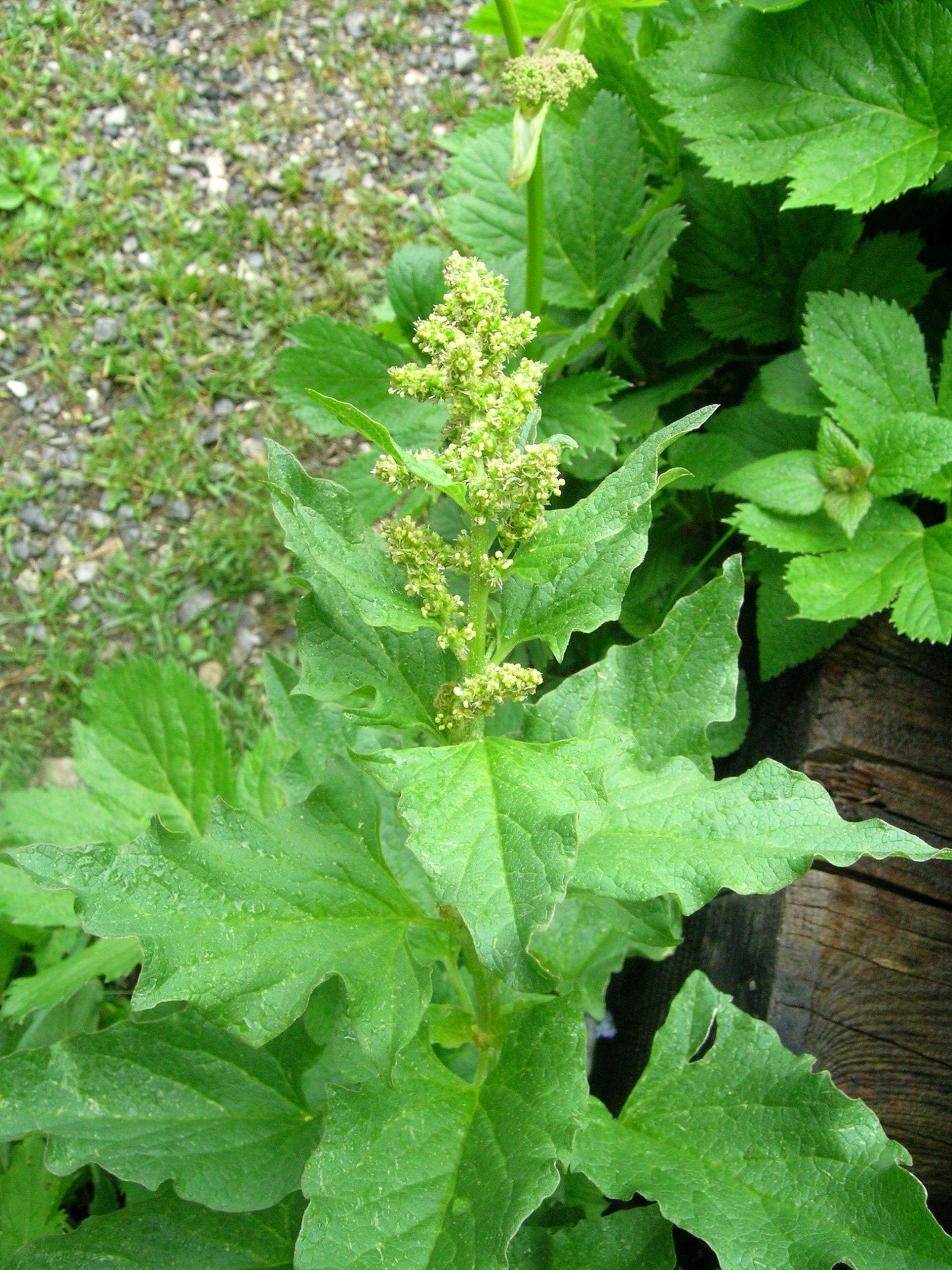
    The bon-Henri goosefoot (also called “bon-Henri anserine”) is found in the wild almost everywhere in France in rich and shady lands.
    Perennial, very resistant to cold, it can stay in place 4 to 5 years in a row. Its leaves, rich in calcium, iron and phosphorus, are eaten raw in salads or cooked like spinach.

    The culture sheet

    Sowing: March to April or October
    Harvest: April to October
    Duration of emergence: 5 to 6 months (autumn sowing), 10 to 15 days (spring sowing)
    Culture period: 4 to 5 years
    Watering: regular
    Production: 15 to 20 leaves per plant

    Sowing bon-Henri goosefoot

    Preferably in autumn or in spring, trace shallow furrows spaced 40 to 50 cm apart along the edge of the vegetable garden, in a part where the lamb’s quarters can
    stay in place for several years.
    Distribute the seeds as evenly as possible.
    Cover and tamp with the back of the rake.
    Water in fine rain.

    When the plants have 4 to 5 leaves, 1 month (for spring sowing) to 6 or 7 months (for fall sowing) later, eliminate the weakest plants
    in each row, keeping one lamb’s quarters every 35 at 40 cm.

    Caring for the bon-Henri goosefoot

    Goosefoot is sensitive to drought which encourages early flowering to the detriment of leaf production.
    From May, spread a good layer of flax sequins at the base to keep the soil moist. Water abundantly at the foot all summer.
    At the end of June to mid-July, cut off any flower stems that form to stimulate leaf production.

    Harvest bon-Henri goosefoot

    Harvesting occurs in the summer following the fall sowing or the following year for spring sowing or division.
    Break the petiole of the lower leaves by hand by pulling downwards.
    Harvest as and when needed for immediate consumption.

    Produce your seeds

    Propagation by division, which is much easier, is greatly preferred to harvesting seeds. The number of plants obtained is largely sufficient for the average consumption of a family. Operate at the very beginning of spring, in March.

    Select well bushy chenopods.
    Cut out the circumference of the root ball with a spade, planting it vertically between 10 and 15 cm from the foot, all around the plant.
    Pry up to lift, then extract the goosefoot by pulling at the base of the leaves.
    With a sturdy knife, cut into 2 or 3 pieces with leaves and roots.
    Immediately plant the pieces, in another place in the vegetable garden, spacing them 40 cm apart on the row.

    Wait 4 to 5 years before sowing or re-planting goosefoot where you grew it previously.

  • Palm Sunday and the weather: sayings

    Palm Sunday and the weather: sayings

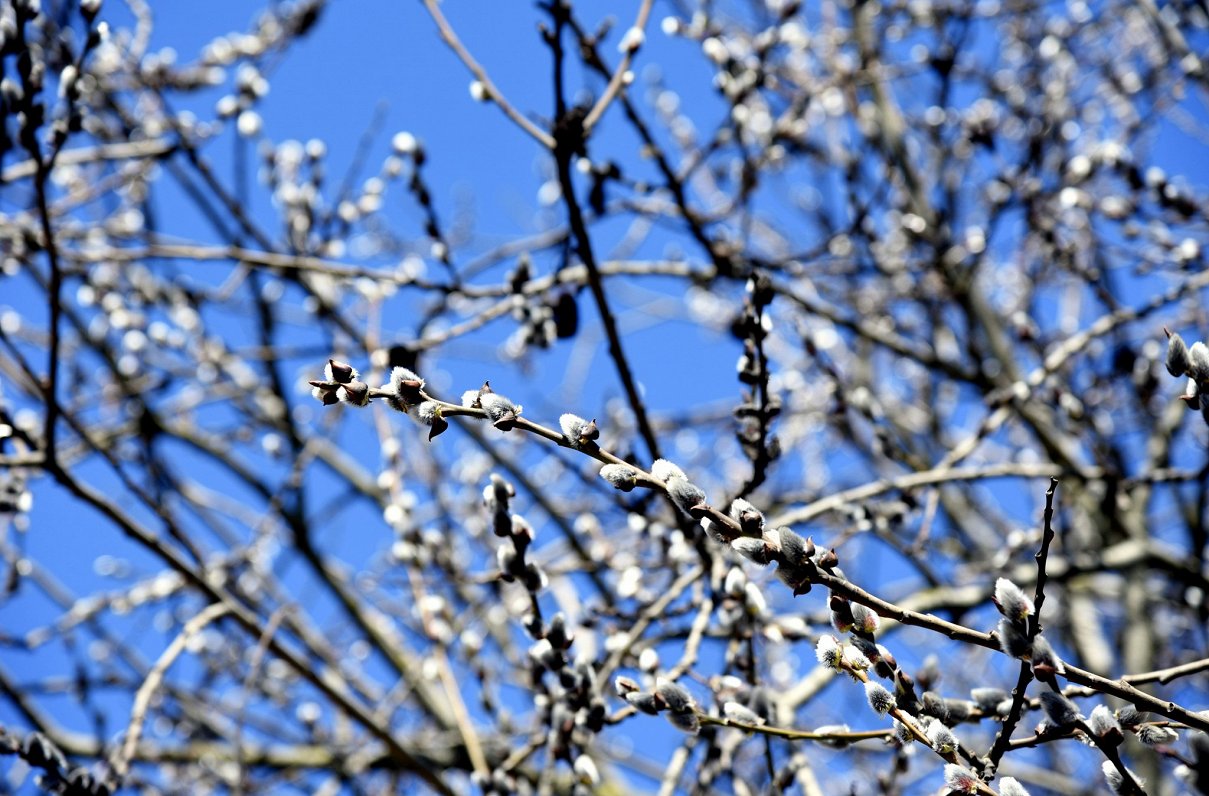
    The wind that blows at the time of Palm Sunday would be the one that should persist throughout the beautiful season. The time of this festival would also be that of the year. To check it, remember to note the weather this weekend.

    In 2017, Palm Sunday is April 9 (in 2016, it was March 20, the official spring day). This date changes from year to year, like Easter: “Easter is the Sunday following the fourteenth day of the Moon which reaches this age on or immediately after March 21”. The fourteenth day of the Moon being the day of the full Moon. The sayings giving weather forecasts relate to the day or the weekend of Palm Sunday and do not indicate a precise date.

    “The wind which is blessed on the Palm lasts the least during the year.”
    From one saying or from one proverb to another, the moment to note the direction of the wind of Palm Sunday is not always the same. Some indicate instead the time of the blessing during Palm Mass. Others remain more vague and only mention the wind blowing during the day, but since the wind sometimes changes direction during Palm Sunday, this latter forecast would be less reliable.

    “If the wind is north on Palm Sunday, it won’t be hot all season long.”
    An easterly wind would also be the sign of a predicted relative freshness. And in both cases, dry weather … a more southerly wind would herald a warmer year. With a westerly direction, we should expect a rather wet year.

    “If it rains on Palm Sunday, a year of rain.”
    Palm Sunday is Sunday. But another saying refers to Saturday: “Palm Saturday is done all year round.”

    If you’re passionate about weather forecasting, have fun recording the weather and wind direction on Saturday and Sunday. And over the months, you will be able to determine whether or not the sayings have given the right indications.

  • Water the bulbous fennel

    Water the bulbous fennel

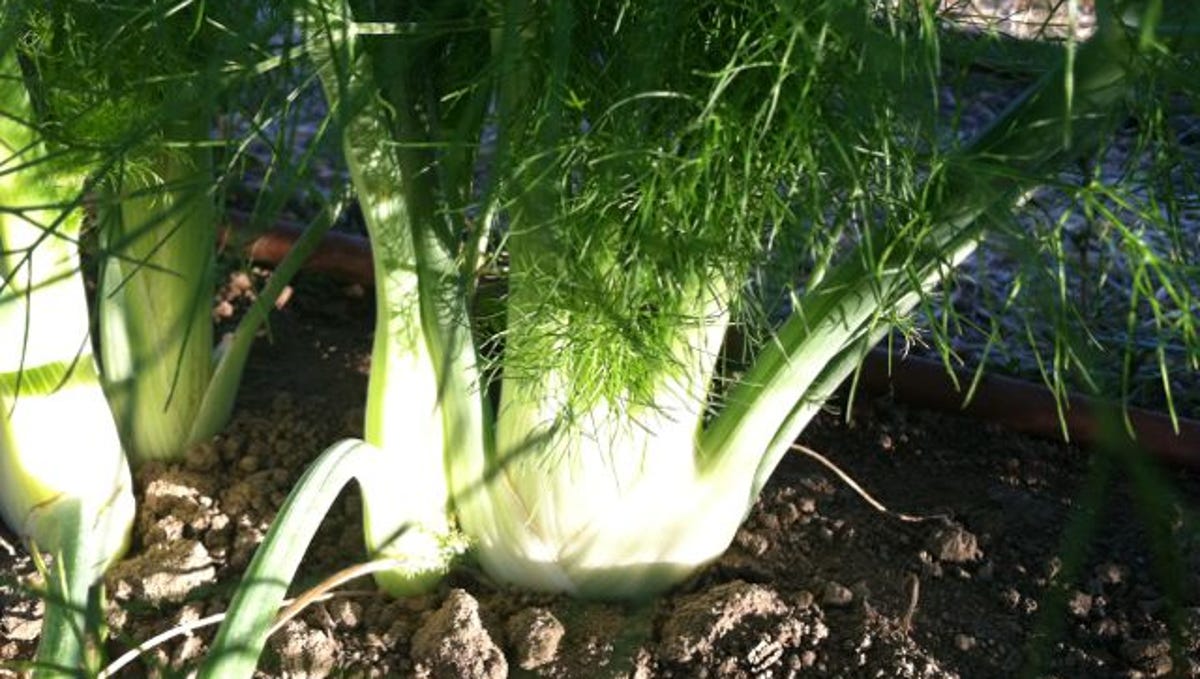
    Watering the fennel depends on the size of the petioles which form the fleshy apple which is eaten.

    Bulbous fennel water requirement

    The water requirements of fennel are average, even if they become a little more important in the summer.

    Signs that bulbous fennel is lacking in water

    The lack of water causes the seed to rise prematurely and blocks the formation of the apple.

    Water quality for watering bulbous fennel

    The rainwater and tap water are suitable.

    Materials needed for watering bulbous fennel

    An apple watering can for watering in fine rain is quite suitable.

    Frequency of watering bulbous fennel

    Make waterings followed after sowing and transplanting between March and May. During the growth of the plant, which lasts from April to September, watering will be more punctual, carried out during each episode of drought.
    In summer, water copiously to avoid the rise in seeds which will be to the detriment of the consumed part, the petioles.