Author: admin

  • 5 secrets to having a beautiful pendant light

    5 secrets to having a beautiful pendant light

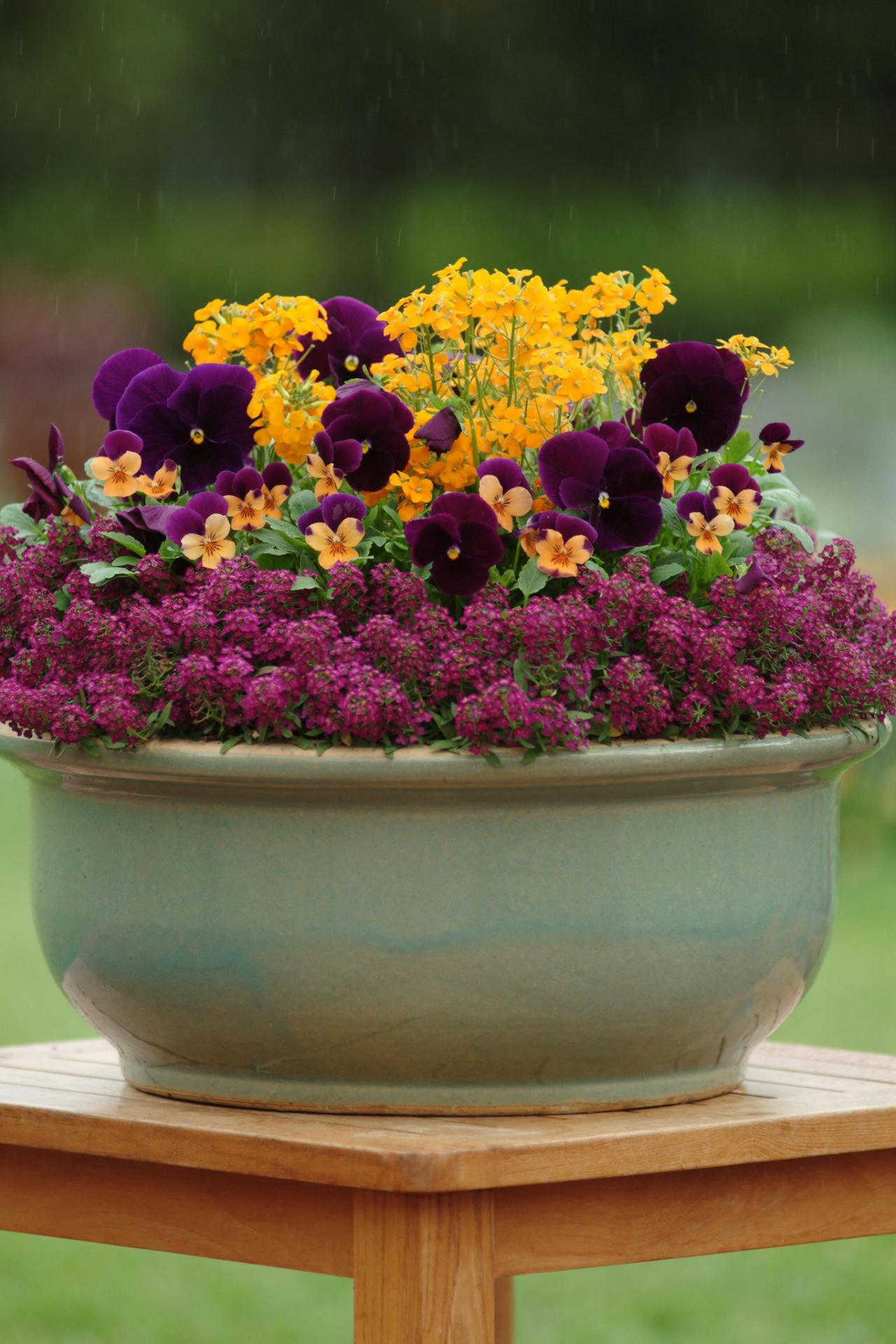
    Watering, care, or smart marriages. What are the secrets to successful flower hanging?

    Wedding

    The choice of species or varieties of plants associated with the same container is essential.
    They must have the same cultivation needs (exposure, water requirements), but also harmonious developments, one must not encroach on the other and end up dominating it to the point of preventing it from growing and flowering.

    Grooming

    At least once a week, cut off faded flowers, remove any fruit-laden seeds that have formed, and remove diseased or damaged leaves.
    Also, prune the green shoots on the variegated varieties.

    Watering

    Prevent thirsts that tire the plants. Follow the weather and monitor the substrate to water as soon as the soil is dry on the surface. Do not wet flowers and foliage, especially those sensitive to powdery mildew and rot.
    Sprinkle 2 hours after sunset with water at room temperature.

    Spreading

    The soil in the pots is quickly depleted and repeated watering leaches out nutrients. But the plants have developed a lot and draw more from the soil.
    Support blooms with liquid organic fertilizers rich in phosphorus (P) and potassium (K), always spread on a well-moistened root ball and respecting the doses indicated on the packaging.

    Retraction

    Summer is conducive to thunderstorms and devastating strong gales.
    These can sometimes break the hanging stems or unhook the suspension that it is better to shelter the time that the grain passes.

  • Why do green manures turn white? Explanations

    Why do green manures turn white? Explanations

    Sown in the summer, green manures suffer in winter, but for a good cause, the onslaught of frost. More than a ground cover, some help in the work with their powerful roots.

    Frost on green manures

    Similar, at best to the state of a cooked salad or at worst of a frozen bean, the green manures of the moment are very useful.
    Installed in summer and fall, they will be ready to be buried as soon as the thaw occurs. The plots enriched and structured thanks to the powerful roots of certain fertilizers, can receive after this work, the spring crops.

    Prune green manure

    • You have to chop the fertilizers. Opposite in the photo, in a greenhouse, the green manures which improve the soil are pruned at the end of winter.
    • After a harsh winter, they will be soft, it’s easy, they will decompose.

    Phacelia

    •  In summer and when they are in full vegetation, they can be mowed or pulled up and left as mulch on the ground.
    • In March, spotlight on the phacelia , a beautiful honey flower . If it occupies the land for more than two months, it is always possible to pull part of it to cultivate its vegetables in May. Leave the rest in place.

    Sow green manures as soon as a square empties

    Alfalfa should be sown sparingly as it is very difficult to remove. It should be installed in plots left to rest for at least three years and mown to feed rabbits for example.

    The smartest will have benefited from the benefits of winter spinach at a rate of 50 g / 10 m2, it enriches the soil with nitrogen. Start between two crops, and let the earthworms bury the cut leaves. It will always be possible to take some leaves for personal consumption.

    For late gardeners, settled in October, rye has a fasciculate root system(without main root), but with multiple rootlets which improve the structure of the soil. In addition, its intense vegetation suffocates weeds. Associated with the vetch (150 g / 10 m2), with the rapid growth, it cleans the ground of the weeds. Vetch is, moreover, a Fabaceae which fixes nitrogen from the air in the soil and which thrives in clay soil.

    In season, you can play with mixtures of crimson clover, mustard, buckwheat, wheat. 
    If the ideal is to cut these fertilizers just before flowering, but it is so pretty that sometimes you can let

  • Small bouquet for summer pots

    Small bouquet for summer pots

    In the fall, it’s time to reinvigorate declining pots by cleaning and replacing perennials with seasonal ones.

    Mid-October, it’s time to transform your planters and pots so that they are decorative in late autumn and all winter.

    • First, pull up the annual plants. Traditional perennials will go dormant, while others will retain their foliage, such as heuches . As for the grasses, they are tinged with gold or purple and remain decorative in the bad season, sparkling under the frost.
    • Cut back the following spring to see the new leaves appear.
    • Clean the plants to be preserved, by removing the damaged leaves, and surfacing with a substrate composed of potting soil and compost, on a few centimeters.
    • Pack.
    • Replace annuals with primroses , pansies or violas that will bloom all winter amid grasses and other perennial plants.
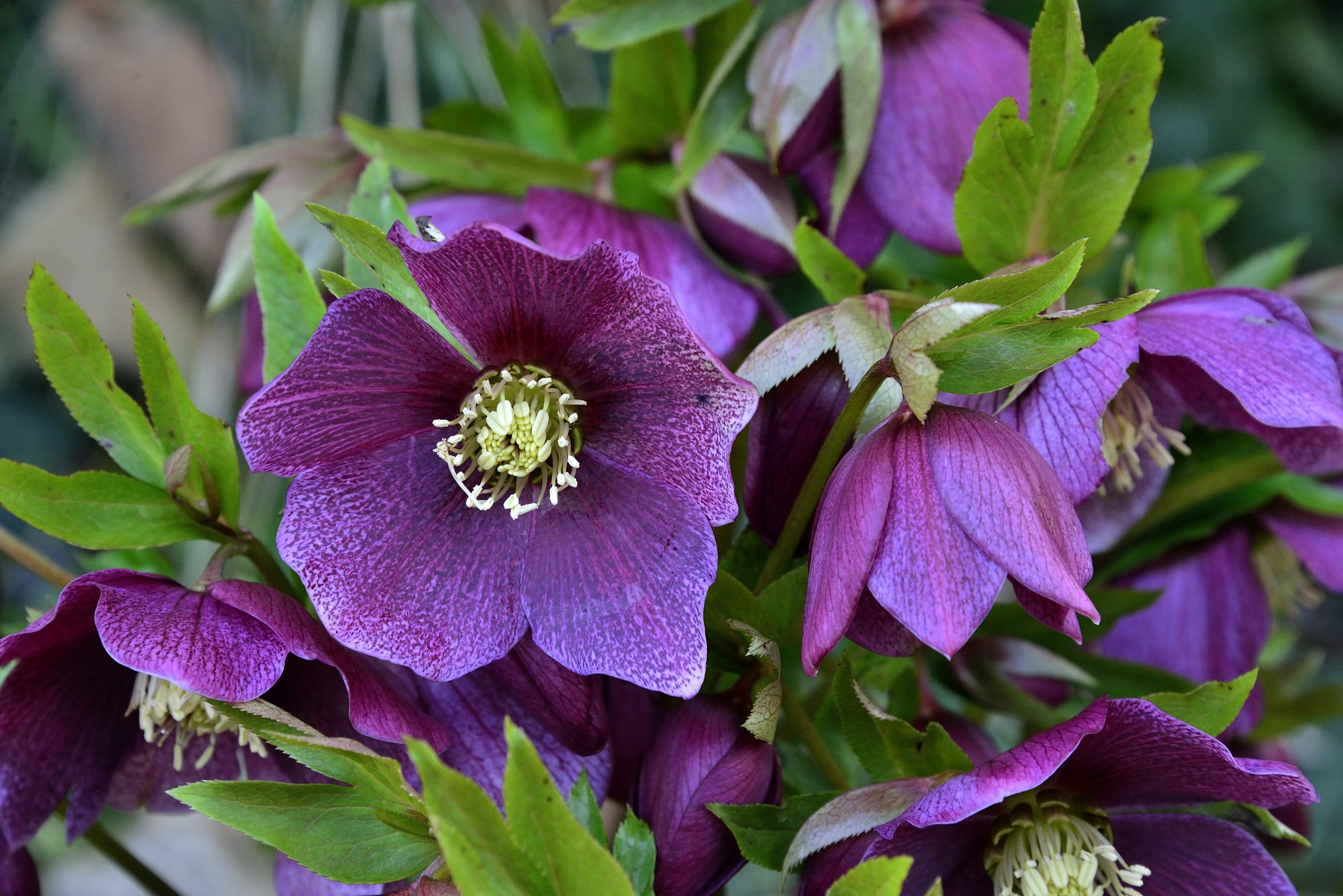
    • If there is room, add one or two ivy with small leaves, to fall back to the front, a hellebore , a heather or an evergreen fern.
    • Plant a few small bulbs (snowdrops, grape hyacinths, crocuses, etc.) to obtain a charming flowering from February.
    • Pack well with your fingers, fill with compost if necessary. Water.

    In winter, add water when it is not freezing and the soil is dry on the surface.

  • Limit the area devoted to grass

    Limit the area devoted to grass

    The lawn is fragile and consumes water, fertilizers, and treatment products. Partly replace it with other less demanding plants or turn it into a meadow.

     It’s a great classic! More than 84% of French gardens have at least one small lawn, which still represents an estimated area of ​​almost 640,000 ha! It symbolizes nature for many. But the lawn is one of the most water-intensive areas; it often requires inputs of nitrogenous fertilizers and pesticides and encourages the use of a motorized machine emitting CO2 … the mower.

    The gardener must rather take care to reduce this lawned space, reserved for places of games and idleness. Elsewhere, it will replace it with ground cover plants ( ivy, periwinkle, and helxine in the shade; dwarf sedum, perennial geranium, and dwarf bamboo in the sun), which do not require any maintenance. In the most remote parts of his house, he can even change the grass into a meadow by mowing the grass only once a year, at the end of summer.

  • How to grow fern according to the variety

    How to grow fern according to the variety

    Fans of shade, ferns seduce with their refreshing greenery, especially in summer. They gracefully populate deprived corners without requiring special care. Some so-called “arborescent” are mistaken for shrubs and exhibit an exotic-looking trunk or stipe. Others will do well in pots or containers.

    Cultivation conditions

    Ferns are plants without flowers whose reproduction is very particular (see “seedlings”). Their leaves, deciduous or persistent, are called fronds, their seeds spores. Most of them offer the spectacle of their young slingshots unfolding in a stick. They have in common to appreciate the shade and the freshness. They are of great use to dress the foot of trees or shrubs, undergrowth or gardens embedded between buildings.

    How to sow ferns

    The reproduction of these primary plants is very particular. Indeed, the seeds are distributed on the obverse of the fronds or on specific fronds, arranged in the center of the tufts. Brown to golden, they require high humidity and hygrometry to germinate.
    Sprinkle on the surface of a terrine, on a bed of river sand. Do not pack or cover. Put a glass on the whole. Then a prothallus is formed, a sort of undifferentiated green mass. Only after some time do real seedlings appear on its surface. Individualize them by transplanting them separately.closevolume_off

    When and how to plant ferns

    In the South or in very drained soil, prefer an autumn planting. Preferably operate in spring elsewhere. If necessary, incorporate a lot of potting soil or compost to enrich the soil and improve its texture and structure.

    How to water ferns

    Water copiously until complete recovery, then periodically in the event of summer drought or very draining soil.

    How to fertilize ferns

    Add compost and / or half a handful of organic lawn fertilizer per plant in the fall .

    How to successfully maintain ferns

    Weed the surrounding area and spread an organic mulch in the fall, on soft, cool soil. Renew it every year.

    Diseases and pests

    No.

    How to prune ferns

    Remove dry deciduous fronds in winter, evergreen leaves from last year at the end of winter.

    How to multiply ferns

    Divide the stumps. Collect bulbils for some proliferating varieties.

    The classic varieties of ferns

    • Asplenium scolopendrium Phyllitis scolopendrium or “stag’s tongue fern” is satisfied with little. Entire fronds leathery, rather erect, persistent, pointed, of a solid green. ‘Undulatum’, with wavy edges, ‘Crispum’, with crisp edges, ‘Furcatum’, with split ends. From 30 to 50 cm.
    • Athyrium filix-femina or “female fern” is common in the woods and has given rise to many attractive forms for light shade location. The fronds, very green and divided twice, have the appearance of feathers and are deciduous, withering in early autumn. It grows in ordinary soil, rather humus, on slopes or near bodies of water; in ‘Frizelliae’ the fronds are composed of short rounded and curly pinnae, aligned on either side of the frail main vein, 35 cm; ‘Victoriae’ is original with its fronds with leaflets that intersect in pairs, 80 cm. 
    • Athyrium nipponicum is prized for its painted double-divided leaves. ‘Pictum’ is the most common, variegated with silvery gray and veined with purple brown, 45 cm; ‘Ghost’ , more uniform gray in color, 60 cm; on ‘Ursula’s Red’ the center of the silver fronds is marked with burgundy; ‘Ocean’s Flurry’ combines silvery foliage and curly fronds.
    • Blechnum spicant has tough, evergreen foliage. The tufts are compact with sterile, dark green, glossy, rather flattened fronds. The new fertile summer fronds are erect. Nice effect all year round. For rather acidic soil, 45 cm. 
    • Dryopteris affinis ‘Cristata’ or ‘The King’   exhibits semi-evergreen fronds, doubly divided and curled at the tip. The spring stocks are golden, 1.20 m. ‘Pinderi’ with a divergent habit and narrow fronds, with golden reflections, 1.10 m.
    • Dryopteris dilatata ‘Crispa Whiteside’, deciduous fronds, light green then dark green, curly like parsley. Superb in a pot, 50 cm; ‘Lepidota Crispa Cristata’ is a dwarf version with delicately divided fronds and twitched in a single plane. Any soil, for rock garden or pot, 40 cm. 
    • Dryopteris erythrosora is splendid with its young orange or salmon colored fronds. Evergreen foliage, sheltered location and very humus soil, 70 cm.
    • Dryopteris filix-mas or male fern is native and very accommodating, it tolerates dryness, limestone, clay and even the sun in wet soil. Large elegant green-yellow fronds. ‘Cristata’ offers fronds ending in a ruffled crest, 50 cm; ‘Linearis Polydactylon’, with the fronds, aerial, almost devoid of blade and the tips of the pinnae are curly. Grayish appearance, 90 cm. 
    • Dryopteris wallichiana is distinguished by a short, black trunk. The young fronds, in spring, are enhanced by a rachis furnished with very dark scales. Vigorous, semi-persistent, spectacular plant, with an erect habit, 1 m.
    • Polystichum aculeatum . Rustic and vigorous native fern with leathery fronds, yellowish in spring then dark green, shiny and persistent, arranged in a cone, 80 cm. 
    • Polystichum braunii . Species with leathery, hairy, deciduous fronds, erect and sometimes exposing buds at the end of the fronds. Silver gray reflections at the lacrosse stage in spring then to the rough feel in season, 60 cm.
    • Polystichum polyblepharum . Supple, elegant habit with its broad, brilliant green fronds, with tight leaflets, 60 cm in all directions: superb ground-covering effect. Supports clay soil, but not soggy. 
    • Polystichum setiferum. Accommodating and of great beauty. It grows in a compact tuft. Its persistent fronds deploy in spring butts garnished with golden scales. The fronds are broad and very indented, yellowish-green. For shade and freshness, but good drought tolerance. Great longevity of the tufts. ‘Herrenhausen’, with long, erect fronds, 90 cm; ‘Plumosum Densum’, fronds several times cut and entangled, for a muslin effect; ‘Proliferum’ exhibits fronds carrying proliferation (small fronds in formation), 1 m.

    Ferns enduring heat and drought

    • Asplenium trichomanes . The “false capillary” is a reviviscent plant. It is able to dry out during the summer and then turn green again as soon as the rains in the fall. This small persistent fern is a follower of walls and cracks in our countryside and cities. Compact tufts of fronds divided into round pinnae, petioles black, 20 cm.
    • Ceterach officinarum , another native, shows the same ability to regrow. Even more compact, its fronds are tight, divided and more leathery, with beige reverse, 10 cm. 
    • Cheilanthes lanosa is very suitable for sun and drought. Its narrow foliage is hairy and silvery to bluish, with a woolly appearance. In earth, even limestone, but humus, 25 cm in all directions.
    • Polypodium vulgare or “liquorice of the woods” is able to survive hanging on the fork of trees in oceanic climate or between rocks. Rather calcareous soils. Rhizomatous strain, spreading out as a perfect ground cover. Late bud break in spring. Persistent fronds cut into deep lobes, leathery, dark green, 30 cm. ‘Cambricum’ and ‘Cornubiense’ with deeply divided leaflets. 

    Exotic-looking ferns

    • Adiantum pedatum or capillary. Thin and elegant leaves, like palmate and plurifoliolate arranged on a plane, horizontally, like “bird’s foot”. Stems slender, black, robust, 25 cm.
    • Adiantum capilus-veneris or “hair of Venus” shows a more compact form, the fronds spreading out one above the other for a green waterfall effect. They are elongated and not palmate, with irregular leaflets, 25 cm. Less hardy than the previous species. The adiantum scarcely tolerate windy situations and appreciate good atmospheric hygrometry. Install them near a waterfall, for example, or even in a shaded wall or the wall of a cavity.
    • Cyrtomium falcatum has attractive evergreen foliage, green and glossy, spreading and sparsely divided. Scythe-shaped leaflets. Quite rustic, it will find its place in pots or in the garden, in cool dry soil. Protect the stump with a mattress of dead leaves, 60 cm. 
    • Cyrtomium fortunei is similar to the previous one with less thick, leathery and rather dull, light green and wavy foliage. On the other hand, it is more vigorous, 70 cm .
    • C. f. clivicola , flexible port, ideal for filling an embankment.
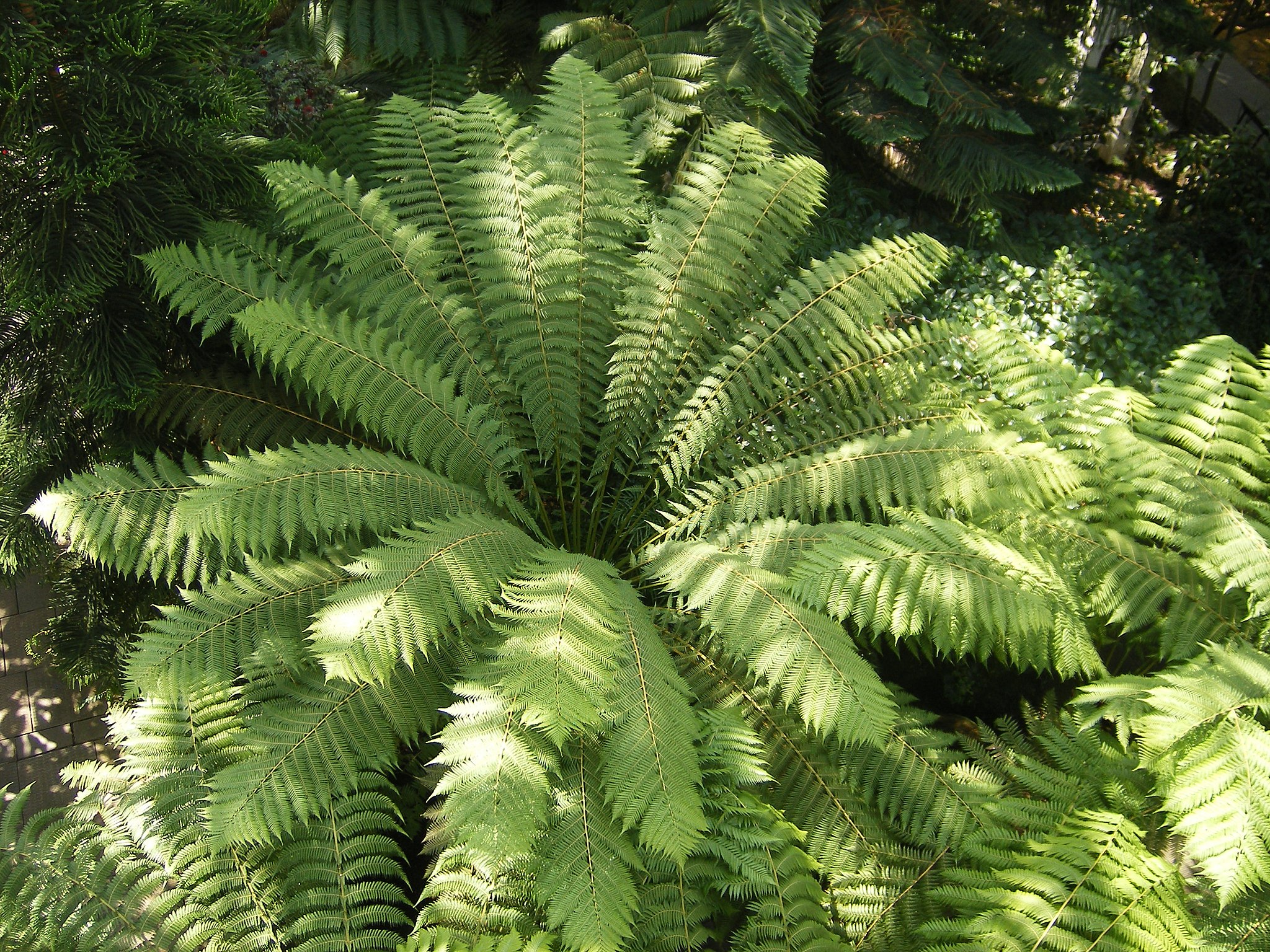
    • Dicksonia antarctica is the species most commonly used as a “tree fern”. It produces a spongy trunk (stipe) at the top of which develops a crown of large and broad evergreen leaves, very indented, green and shiny, sometimes 2.50 m long. Install in a container or on a patio, in a place protected from cold winds and late frosts. During the growth, high humidity recommended thanks to frequent bathing or misting. If necessary, installdrip irrigationin the crown. Withstands down to – 7 ° C. If necessary, protect by tying the crown and wrapping everything in a protective veil. Up to 3.50 m. NOT’ 
    • Dryopteris cycadina . Its fronds are persistent, tall and light, evoking the leaves of the cycad. Easy to grow in cool, rather acidic soil. Protect the stump in winter, 70 cm.
    • Lygodium japonicum is a rare climbing fern. Protected by a thick mattress of dead leaves, its stock is hardy in the Paris region. Slow growth, 2 m. 
    • Woodwardia unigemmata surprises with its vigor, robustness and the size of its fronds. It is however rustic in the Paris region, with a well protected place and a protective mulch against the stump and roots. Young reddish fronds and spreading by underground suckers. Spectacular effect, 80 cm, hardiness – 8 ° C.

    Ferns adapted to humid soils

    • Matteucia struthiopteris or “ostrich feather fern”. Early to grow in spring, its fronds are assembled in a narrow, light green cone. Grows in compact colonies in neutral soil, rich in humus and always moist. Avoid drying winds. Up to 1.50 m.
    • Onoclea Sensitis is a perennial with roots with creeping rhizomes that forms dense colonies. The fronds are short, split twice, renewing in summer, light green assuming splendid coppery colors in autumn. Ideal for bank retention, supports temporary or continuous immersion of less than 10 cm. Humus soil, rather acidic, 70 cm. 
    • Osmunda regalis , “royal osmonde”, is a protected plant in our country. It is the most imposing rustic fern in our region. Sterile fronds erect, broad and divided. Fertile fronds in summer, less spectacular. It can form “turrets” and thus rise above the water level. Beautiful spring crosses and fall colors. Spores borne at the tips of fertile fronds. Slow growth, up to 2.50 m. ‘Purpurascens’, with young shoots and bronze petioles.

    Indoor ferns to grow in pots

    There are varieties of ferns that are grown in pots like houseplants. To learn more about caring for indoor ferns, repotting and growing them:

    • Indoor ferns
    • The crocodile fern
    • Nephrolepsis
    • Caring for the Boston fern
    • 30 indoor plants with depolluting properties

    Where to plant a tree fern and which soil to use?

    A semi-shaded situation will be perfect. Choose a place protected from the winds by walls or hedges because the very long fronds break easily. The quality of the soil is of little importance because the tree fern has few underground roots .

  • Gardening with the moon: fruit and seed days

    Gardening with the moon: fruit and seed days

    Record, in the lunar calendar, the dates of the passages of the star in front of one of the three constellations in accordance with the element of fire. These are the ideal times to devote yourself to gardening work on plants grown for their fruits or seeds.

    During its journey around the earth, the moon scrolls past the twelve regions of the zodiac, each of which is in affinity with one of the four fundamental elements: earth, water, air, and fire.
    When the lunar star arrives in front of the constellation of Aries, Leo or Sagittarius, (each being in affinity with the element of fire), it sends back impulses and forces that act on the plants and stimulate their setting to fruit or to seeds.

    When the moon is rising (or ascending) and it passes in front of the constellations of Sagittarius or Aries, it is time to sow or reap the plants grown for their fruits or seeds. These periods are also favorable for taking grafts from fruit trees and for carrying out grafts.
    When the moon is descending and it arrives in front of the constellation Leo or Sagittarius, you can prepare and enrich the soil where the fruit or seed plants will be grown. It is also the right time to thin out the seedlings, but also to transplant, plant or prune this type of plant.

    The plants concerned

    These are in priority all fruit trees and shrubs (apricot, actinidia, citrus, almond, cherry, quince, fig, common and Japanese medlar, hazel, walnut, olive, peach, pear, apple, plum, vine) and small fruits (blackcurrant, raspberry, red currant and gooseberry, blueberry, bramble, and strawberry).

    In the kitchen gardenthe plants cultivated for their fruits are strawberries, tomatoes, peppers and peppers, eggplants, pickles, cucumbers, melons, watermelons, not to mention the many species and varieties of squash.
    Other plants are valued for their seeds, eaten fresh or well dried. This is the case of beans, beans, lentils, peas, and chickpeas.
    To this must be added cereals (wheat, barley, oats, corn, rice, and rye) as well as certain condiment plants such as green anise, dill, caraway, cumin, coriander, fennel, fenugreek, nigella.

    In the ornamental garden, it is all the decorative fruit shrubs such as cotoneaster, ornamental apple trees, pyracanthas, etc. The curious parakeet grass, the poppies to be dried and the papal money are also concerned plants.

    Indoor plants Ardisia, ornamental pepper, love apple treeclosevolume_off

    What are fruit plants or seeds?

    these are all fruit trees:

    • apricot, cherry, citrus … berries: currant, blueberry, strawberry …
    • Climbers: actinidia, blackberry bramble and vines …
    • Vegetables whose fruit or seeds are eaten: tomato, zucchini, eggplant, melon, peas, lentils, beans …
    • The aromatic plants whose seeds are eaten: coriander, fennel …
    • And finally the cereals that are classified in this category: oats, wheat, rye, barley …

    What is a seeds and fruit day?

    A fruit or seed day is a day during which the gardener takes care of the fruit trees, berries, fruit vegetables and plants from which the seeds are eaten and the seeds collected. While rotating around the terrestrial globe, the Moon describes an elliptical orbit of which the Earth is one of the focal points. During a lunation, it passes in front of the twelve regions of the zodiac, each being in affinity with one of the four fundamental elements: Earth, Water, Air and Fire.

    When the Moon passes in front of the constellations of Aries and Sagittarius on the ascending moon, and Leo on the descending moon (these are constellations in affinity with the element Fire), it influences fruits, berries, vegetables- fruits and seeds, which determines the days-fruits and seeds.

    These constellations provide the heat necessary for the ripening of the fruits: harvest them in fruit-days, when they are full of sun, they keep better. Collect the seeds of vegetables and flowers when they are ripe, on a fruit day, when the weather is dry: their germination power will be prolonged.

    Sow, plant, pluck, reap! Perform the planting of fruit trees in the descending moon and the sowing of fruit vegetables in the ascending moon. Process, prune and care for fruit trees, shrubs, and fruiting veg in fruit day, you will get healthier, sweeter fruit with increased flavor.
  • Harvest the fruits later in the season

    Harvest the fruits later in the season

    In the orchard, remove leaves, water well, feed, and fight against infections to extend the harvest period and have abundant pickings.

    Keep pests away

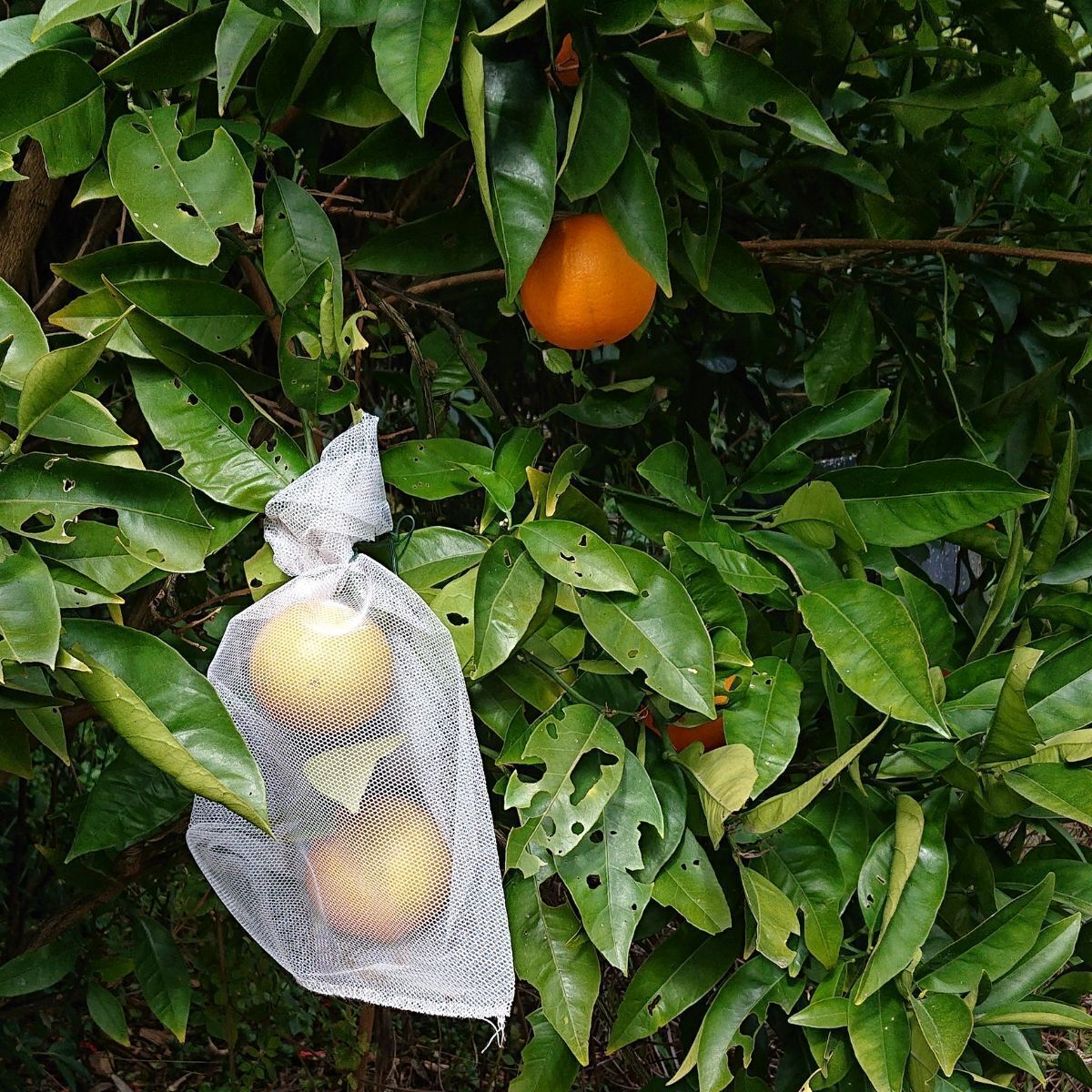
    Whether it’s pears, peaches, apples, or grapes, bagging is a tedious but natural method to protect them from wasps, carcasses, and other possible pests. When the fruits begin to ripen, remove the husks a few days before harvest so that they take advantage of the sun and light to perfect their ripening. They will be better after sunbathing.

    Trapping the wasps

    Wasps are greedy if the ripening fruit contains enough sugar. Fool them with pheromone traps or commercial models to fill with a sugar solution. You can craft your traps. Cut the neck of a plastic bottle to make a funnel. Fill the bottom of the bottle with water and syrup or honey, then lay the neck upside down on top so that the attracted wasps can enter, but are unable to exit.

    Adapt watering

    Outside of year-round planting, it is completely unnecessary to water your stone or pome trees, even at the end of the dry season: this would require too much water and the fruits would lose taste quality. . While this rule applies to trees with strong growth, it is quite different for small fruit berries. Indeed, strawberries or rising raspberries, although carefully mulched, may still need a water supply. Water copiously in one go at the time of flowering, ideally with a drip, so as to provide 15 mm, or 15 l of water / m².

    Nourish to stimulate

    There is no such thing as a boost in organic fertilizer. Indeed, this type of input must be mineralized by the microfauna and the microflora of the soil to be restored to the plants, a transformation that takes a few weeks. You can therefore provide occasional and measured organic fertilizer for demanding crops at the start or middle of the cycle. Spinach, for example, will benefit.

    Remove the leaves from the vines

    At the end of summer and at the beginning of autumn, the ripening of the grapes is completed. At this point, the bunches should receive maximum sunlight. Cut with secateurs the leaves covering the clusters for the trellis trellised on a wall, only those on the rising sun side when the vines are guided on a wire. This operation promotes the ripening of the grapes, but also ensures better ventilation in the heart of the vines, limiting the development of gray mold or botrytis type fungi.

    Reduce the spread of disease

    During this period of alternating heat and humidity, the spread of fungal diseases like moniliasis can be extremely rapid. So pick up the spoiled fruit that has fallen to the ground and carefully inspect those left on the tree. Also, remove damaged fruit to prevent contamination. Finally, evacuate the fallen leaves: this abnormally early fall often results in contamination by a fungus.

  • Use the right treatment product

    Use the right treatment product

    In order not to multiply unnecessary treatments, it is necessary to clearly determine the problem which arises before deciding on the action to be implemented. It’s not always obvious…

    Identical symptoms can indeed come from attacks by parasites, diseases or even cultivation errors, such as an excess or, conversely, a lack of watering.

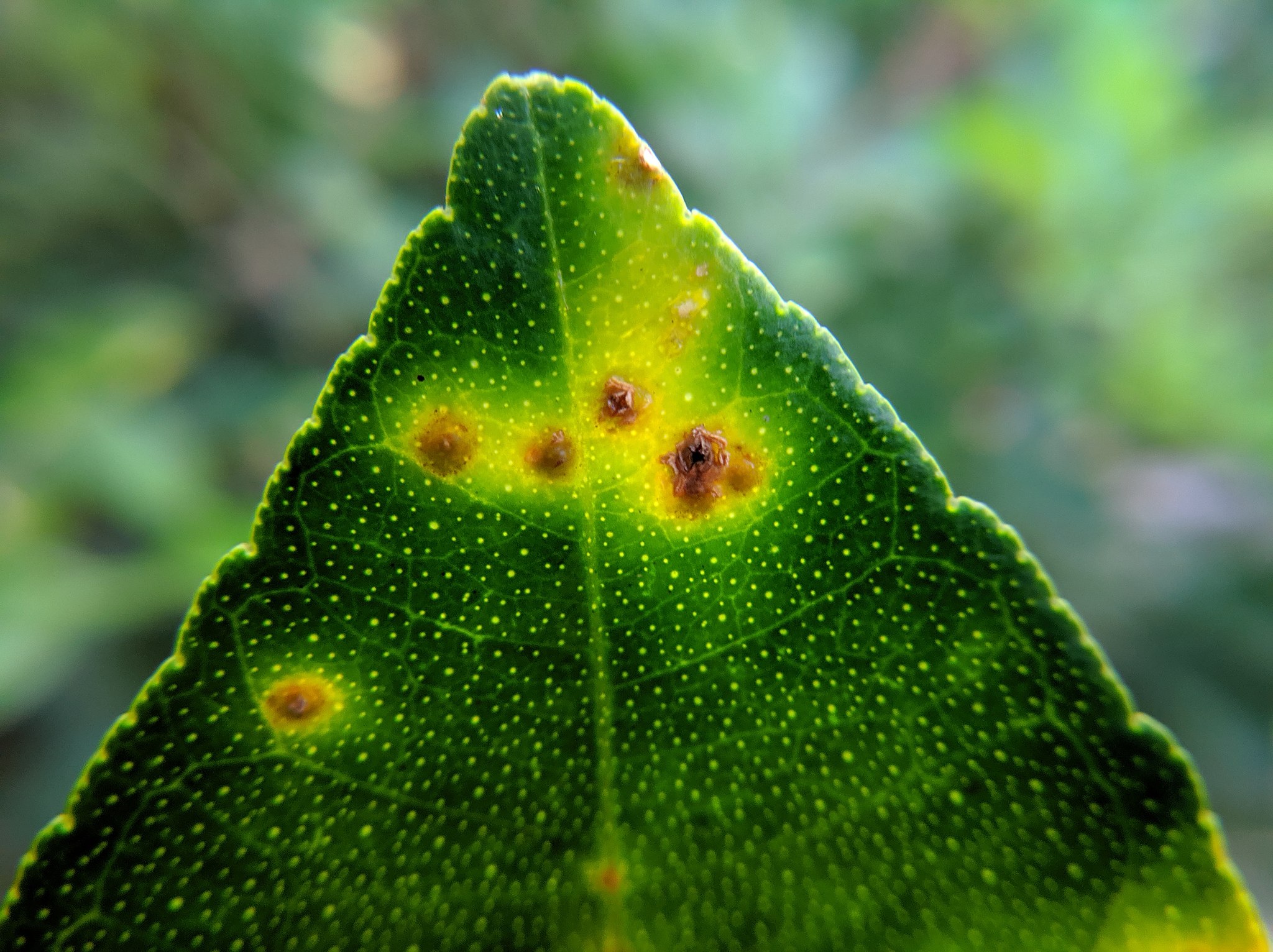
    The correct diagnosis requires careful and regular observation of the plants in the garden. Getting a magnifying glass is helpful, as the parasites are sometimes tiny. Without forgetting to look under the leaves, this is often where they hide. Everything is then a question of learning …

    Do not hesitate to call on professionals who will determine the origin of the damage, or to launch into the consultation of reference books. Once the diagnosis has been established – if it is not a cultivation accident – the product chosen will be effective againstdisease or parasites .

    Better to know how to recognize auxiliary insects, this time to preserve them. Because confusion is possible … A ladybug larva evokes for many an unwanted insect, yet it is a useful devourer of aphids !

  • Pinch the wisteria to promote new blooms

    Pinch the wisteria to promote new blooms

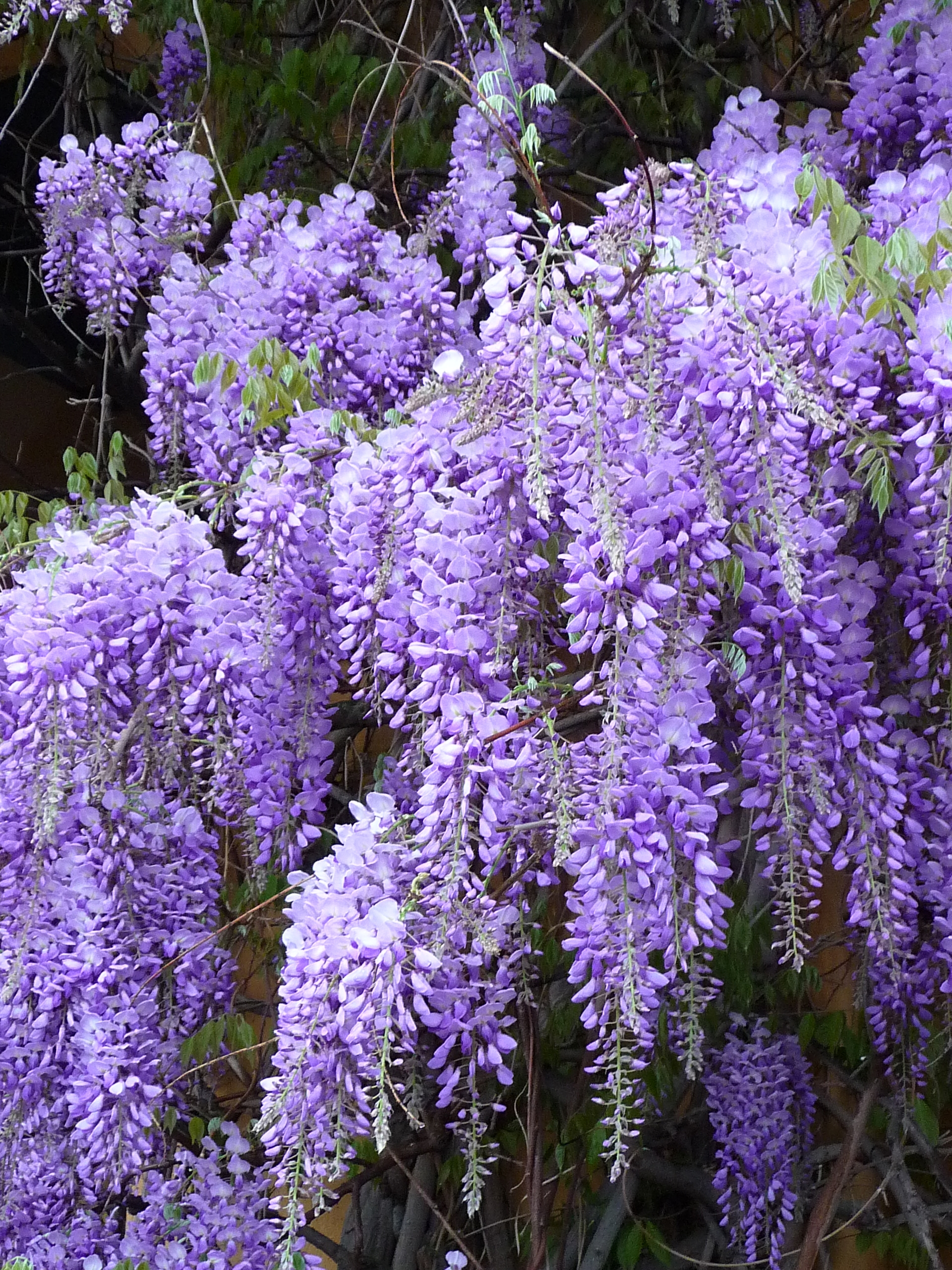
    Wisteria produces very twirling young stems immediately after flowering. Pinching them helps to discipline the plant and promote flowering by concentrating the sap.

    When to pinch wisteria?

    The well-placed branches of the young plants are not pinched, to let the wisteria form its framework.
    On the formed subjects , pinch the long tender shoots. Act during the summer. It may be necessary to repeat the operation a second or third time.

    Necessary material

    • Shears

    How to pinch wisteria?

    Leave only two leaves on each new branch, still green.
    On tree wisteria, leave only one leaf per shoot.
    On important matters, a shear size, although approximate, is more than enough.

    After the pinch

    Wisteria in trees tend, to compensate for the loss of their shoots, to emit creeping stems at the base. Cut them flush.

  • Zoom on bamboo

    Zoom on bamboo

    The bamboo has many advantages, the first of which is to push faster and therefore actually be a renewable raw material. In the garden, you can use it as a living plant or as a craft material.

    Bamboo is a universal grass , spread over much of the globe. It is easily cultivated and can even become invasive when the conditions are particularly pleasing to it. In addition to its decorative appearance, you can make braided hedges, leading its shoots like a trellis .
    Bamboo is also used after harvest and drying. When purchasing, the rods must have a regular appearance, without gray areas or pitted black. Solid, they resonate if you knock them against each other, at least the bigger ones. For thinner tips, just check that they are not crushed or broken.

    Thousand and one uses

    Bamboo is used for everything. In the garden, in addition to its use for the creation of the screen and the fence (see related articles), it is used to make plant pots, flower boxes, furniture with an exotic design (bar, sunbathing) , armchair…). In the form of canisses, it protects well from the sun. For the interior, it is available in parquet. Its fibers are used in making textiles and its shoots are consumed. In Asia it is used for scaffolding and to build entire houses.